
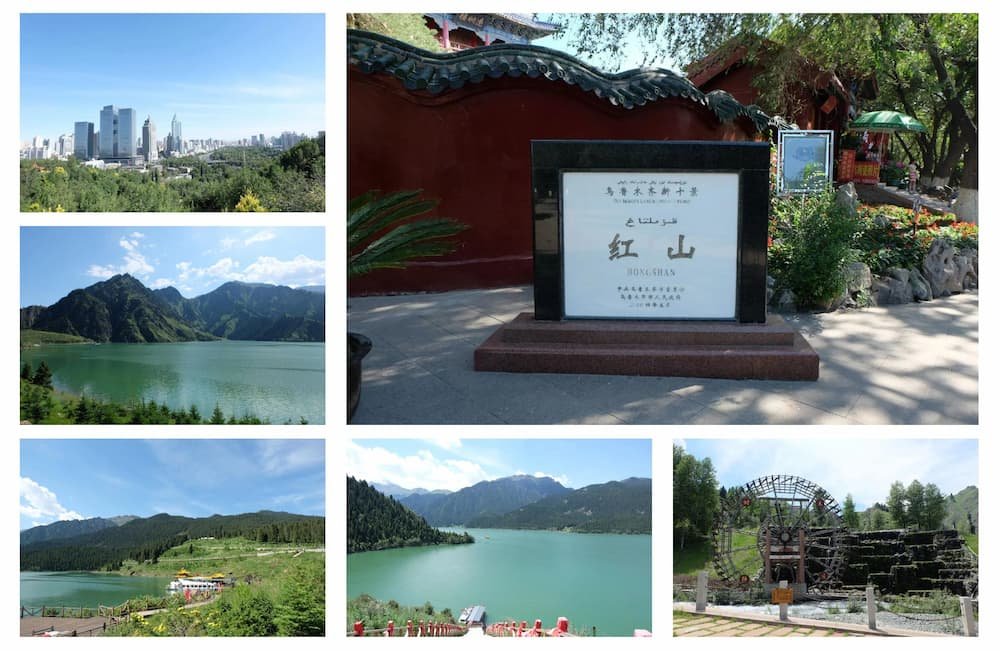
Best Time to Visit Turpan: A Month-by-Month Guide
Turpan Is a Study in Extremes. Timing Is Everything
Turpan, in the east of Xinjiang, sits in one of the lowest and hottest depressions on Earth, a green oasis ringed by bare mountains and drifting sand. I have been in April, June, and October, and the difference between those months is the difference between a pleasant walk and a survival exercise. Turpan is small and easy to reach from Urumqi (about 180 km, two hours by train), but the season you pick decides whether you enjoy it. Here is the month-by-month reality from someone who has sweated and shivered there.
Spring (March to April): The Underrated Window
Spring is the best-kept secret in Turpan. By April the apricot and peach trees around the oasis bloom, the daytime temperature sits around 18-28 Celsius, and the grape valleys are turning green rather than the parched brown of late summer. I walked the old streets of the Turpan oasis in early April with a light jacket in the morning and a shirt by noon. Crowds were thin; the summer tour buses had not started. The one risk is a late cold snap or a dust wind off the desert, so I kept a scarf and checked the forecast daily. For comfort and colour, April is my honest first choice.
Summer (June to August): Furnace Season
Turpan in July is no joke. The mercury regularly passes 40 Celsius and once, in late June, I saw a roadside sign reading 47. The Flaming Mountains, already red rock, radiate heat you feel through the car door. I did summer once and learned to do everything at the edges of the day: the Grape Valley at 08:00, the bazaar at 20:00, and nothing exposed between 12:00 and 17:00. If you come in summer, the heat is the trip, not a side note. Carry more water than feels possible; I went through 3 litres a day and still felt dry.
Autumn (September to October): The Second Best
September and early October are excellent. The heat breaks to a manageable 20-30 Celsius, the grapes are being harvested (the valley smells of them), and the light on the Flaming Mountains at sunset is the best of the year. This is the other window I recommend, especially late September after the worst of the summer crowds leave. October is calm and cheap, with crisp mornings; by late October a cold night can dip near freezing, so pack a layer.
Winter (November to February): Cold and Quiet
Winter in Turpan is cold but not savage, usually minus 5 to 8 Celsius by day, colder at night. The oasis goes quiet, some seasonal stalls close, and the Grape Valley is bare. It is a fine time for the indoor sites, the museums, and the empty old town, but the outdoor drama of the mountains loses something without the heat haze and the vines. I would not plan a winter Turpan trip around the scenery; save it for the city and the food.
Month-by-Month Summary
- March: Cool, blooming starts, very few people. Good.
- April: Apricot blossom, mild, my top pick. Book the weekend ahead.
- May: Warm, green, still calm before summer.
- June-August: Brutal midday heat; go early, hide midday, out late.
- September: Best all-round; harvest, blue skies, comfortable.
- October: Great early, quiet after National Day, cold nights arrive.
- Nov-Feb: Cold, empty, scenery asleep. City-only.

What the Heat Does to Your Plan
In summer I structure every Turpan day around the sun, much like I do in Kashgar. Wake at 07:00, hit the Grape Valley and the oasis sites before 11:00, retreat to a shaded teahouse or the hotel from noon to 17:00, then return for the evening market and the cooler ruins. The indoor sites, the museum and the subterranean karez irrigation channels, are the smart midday move because they stay cool. For a wider spring view beyond Turpan, my April blossom guide covers the apricot routes through the whole region.
Getting There and Timing the Day
Turpan is the easiest side trip from Urumqi. The high-speed train takes about 1 hour 40 minutes and costs ¥51, or a slower conventional train is cheaper. I often do Turpan as a one- or two-night loop rather than a day trip, because the sites spread out and the heat rewards a relaxed pace. From Urumqi it pairs well with a June lavender-and-green detour if you are looping the north, but most people visit it on its own from the capital. The train timetable means you can leave Urumqi at 08:00 and be walking the Grape Valley by 10:00.

Food, Seasons, and the Markets
Turpan’s food follows the calendar. Spring brings tender apricots and the first grapes; summer is the peak for Hami melons, figs, and the famous seedless Turpan raisins; autumn is the grape harvest and the busiest market season. Year round the cold noodles (liang pi) and the roasted buns are a reliable refuge from the heat. I eat my best Turpan meals in the cooler months, when sitting outside at 22 Celsius is a pleasure rather than a sweat. Plan at least one evening grazing the bazaar; it is the real Turpan and it changes with the season.
Where I Stay and Why Season Changes It
Turpan has a solid set of mid-range hotels near the old town and the station. In April and October I pay about ¥240 a night; in July that same room is ¥420. I always stay within walking distance of the old town so I can duck back during the midday heat. The hotels with a courtyard or a shaded lobby are worth a few extra yuan in summer, because you will spend the hot hours there, not out exploring.
Two Mistakes to Avoid
First, do not book a summer trip and try to see the Flaming Mountains at noon; you will hate it and blame Turpan. Second, do not skip the water and the shade in June-August; heat illness here is a real risk, not a footnote. The oasis is forgiving in spring and autumn; the desert edge in August is not.
A Sample One-Day Turpan Plan
For a tight visit, here is the day I recommend. Arrive by train at 10:00, drop bags at the hotel, and walk the old town and the Grape Valley until 12:30. Retreat to a shaded teahouse or the hotel through the 13:00-17:00 heat. At 17:30 take a taxi to the Flaming Mountains for the sunset glow (the rock goes deep red), back for the evening bazaar at 20:00, and the train out the next morning. That one day captures the oasis, the heat drama, and the food without fighting the midday sun. In spring or autumn you can stretch it; in summer you must obey the shade.
The Karez and the Indoor Escape
The karez are the ancient underground channels that bring meltwater from the mountains to the oasis, and the museum and the walkable section are the smart midday stop in hot months because they stay cool and shaded. I spent a fascinated hour down in the channel section in June when it was 44 outside and maybe 28 below. It is also a genuine piece of engineering history you will not see elsewhere, and a calm counterpoint to the blazing hills. Pair it with the Turpan museum, which covers the Silk Road and the Uyghur heritage in air-conditioned comfort. Both are my go-to moves when the thermometer climbs.
Fruit Season Table
Turpan’s calendar is a fruit timeline, and timing your visit to it is half the fun. Apricots and peaches: April to May. Cherries and early grapes: June. Seedless Turpan grapes and Hami melons: July to September, peak harvest late August. Raisins and pomegranates: September to October. Winter: stored nuts and dried fruit only. I plan my September trips around the grape harvest and have come home with a suitcase of raisins from the roadside stalls. The fruit seasons guide maps the wider Xinjiang timeline if you are travelling beyond Turpan.
Getting From Urumqi Step-by-Step
From Urumqi it is straightforward. The high-speed train leaves from the main station; book a morning departure (they sell out in summer) for about ¥51 and 1 hour 40 minutes. A car or shared transfer from the Turpan station to the old town is ¥20-¥40. If you prefer the slower conventional train, it is cheaper (¥32) but closer to 3 hours. I never drive this leg myself when I can train it; the rail is faster, cooler, and drops me in town ready to walk. The Urumqi layover guide has the station logistics I use to connect smoothly.
The Grape Valley Walk, Step by Step
The Grape Valley is the one sight I send everyone to, and it is best done slowly. Enter at the lower gate, walk the shaded lane under the vine trellises (the canopy drops the temperature by several degrees), stop at a family plot where they pour you a taste of the table grapes for a few yuan, and continue to the small museum of the valley’s irrigation. In spring the new leaves are the photo; in autumn the hanging clusters are. I spent two hours and bought a kilo of the seedless variety for ¥12 that beat anything at home. Go at opening (09:00) in summer to have the lanes to yourself before the tour buses at 11:00.
Why Turpan Pairs Well With Urumqi
Turpan is the easiest “second city” from Urumqi, closer and quicker than Kashgar or Yining, which makes it the natural first taste of the region beyond the capital. I often tell first-timers to do Urumqi plus Turpan as a 4-day intro, then decide if they want the big loops. The contrast is the lesson: Urumqi is a modern provincial capital, Turpan is an ancient oasis with the heat and the vines, and together they frame what the rest of Xinjiang will be. The Urumqi layover guide shows how to slot the train connection in without a wasted day.
Heat, Hydration, and the Daily Rhythm
The one skill Turpan teaches is rhythm. In summer the day has two safe windows, dawn and dusk, and a dead middle; fight it and you will hate the place, work with it and you will love it. I carry three litres of water, drink constantly, and add a salt sachet after a long exposure because the dry heat hides how much you sweat. The locals model it: they rest in the hot hours and come alive in the cool ones, and the bazaar only truly starts after the sun drops. Borrow that clock and Turpan becomes pleasant even in July; ignore it and you will spend your visit in a hotel room willing the sun to set. The heat is not the enemy, the timing is.
My Recommendation
If I had one trip, I would come in the last two weeks of September. The grapes are being picked, the mountains glow at sunset, and the temperature is finally kind. If you want the prettiest oasis light with the fewest people and you can handle a cool morning, the first half of April with the apricot blossom is the secret window almost nobody mentions. Either way, let the season set your schedule, and Turpan rewards you with one of the most extreme and beautiful corners of Xinjiang.
And do not let the heat stories scare you out of summer entirely; go at dawn, hide through the noon, and the Flaming Mountains at first light are worth the effort. Turpan is a place that rewards the adaptable, and the traveller who bends to its clock sees more of it than the one who fights the sun. Pick the month, pack for its extreme, and the oasis delivers on both ends of the thermometer.