
Tangbula Grassland Nilka: The Free 100-Li Gallery of Xinjiang’s Ili Valley (2026)
Updated July 2026 | By Karl Huang
When most travelers plan their Xinjiang independent trip, they flock to Nalati or Sayram Lake. Both are spectacular, but they come with ticket fees and tour groups. About 90 kilometers east of Yining, along the Kash River, there’s a 50-kilometer stretch of road where you don’t need a ticket at all. The locals call it Tangbula — “the seal” in Kazakh. I call it the best-kept secret in the Ili Valley.
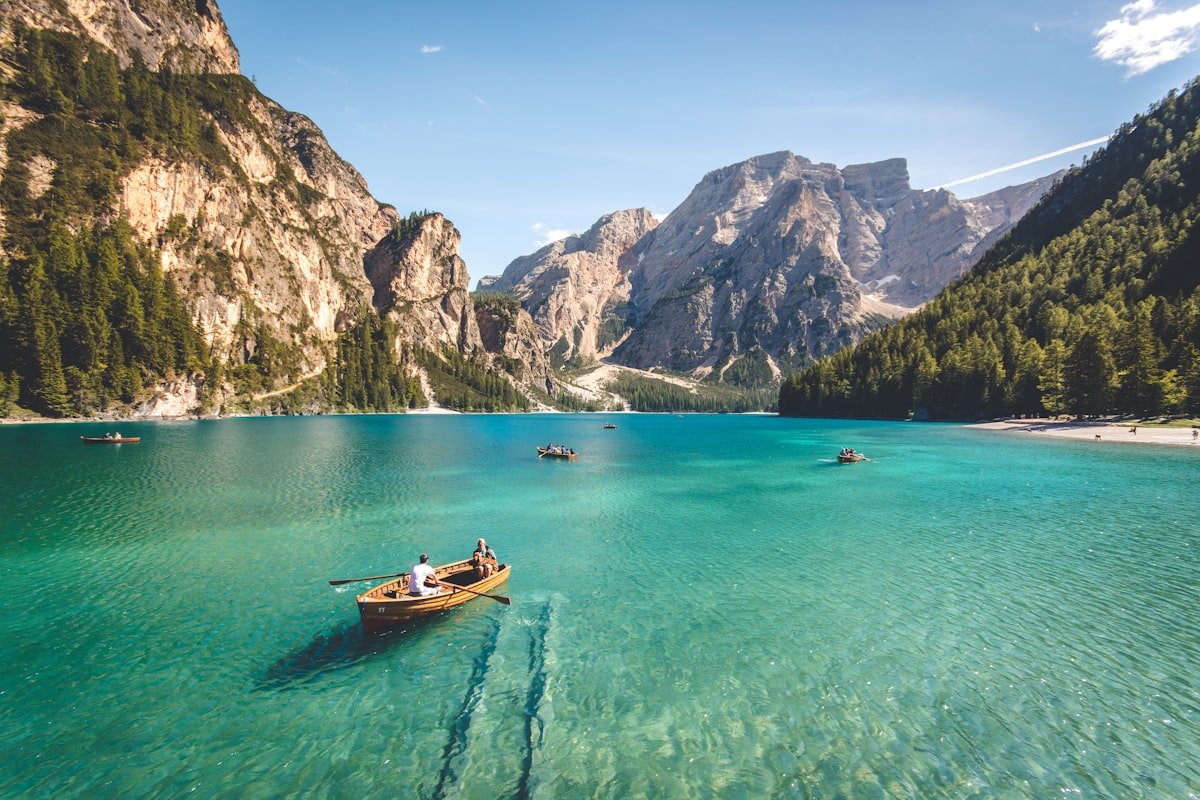
This article is based on a June 2025 drive along the S315. No filters, no sponsored content, just what I saw and what actually worked.
Quick Reference: Tangbula Grassland at a Glance
| Attribute | Details |
|---|---|
| Location | Nilka County, Ili Kazakh Autonomous Prefecture, Xinjiang |
| Best Season | June to September (June-July for flowers, August for green, September for photography) |
| How to Get There | Drive S315 from Yining (~90 km, 2 hours); or bus to Nilka then taxi |
| Ticket Price & Hours | Free, open all day; some side gullies may charge small entry fees for parking |
| Distance from Yining | ~90 km east along S315 provincial road |
| Why Go | Free admission, 113 gullies each with unique scenery, Kash River valley views, hot springs, original grassland |
What Is Tangbula Grassland, Actually
Tangbula is not a fenced “scenic area” with a gate and a ticket office. It’s a 50-kilometer corridor along both banks of the Kash River, between Nilka County and the Tianshan foothills. The name comes from a rock on the east side of the gorge that looks like a seal (yinzhang in Chinese, tangbula in Kazakh).
The grassland itself sits at around 1,500–2,000 meters elevation. To the north: Tianshan snow peaks. To the south: rolling hills with spruce forest. In between: the Kash River, turquoise-blue, winding through a valley floor that’s carpeted with grass and wildflowers from late May through August.
What makes it different from Nalati is not the quality of the grass — it’s the fact that nobody is charging you to look at it. You can pull over at any of the small parking turnouts along S315, walk down to the river, and sit there for as long as you want. No guide, no shuttle bus, no “designated photo spot” with a queue.
113 Gullies, 113 Scenes — Why “One Step, One Scene”
Locals say there are 113 gullies (gou) in the Tangbula area, and each one has its own scenery. I counted at least eight that I stopped at in a single day; I believe the number. Here are the ones that stuck with me:
1. The Main S315 Corridor
This is the “100-li gallery” everyone talks about. For about 50 kilometers, the road runs parallel to the Kash River. On your right: spruce-covered slopes. On your left: the river, then more grassland on the opposite bank. About every 3–5 kilometers there’s a turnout with a sign. Some have yurts. Some are just empty gravel with a view.
The light is best in the early morning (before 10 a.m.) and late afternoon (after 7 p.m.). By midday the sun is harsh and the sky washes out in photos. I learned this the hard way.
2. Bear Gorge (Gou Xiong Gou)
This is one of the deeper gullies heading north into the Tianshan. The trail starts from a small parking area off S315. It’s not marked, and there’s no entrance fee. The walk in follows a creek upstream. After about 2 kilometers the spruce forest closes in and it gets noticeably cooler. I didn’t see a bear (despite the name), but I did see bear scat, so… be aware.
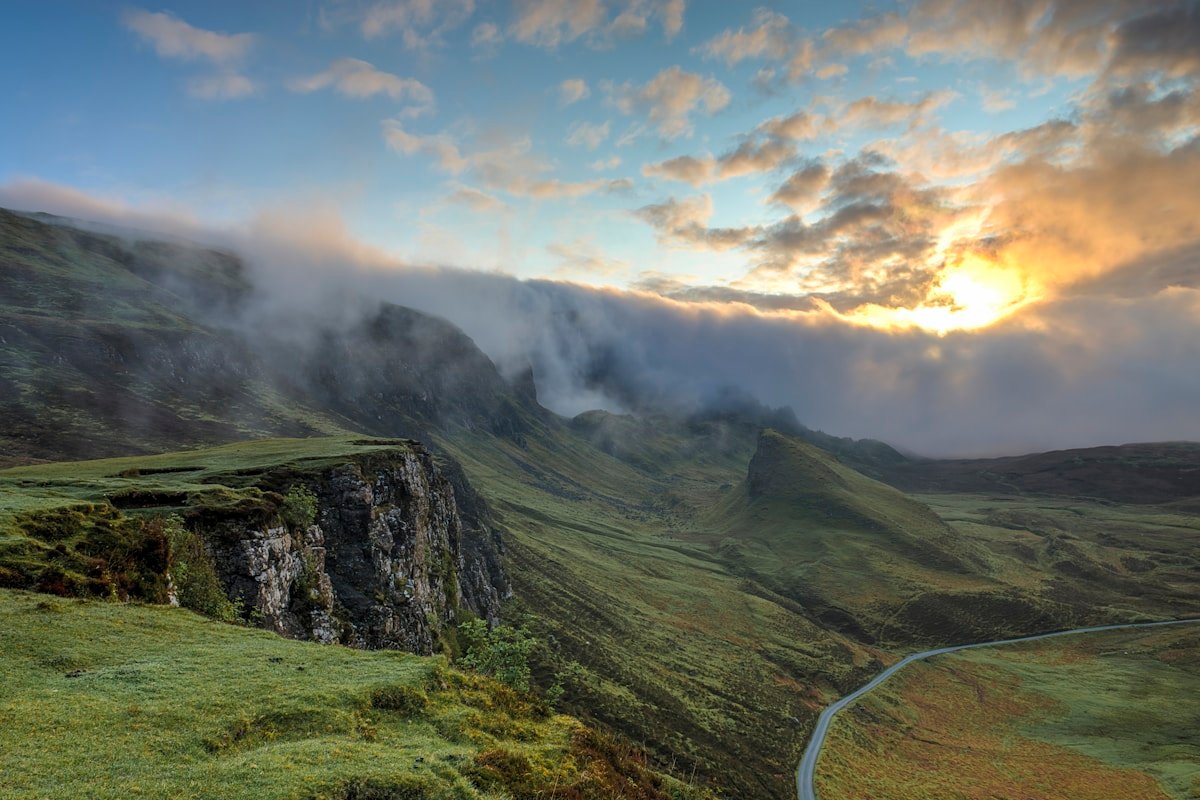
The payoff is a small meadow about 4 kilometers in, framed by 3,000-meter peaks. If you’re into photography, the light here in the late afternoon is exceptional — the spruce trunks turn almost black against the green.
3. Little Huashan (Xiao Huashan)
A rock formation that locals compare to Huashan (in Shaanxi) and Huangshan (in Anhui). I think that’s overselling it, but the rocks are genuinely unusual — jagged limestone pillars rising out of the grassland. You can climb up about 200 meters for a view back down the valley. Not a difficult hike, but wear proper shoes; the rock is loose in places.
4. Als Lang Stone Forest (Aersilang Shilin)
About 15 kilometers east of the main Tangbula corridor. A collection of wind-eroded stone pillars in various shapes. There’s a small parking area and a rough trail. Not as dramatic as the stone forests in Yunnan, but interesting if you’re already in the area.
The Kash River — Bluer Than It Has Any Right to Be
I’ve seen a lot of rivers in Xinjiang. The Kash River in Tangbula is among the top three for color. It’s that particular shade of blue-green that you usually only see in glacial lakes. The water comes straight off the Tianshan snow melt, so it’s cold — don’t fall in.
There are several shallow crossing points where you can walk out onto the gravel bars in the middle of the river. In June and July these are perfect picnic spots. The water is loud (in a good way) and the view upstream toward the snow peaks is the kind of thing that makes you stop checking your phone.
A note on safety: the river rises fast after rain. If you see the water getting muddy or rising, get off the gravel bars. The current is stronger than it looks.
Hot Springs — Because You’re in Nilka
Nilka County has several natural hot springs, and a few of them are right in the Tangbula area. The water temperature is around 40–50°C, and the mineral content is high (you can smell the sulfur). Most are basic setups — a small concrete pool, maybe a changing room if you’re lucky. This is not a luxury spa experience.
One of the more accessible ones is near the eastern end of the S315 corridor, about 10 kilometers past the main Tangbula signage. It’s run by a local Kazakh family. You pay a small fee (around 20–30 RMB when I was there) and you get the pool to yourself or shared with however many other travelers showed up. In the evening, soaking in 45°C water while looking at the stars and listening to the river is… honestly, it’s one of the better travel memories I have from 2025.
Bring your own towel. And swimwear, though some locals treat it as a clothing-optional situation, so be prepared for that culture difference.
Practical Information
Transportation
Getting to Nilka from Yining: The most straightforward way is to drive. Rent a car in Yining, take the S315 eastbound. The road is paved and in decent condition, though there are a few sections with potholes, so don’t drive too fast. The drive takes about 2 hours.
If you don’t drive, there are buses from Yining Bus Station to Nilka County. From Nilka town you’ll need to hire a taxi or join a local tour to get to the Tangbula area (another 30–40 km). This is significantly less flexible than having your own car.
Getting around Tangbula: S315 is the backbone. You can drive it and stop wherever you want. Some of the gullies are accessible by car (there’s a rough track leading in), others require walking. I’d recommend having a car; trying to do this by foot or bike would be exhausting given the distances.
Accommodation
Your options, ranked by how much you enjoy roughing it:
1. Yurts (Zhangfang): Scattered along S315. Basic — a bed, maybe an electric blanket, shared toilet somewhere outside. The advantage: you’re right in the grassland, and the stars at night are ridiculous. Price: 100–200 RMB per person including dinner and breakfast.
2. Songguo Yeshe Campground: A step up from the yurts. Proper tents with actual beds and (sometimes) hot water. More expensive — 300–500 RMB per night. Book ahead in July and August; it fills up.
3. Nilka Town: The county seat has standard Chinese budget and mid-range hotels. Clean, air-conditioned, boring. 150–300 RMB per night. Good if you want a real shower and a proper toilet, but you’ll be driving 30–40 minutes each way to get to the grassland.
4. Yining City: If you’re doing a wider Ili Valley trip, you can base yourself in Yining and do Tangbula as a day trip. It’s a long day, but Yining has by far the best food and hotel selection in the region.
Food
You’re in哈萨克 territory, so the food is heavy on dairy and lamb. Must-tries:
- Hand-grabbed lamb: Boiled lamb served with onion and salt. The meat in Tangbula is grass-fed and tastes noticeably different from grain-fed lamb.
- Nairen: Hand-pulled noodles served with meat broth and chunks of lamb on top.
- Milk tea: Salty, not sweet. If you’ve only had Cantonese-style milk tea, this will be a surprise. It grows on you.
- Yogurt: Thick, tangy, served with honey. The homemade stuff in the yurts is better than anything you’ll buy in a supermarket.
Safety and Etiquette
Altitude: Tangbula is at 1,500–2,000 meters. Not high enough for altitude sickness, but you might feel slightly breathless if you’re exerting yourself.
Sun: The UV at this elevation is no joke. Bring sunscreen (SPF 50+), a hat, and sunglasses.
Respect for locals: Many of the yurts are people’s actual homes. Ask before you take photos of people, and definitely ask before you walk into someone’s yurt.
FAQ
Is Tangbula Grassland really free? No catch?
Yes, the main S315 corridor is free. There’s no entrance gate, no ticket office, no mandatory shuttle. Some of the side attractions may charge small fees, but the grassland itself is open to everyone.
How is Tangbula different from Nalati Grassland?
Nalati is more developed with paid admission and more tour groups. Tangbula is wilder, free, and much less crowded. If you want comfort, Nalati. If you want to walk down to the river without dodging selfie sticks, Tangbula.
When is the best time to visit Tangbula?
June to September. June-July is flower season, August is the greenest, September is photography season. Avoid October onwards as it gets cold fast.
Can I visit Tangbula as a day trip from Yining?
Yes, but it’s a long day. Yining to Tangbula is about 2 hours each way. If you can, stay overnight in a yurt for a better experience.
Do I need a 4WD to get to Tangbula?
No. S315 is paved and suitable for any regular car. Some side tracks into the gullies are unpaved, but you can see 90% of what Tangbula offers from the main road with a regular sedan.