
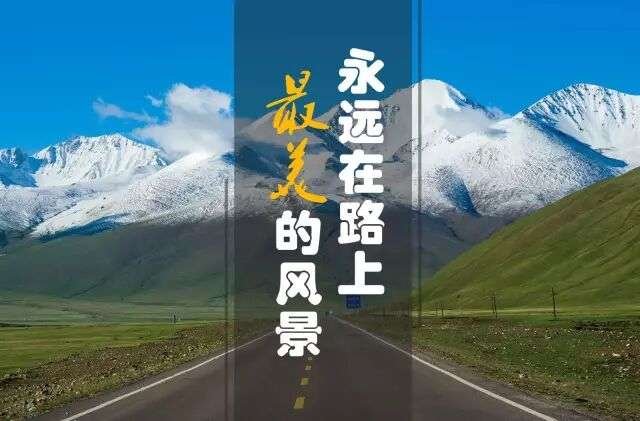
Night Driving and Fatigue on a Xinjiang Road Trip: Staying Alert and Rested
The night drive from Kashgar back to Urumqi taught me respect
In May 2025 I finished business in Kashgar and thought “drive through the night, be at the office tomorrow.” Left at 6 p.m., meaning to grind until dawn. At 2 a.m. at an Aksu service area I dozed off on the steering wheel, not from tiredness exactly but that “eyes open, brain off” haze. A cold sweat later, I slept three hard hours in the lot and left at first light. Since then I keep my own rules on night driving and fatigue, and this piece lays them all out.
Xinjiang is so big that many cannot resist “night driving saves time.” But night driving’s risk is an order of magnitude above daytime. Below, in four blocks: why it is dangerous, how to use lights, how to fight drowsiness, how to plan so you do not have to.
Where Xinjiang night danger hides
Fatigue is the lead killer. Drive 700-800 km by day, keep going at night, reaction speed drops half, and a sudden event (cattle crossing, front car braking) you simply cannot catch. That was me, typical.
Animals crossing. Xinjiang highways at night often carry cattle, sheep, hares, even camels. They do not reflect light; by the time your beam finds them they are close. Especially in pasture sections, I have seen sheep drift across a road at night, nearly hit.
Many trucks, high-beam abuse. Long-haul trucks run Xinjiang nights. A big rig’s high beam blinds a car driver for seconds; those seconds are enough for trouble. And oncoming overloaded trucks are harder to read at night.
Unlit road sections. Many national roads and desert highways have no streetlights, all on your headlights. Speed up and you find an obstacle too late. On bad weather driving we wrote a dedicated rain, snow, and wind driving guide; night plus bad weather doubles danger.
How to use lights is a skill
Switch to low beam before oncoming traffic. Basic manners, basic survival: you keep high beam, the other driver is blinded, and both cars are in danger. I switch to low the moment I see the other car’s lights, however far; do not wait until close.
Use high beam only on empty, unlit straights. But never on curves or hill crests; you cannot know if a car comes over the crest. When an oncoming high beam does not dip, I slow, drift right, look away from their lights, read the road on my own side, never glare back.
Fog lights and hazards in fog, dust, heavy rain: use them so others see you, which matters more than you seeing the road. On speed limits and checkpoints, our speed limits and checkpoints guide covers night speed traps and zones; night speeding especially, a fine is small, losing control is not.
Ways to fight drowsiness, all earned with life
One, stop when tired. Service area, county lot, fuel station, stop the moment you fade. Twenty minutes of real sleep beats a hundred km of forcing it. My car keeps a neck pillow; recline the seat in a lot and sleep.
Two, swap every two hours. If a companion rides, alternate; whoever fades switches at once. Solo, strictly cap daily drive time, do not push.
Three, do not lean on physical stimulation. Coffee, energy drinks hold maybe half an hour, then crash harder. I tried two Red Bulls straight; faster heartbeat, less sleep, worse than stopping. Stop and sleep.
Four, something with a beat. Long stretches I play vocals or strong-rhythm songs; hum when fading, buys ten minutes. But that only “reaches the next stop,” not a solution.
How to plan rest so night driving is not required
My iron rule now: under 600 km a day, find lodging before sunset. Xinjiang summer sunset is after 9:30 p.m., winter before 6 p.m., so summer actually has a long daytime; no need to drive at night. Loosen the plan: play half a day, drive half, reach the county at dusk, eat well, sleep whole, start sharp next day. Far better and far safer than grinding nights.
If night driving is truly forced (catch a flight, emergency), my red lines: no more than two straight hours then a service-area rest; cumulative four hours and you must sleep; after midnight (0-5 a.m.) never touch the wheel, the body’s lowest point, even the tough react dull. On pre-departure checks, our pre-departure checklist says check lights and tire pressure; before a night drive confirm them, a blown bulb you miss by day you learn at night.
Night gear: three things more than daytime
Spare bulbs and fuses. Xinjiang night roads are long; a headlight burns out and you are blind in the dark. My toolbox keeps an H7 and a turn-signal bulb, five minutes to swap.
High-beam flashlight and reflective vest. Break down at midnight, vest and flashlight make you seen. Xinjiang dark has no light; you stand mid-road invisible, a vest saves lives. On breakdown rescue, our roadside assistance guide says night rescue waits longer, so gear up.
Tea, not coffee, healthy snacks. Lotus seeds, cucumber, apple steady you better than coffee. My night drives rely on these, not stimulants.
The Duku and Pamir at night: especially do not
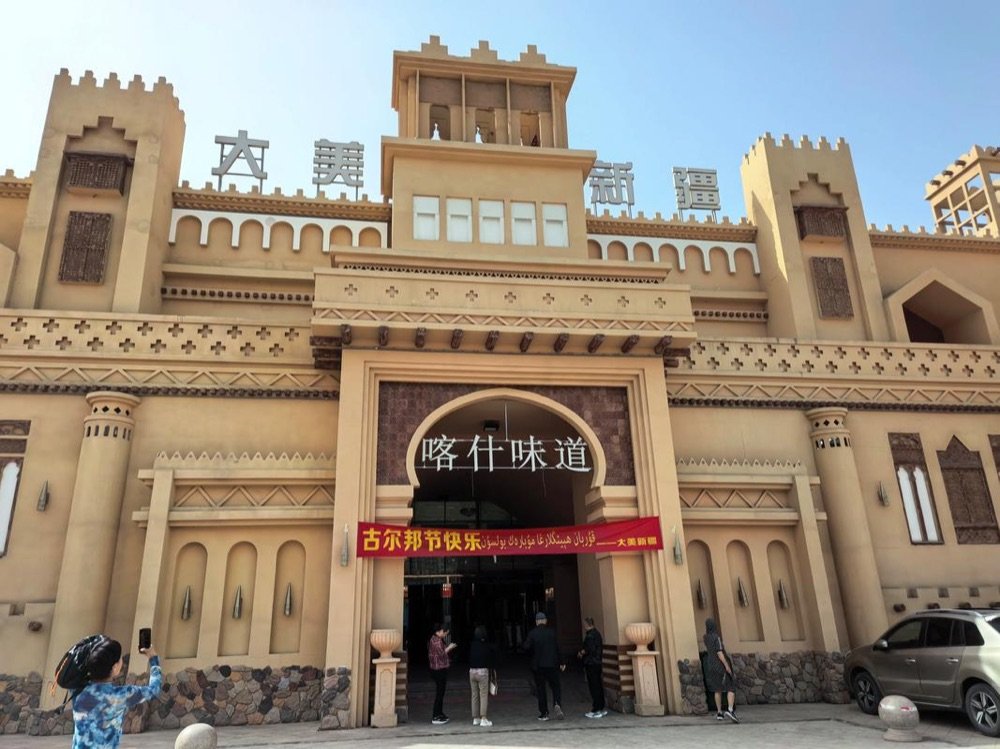
The Duku has many curves, cliff walls near, weather flips fast; at sunset the mountains go black like a lid, plus low temperature and possible rockfall. Night on the Duku is my firm no. Both my Duku runs finished before dark, preferring a town at the pass. The Pamir’s G314 is the same: night cooling plus long descents, many trucks, high risk. On the Duku overall, our strategy repeats: daytime, slow, stop if weather turns.
One scene I will remember for life
Once on the G30 by day I saw a car askew on the shoulder, hazards on, the driver smoking outside the rail, front crushed. Later heard it was the previous night’s drowsiness, rear-ended. No one hurt, but the car half-wrecked. I rolled down the window and asked if he needed help; he waved, “fine, waiting for rescue.” That scene frightened me, what if faster, what if the front car was a child. Since then night driving is about restraint: restrain the urge to rush, restrain the luck in drowsiness. Xinjiang’s night is only the silver river outside the window, not a source of danger, if you respect it.
Navigation at night: offline maps are the floor
Night on strange roads, navigation is the eye. But many Xinjiang night sections have no signal; online nav goes blind. My method: by day download the night’s route offline, do not depend on signal at night. On offline maps and signal, our offline navigation guide is required before night driving; download the whole map. I also mark key service areas and county coordinates by hand, so when tired I navigate straight to “nearest service area” without searching live.
Meeting trucks at night: the survival rule
Xinjiang night roads have many trucks; meeting them is daily bread. My rule: see lights far, dip to low, slow, drift right, look away from their lights; if they do not dip, I do not glare back; before overtaking a big rig, flash twice to signal, confirm the front yields space, then pass, and keep distance before merging back. Never overtake a truck from the right; that is a death zone. These moves work by day too, but at night they must be reflexive.
Seven night-driving rules I tape to the sun visor
One, find lodging before sunset, do not force the night road. Two, under 600 km a day. Three, every two hours into a service area for ten minutes. Four, never drive after midnight. Five, meeting a car dip low and drift right off the lights. Six, spare bulbs, vest, flashlight in the car. Seven, stop the moment you fade; twenty minutes of sleep beats forcing it. These seven are not for the timid; they are for those who want to get home. Xinjiang’s night is beautiful, the galaxy falling, distant mountains silent, but it forgives no luck. May every night drive be only scenery outside the window, not the start of danger. Daylight, then go on.
Navigation and music while night driving
Night on strange roads, offline maps are my eyes. Download the route by day, do not depend on signal. On the offline download and no-signal method, our offline navigation guide must be followed before night driving. Music: long stretches I play vocals or strong rhythm; humming when fading buys ten minutes, but that only “reaches the next stop,” not a solution.
Service-area overnight is part of night driving too. Tired, into the area, recline the seat two hours, safer than forcing. Xinjiang areas are mostly lit and camera-covered, a hundred times safer than the wild. On resupply and stations, our fuel guide marks which stations let you rest.
Night driving and checkpoints: do not add trouble
Passing a checkpoint at night, slow early, window down, documents in hand, do not stop or shoot randomly in the zone. On how to cooperate and which counties need border permits, our speed limits and checkpoints guide is detailed; night especially, do not violate for time, the fine is the same at night.
Winter night driving is worse: icy roads, poor sight. I suggest at first dark in winter find lodging, never night road. On winter driving, the rain, snow, wind driving methods apply at night.
A closing reminder
Night driving, at root, is about restraint. You restrain the rush, you restrain the luck in drowsiness, and Xinjiang’s night is only the silver river and silent mountains, not danger. May every night road be scenery outside the window, not the start of trouble. Daylight, then continue. Safe home is the true end of every trip.