
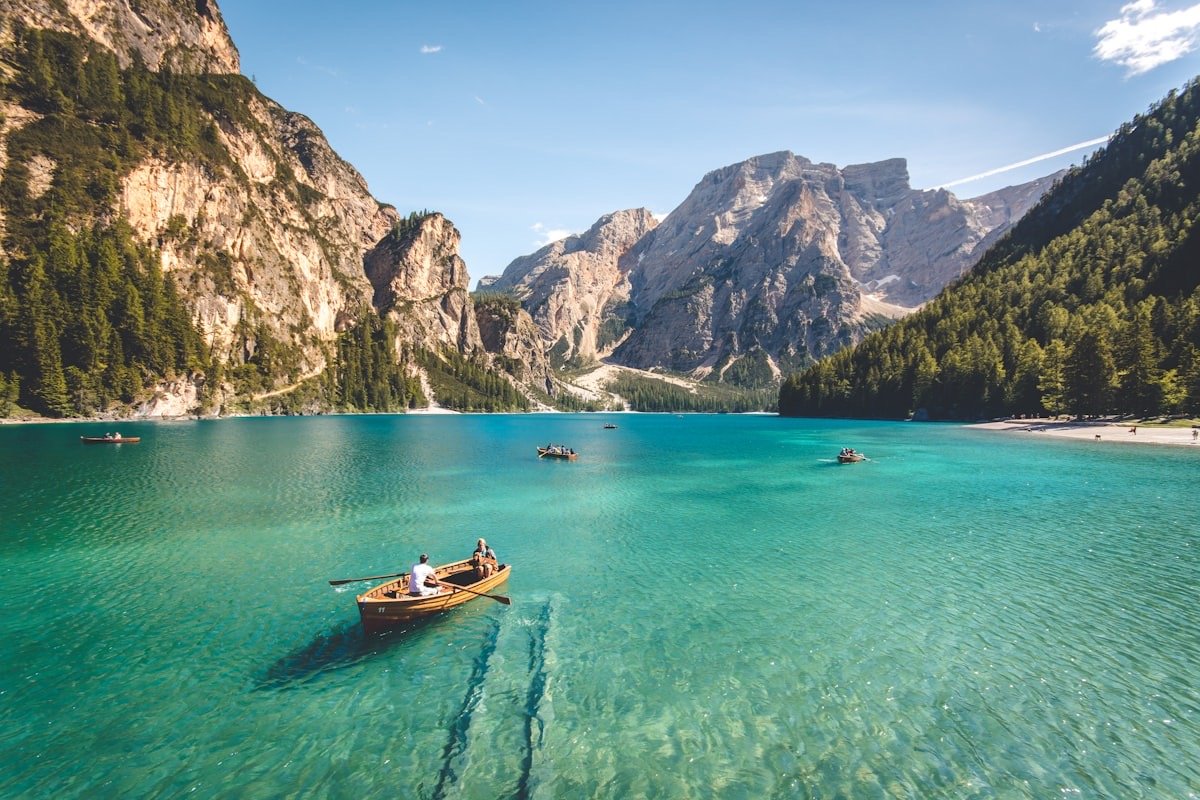
Gongnais Grassland and Xinyuan: The Quieter Side of the Ili Range
Everyone who drives the Ili Valley ends up at Nalati. The shuttle buses, the ticket gates, the car parks full of tour coaches — it is beautiful, and it is busy. I went to Nalati once, paid my entry, and drove another 40 km east to Gongnais, where the same mountains empty into a valley with no gate, no queue, and a river you can walk straight into. That is the place I tell people about now.
Gongnais (gong-nai-si) sits in Xinyuan County, on the road that runs from the Ili floor up toward the Tianshan and the Duku Highway. It is quieter than Nalati for a simple reason: there is no big scenic-area brand here, just a county road, a river, and a band of spruce forest that climbs the hillside in perfect dark-green lines. For a self-driver who has already done the famous meadows, Gongnais is the exhalation after the photo stop.
The drive in
From Yining, take the G218 east through the valley for about 250 km — a four-hour run past vineyards, the Nalati turnoff, and a long climb into cooler air. The road is good the whole way, with the Ili River flickering on your left for the first stretch and the Tianshan walling off the south. I left Yining at 8 a.m., stopped for laghman in a roadside town whose name I never learned, and rolled into Xinyuan with the afternoon light already long.
If you are coming from the Duku instead, Gongnais is the easy half-day before or after the pass. From the Nalati end of the highway it is roughly 50 km east on the G218, and the descent from the alpine grassland into the forested valley is one of the better unhurried drives in the region. Whichever way you approach, fill the tank in Xinyuan — the small stations up the valley are sparse and slow.
The valley and the river
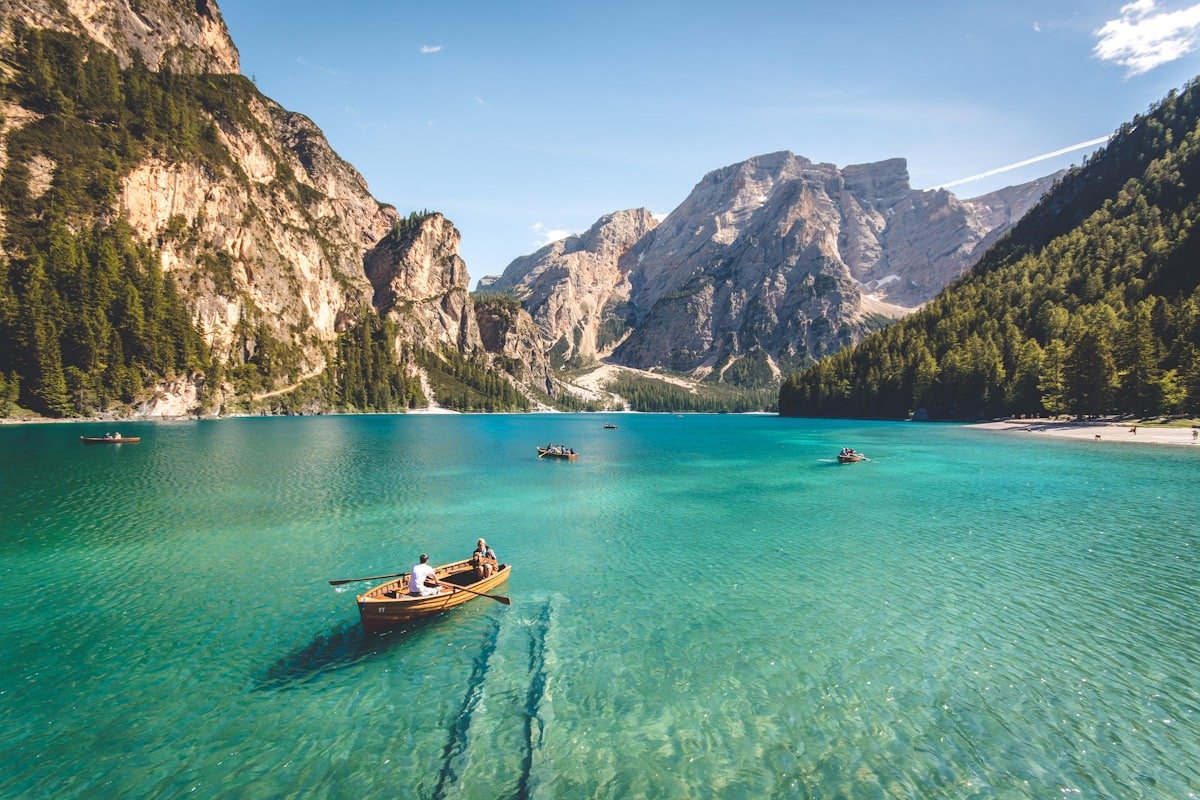
The Gongnais River is a tributary of the Ili, and it gives the place its character. Unlike the broad, lazy Ili, this river is narrow and fast, grey with meltwater in June and clear by September. A gravel track runs alongside it for several kilometres, and you can pull over wherever a gap in the trees allows. I parked one morning, walked down to the water, and watched the mist lift off the spruces in sheets. No ticket, no fence, no one selling anything.
The forest is the other surprise. These are Siberian spruce, the same trees that cover the higher Tianshan, but here they stand in a tidy band up the northern slope, each one a straight dark column. In autumn the grass beneath them goes gold and the contrast is absurd — I took maybe sixty photographs and deleted fifty of them because they all looked the same, which is its own kind of compliment.
Why skip the crowds
Nalati is worth seeing. But the managed scenic area funnels you onto a shuttle and a fixed loop, and by midday the main meadow is a sea of selfie sticks. Gongnais gives you the same mountains with none of the choreography. You set your own pace, you pick your own bend in the river, and if you want a yurt for the night you bargain with the herder directly rather than booking through a website.
I once spent a whole afternoon here doing nothing but reading in the car with the door open, the river loud below me. A Kazakh family camped two hundred metres away waved once and left me alone. That kind of travel — slow, unmanaged, your own — is why I drive instead of joining a tour, and Gongnais is one of the last places in the Ili Valley where it comes easily.
The hot springs
A few kilometres up a side road from the valley floor are the Gongnais hot springs — mineral pools fed by a source in the hills, where locals have soaked for generations. They are basic: concrete basins, wooden changing rooms, and water hot enough that you ease in one foot at a time. I went on a cool September evening and shared the largest pool with three old men who nodded a greeting and then ignored me entirely, which was exactly right. After a day of driving the Duku, there is no better way to unknot your back.
Bring a towel and sandals; the resort sells neither. Entry is a few dozen yuan, cash preferred. I cover the wider picture of soaking after long drives in my hot springs guide.
What to do
– Walk the river track. The flat gravel road is easy walking for any fitness level, and the best light is the first hour after sunrise.
– Hire a horse from a herder. A short ride up the slope costs around 80–100 yuan and gets you above the tree line for a view back down the valley.
– Camp. The valley floor is legal and free to camp on if you leave no trace, and the spruce shelter blocks the wind that whips the open grassland.
– Detour to Xinyuan town for supplies. It is a real county seat with a proper market, hot meals, and a 24-hour fuel station.
Food and stay
Xinyuan has the usual spread of noodle houses and kebab stalls; eat there before you head up the valley, because the forest has nothing but the occasional yurt dairy stand. A bowl of laghman in town ran me 18 yuan and came piled high enough to skip dinner.
For sleeping, you have three choices: a hotel in Xinyuan (comfortable, cheap, forgettable), a yurt with a herder (memorable, cold, basic), or your own tent (free, quiet, weather-dependent). I have done all three; the yurt was the one I remember, mostly because the family’s child insisted on teaching me the word for sheep at 6 a.m. through the felt wall.
When to go
June to September is the season. July and August are lush and busy-ish; September is the sweet spot, with gold grass and empty roads. October can be stunning but cold, and the hot springs close if the pipe freezes. Snow closes the upper valley from late November, reopening around April.
Avoid the week of a major holiday. Even here the county road gets a trickle of domestic tourists, and the small guesthouses fill.
Practical notes for the self-driver
– Watch the river crossings after rain. The gravel track dips through a couple of shallow fords; after a heavy storm they can run deeper than they look. I once waited an hour for the water to drop rather than risk it.
– Park smart. The vehicle-security basics apply: never leave the car unlocked with gear inside, even out here.
– Fuel in Xinyuan. The valley stations are unreliable; start the morning full.
– Tell someone your plan if you camp. Signal is weak once you are off the G218, and a breakdown up the side road is a long walk out.
The quiet alternative
If Nalati is the Ili Valley’s showpiece, Gongnais is its margin — the same beauty, none of the machinery. Drive in slow, leave the itinerary loose, and let the river set your schedule. The Nalati guide will tell you where to stand for the famous photograph; Gongnais will simply let you sit until you stop checking the time. Both are worth your trip. Only one will still be in your head a year later.
A longer walk up the slope
The forest track invites a climb, and the climb repays it. From the valley floor, a fainter path switchbacks up the northern slope through the spruce, and after about twenty minutes the trees thin and the whole Gongnais valley opens below — the river a silver thread, the road a pale line, the far hills blue with distance. I went up one quiet September morning and met a single herder bringing his horses down; we stepped aside, he nodded, and the horses flowed past like a slow river of their own. Higher still, the grass gives way to bare rock and a cold spring that the herders use, ice-cold even in August.
The autumn harvest
In late September the valley fills with the work of the season. Hay is cut and stacked into golden rounds; sheep are moved down from the high pasture before the first snow; the herders’ trucks grind up the track hauling fodder. I watched a family load a pickup with bales for an hour, and when they finished the grandmother pressed a handful of dried apricots into my hand and waved me off. This is the Gongnais most visitors never see, because it happens after the July crowds have gone home — another argument for the shoulder season.
Costs and timing
There is no entry fee for the valley itself. The hot springs cost a few dozen yuan; a yurt stay runs 80 to 120 yuan a night with a meal; Xinyuan hotels are 120 to 200 yuan. Fuel in Xinyuan is normal price. A full day — drive in from Yining, walk the river, soak, eat — costs under 250 yuan beyond your hotel. I would budget a full day rather than a half; the place unfolds slowly, and the best light is the last hour before the sun drops behind the Tianshan.
Planning the Duku around it
Gongnais sits neatly on the eastern approach to the Duku Highway, so I often use it as the night before the pass: a calm valley evening to loosen the spine before the switchbacks. Fill in Xinyuan, sleep in or near the valley, and start the Duku at first light. The combination — a quiet forest night followed by the most famous mountain road in China — is one of the better one-two punches in the Ili region, and Gongnais is the unsung half of it.
Why slower wins
Every itinerary I see rushes the Ili Valley: Nalati at 10, a photo, lunch, on to the next. Gongnais is my argument for the opposite. Give it a morning, walk past the obvious stop, and let the spruce and the river set a pace your watch does not dictate. The Nalati guide will give you the famous meadow; Gongnais gives you the version without the crowd, and the version is better.
The herders’ calendar is the real guide to timing. By early June the valley is still green from the melt but the higher grass is thin; by July it is lush and the tourist buses start running to Nalati; by September the hay is in and the colour turns. I prefer the very end of September, when the crowds are gone and the spruces stand dark against gold grass. One evening that week I walked the river track alone and met an old woman gathering mushrooms along the bank; she showed me three kinds, keeping one and leaving two, and said simply “enough.” That restraint — taking enough, not all — is the grassland’s quiet lesson, and Gongnais teaches it better than any signpost.
I have come back to Gongnais three times now, always in a different season, and it has never repeated itself. The river is the constant; everything around it moves. If you have one afternoon, walk the track and sit where the spruces meet the water. If you have a day, add the hot spring and a yurt meal. If you have the luck to catch a herder willing to talk, trade your plans for theirs — the valley opens differently after that, and the famous meadow up the road suddenly seems a little managed by comparison.