

Artux and Atushi: The Kyrgyz Frontier Fig Town of Southern Xinjiang
The Frontier Town Most Drivers Blow Past
If you fly into Kashgar and head straight for the Pamir, you pass through Artux without a second thought. I made that mistake on my first trip and corrected it on my second, and the correction was worthwhile. Artux, also written Atushi, is the seat of the Kizilsu Kyrgyz Autonomous Prefecture, a place where the road begins to bend toward the mountains and the population shifts toward Kyrgyz and Kazakh herders. It is grittier and less polished than Kashgar, and that is exactly why it is interesting.
Artux sits roughly 40 kilometres north of Kashgar on the G314, the same highway that eventually climbs to the Pamir. It is a functional town, a supply and transport node, not a postcard. But it has two things going for it: a famous fig that ripens in late summer, and a position that makes it the last real town before the mountains tighten the world.
The Drive and Why Artux Exists
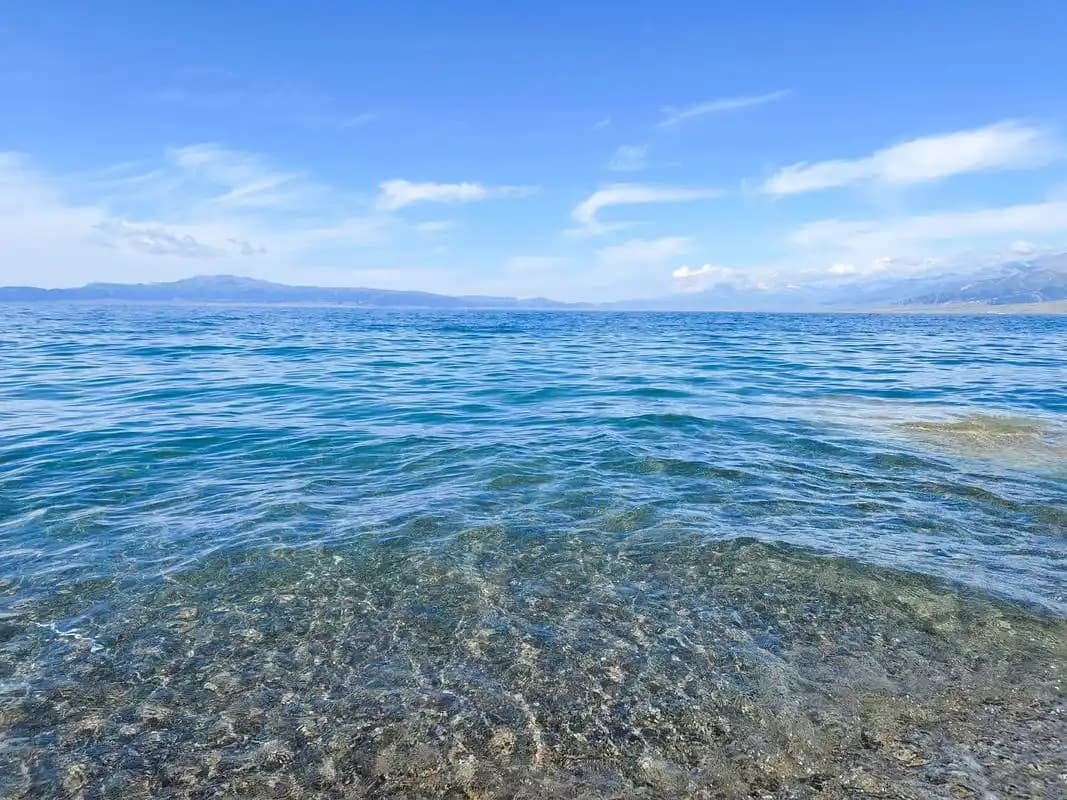
I drove up from Kashgar on a flat, fast road that took about forty minutes. The land is oasis and desert, poplar windbreaks around the fields, and then the grey mountains start to rise on the horizon. Artux marks the point where the Tarim basin begins to give way to the Pamir and Tianshan foothills, which is why it grew into the region’s administrative and trade centre for the Kyrgyz communities spread through the surrounding valleys.
Fill your tank here. Fuel, tyre repair, and the last proper supermarkets before the Pamir are all easier to find in Artux than in the smaller towns further west. I treat it as the last full-service stop on the way to the Pamir plateau, and I always arrive with a near-empty list of supplies and leave with it full.
The Figs and the Local Table
Artux is known across southern Xinjiang for its figs, a fruit that does unusually well in the dry heat here. In August and September the roadside stalls fill with boxes of them, small, dark, and intensely sweet, nothing like the pale imported ones in a Western supermarket. I bought a box for 15 yuan and ate half before I reached the highway. If your trip lines up with the season, this alone justifies the stop.
The wider regional fruit calendar is worth a look before you come, because the south ripens on its own schedule. The fruit seasons guide lays out when melons, grapes, and berries peak across the region, and Artux figs fit neatly into the late-summer window.
A Different Cultural Flavour
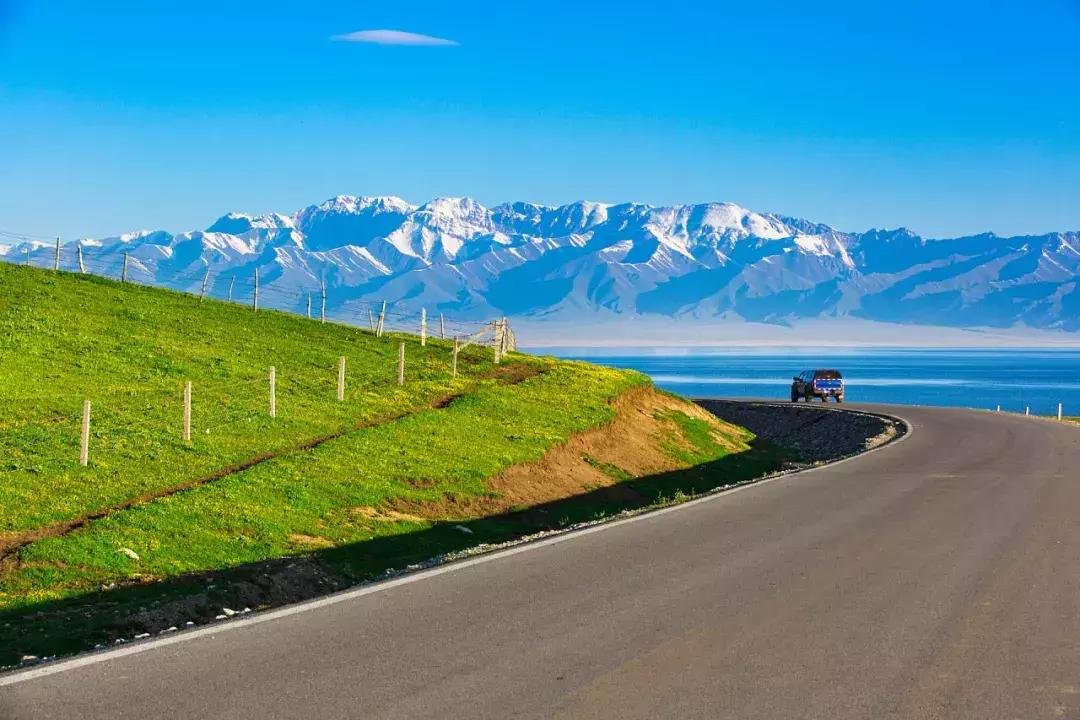
Where Kashgar is overwhelmingly Uyghur, Artux has a visible Kyrgyz presence, and the difference shows in small ways: the felt patterns, the music drifting from a doorway, the faces at the morning market. The Kyrgyz are mountain pastoralists, historically horse and sheep people, and their touch on the town gives it a frontier feel that the oasis cities lack. You will not find a packaged “cultural show” here. You find it in the market at dawn.
The town is also a jump-off point toward the higher valleys and the border regions, which means it carries a heavier security and checkpoint presence than elsewhere. Have your passport and permits ready at the routine stops, and expect the occasional delay. It is part of travelling this corner of the world and not something to resent.
What to Actually Do for a Day
Artux is not a sightseeing town in the monument sense. The pleasures are mundane and good: walk the morning market, eat a long breakfast of naan and tea, buy figs and walnuts, and watch the trucks load for the mountains. There is a mountain gorge to the north, the kind of place locals picnic on weekends, with cold water and shade in summer. I spent a slow morning there with a thermos of tea and a book, and it was the most relaxed hour of a three-week trip.
If you want a bigger water feature, the Bosten Lake to the east is a full day’s drive and a different ecosystem entirely, but Artux itself rewards a half-day of unhurried wandering more than a checklist of stops.
Pairing Artux With the South
Use Artux as a hinge. On the way south toward the Pamir and Tashkurgan, stop here for fuel and figs. On the way back north, use it as the place to decompress and restock before the final push into Kashgar’s old town. The town does not demand a place on your itinerary, but it earns one the moment you treat it as a living place rather than a blur through the windscreen.
When to Visit
Late summer is the headline season for the figs, and the weather is warm but not punishing. Spring brings blossom and cool mornings; autumn colours the poplars and clears the air. Winter is cold and quiet, with some stalls closed, but the mountains behind the town are spectacular after snow. I would aim for August or September and time the market for before nine in the morning.
The Kyrgyz Foothills and a Short Walk
North of Artux the grey mountains open into side valleys where Kyrgyz herders keep sheep and horses through the summer, and a half-day walk or a short drive up one of these valleys rewards you with cold streams, shade, and a view back over the oasis that no city viewpoint offers. I followed a local family partway up a valley one August morning, helped carry a load of fodder I was useless at balancing, and was rewarded with yogurt straight from the bag and a lesson in why the mountains matter more to these communities than the town below.
You do not need a guide for the lower valleys, but you do need to ask before entering private pasture, because the meadows are someone’s livelihood and a strange car disturbing the flock is a real problem. A wave and a few words at the first house you pass usually settles it. The walk is gentle, the air is clean, and the contrast between the green valley floor and the bare peaks above is the kind of picture that sells the trip to everyone back home.
Where to Sleep in Artux
Artux has a workmanlike range of accommodation, from basic county hotels at 120–180 yuan a night to a few newer places near the highway at 250–350 yuan with reliable hot water and, crucially, a card terminal that works. I stayed in a mid-range hotel on the edge of town, parked the car in a lit lot, and slept with the window open to the smell of poplar and diesel. It was not charming, but it was clean, quiet, and a sensible base before the Pamir, where rooms get scarcer and pricier the higher you climb.
Book ahead in the peak months of July and August, because the town fills with domestic travellers and road crews. In the off-season you can often walk in. Either way, treat Artux as a functional stop rather than a destination, and you will be content; the reward for a night here is the easier, better-supplied morning that follows on the road south.
The Fig Season and How Locals Use It
The Artux fig deserves more than a roadside bite, because the locals treat it as a small event. The fruit ripens from late July through September, and during those weeks the roadside stalls multiply and the price drops to almost nothing, a box of the small dark figs for 10–15 yuan. I bought one from a woman who insisted I taste before paying, then sold me two boxes when I did. Eat them the same day if you can; they are delicate and do not travel, which is why you rarely see them far from the tree.
What the locals do with the surplus is the interesting part. Many dry the figs in the sun on flat roofs and reed mats, turning them into a chewy sweet that keeps through the winter, and you can buy these dried ones in any market in the region. Others stew them with a little water and sugar into a compote served cold, or stuff them with walnuts for a snack that pairs the sweet fruit with the bitter nut. I was given a bowl of the stewed version after a long drive and understood, in one spoonful, why the town is proud of its crop.
If your trip lands in the right weeks, make the fig the excuse for the stop rather than the side note. Time your arrival for the morning market, when the just-picked fruit is piled highest and the bargaining is friendliest, and ask the stallholder how they prepare it at home. That single question opened a half-hour conversation that told me more about Artux than the town’s handful of sights, and sent me on my way with a box of dried figs that lasted the rest of the drive south.
Getting to Artux From Kashgar by Bus
If you are not driving, Artux is an easy and cheap day trip from Kashgar by public bus, which leaves the main station roughly every hour and costs around 10–15 yuan each way for the forty-minute run. The bus drops you in the county town, from which the fig stalls and the morning market are a short walk, and the Kyrgyz foothill valleys are a negotiated taxi or shared van away. I took the bus one way and a hired car the other, and the bus was the better people-watch, a cross-section of the prefecture riding to market with bags of produce and sleepy children.
The catch is the return, because the last bus leaves in the late afternoon and the smaller valleys have no regular service at all. Confirm the time when you arrive, build in a cushion, and do not lose track of the hour among the stalls. A phone translation app handles the ticket desk, and the conductors are used to pointing foreigners at the right door. For a town with no monument to speak of, Artux repays the bus ride with exactly what the famous places cannot offer: the ordinary, functioning life of a frontier, watched from a worn seat beside the window.
Why Bother With a Functional Town
The temptation in Xinjiang is to chase the famous names, Kashgar, the lakes, the passes, and skip the working towns in between. Artux taught me otherwise. The figs were better than any I bought in the city, the market was real in a way the tourist bazaars are not, and the sense of being at the edge of the mountains, where the road starts to mean something, stayed with me. If you are driving south, give it a morning. You will arrive in the Pamir having already seen the frontier.