
Turpan’s Raisin Culture: How Xinjiang’s Grapes Become the World’s Sweetest Dried Fruit
I rolled into Turpan in early August 2022 with the air conditioner on full and the thermometer reading 43°C. I had come for one reason: to understand why the raisins from this single basin taste unlike anything I had eaten in Europe or back home. Over five days of driving the Grape Valley road and stepping inside mud-brick drying houses, I found an answer rooted in 2,000 years of growing and 1,500 years of drying.
Why Turpan Grows the Best Grapes
Turpan sits in a closed basin below sea level, ringed by bare mountains that block the rain. The result is extreme heat, almost no rainfall, and cool nights that protect the sugar in the fruit. Grapes here ripen slowly under a sun that bakes the ground but feeds the vines.
The land grows more than 500 grape varieties, from tiny sweet spheres to long pale clusters. Few places on earth pack that range into one small region. For a self drive traveler, the joy is pulling over at a roadside stall and tasting five kinds in ten minutes.
If you are mapping a wider food trip, our Xinjiang dried fruits guide explains what else the region dries and sells, from apricots to melon strips.
The Climate That Makes the Sugar
Daytime heat pushes the sugar up. Nighttime cool keeps the skin from splitting. That swing, repeated through the long Turpan summer, is the quiet engine behind every sweet bunch you will buy at the roadside.
The soil adds the final note. Turpan’s ground carries a light salt that stresses the vines just enough to concentrate flavor in the fruit. Combined with the heat, that stress is why a Turpan grape tastes denser than the same variety grown in a wetter valley. You can taste the difference in the first bite, before you even reach the dried version.
A 2,000 Year Old Vine Tradition
Grape growing in Turpan goes back more than 2,000 years, with vines found in tombs and records from the Han era. The drying craft is more than 1,500 years old, passed down through families who built the first raisin houses by hand. This is not a new industry dressed up for tourists. It is a craft that predates most of the roads you will drive.
The continuity shows in the architecture. The same mud-brick drying rooms that stood centuries ago still stand today, often on the same family plot. When you walk into one, you are stepping into a method that has barely changed across fifty generations.
Farmers here still train the vines over flat trellises called pergolas, a method shown in wall paintings more than a thousand years old. Walking the Grape Valley, you see the same low roofs of vine that travelers described on the Silk Road centuries ago. The shape is practical, giving shade to people and fruit alike through the worst of the afternoon.
Inside a Turpan Raisin House
The raisin house is a small mud-brick building with slatted walls. Grape clusters hang from poles inside, and air moves through the gaps without letting in direct sun. The shade is the whole point, because sun drying burns the color and the taste out of the fruit.
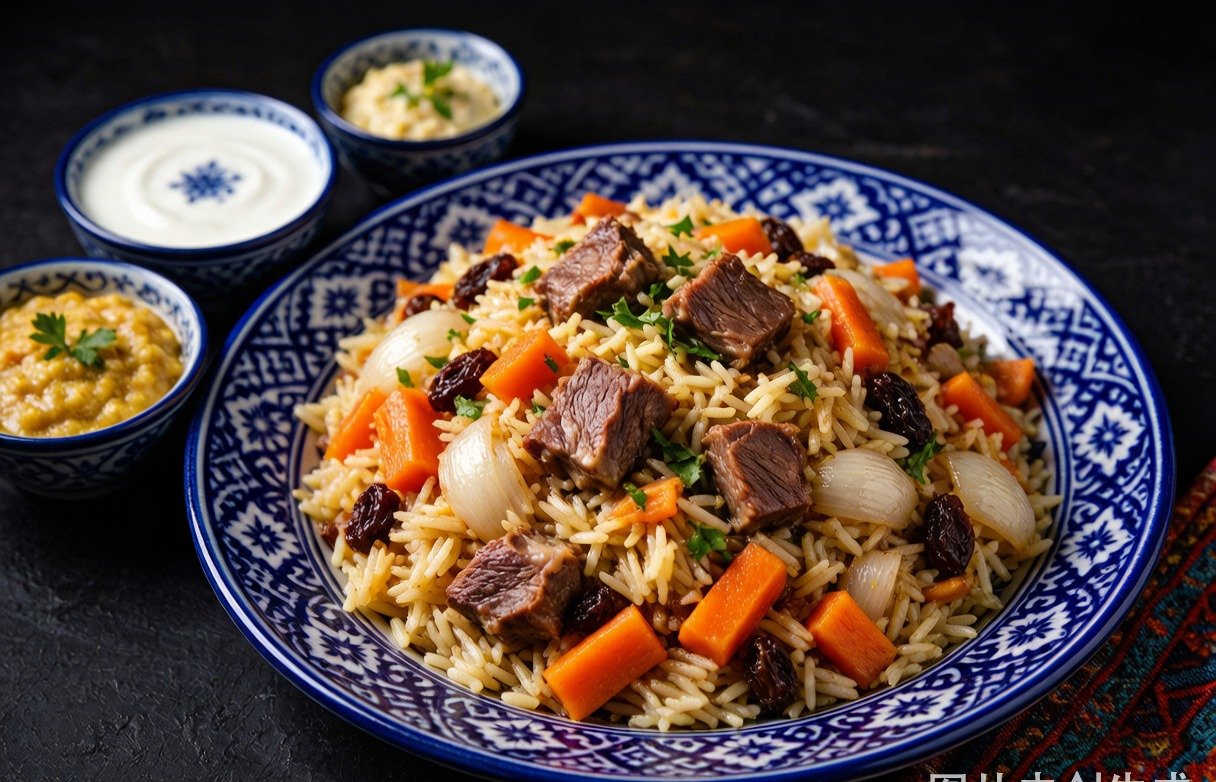
Inside, the air is still and sweet. Rows of green and white grapes dangle from the rafters, shrinking day by day as the wind pulls the water out. I ran my hand near a cluster and felt the dry heat that does the work no oven could match.
The process takes 30 to 40 days of steady wind drying. No heat lamp, no sugar, no preservative. Just still air, shade, and the desert wind moving through the slats. The result keeps the grape’s natural color and a chew that shop raisins lose.
Families stack the clusters in thick ropes rather than loose piles, which lets air reach every grape. The old houses hold thousands of bunches at once, and the floor stays clean and swept because dropped fruit is cleared the same day. I watched a grandmother check each rope by hand, turning the ones near the wall toward the breeze so none dried unevenly.
Why No Direct Sun
Direct sun cooks the fruit and turns it dark and hard. The slatted walls of the raisin house were designed to avoid exactly that. By keeping the grapes in shadow, the builders preserved the pale green and golden tones that Turpan raisins are famous for across China and Central Asia.
The Seedless White and Other Varieties
The seedless white grape, called kishmish locally, is the most common fruit dried in Turpan. It produces the pale, small raisin that travelers know best, sweet without a trace of bitterness. You will see it piled in every market from Turpan to Kashgar.
Other varieties dry into red, black, and golden raisins, each with a different bite. The red ones carry a tart edge, while the golden ones stay soft and mild. Tasting a row of them side by side is the fastest way to learn why Turpan earns its name as the raisin capital.
Most stalls will let you buy a mixed bag if you ask, which is the move for the drive home. I packed one bag of white, one of red, and one of the golden kind, then rationed them across the long road to Hami. The mix kept the snacking interesting and gave me small gifts for the guesthouse owners I met along the way.
Driving From Turpan City to Grape Valley
Grape Valley lies about 10 km from Turpan city center, a short drive that takes twenty minutes in light traffic. The road is paved and easy, and signposts point the way in both languages. I drove it in my rented hatchback without a second thought, though summer heat makes the cabin fierce by midday.
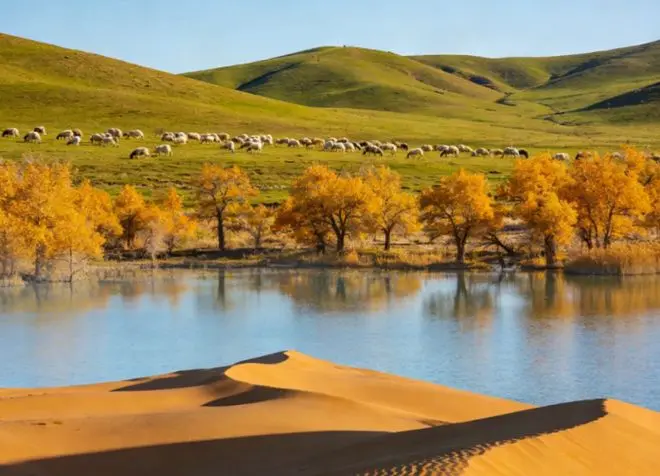
The valley is a shaded green cut through the brown hills, cooled by the karez channels that run under the paths. Walking the lanes between the vine trellises, you pass families selling fresh grapes by the kilogram and dried ones by the bag. It is the most relaxed stop on the whole Turpan loop.
The scenic area asks an entry fee of about 75 RMB and opens early, which is the time to go before the tour buses arrive around ten. Parking is ample but unshaded, so I left the car facing out and cracked the windows wide. A visit needs two to three hours if you want to walk the full lane system and taste at several stalls along the way.
Our Turpan Grape Valley page gives the gate details, the best entry points, and how to pair the visit with the rest of the basin.
The Karez System That Feeds the Vines
The vines survive the desert because of the karez, an underground irrigation network that carries snowmelt from the mountains to the fields. Hundreds of kilometers of tunnels link wells and channels, delivering water without losing it to evaporation. It is one of the great engineering works of the Silk Road, and Turpan could not grow a single grape without it.
You can walk a section of the karez and see the cool water moving through stone-lined passages. The system feeds Grape Valley directly, which is why the vines stay lush while the hills outside stay bare. Our Grape Valley karez system guide explains the layout and the best spot to see it working.
The genius of the karez is its stealth. Because the water runs underground, almost none evaporates in the furnace of a Turpan afternoon, a saving that open canals could never match. Standing at a vent, you feel cool air rise from the dark while the ground around you shimmers. It is the reason Grape Valley stays green while everything else bakes to dust.
Buying Raisins by the Jin
In Turpan markets, raisins sell by the jin, a local unit equal to 500 grams. Prices in August 2022 ran from about 15 to 40 RMB per jin depending on the variety and quality. The seedless white sat at the lower end, while the rare red and golden kinds climbed toward the top of the range.
Taste before you buy, always. A good stall will hand you a sample without being asked, and the difference between a fresh batch and a stale one is obvious on the tongue. I filled three resealable bags for the long drive north and they held up perfectly.
If you want to compare regions, our Xinjiang fruit seasons guide maps where and when the rest of the harvest peaks, from Hami melons to Ili berries.
Best Time to Visit, August to October
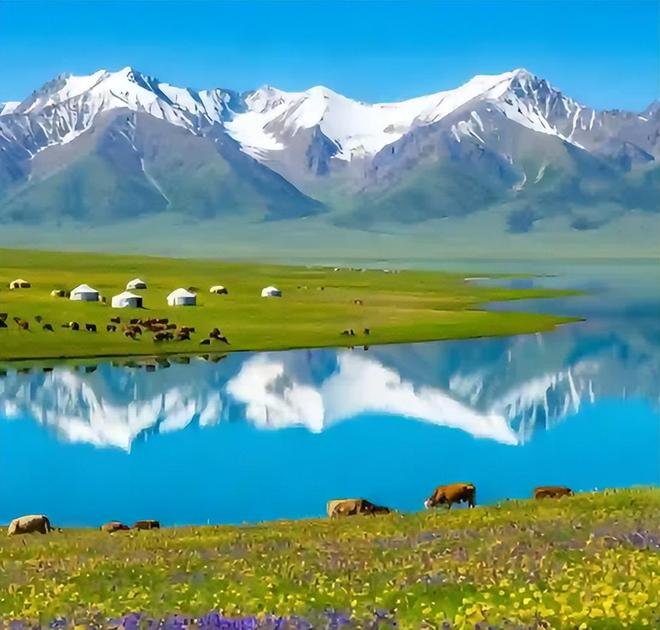
The harvest window runs from August to October, with August and September the richest months for both fresh grapes and new raisins. I went in early August 2022 and caught the first dried batches of the year alongside tables of fresh fruit. October is quieter and cooler, good if you hate the heat.
Plan for the temperature. August in Turpan can pass 40°C, and the Grape Valley offers shade but the parking lots do not. I carried four liters of water per day and still finished each drive thirsty. Start early, park in shade, and keep the engine running long enough to cool the cabin before you get back in.
Weekdays beat weekends for the valley, since local families from Urumqi flood in on Saturday and Sunday. If your schedule bends, aim for a Tuesday or Wednesday in late August, when the fresh grapes peak and the first raisins of the season are still on the racks. The light in the late afternoon turns the green canopy to gold and the crowds thin out.
Combine Grape Valley With Jiaohe Ruins
The Jiaohe ruins sit about 10 km from Turpan city on a flat clay plateau between two rivers. The site is an ancient mud city, and its walls were built from the same earth that lines the raisin houses. Pairing the ruins with Grape Valley makes a full day that connects the old trade hub with the food it left behind.
I drove from the ruins to the valley in under half an hour and ate lunch under the vines afterward. The contrast is the point: one stop shows you how people built and defended, the other shows you how they fed themselves through a harsh climate.
Driving Tips for the Turpan Heat
Turpan in summer is a test for both car and driver. Check tire pressure before long desert drives, because heat expands the air and raises the blowout risk on empty roads. Keep the fuel tank above half, since the nearest station can be far when you stray from the main loop.
The wine side of the region is worth a detour if you have an extra day. Our Turpan wine country guide maps the cellar stops and the quiet roads between them, best saved for the cooler evening hours.
Carry a paper map as backup, because the signal thins on the empty roads east of the basin. I also kept a charged power bank in the glove box, since a dead phone in 43°C heat is no joke. Fill every bottle you own at the hotel, because the desert between Turpan and the next oasis gives nothing away for free.
Give yourself three full days in the basin. One for Grape Valley and the karez, one for Jiaohe and the city markets, and one for the slow drive out toward the vineyards. Turpan rewards travelers who slow down, and the raisins taste better when you have earned them with a little desert heat.