Xinjiang Sea Buckthorn and Wild Berries: A Sour Northern Health Drink
The Orange Thorn That Heals
Sea buckthorn is a low, vicious, orange-berried shrub that grows along the cold rivers of northern Xinjiang, and it produces the most useful sour juice I have tasted in the region. I first met it as a ¥8 cup at a roadside stop near the Bortala valley in September 2021, served by a woman who said, in Mandarin I parsed slowly, that it would fix my throat after two days of dusty driving. It was sour enough to make my eyes water, then sweet, then I wanted another, the kind of drink that argues with you and wins, and I bought a second before the car had cooled.
This is a food-and-health theme worth a detour, especially in autumn when the berries ripen and the bushes blaze along the riverbanks, a color so bright it reads as artificial until you taste the fruit and understand the plant is simply loud about everything it does.
Where It Grows
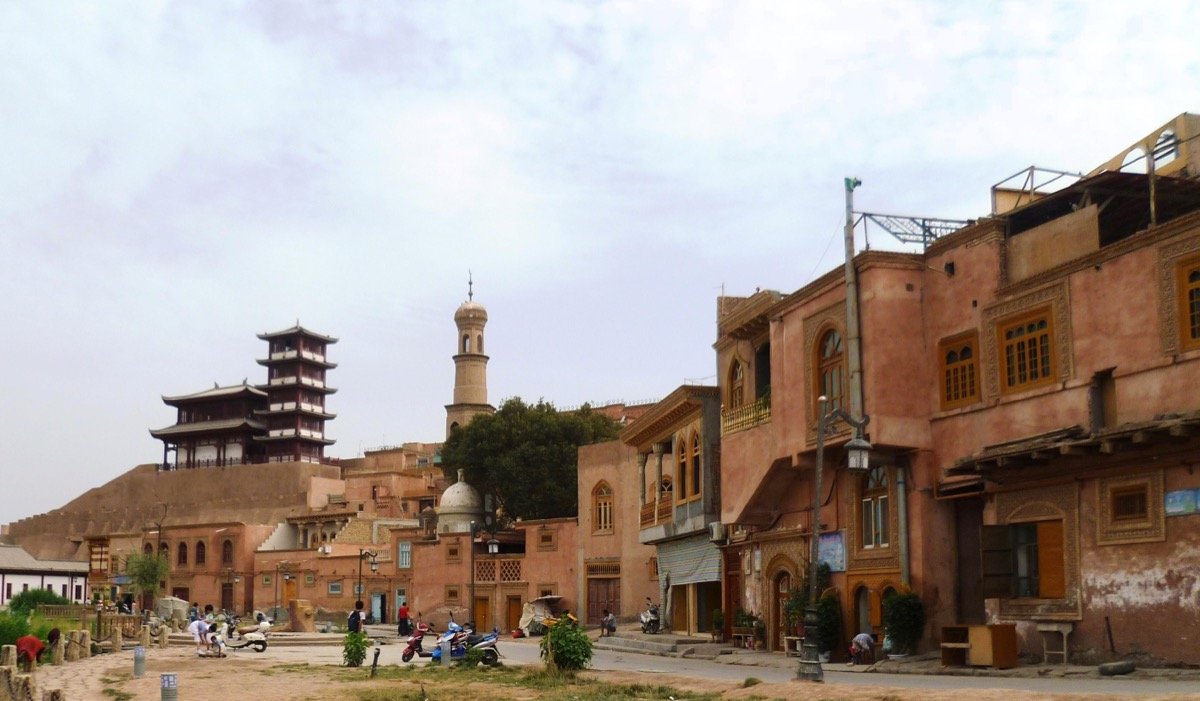
Sea buckthorn likes cold, fast, clean water, so it clusters along the Ili, Bortala, and Tianshan foothill streams, a hedgerow the length of the north. The fruit seasons guide lists the harvest window as August to October, and the Bortala and Jinghe belts are the easiest to reach from Urumqi or Yining, a short run off the main roads. I picked my own once at a farm near Bole, gloves mandatory, because the thorns are honest and the berry hides under the leaves exactly where your hand does not want to go.
The berry is sour fresh and turns mellow when cooked into syrup or fermented, a transformation I watched at a farm where the press ran all afternoon and the air went from sharp to sweet by the hour. Locals swear by it for coughs, and while I am not a doctor, the vitamin C content is real and the taste is unforgettable, a sour that cleans the roof of your mouth and a sweet that follows like an apology.
What to Drink and Eat
The standard is sea buckthorn juice, sold in cartons at every northern market for ¥5–8, and a thicker “original pulp” for ¥12–15 that you cut with water or yogurt. At farms you get it fresh-pressed, ¥10 a cup, sometimes cut with pear to take the edge off for children and soft foreigners like me. The dairy and drinks guide pairs it well with the region’s yogurt and kumiss if you want a full tasting board, the sour berry against the sour milk in a combination that should not work and does.
Cooks fold it into a tart sauce for fish, into jam, and into a bright orange ice pop that I bought from a cart in Yining and finished before I reached the corner, the cold sharpening the sour into something like a sorbet with attitude. The Tianshan black-bee honey guide covers the other wild sweet of the north, and the two together make a good pantry run, the honey for the bread and the berry for the throat, a pharmacy you can eat.
Building the Stop
From Yining, drive the Bortala road toward Sayram and you will pass buckthorn thickets the whole way; the Bortala guide maps the route, a run that ends at a blue lake and starts with an orange bush, the best kind of drive. From Urumqi, the Jinghe belt is a shorter run and doubles as a goji stop, two berries in one loop if the season lines up. Carry water and a bag; the syrup bottles are glass and the roads are bumpy, and a broken bottle in the footwell is a stain you will remember.
For snacks on the drive, the road-food guide lists what else to grab at the service areas so you are not living on the berry alone, good as it is, and the northern stops do a dried beef that pairs with the sour in a way the south’s lamb does not.
A Word on the Thorns
If you forage, wear leather gloves and long sleeves. The shrub is a foot-tall wall of needles, and the berry hides under the leaves exactly where your hand does not want to go, a plant that protects its fruit the way the desert protects everything. I came home from one picking session with seven small punctures and a kilo of fruit, which felt like a fair trade, and the juice from that kilo outlasted the scratches by a week.
When to Go
Late August to mid-October is the berry; the bushes also turn a fine orange-red in early autumn even before harvest, so the riverside drive is pretty from September, the thickets glowing against the green of the willows. The Hami melon guide covers the same season’s other northern fruit if you want to extend the loop, and the two together fill a cooler and a day.
Costs and Logistics
A cup of fresh juice is ¥8–12, a kilo of berries ¥20–30, a jar of pulp ¥25, and a farm visit is free if you ask. The northern roads are good; the only cost is the gloves you will wish you brought. Signal holds along the valleys; the thickets are never far from a town. Go in the morning before the farm presses close and the best berries go to the cart, because the early picker gets the sour and the late picker gets the seconds.
My Take
Sea buckthorn is the sour surprise of northern Xinjiang, a free roadside medicine that tastes like the cold river it grows beside. Buy the juice, pick a few, and let the thorns remind you it is wild, because nothing this good on a desert edge comes without a small price. Of all the things I drank on the road, this is the one I went back for, and the only one I have tried, badly, to grow at home, the plant dying in a London flat while the memory of the Bortala kept its color.
A Practical Picking Morning
Gloves first. The shrub is a wall of needles and the berry hides under the leaves where your hand does not want to go, so leather gloves and long sleeves are the difference between a kilo and seven punctures, a trade I made once and will not make twice. I picked at a Bole farm in September, the berries fat and the thorns honest, and came home with fruit and a story, the scratches fading before the juice did, the sour outlasting the sting by a week.
Go early; the farm presses close and the best berries go to the cart by noon, so the early picker gets the sour and the late picker gets the seconds. Carry a bag, because the syrup bottles are glass and the roads bumpy, and a broken bottle in the footwell is a stain you will remember longer than the drink. The Bortala guide maps the road, a run that ends at a blue lake and starts with an orange bush, the best kind of drive, the kind where the destination is the excuse.
What the Berry Taught Me
Sea buckthorn reframed the north. I had come for the lakes and the peaks, and found the riverside thorn the louder medicine, a free roadside cure that tastes like the cold river it grows beside. The fruit seasons guide times the harvest; the berry is the part the guide under-sells, and the part I now stop for, pulling over at every thicket between Yining and Sayram, the orange worth more than the blue behind it.
How to Build the Northern Berry Loop
From Yining, the Bortala road gives buckthorn the whole way; from Urumqi, the Jinghe belt doubles as a goji stop, two berries in one run if the season lines up. I did the Bortala side and paired it with the black-bee honey guide for the other wild sweet, a pantry run of bark and gold that outlasted the trip. The road-food guide lists the dried beef that pairs with the sour, a northern combination the south’s lamb cannot match, the kind of snack a cold river earns.
What I Wish I Had Known
Buy the pulp, not just the juice; the thick original pulp cut with yogurt is the drink worth the jar, and the carton juice is the tourist version of the same berry. And do not try to grow it at home; the plant died in my flat within a month, the desert edge impossible to fake in a London window, and the only way back to the sour is the road, which is the point of going, the berry refusing to be a souvenir and insisting on being a place.
A Note on the Drink
The fresh-pressed cup at the farm is ¥10 and cut with pear for the soft foreigner; take it straight if you want the real sour, the kind that cleans the roof of your mouth and follows with a sweet like an apology. I took it straight on the second visit and understood the first, and the pear is a kindness you can refuse, a softening the berry does not need and the traveler learns to skip.
The Sour I Went Back For
Sea buckthorn is the sour surprise of northern Xinjiang, a free roadside medicine that tastes like the cold river it grows beside, and the more I run the north the more I time the Bortala road to the berry rather than the lake. Buy the juice, pick a few, and let the thorns remind you it is wild, because nothing this good on a desert edge comes without a small price, the puncture and the scratch and the early start that the sweet demands. Of all the things I drank on the road, this is the one I went back for, and the only one I tried, badly, to grow at home, the plant dying in a flat while the memory kept its color and the sour kept its edge in my mouth for hours after the cup.
The berry refuses to be a souvenir and insists on being a place, and the only way back to the sour is the road, which is the point of going. Pair it with the honey and the dried beef, fill the cooler, and run the valley once for the peaks and once for the thorn, because the north is two trips dressed as one, and the second trip is the better drink. The river keeps the berry; the traveler keeps the memory; and the memory outlasts the stain on the footwell, which is the right order of things, the taste before the mess, the place before the bottle, the wild before the shelf, a hierarchy the basin teaches if you slow for it.
I now plan the Bortala run for September, when the berries fatten and the presses start, and I skip the lake if the light is flat, because the orange beats the blue on a dull day, a heresy the valley guides will not print but the palate confirms. The thorn is the wonder; the lakes are the backdrop; and the traveler who learns the order comes home with the better story, the sour one that cleans the roof of the mouth and the memory of the drive, which is the only cleanse the north really offers, and the only one worth the gloves and the early hour and the scratch that fades before the juice does, leaving the sour behind as the souvenir.