
Xinjiang Hotel Prices in 2026: What to Budget for a Room, Yurt or Guesthouse
The single biggest variable in any Xinjiang road trip budget is not fuel or food. It is where you lay your head at night, and the gap between the cheapest bed and a lakeside suite can be wider than the distance between two cities. After four separate self-drive trips covering the north and south, I have learned to budget accommodation as its own line item, because the region swings harder between seasons than almost anywhere else I have driven.
The Shape of Xinjiang Room Prices
Xinjiang does not have a flat price ladder you can climb from cheap to fancy. It has two entirely different markets that overlap in the same town. The first is the year-round baseline: ordinary city hotels, guesthouses and hostels that serve locals and business travelers. The second is the scenic-area premium, charged to tourists who want to wake up inside a national park or beside a lake.
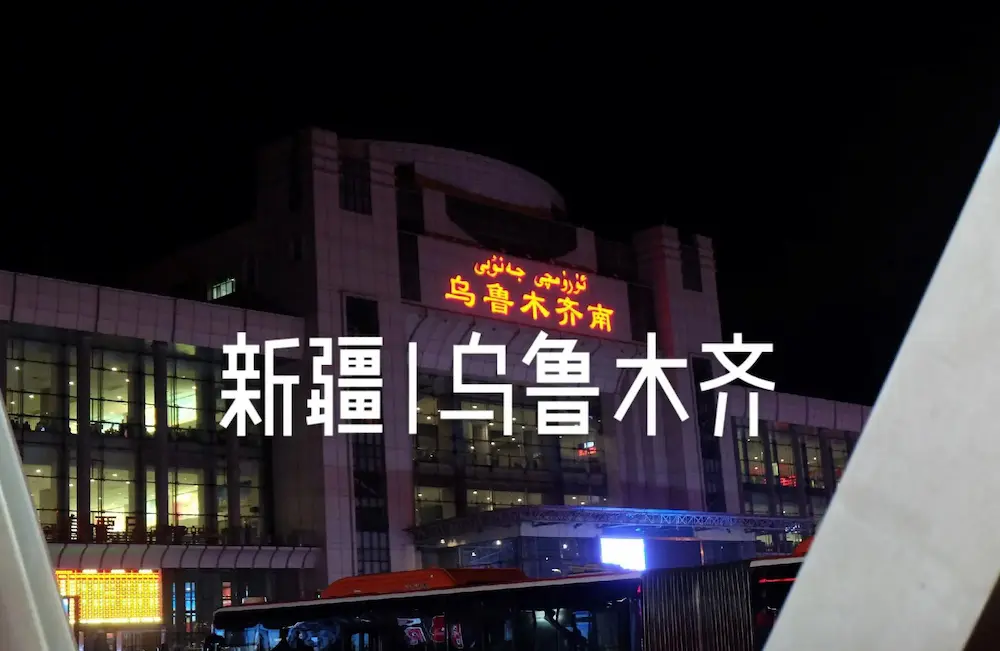
In Urumqi, Yining and Kashgar, you can book a clean, modern chain hotel room with private bath for ¥260 to ¥380 a night in the low season. That same room jumps to ¥480 or more during the July and August peak, and occasionally doubles during the October National Day holiday week. The pattern holds everywhere there is pavement and a train station.
The scenic areas are where the rules break. A standard room in a mid-range hotel an hour outside Sayram Lake might cost ¥320 in May but ¥900 in July. I once paid ¥1,100 for a wooden cabin near Kanas in early August, then returned in late September and found the identical cabin at ¥420. The lake did not change. The calendar did.
City Hotels: The Reliable Baseline
If you are starting or ending a loop in a regional capital, plan on a predictable range. Urumqi has the widest selection, from ¥180 budget towers near the long-distance bus station to ¥1,200 international-brand properties downtown. For a self-driver, the practical sweet spot is a ¥300 to ¥450 four-star with free parking and a 24-hour lobby, because you will often arrive after midnight from a long desert crossing.
Kashgar is a different animal. The old town has restored courtyard guesthouses that start around ¥320 and climb to ¥700 for a room with a rooftop view of the mosques. I stayed in one in April for ¥360 and loved the morning call of street vendors below my window. By June the same room was quoted at ¥620. Book early if you want the old-town experience in peak months, since the inventory is small and the demand is steady.
Kuqa and Aksu on the southern route follow the city baseline closely, usually ¥220 to ¥360 for a solid mid-range room. These are transit towns more than destinations, so the pricing stays calm even in summer. Do not overpay for a fancy lobby here; spend the savings on the road ahead.
Yurts and Lakeside Stays
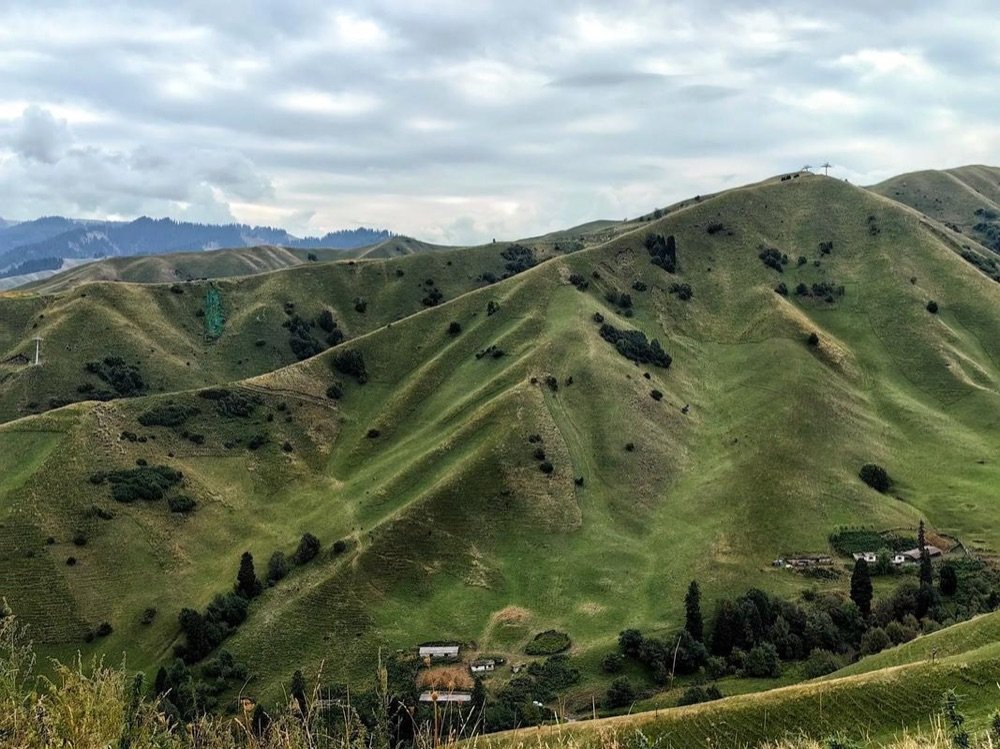
The experience most foreign drivers remember is sleeping in a yurt beside a grassland or lake. Prices are seasonal and blunt. Near Nalati and the Ili grasslands, a basic felt yurt with shared bath runs ¥200 to ¥350 per night in June and July. A larger yurt with a private toilet and heating can reach ¥500. I stayed in a yurt near Nalati in June for ¥280, and the host brought fresh milk tea to the door at sunrise.
At Sayram Lake the setup is more developed, with insulated cabins and permanent yurt camps strung along the shore road. Off-season (April, May, late September) you can find a heated cabin for ¥400. In July and August, lakeside yurts often sell out at ¥800 to ¥1,200, and some operators require a two-night minimum. The view is staggering, but you pay for the privilege of waking up where the water meets the mountains.
Kanas and Hemu village are the extreme end. These are managed scenic zones with fixed accommodation tiers set by the operating company, and prices are posted rather than negotiated. A standard Hemu wooden lodge runs ¥600 to ¥1,000 in peak season and can drop to ¥300 in the shoulder months. The famous sunrise viewpoint lodges cost more, and they are worth it only if photography is your main goal.
One practical note: many yurt and grassland stays have no reliable heating before mid-May or after early October. If you book a basic felt yurt in the shoulder season, pack a real sleeping bag. I learned this the hard way near Bayinbuluke in late September, when the night temperature dropped below freezing and the single stove could not keep up.
Guesthouses and Village Homestays
Away from the big scenic brands, the heart of local accommodation is the family guesthouse. These range from a spare room in a village home to a purpose-built courtyard with a garden and a shared kitchen. Typical prices run ¥150 to ¥300 a night, sometimes with breakfast included.
I have stayed in village guesthouses outside Tashkurgan, in the Pamir foothills, for ¥180 with a home-cooked dinner offered at ¥40 extra. The beds were firm, the walls were thin, and the host’s daughter practiced English with me over walnuts and tea. For the self-drive traveler who wants to meet people rather than conference with a front desk, this is the best value in the region. If you want to understand the booking and etiquette side, the village homestay guide lays out where to look and what to expect.
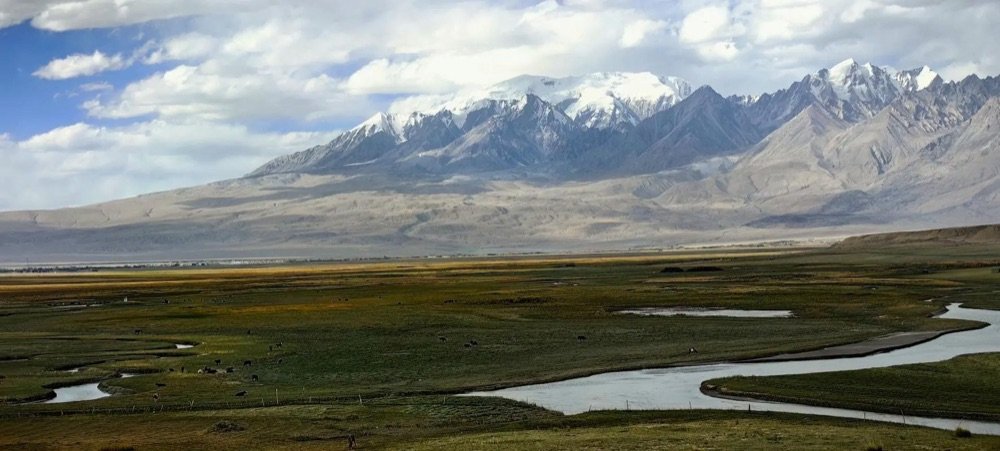
Homestays near the southern edge of the Taklimakan tend to be the cheapest, partly because the tourist flow is lighter. Expect ¥120 to ¥220 for a clean room with a courtyard. The trade-off is that English signage is rare, so have your destination saved as a map pin and a photo of the address on your phone.
Hostels and Budget Dorms
Xinjiang is not a backpacker hub on the scale of Southeast Asia, but the major travel hubs do have dorms. Urumqi, Kashgar and Yining each have a handful of foreigner-friendly hostels with beds from ¥60 to ¥110 a night. Private rooms in the same buildings run ¥160 to ¥260.
I used a Kashgar hostel as a base for three nights while sorting out my Pamir permit, and the dorm gave me both a cheap bed and a notice board full of drivers looking to share a car north. If you are solo and want to meet other travelers, the budget hostel guide points to the reliable ones and flags which neighborhoods to avoid after dark.
Why the Season Swings So Hard
The reason Xinjiang prices lurch is simple: the profitable window is short. Most scenic areas are only fully open from May through early October. Operators compress a year of income into five months, so they charge accordingly when the roads are clear. The Duku Highway, for example, typically opens in early June and closes by early October, and every guesthouse along it prices its season around those dates.
Shoulder months are the sweet spot. I have found May and late September to be the best combination of open roads, decent weather and sane prices, with rooms often 40 to 60 percent below the August peak. The yurt stays guide is worth reading before you commit, because it explains which camps open early and which wait for the full summer crowd.
Booking Realities for Foreign Drivers
Most mid-range and upscale hotels in China require a passport at check-in, and a few properties in sensitive border areas are officially restricted to domestic guests. This is rare but real near the Pamir and some frontier towns. I carry a saved PDF of my passport and a backup booking confirmation, and I avoid relying on walk-in availability in July and August.
Domestic platforms list more inventory than international ones, but they often need a local phone number. The workaround I use is to book the first and last nights of a trip through a site I can access from home, then confirm mid-route stays by calling or through a local contact. For the scenic zones, booking direct by phone is sometimes the only option, since the operating companies do not always sync with foreign-facing systems.
A Worked Daily Budget
To make the numbers concrete, here is a realistic per-night average for a two-week self-drive loop in peak season: four nights in city hotels at ¥450, four nights in scenic or yurt stays at ¥750, and six nights in village guesthouses or hostels at ¥220. That averages roughly ¥460 a night, or about ¥6,440 for the two weeks. In the shoulder season the same route drops to around ¥280 a night, saving you over ¥2,500 without changing the map.
Accommodation is the lever that moves your total trip cost the most, which is why I always plan it before fuel and food. If you want the full breakdown with fuel, food and park tickets, the daily budget guide builds the complete picture, and the 2026 budget travel guide shows where the money really goes across a typical northern or southern route.
Common Price Traps to Avoid
The first trap is the “lake view” label. In scenic zones, half the rooms branded with a view are actually a few hundred meters from the water, behind a treeline or a parking lot. I now ask the exact walking distance to the shore before booking, because a ¥900 “view” room that faces a tour bus depot is a bad deal. Photos on listing sites are often taken from the one corner of the property with a sightline, not from your window.
The second is the holiday-week spike. The October National Day week and the main summer weekends see the steepest jumps, sometimes triple the baseline, and many properties switch to non-refundable terms. If your trip overlaps these dates, lock rooms four to six weeks ahead. The winter and shoulder months have no such cliff, which is one more reason I steer visitors toward them.
The third is the all-in resort upsell. Some grassland and lakeside complexes bundle a room with a mandatory entry ticket or a set dinner. The bundle can be fair if you wanted both anyway, but it hides the true room cost and complicates comparison. I price the room alone in my head before I accept any package, and I walk away when the math does not add up.
Practical Tips I Wish I Had Earlier
First, treat parking as a filter. Many old-town guesthouses in Kashgar have no car access, and you may need to haul bags through pedestrian lanes. I now call ahead and ask about vehicle access before I book anything inside a walled old town.
Second, watch the heating calendar. A ¥200 room in October without heat is worse than a ¥350 room with it, especially in the mountains. Ask specifically whether central heating is on, because the posted season may not match the weather.
Third, pay attention to cancellation terms. Scenic-area lodging often has strict no-refund policies during peak weeks, while city hotels are usually flexible. I keep a spreadsheet of check-in dates, prices and cancellation deadlines so a changed road plan does not turn into a lost deposit.
Xinjiang rewards the traveler who plans lodging around the season rather than the other way around. Pick your months, set a per-night ceiling that fits your style, and the open roads will take care of the rest.