
Best Time to Visit Kashgar: When the Old Town and the Pamir Shine
Kashgar Is Not One Place All Year. Here Is When to Go
Kashgar, in the far southwest of Xinjiang, is the gateway to the Pamir Plateau and the most distinct city in the region. Its old town, its Sunday livestock market, and its access to the high mountains make it unlike anywhere else I drove. But the timing matters more here than almost anywhere else in Xinjiang, because the difference between April and July in Kashgar is the difference between a green oasis and a 40-Celsius furnace. I have been four times, in April, June, August, and October, and this is what I tell people.
Spring (March to April): The Quiet Sweet Spot
Spring is my favourite time in Kashgar. By late March the apricot trees around the oasis begin to bloom, and through April the whole valley goes soft pink and green. Temperatures sit around 12-25 Celsius, perfect for walking the old town for hours. I went in early April 2024 and spent a morning in the old town with the light low and golden, the alleys quiet, and the bakeries pumping out fresh naan. Crowds were light; the summer tour groups had not arrived. The one risk is the occasional sandstorm blowing in from the Taklamakan, which can grey the sky for a day. Pack a scarf.
For the wider spring picture beyond the city, my April blossom guide and the longer spring travel itinerary cover the apricot routes through the Ili and Kashgar oases.
Summer (June to August): Hot, Busy, but Green
Summer is when Kashgar is at its most alive and its most punishing. Daytime heat in July and August regularly hits 35-40 Celsius, and the Pamir road to Tashkurgan is glorious but the city itself is a furnace by midday. I went in August once and learned to do everything before 11:00 and after 19:00. The upside is the Pamir: the Karakul Lake road is open, the snow peaks are clear, and the Kashgar to Tashkurgan day trip is at its best. If you come in summer, treat the city as a morning-and-evening place and spend the hot middle on the mountain road.
Autumn (September to October): The Second Sweet Spot
September and early October are excellent. The heat breaks, the sky is the famous Xinjiang blue, and the Pamir is still open. This is peak for the old-town food streets, which are busy but not unpleasant in the cooler evenings. I rate September slightly above April for first-time visitors because the mountain passes are most reliable and the light is clean. October after the National Day holiday (post October 7) is calm and cheap again.
Winter (November to February): Cold, Quiet, Limited
Winter in Kashgar is cold but not savage like the Altai, usually minus 5 to 8 Celsius. The old town stays open and the Sunday market still runs, which is a genuine treat with almost no tourists. But the Pamir road to Tashkurgan can close on snow, and some mountain guesthouses shut. I would not plan a winter Kashgar trip around the high plateau; keep it to the city and the oasis.
Month-by-Month Summary
- March: Cool, blooming begins, very few people. Good.
- April: Apricot blossom, mild, my top pick. Book ahead for the weekend.
- May: Warm, green, still calm before the summer surge.
- June-August: Very hot midday; Pamir excellent; go early and late.
- September: Best all-round month. Blue skies, open passes.
- October: Great early, busy during National Day, calm after.
- Nov-Feb: Cold, empty, Pamir unreliable. City-only.
The Pamir Makes the Timing Harder
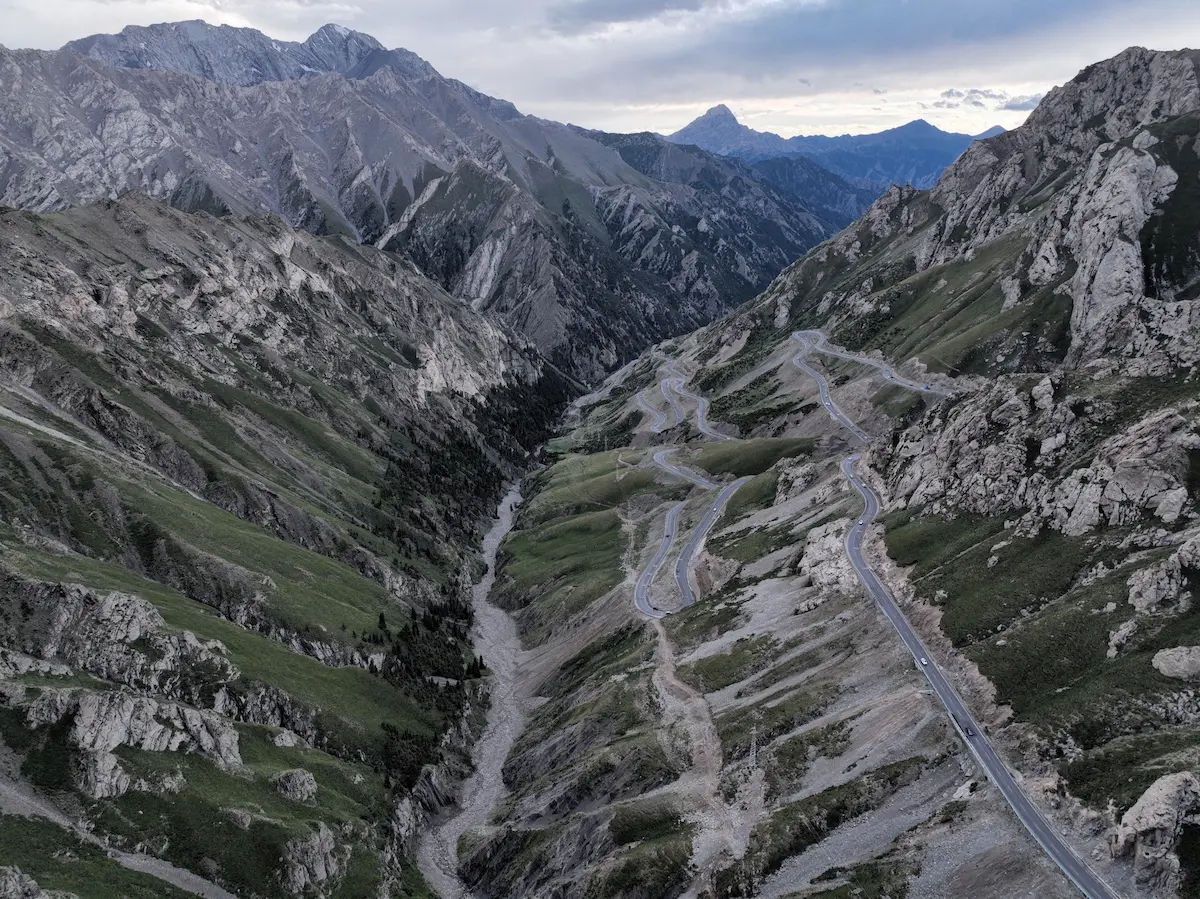
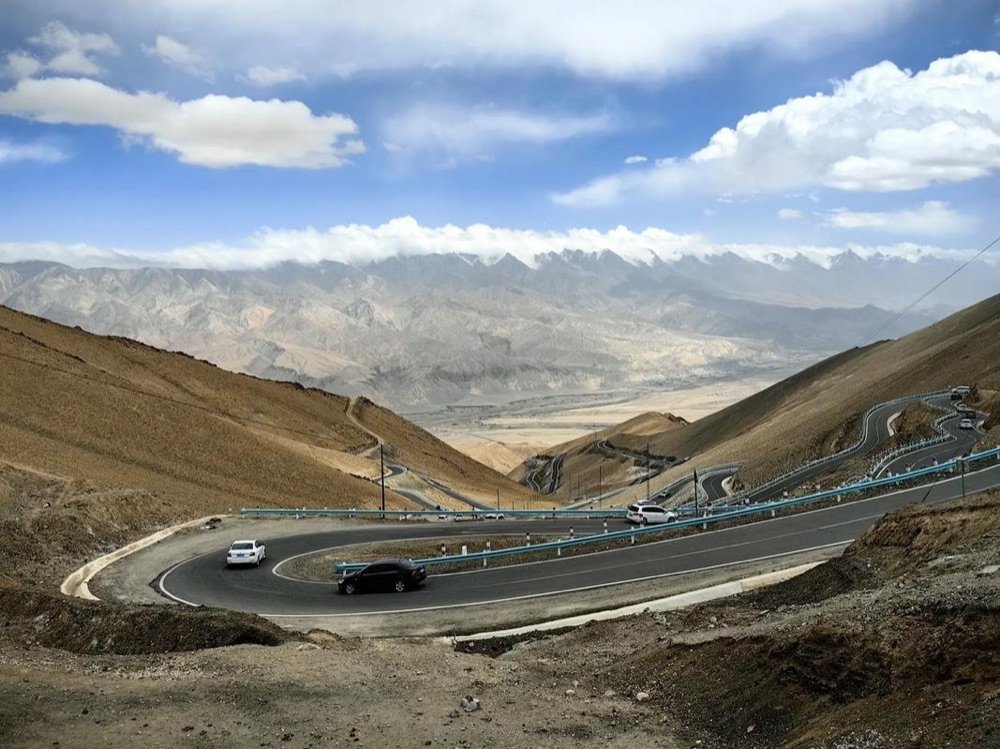
Most people do not come to Kashgar just for the city; they come for the drive up the Karakoram-style Pamir Highway to Tashkurgan and the lakes below Muztagh Ata. That road is best from late May to early October. Outside that window, snow at the 3,700-metre passes can shut it without notice. So when you choose your month, decide first whether the mountains or the city matter more. For the mountains, September wins. For the city alone, April is lovelier and cooler.
What the Heat Does to Your Day
In summer I structure every Kashgar day around the sun. Wake at 07:30, walk the old town until 11:00, retreat to a shaded teahouse or the hotel from 12:00 to 17:00, then return to the streets for the evening market. The Sunday livestock market only runs on its day and starts at first light, so I time my visit to a Sunday in the cool morning. Missing that rhythm is the most common way visitors waste a Kashgar day.
Food, Seasons, and the Market
The food scene shifts with the weather. Spring brings tender apricots and the first melons; summer is the peak for grapes, figs, and the famous Kashgar pigeon dishes; autumn is the nut and pomegranate season. Year round the hand-pulled noodles and the roasted buns are constant. I eat my best meals in the old town in the cooler months, when sitting outside at 20 Celsius is a pleasure rather than a sweat. Plan at least two evenings for nothing but grazing the food streets; it is the real Kashgar.


Where I Stay and Why Season Changes It
Kashgar has a growing set of mid-range and international hotels near the old town gate. In April and October I pay about ¥320 a night; in August that same room is ¥520. I always stay within walking distance of the old town so I can duck back during the midday heat. The hotels with a rooftop terrace are worth the few extra yuan in spring and autumn for the sunset over the mud-brick lanes.
Two Mistakes to Avoid
First, do not book a summer trip and expect to wander the city at noon; you will hate it and blame Kashgar. Second, do not plan a Pamir expedition for November and act surprised when the pass closes. The city is forgiving; the plateau is not. Match your month to your priority and Kashgar rewards you.
Getting to Kashgar, and Why the Approach Matters
Kashgar is far. From Urumqi it is about 1,500 km; most foreigners fly (2 hours, ¥600-¥1,100) or take the sleeper train (14-16 hours, ¥380 hard sleeper). I have done both. The flight is the sane choice for a short trip; the train is the cultural one, and I met more interesting people in the dining car in one night than in a week of hotels. Either way, plan your arrival for the afternoon so you reach the old town at golden hour, when the mud-brick lanes glow and the photographers come out. The old town guide has the gate logistics.
A Sample Spring Day in the Old Town
To show the pacing, here is an April day I had. Up at 07:30, the alleys cool and empty. Coffee at a hole-in-the-wall near the Id Kah square (¥18, weak but hot). Walked the crafts lanes until 10:00, watched a coppersmith and a knife-maker, bought a small wooden spoon for ¥15. Back to the hotel by 11:00 to escape the rising sun. Out again at 17:00 for the livestock market on its Saturday, a chaos of sheep, horses, and haggling that is the real Kashgar. Dinner on the food street, then early bed. That rhythm, cool-morning and cool-evening, is the secret to enjoying the city in any season but especially spring and autumn.
Where to Stay by Season
The old-town-edge hotels are the right base year round; you walk to everything. In April and October I paid ¥320 for a clean room with a rooftop; in August the same was ¥520. Winter drops to ¥240 and you may have the floor to yourself. I avoid the big international boxes on the ring road; they are comfortable but cut you off from the lanes. A family-run place with a known rooftop terrace is worth more than a gym you will not use. Book the spring blossom weekends two weeks out; domestic leaf-peepers fill the good ones.
Packing for Kashgar’s Climate
The range is wild: April days of 25 Celsius and nights of 8; August days of 38 and nights of 22; winter days near freezing. I pack one warm layer (the nights always bite), one serious sun hat, and a scarf that doubles as dust protection during the occasional spring sandwind. The April guide notes the sandwind risk; when it comes, the sky goes orange and you stay indoors for a few hours. It passes; do not plan a mountain day around it.
The Pamir Permit, Again, Because It Trips People Up
I keep returning to this because it is the single biggest Kashgar mistake. The border permit guide lists Tashkurgan as needing it, and the booth enforces it. Get it in the city before you drive up; the gateway town offices are slower and sometimes closed on the day you need them. It is free, it takes under an hour with passport and photo, and it turns the Pamir from a maybe into a sure thing.
A Note on the Food Streets at Night
The old-town food streets are where Kashgar’s seasons meet its kitchen. In spring the apricot vendors set up near the grills; in summer the watermelon stands run the length of the lane; in autumn the pomegranate juice carts appear. I have eaten my way down that street in every season and the constant is the mutton skewer (¥3-¥5) and the naan fresh from the communal oven (¥3). The food street guide maps the stalls I rate; the pigeon dish is the local speciality and costs about ¥60 for a small clay-pot version worth trying once.
Why I Keep the Window to September
People ask why I do not just say “go anytime.” The honest answer is that the Pamir is the point of Kashgar for most travellers, and the Pamir is a fair-weather road. April is lovely in the city but the high passes can still be shut; July is green but the city bakes; February is empty but the plateau is closed. September is the one month the city is comfortable AND the mountains are open AND the light is clean. That is why, when someone asks for one month, I say the last two weeks of September and mean it.
Getting Around the City Itself
The old town is compact and walkable, but the distances between the gate, the bazaar, and the livestreaming alleys add up in the heat. I treat the city as a collection of short walks joined by cheap taxis (¥8-¥15 within the centre) rather than one long march. The electric carts that loop the old town are ¥10 a ride and useful when the afternoon sun is brutal. For the Sunday market, go by taxi at first light and walk back; the walk is flat and safe and lets you drift through the side streets most tour buses miss. Knowing the city is small frees you to move at the weather’s pace instead of fighting it.
A Closing Note on the City Versus the Plateau
I will end where I began: decide whether Kashgar means the city or the mountains, because the best month depends on the answer. The old town is a joy in April and October and merely tolerable in August; the Pamir is glorious in September and shut in February. Most visitors want both, and for them September is the compromise that honours both. But if you are a city person who would skip the high road, April’s apricot light is the lovelier choice and the cheaper one. Match the month to the memory you came for, and Kashgar gives it to you; pick by someone else’s ideal and you may wonder what the fuss was about.
My Recommendation
If I had one trip, I would come in the last two weeks of September. The Pamir is open and clear, the old town is comfortable in the evenings, and the prices have not yet climbed to the October-holiday peak. If the mountains do not interest you and you want the prettiest city light with the fewest people, the first half of April with the apricots is the secret window almost nobody mentions.