
Driving the Silk Road: A Self-Drive Route from Xi’an to Kashgar
Why I Drove the Silk Road Instead of Flying Over It
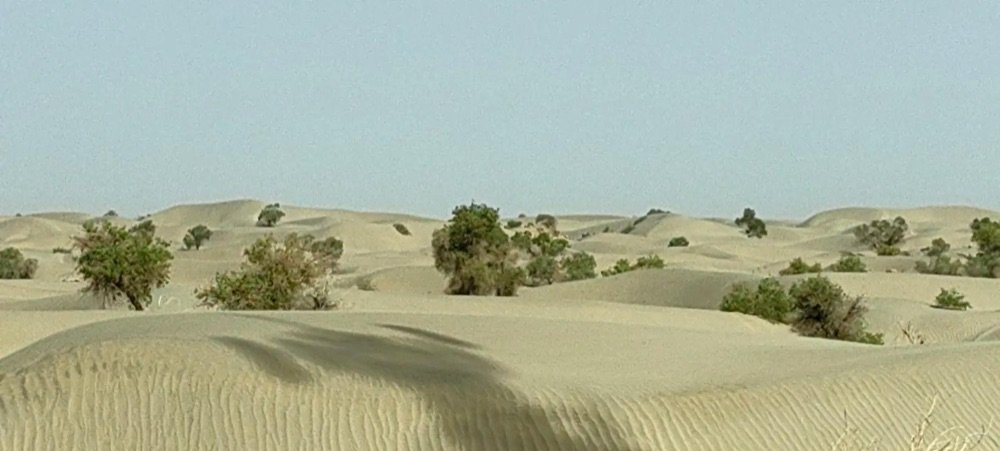
Last spring I stood in the immigration queue at Xi’an and made a decision that surprised the rental agent: I was not flying to Urumqi. I was going to drive the whole way, roughly 3,200 kilometers of it, all the way to the western outpost of Kashgar. The Silk Road is not a single road. It is a loose web of trade routes, and the modern version runs on fast expressways, empty desert highways, and a handful of mountain passes that have not changed much in a thousand years. Driving it gave me something a flight never could: the slow realization that Xinjiang does not begin at Urumqi. It begins somewhere around Lanzhou, where the wheat fields give way to loess, and the air starts to taste of dust.
This guide is the route I wish someone had handed me before I left. It is built for foreign travelers who want to self-drive the classic eastern Silk Road corridor into Xinjiang, from the ancient capital of Xi’an to the western outpost of Kashgar. I cover the realistic daily distances, the towns worth sleeping in, the border logistics, and the mistakes I made so you do not have to.
The Big Picture: Four Weeks on Paper, Two Weeks on the Road
Most foreigners overestimate how long this takes and underestimate how tired they get. The paved distance from Xi’an to Kashgar is about 3,200 km. At a sane pace with real sightseeing, you need 12 to 14 days. I did it in 13 days and felt I could have used two more. If you only have a week, fly to Urumqi or Turpan and start there; the eastern stretch through Gansu is its own trip.
Here is the spine of the route and the daily targets I used:
- Day 1-2, Xi’an to Lanzhou (650 km): Two long highway days, or one relaxed day plus a stop at Tianshui for the Maijishan grottoes.
- Day 3-4, Lanzhou to Dunhuang (1,100 km): The G3011 takes you past the Liujiaxia reservoir and into the Gobi. Sleep in Dunhuang two nights.
- Day 5-6, Dunhuang to Hami (420 km): Cross into Xinjiang at the Hami gateway. This is where the landscape turns feral.
- Day 7-9, Hami to Turpan (430 km): Flaming mountains, grape valleys, and the hottest air in China.
- Day 10-11, Turpan to Urumqi (190 km): Short hop, but use the time to see the Heavenly Lake.
- Day 12-14, Urumqi to Kashgar (1,470 km): The long haul west on the G30, or the slower, prettier southern detour.
None of these numbers include the side trips. The full Gansu-to-Urumqi driving route is worth reading before you commit, because the Gansu section alone deserves a separate trip.
Xi’an: The Starting Line Most People Skip
Every Silk Road driver should spend at least one night in Xi’an. The city wall is the only complete medieval wall still standing in China, and riding a rental bike on top of it at dusk, with the lanterns coming on below, is the best possible preface to a desert drive. The Terracotta Army is 40 km east; give it a half day. I picked up my car at the Xi’an North railway station rental zone, paid a refundable deposit of about 3,000 RMB, and was on the G30 within the hour.
A practical note: international driving permits are not recognized in China, and you cannot legally drive on a foreign license here without a notarized translation and, in practice, a Chinese license. Many foreign travelers hire a car with a driver for this eastern stretch and switch to self-drive only once inside Xinjiang, where the rules for foreign renters are clearer. Plan for that possibility before you book.

Lanzhou and the Long Pull to Dunhuang
Lanzhou is a workhorse city, not a postcard, but the beef noodle soup (lamian) here is the benchmark for the rest of the trip, and the riverside promenade along the Yellow River is a good place to walk off the drive. From Lanzhou the G3011 branches northwest toward Dunhuang. The road is good, the traffic is light, and the scenery slowly drains of green.
Dunhuang is the first stop that earns its legend. The Mogao Caves require advance tickets, often booked days ahead in peak season, and the sunset at Crescent Lake behind the singing sand dunes is the kind of sight that justifies the whole drive. I slept two nights and still felt rushed. Budget 2 nights minimum.
Crossing Into Xinjiang at Hami
The drive from Dunhuang to Hami crosses the border between Gansu and Xinjiang. Hami is the eastern gateway, a real city with a melon so famous it carries the town’s name. The Turpan travel guide covers the next leg in detail, but Hami itself is worth a night: the Yadan landforms an hour out of town are weird, wind-carved towers of orange rock that look like a ruined city.
Two things change the moment you cross into Xinjiang. First, the scale. Distances between fuel stops can stretch past 200 km in places, so never let the tank drop below half. Second, the checkpoints. Foreign passport holders should expect ID checks at regular intervals. They are routine, polite, and slow. Keep your passport and your accommodation registration handy at all times.
Turpan: Heat, History, and the Flaming Mountains
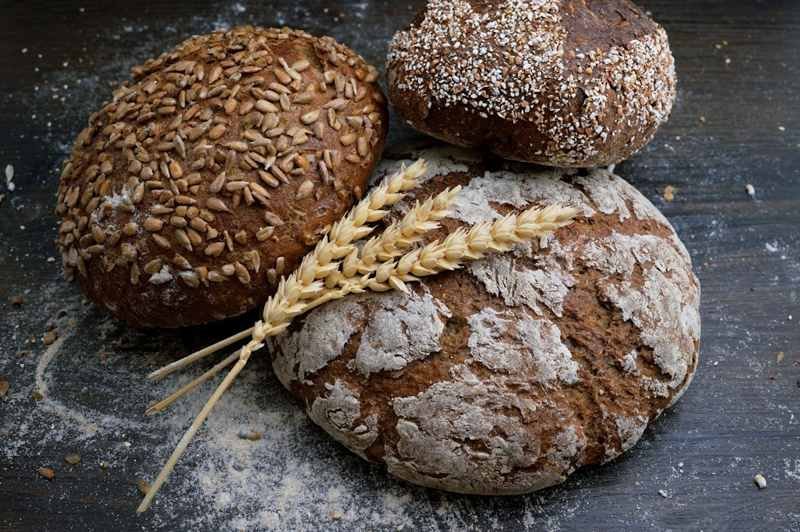
Turpan sits in a depression 154 meters below sea level, the lowest point in China and one of the hottest places on earth in July, when the ground can hit 60 degrees Celsius. The Flaming Mountains are exactly as advertised: red ridges that shimmer in the heat haze. The Grape Valley, the Jiaohe ruins, and the Bezeklik caves are all within an easy day’s loop. I timed my sightseeing for early morning and evening and hid from the sun from noon to four.
This is also where the Silk Road gets tangible. The Turpan oasis was the hinge between the northern and southern desert routes, and you can still walk the remains of the ancient canal system that kept the town alive. If you only have time for one stop between Dunhuang and Urumqi, make it this one.
Urumqi: Refuel, Resupply, and Reset
Urumqi is the natural midpoint, and almost everyone passes through. The Urumqi travel guide has the practical details, but for a Silk Road driver the job here is simple: service the car, do a laundry run, restock water (you will go through more than you think; I carried 12 liters per person), and visit the Xinjiang Regional Museum to see the Tarim mummies before the real west begins.
From Urumqi you have a choice that defines the rest of the trip, and I have written a separate piece on the Urumqi to Kanas self-drive guide if the north pulls at you. For the classic Silk Road, though, you keep going west.
The Final Haul: Urumqi to Kashgar
The straight shot west on the G30 Expressway is about 1,470 km and can be done in two very long days, but that wastes the best part. The better plan is to break it at Korla, then Aksu, then Kashgar, with a stop at Sayram Lake if you are willing to swing north, or the Taklamakan edge if you prefer the south. Kashgar itself is the payoff: the Kashgar Old Town travel guide explains why the Sunday livestock market and the Id Kah Mosque make this the spiritual end of the Silk Road.
When I finally parked in Kashgar after thirteen days, the car’s odometer read 3,410 km. My phone had roamed through four provinces. And I had eaten more types of noodle than I could count. The Silk Road is not a relic you visit. Drive it and it becomes a place you crossed.
Practical Notes Before You Go
- Documents: Passport, visa or visa-free eligibility, and accommodation registration from every hotel. Border regions like Tashkurgan require an additional permit.
- Money: Carry cash for small desert towns; Alipay and WeChat Pay work in cities but not always at a pump in the middle of nowhere.
- Time: Xinjiang runs on UTC+6 informally, two hours behind Beijing. Locals eat dinner at 9 pm. Plan your clock around the region, not the capital.
- Car: A normal sedan handles the expressways fine. Only the mountain detours need clearance or AWD.
If you want a shorter version once you land in Xinjiang, the first-timer itinerary planner is the better starting point. But if you have the time and the itch, drive the whole road. It is the trip I recommend to everyone who asks.
Visas, and the 240-Hour Transit Trick
Most foreign travelers enter China on a standard tourist (L) visa, which you must obtain before arrival. But if your Silk Road drive starts in Xi’an and ends by flying out of Kashgar or Urumqi to a third country, you may qualify for the 240-hour visa-free transit rule, which lets many passport holders stay in China for ten days without a visa as long as they have confirmed onward tickets. I met a Dutch couple in Dunhuang who had built their entire route around this rule and saved the visa fee and the embassy wait. Confirm eligibility for your nationality before you book flights, because the rule changes and the list of eligible airports shifts.
Food on the Road: What to Eat, and Where to Stop
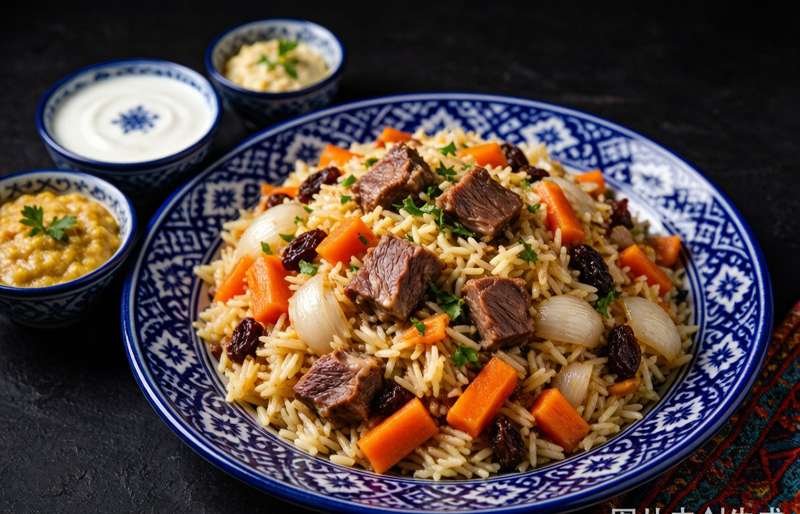
The eastern stretch (Shaanxi and Gansu) is noodle country: biangbiang noodles in Xi’an, hand-pulled lamian in Lanzhou, and beef soup everywhere in between. Once you cross into Xinjiang the food shifts to lamb, flatbreads, and dairy. The roadside stops are where the best meals hide. A highway service area near Hami served me the best grilled lamb skewers of the trip for 3 RMB each, and a small restaurant in a Turpan side street gave me a bowl of cold noodle salad that fixed the heat. Do not eat only at the big-name stops; the unmarked lots often have the better pots.
What I Would Cut With Only Eight Days
If you cannot spare two weeks, drop the Xi’an-to-Lanzhou opening and fly into Urumqi or Lanzhou, then drive the Gansu corridor (Lanzhou to Dunhuang to Hami) as a self-contained trip. Save the full Xi’an-to-Kashgar run for when you have the time it deserves. The mistake is trying to compress it and ending up in the car for ten hours a day, seeing China through a windshield instead of a viewpoint.
The Towns I Skipped and Regret
No trip is complete, and looking back I would have added two stops I cut for time. The first is Tianshui, home to the Maijishan grottoes, a cliff-face warren of Buddhist statues that is one of the great sights of the eastern Silk Road and sits conveniently on the Xi’an to Lanzhou road. The second is Zhangye, a few hours past Lanzhou, where the Danxia rainbow mountains glow orange and red at sunset. Both are in Gansu, which is why the Gansu section deserves its own trip; if you only have time for the Xinjiang half, you miss them, and that is a real loss. I would rather do the Gansu corridor properly on a separate visit than rush it as a drive-through.
Tolls, Cameras, and the 120 km/h Cap
The expressways in this region are excellent and mostly capped at 120 km/h, with sections at 100 through the mountains. Speed cameras are frequent and unforgiving, especially the section-control cameras that average your speed over a stretch rather than snapping a single point. I set my cruise control ten under the limit and still arrived on time everywhere. Tolls are reasonable: the full Xi’an to Kashgar run cost me about 1,100 RMB in tolls across two weeks, paid by card or the rental’s transponder. Keep the transponder mounted and the card handy, because the booths close some lanes late at night.
Cash, Cards, and the Wall
Two practical realities shape the drive. First, carry cash. The big cities take cards and mobile pay, but a desert pump or a yurt grill may only take cash, and an empty tank is a bad time to discover your card is refused. I carried about 2,000 RMB in small notes. Second, the internet. Google, WhatsApp, and most Western apps do not work without a VPN, and a VPN on a Chinese SIM is legally grey and technically flaky. Download offline maps, translation packs, and your hotel bookings before you leave the first city with good Wi-Fi. The Urumqi travel guide has more on staying connected once you are deep in the region.