
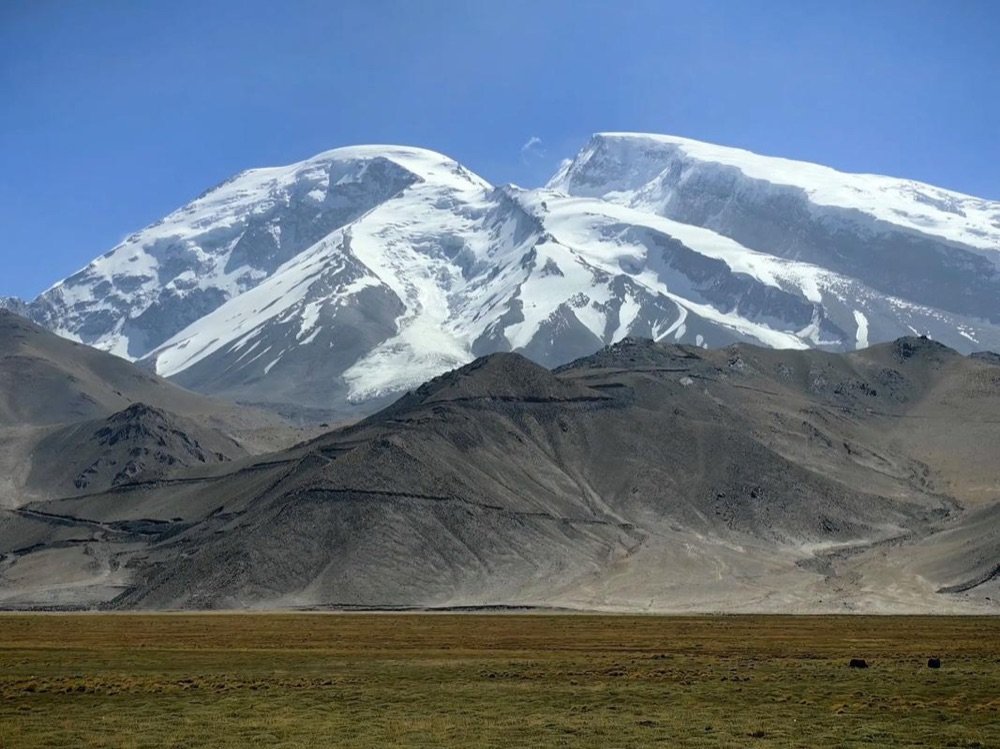
Xinjiang Border Crossings Compared: Khorgos, Torugart, Irkeshtam, Khunjerab
Four Doors Out of Xinjiang, and How They Differ
Xinjiang is not a dead end. It is the hinge between China and half of Asia, and there are four working border crossings that a foreign traveler can actually use by road. I spent a month in the region specifically to understand them, and the single most useful thing I learned is that the crossing you choose changes the entire character of your trip. One is a smooth, paved highway to a modern city. Another is a 3,700-meter mountain pass where the road disappears into weather. Pick wrong and you will hate the day.
This is the comparison I wish I had before I started. I cover Khorgos, Torugart, Irkeshtam, and Khunjerab: where each one goes, what the road is like, what paperwork it needs, and who should use it.
Khorgos: The Easy One, Into Kazakhstan
Khorgos sits in the far northwest, reached from Yining in the Ili Valley, about 90 km away. It is the busiest and most modern of the four, a purpose-built port with proper lanes, scanning, and a straightforward crossing into Kazakhstan. Most travelers who just want out of China and into Central Asia use this one. The road on the Kazakh side continues to Almaty, a real city with good food and an airport.
Khorgos is the right choice if you want the least drama. The Khorgos border port guide has the step-by-step, but the headline is simple: paved, staffed, predictable. The downside is that it is far from Kashgar, so it does not suit a south-Xinjiang loop.
Torugart: The High One, Also Into Kyrgyzstan
Torugart is the romantic bad idea of the four. It crosses from southern Xinjiang into Kyrgyzstan at 3,752 meters, and the road on the Chinese side runs from Kashgar northeast through some of the emptiest country I have ever driven. The pass itself is often closed by snow from late October to May, and even in summer the weather can turn the crossing into a waiting game.
I met a French cyclist who had waited two days at Torugart in the fog. He said it was worth it. I believed him about the view and doubted him about the wait. The Torugart pass guide is essential reading if you choose this one. Use Torugart only if you are already in Kashgar, you have time to burn, and you specifically want the high-mountain experience rather than the efficient one.
Irkeshtam: The Quiet One, Into Kyrgyzstan’s South
Irkeshtam is the overlooked sibling of Torugart. It also crosses into Kyrgyzstan, but from the far southwest near the Tajik border, at a lower altitude and with far less traffic. The destination on the other side is Osh, a Silk Road city in the Fergana Valley, rather than Bishkek via the north.
For most travelers Torugart gets the glory and Irkeshtam gets the practicality. The Irkeshtam border crossing guide explains the vehicle and permit steps. If you are self-driving and want to leave China near Kashgar without climbing to oxygen-thin altitudes, this is the smarter door.
Khunjerab: The Beautiful One, Into Pakistan
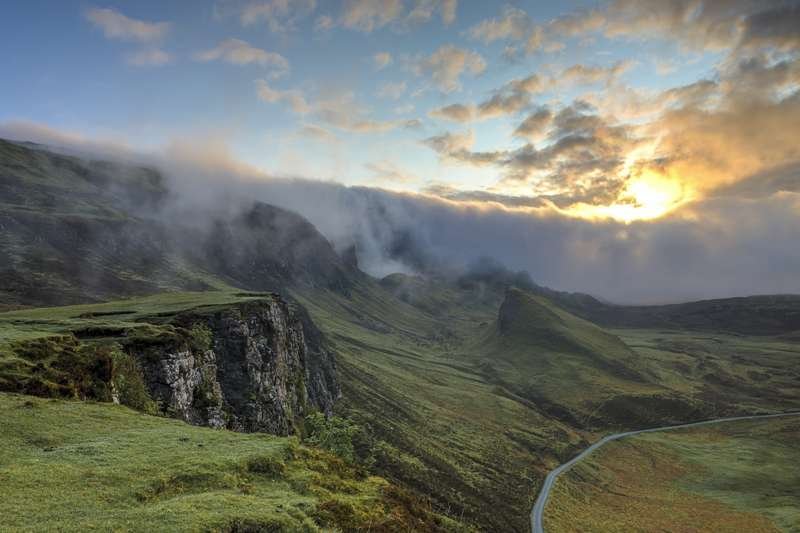
Khunjerab is the one people have heard of. It crosses from Tashkurgan in the far southwest, over a 4,693-meter pass, into Pakistan’s Gilgit-Baltistan, and from there down the Karakoram Highway to Islamabad. The road on the Pakistani side is one of the great mountain drives on earth, but it is also one of the most avalanche- and landslide-prone. The pass closes in winter.
This crossing requires the most preparation because it sits inside the Tashkurgan border zone, which itself needs a separate permit on top of your visa. The Khunjerab pass guide walks through it. Choose Khunjerab if your goal is the Karakoram Highway itself, not just leaving China.
The Paperwork They All Share
No matter which door you pick, three things are non-negotiable. First, a valid visa for the country you are entering; do not assume visa-free entry applies at a land border the way it might at an airport. Second, a Xinjiang border permit for any restricted county you passed through, including Tashkurgan. Third, for a self-driven car, a carnet or the temporary import paperwork the border officials will demand. I watched a Dutch couple turned back at Khorgos because their vehicle documents listed only one driver and they were two.
Quick Comparison Table
| Crossing | Enters | From | Altitude | Best for |
|---|---|---|---|---|
| Khorgos | Kazakhstan | Yining (Ili) | ~600 m | Easy, fast, Almaty |
| Torugart | Kyrgyzstan | Kashgar (N) | 3,752 m | Adventure, high pass |
| Irkeshtam | Kyrgyzstan | Kashgar (SW) | ~2,800 m | Quiet, Osh, lower |
| Khunjerab | Pakistan | Tashkurgan | 4,693 m | Karakoram Highway |
Which One Would I Use?
If I had one week and a rental car, I would take Khorgos and spend the saved time in Almaty. If I were on a longer overland expedition and already in Kashgar, I would weigh Irkeshtam against Torugart: Irkeshtam for efficiency, Torugart for the story. And if the Karakoram Highway were the whole point of the trip, Khunjerab is the only answer, paperwork and all.
The mistake I see travelers make is choosing by map distance alone. The four crossings are not interchangeable. They are four different trips wearing the same border-uniform. Decide what kind of leaving you want before you point the car at a gate.
Crossing on Two Wheels or Two Feet
The four crossings behave differently for cyclists and motorbikers. Torugart and Khunjerab are the classic overland cycling passes, and both are brutal: high, cold, and subject to closure. Khorgos and Irkeshtam are easier on a bike but still require the same vehicle paperwork for the bicycle or motorcycle, plus your own stamina for the long flat approaches. I met a German cyclist at Irkeshtam who had ridden from Germany; he said the Xinjiang permits were the hardest part, not the road.
What Happens to Your Car at the Gate
At every crossing the car is inspected, its papers checked against the driver list, and sometimes searched. The process is slower than the passenger line, so if you are driving, build in extra hours. A mismatch between the rental contract and the driver, or a missing carnet, is the most common reason for a turn-back. The border permit for restricted counties is checked here too, so have the physical document, not just a photo.
Seasonal Closures at a Glance
Khorgos stays open year-round. Torugart and Khunjerab close with snow, roughly November to May. Irkeshtam is the most weather-resilient of the high crossings but still slows in deep winter. If your trip is pinned to a specific month, match the crossing to the season rather than the other way around, or you will spend a day at a closed gate.
Khorgos, Step by Step, With Times
For a self-driver the Khorgos sequence runs like this. Arrive at the Chinese exit, queue, show passport and car papers, get the exit stamp (about 20 minutes). Drive to the terminal, park, walk through customs and immigration (30 to 60 minutes at busy times). Cross on foot to the Kazakh side, clear Kazakh entry (30 minutes), then either retrieve your car if it was driven across or meet a new vehicle. Total realistic time from arriving at the Chinese gate to driving away in Kazakhstan is two to three hours. Build in buffer; the border closes for lunch in some seasons and staff move at their own pace.
The Pamir and the Tashkurgan Permit
Two of the four crossings, Torugart and Khunjerab, feed the Pamir region, and both require you to already hold a Tashkurgan border permit before you reach the gate. The permit is issued in Kashgar with your passport and a photo, usually within a day or two, and it names the counties you may enter. Without it, you will be turned back at the checkpoint well before the actual border. This is the single most common reason foreign travelers fail to reach the Pamir crossings, and it is entirely avoidable with a little advance planning in Kashgar.
Driving a Rental Across: The Hard Truth
Rental contracts in China almost universally forbid taking the car abroad. The rental company will not hand you the carnet or the temporary import documents, and border officials will not let you through without them. Realistically, you return the rental at the Chinese side and either rent on the far side, hire a cross-border driver, or continue by bus or train. The dream of driving your Urumqi rental into Almaty or Bishkek is, for now, a dream. Plan the vehicle change at the gate and you will save yourself a furious argument with a rental clerk who does not speak your language.
Quick Pick: Which Crossing for Which Traveler
If you want the shortest sentence, here it is. Family with a car and limited time: Khorgos to Almaty. Cyclist chasing a legend: Torugart or Khunjerab, with Khunjerab the more spectacular. Traveler who hates queues and likes the road less traveled: Irkeshtam to Osh. Photographer who came for mountains: Khunjerab, full stop. I have stood at all four in one form or another, and the right choice is never about distance. It is about what kind of border story you want to tell afterward.
Documents Checklist, Plain and Short
For any crossing: valid passport, valid visa or visa-free status for the destination, hotel registrations from China, and any regional permit you needed to reach the border (Tashkurgan for the Pamir crossings). For a vehicle: registration, insurance, and the carnet or temporary import papers, plus a contract that actually allows cross-border use, which most rentals do not. The border permit guide covers the county-level paperwork in depth. Print everything. Signal fails at the worst moments, and a printed document settles more arguments than a phone ever will.
What Locals Told Me at the Gates
The drivers who do these crossings weekly were the best teachers. At Khorgos a trucker told me to arrive early and never argue, because the officials decide the pace. At Irkeshtam a Kyrgyz driver said the southern crossing is calmer because fewer people know it. At Torugart a guide warned me the pass closes without notice and to build a full day of slack. None of this is in any brochure, and all of it is true. The border is a place where local wisdom beats any plan you made at a desk in Urumqi.
The Border Is a Place, Not a Line
One thing the maps do not show: the border is not a gate you cross, it is a strip of territory with its own towns, markets, and rhythm. At Khorgos the Chinese and Kazakh ports are separated by several kilometers of no-man’s-land that you cross on foot or by shuttle, and the walk itself is a small adventure, with duty-free shops and a strange stillness. At Irkeshtam and Torugart the “town” is little more than a cluster of buildings and a line of trucks. I learned to treat the crossing as an experience with its own clock rather than a box to tick, and that shift in attitude turned the waits from frustration into the most memorable hours of the trip. Build slack, bring water, and watch the mountains while the paperwork crawls.