
When NOT to Visit Xinjiang: Months to Avoid
The Trip I Almost Took at the Wrong Time
A friend once planned a Xinjiang trip for the first week of October, imagining cool weather and empty roads. He hit the tail of National Day Golden Week instead: every hotel from Urumqi to Kashgar full or quadrupled in price, the Duku Highway jammed bumper to bumper, and a booking he thought was confirmed gone by the time he arrived. He cut the trip short and went home early. Xinjiang is wonderful, but it is also a place where timing is not a detail, it is the trip. This guide is about the windows you should avoid, and why.
Most advice tells you the best time to go. That is useful, but the best time to visit guide and the weather-by-month guide cover that. Here I focus on the inverse: the months and periods when I would think twice before pointing the car west.
National Day Golden Week (Early October)
This is the single worst time to be on the road if you value calm or budget. The week around October 1 is the largest domestic travel surge in China. Hundreds of millions of people move, and Xinjiang, with its dramatic scenery, is a top destination. The Golden Week travel guide spells out the crowds, and the public holidays crowds guide maps the calendar. If you must travel then, book every bed and ticket a month ahead and accept that the famous spots will be shoulder-to-shoulder.
Spring Festival (Late January to February)
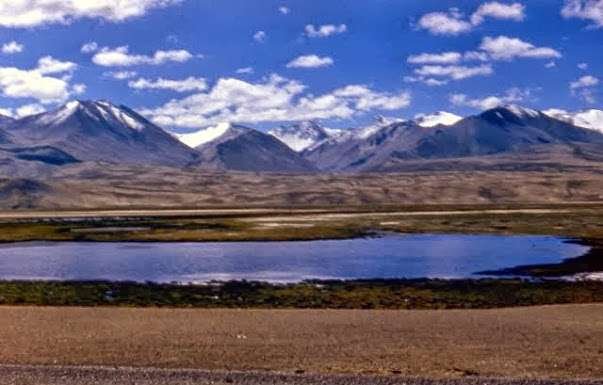
The opposite problem. Much of Xinjiang shuts down for the lunar new year, and worse, the deep winter closes the mountain roads. The Duku Highway is closed, Bayinbulak is under snow, and many grassland attractions are simply not operating. You can still visit the southern cities and the deserts, and the August guide shows the contrast at peak season, but for a first trip the winter lull is more obstacle than charm unless you came specifically for snow and solitude.
Mid-Summer in the Basins (July to Mid-August)
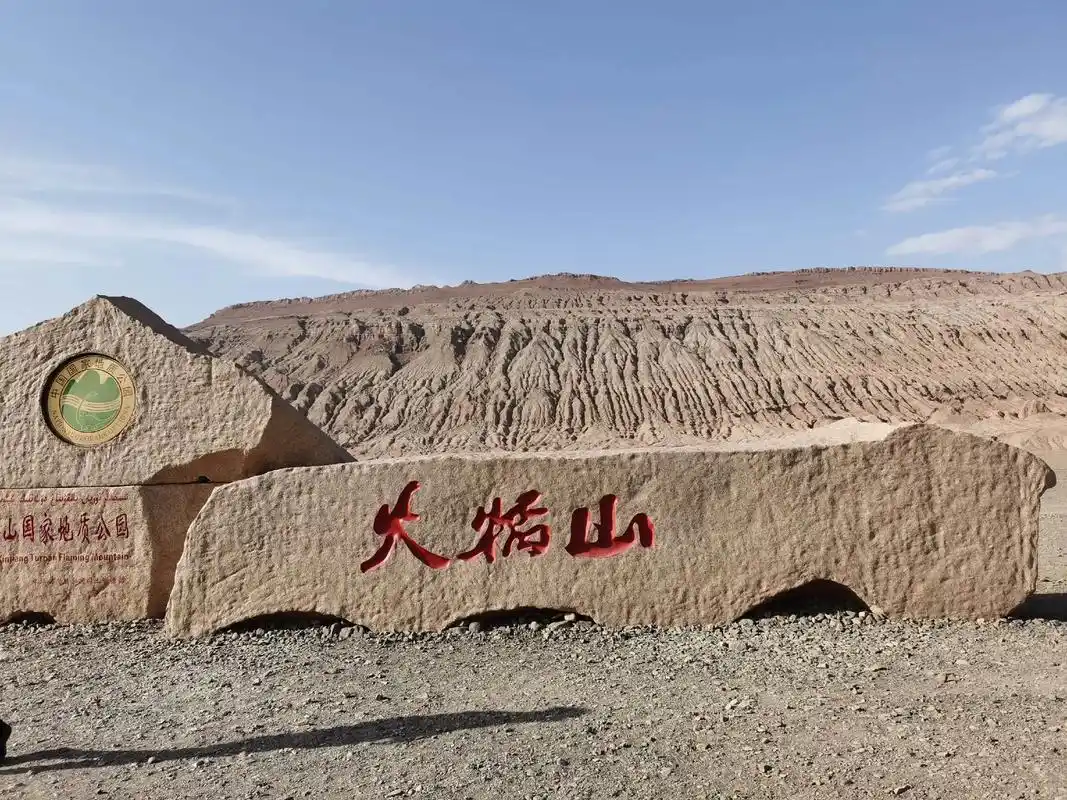
Summer is popular for a reason: everything is open, the grasslands are green, and the light is long. But the basins cook. Turpan routinely hits 40 to 45 degrees Celsius, and standing on the Flaming Mountains at noon is genuinely unpleasant. The August peak guide is honest about the heat and the crowds. If you go in summer, plan desert sightseeing for dawn and dusk and treat midday as indoor or driving time.
There is also the matter of the school holidays. July and August are when Chinese families travel, so the headline attractions, Kanas, Sayram, and Kashgar’s old town, are busy. Not Golden Week busy, but busy enough that lakeside rooms book out.
Sandstorm and Dust Season
Spring, especially March and April, brings the wind. The Tarim and Turpan basins get dust storms that cut visibility and turn the sky the color of a struck match. They are not dangerous if you pull over and wait, but they can wreck a day’s driving plan and coat the car in grit. If you are sensitive to air quality, spring is the riskiest time.
When the Passes Are Closed
Several of the best drives depend on high mountain roads that close with snow. The Duku typically opens in June and closes in early November. The Khunjerab and Torugart passes close in winter. Always check the status of the specific road you plan to drive in the specific month you plan to drive it. A closed pass does not just block a view; it can force a 500 km detour.
My Honest Window Advice
If I had to name the months I would avoid for a first trip: early October (Golden Week), late January to February (deep winter closure), and the worst of July heat if you hate the sun. The sweet spots are late May to June (green, opening roads, few crowds) and September (golden, cooling, thinning tourists). Both let you see the famous places without fighting for a parking space.
Xinjiang will still be there in the crowded weeks. But the version of it you remember, the one with empty roads and long light, lives in the quieter months. Time your trip for those, and you will understand why the people who love this province keep coming back.
A Month-by-Month Avoidance Score
January and February: avoid unless you want snow solitude and accept closed passes. March and April: dusty and windy, moderate risk. May: excellent, low risk. June: excellent, the roads just opened. July and August: hot in the basins and busy, moderate. September: excellent, the best all-round. October early: Golden Week, avoid the first week; late October is good. November to December: cold, some closures begin. The pattern is clear: aim for the shoulders, dodge the holidays.
If You Must Travel in a Bad Window
Stuck with Golden Week? Book everything a month ahead, start drives at 6 am to beat coaches, and favor the south (Kashgar, Hotan) where crowds thin faster than the headline lakes. Stuck with winter? Skip the Duku and the grasslands, and build the trip around Urumqi, Turpan’s indoor sites, and Kashgar’s old town, which stays lively year-round. The province is never fully closed; you just trade the big views for the quiet ones.
The Shoulder-Month Strategy
The single best move is to travel the week before or after the peaks. Late May gets you green grasslands and open passes with few tourists. Mid-September gets you golden larches and thinning crowds before the National Day crush. These windows are not secret, but they are underused, and they turn a good Xinjiang trip into a great one without changing your route at all.
Regional Differences: North Versus South Timing
The best and worst times differ by region, and that matters if you have a route in mind. The north (Kanas, Hemu, the grasslands) is glorious from June to September and dead in winter, with roads closed. The south (Kashgar, Hotan, the deserts) is good for more of the year and even pleasant in early winter, when the crowds are gone and the cold is dry rather than brutal. So “when not to visit” depends on where you go: avoid the north from November to May, but do not write off a southern trip in those months. Matching region to season is the real skill, more than picking a single month for the whole province.
Crowd Calendars by Attraction
Not all sights crowd equally. Kanas and Sayram, the headline lakes, are packed in July and August and jammed during Golden Week. Kashgar’s old town stays busy year-round but never uncomfortably. The Duku Highway is a bottleneck in July and August, with one-way controls and queues at the pass. The desert towns barely notice peak season. If you must travel in a busy window, tilt your route toward the south and the deserts, and save the famous lakes for a quieter month. Spreading your plan by attraction, not just by province, keeps the crowds off your trip.
My Personal “Go Anyway” List
Some windows are worth braving despite the downsides. I would go in early June even with the opening-week Duku crowds, because the snow walls are only there then. I would go in September despite the tail of the season, because the light is the best of the year. I would even go in a cold February if my only goal were Kashgar and the deserts, because the solitude is its own reward. The months to truly avoid are the Golden Week first week and the worst of the July basin heat, and even those are survivable with the right plan. Xinjiang is rarely a mistake; only the timing sometimes is.
A Region-by-Region Cheat Sheet
North (Kanas, Hemu, grasslands, Duku): best June to September, avoid November to May when roads close. South (Kashgar, Hotan, Taklamakan edge): best April to June and September to October, acceptable in winter, avoid the worst of July heat. East (Turpan, Hami): best spring and autumn, avoid July and August when it is dangerously hot. The takeaway is that Xinjiang has no single bad season, only mismatched regions. Pick your region first, then match the month, and most timing problems disappear.
What to Pack for Each Season
Summer: sun protection, light layers for cold mornings at altitude, and more water than feels reasonable. Autumn: a warm jacket and flexible plans around Golden Week. Spring: a dust mask and eye drops for the wind, plus a rain layer. Winter: serious cold-weather gear, chains if driving, and a acceptance that some sights are closed. The packing follows the season, and the season follows the region. Get those two alignments right and the rest of the trip is easy.
The Bottom Line
Xinjiang is worth visiting in most months if you choose the right region for the time. The only windows I would genuinely avoid are the first week of October, when the country is on the move, and the deepest winter if your heart is set on the northern mountains. Everything else is negotiable with the right plan. Time your trip with the same care you plan the route, and the province rewards you with empty roads and long light that the crowds never see.
Trust the Shoulders
If you take one idea from this guide, take this: the shoulders of the season are better than the peak for almost every kind of Xinjiang trip. Late May and mid-September give you open roads, open passes, and open hotels without the crowds that July and Golden Week bring. The weather is forgiving, the light is long, and the famous places feel like yours. I have now traveled the province in five different months, and the shoulder trips were the ones I would repeat. Plan for the edges of the season, and Xinjiang gives you its best self without the competition.
One Last Timing Tip
If you remember nothing else, remember this: book the famous lakes (Kanas, Sayram, the grasslands) for June or September, and leave July and Golden Week for the deserts and the cities, where crowds matter less. The province splits neatly along that line, and most timing misery comes from doing the opposite, fighting August at Kanas or skipping the south in winter. Match the marquee sights to the quiet months and the quiet sights to the busy ones, and almost any window becomes a good one. Xinjiang is generous to those who time it; it is only harsh to those who fight it.
The One Exception I Make
If I had to name a single window I would defend against all the warnings, it is late September. Yes, it brushes the tail of Golden Week, but the first three weeks of the month, before the holiday crowds peak, are the finest Xinjiang has to offer: the larches go gold, the grasslands still hold green, the passes are open, and the tour buses have thinned after summer. I would book the lakes for the second or third week and accept the small risk of a holiday-edge crowd on the final days. For a first trip, that window is the one I would defend, every time, against the louder warnings about the season.