
Uyghur Cuisine: What to Eat at a Uyghur Restaurant in Xinjiang (With Ordering Tips)
Uyghur Cuisine: What to Eat at a Uyghur restaurant in Xinjiang (With Ordering Tips)
Xinjiang food is one of the most exciting culinary discoveries you can make in China — and at the heart of it lies Uyghur cuisine. If you’ve never stepped into a Uyghur restaurant, the experience can feel equal parts thrilling and bewildering: sizzling skewers behind glass, domed bread slapped against clay oven walls, giant platters of chicken and potatoes appearing unannounced from the kitchen. This guide walks you through what to order, what it’s called in English and Uyghur, and how to eat it like you’ve done it before.
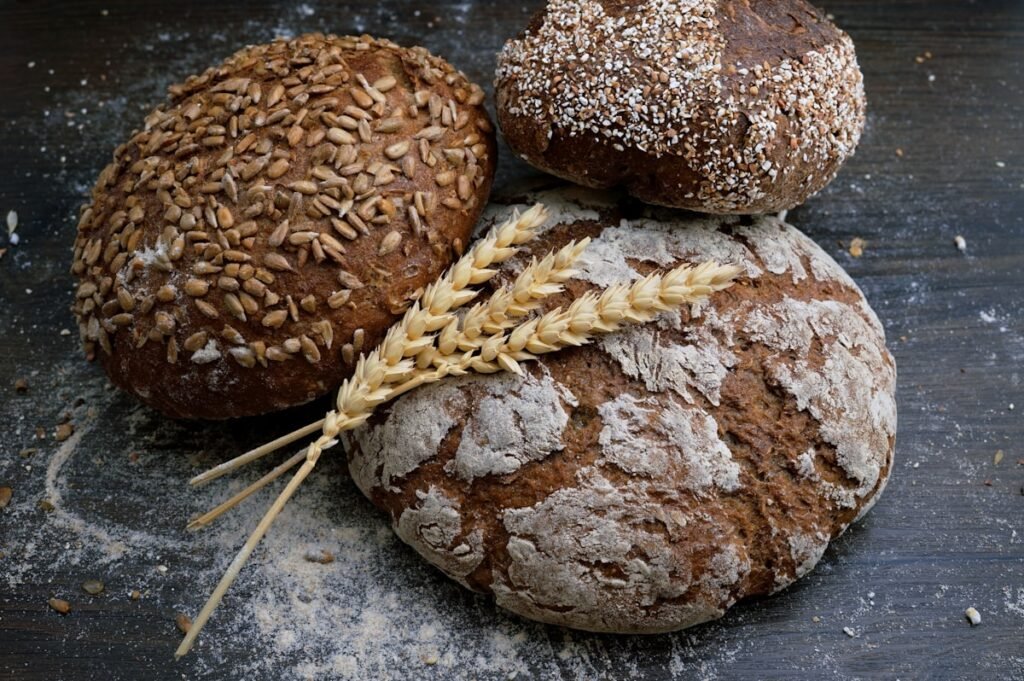
Samsa — the Uyghur answer to the Central Asian samosa, baked inside a tandir oven until the crust shatters.
What Is Uyghur Cuisine, Exactly?
Uyghur cuisine is the culinary tradition of the Uyghur people, a Turkic-speaking, predominantly Muslim ethnic group native to Xinjiang. It sits at the intersection of the Silk Road — drawing on Central Asian grilling techniques, Persian rice culture, Chinese stir-frying, and South Asian spicing. The result is a cuisine that feels familiar in pieces but entirely original on the plate.
Several defining traits set it apart:
- No pork, ever. Halal dietary laws are strictly observed. You won’t see pork on any menu.
- Lamb is king. Beef appears, chicken is common, but lamb is the default meat in most iconic dishes.
- Bread is its own food group. Naan isn’t a side — it’s the utensil, the palate cleanser, and often the best thing on the table.
- Meals are communal. Dishes arrive in the center. You tear bread, scoop with it, and pass plates. It’s rare to order individual portions.
The Essential Uyghur Restaurant Menu (In Order of What to Order First)
1. Polo (Pilaf / 抓饭) — The National Dish
If there’s one dish that defines Xinjiang, it’s polo. Fragrant long-grain rice is slow-cooked with diced lamb, carrot (yes, carrot — shredded fine and melted into the rice), onion, and a pinch of cumin and dried fruit. The result is a sweet-savory mound of rice with tender meat buried inside, often served with a wedge of pickled onion on the side.
How it’s made: Lamb fat is rendered in a heavy wok (called a qazan), then carrots and onions are softened in the fat. Rice goes in with just enough water to steam through. The carrots dissolve into golden threads. The best polo has a slightly crispy rice crust (socca) at the bottom — scrape for it.
Where to try it: Almost every Uyghur restaurant serves polo, but the versions in Kashgar and Kuqa are considered the gold standard. Look for restaurants where polo is the only thing on the menu — that’s usually a good sign.
English menu keyword: “Pilaf,” “Polo,” “Xinjiang Rice,” or “Lamb Rice.”
 Xinjiang cuisine” style=”max-width:100%; border-radius:8px;” />
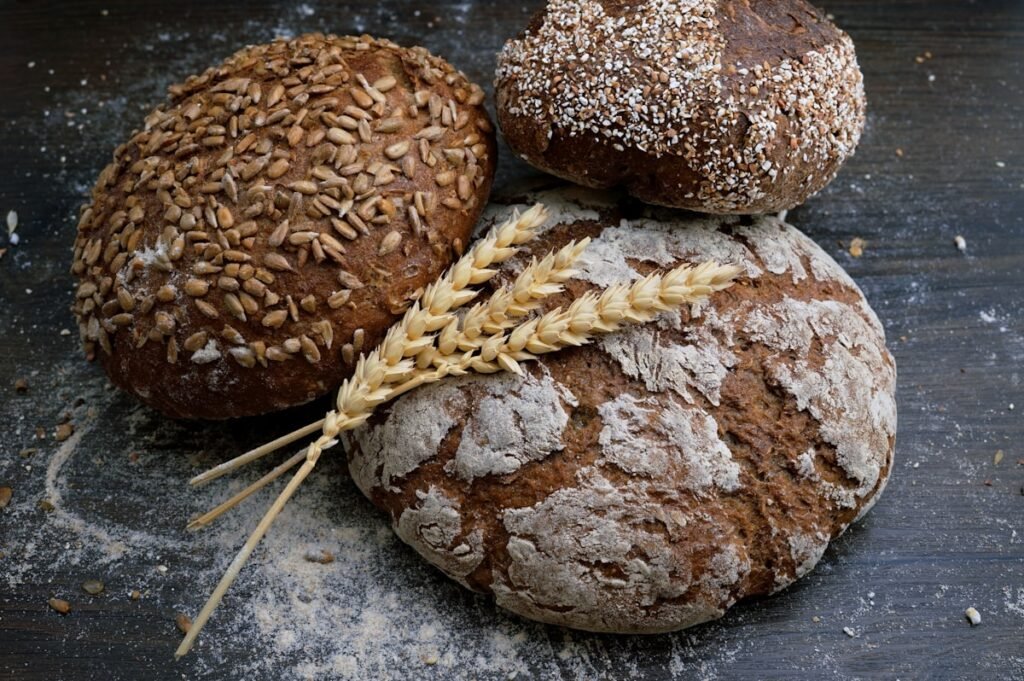
Naan — every Uyghur table has a basket of it. Tear, scoop, repeat.
2. Naan (烤馕) — The Bread That Travels
Naan in Xinjiang isn’t like the fluffy Indian version. Uyghur naan is a flatbread baked against the inner wall of a tandir (clay oven), giving it a crisp exterior and a chewy, substantial crumb. It can last for days without refrigeration — which is exactly why it became the fuel of Silk Road caravans.
Several varieties are worth knowing:
- Quruq naan: The everyday version, sometimes sprinkled with sesame or black cumin (ziafat).
- Yupqa naan: Thinner, crispier, almost cracker-like — great with tea.
- Girde naan: A ring-shaped version with a denser texture, often with onion or lamb fat folded into the dough.
- Tandir naan: The generic name you’ll see on menus — it just means “oven-baked.”
Ordering tip: Buy naan from a street-side tandir on your way to the restaurant rather than ordering it at the table — it’ll be warmer, cheaper, and you can watch it come out of the oven.
3. Samsa (烤包子) — The Portable Feast
Samsa are triangular or crescent-shaped pastries filled with minced lamb, onion, and sometimes pumpkin or scallion, then baked inside the same tandir used for naan. The bottom is crisp from the oven floor; the top is blistered and golden. Eat it hot — the filling is juicy enough to scald your chin if you’re not careful.
The difference between samsa and “烤包子” (kǎo bāozi): They’re the same thing, but samsa is the Uyghur word and the one you’ll see on Uyghur restaurant menus. In Chinese-speaking areas, “kao baozi” is more common.
How many to order: Plan on two per person as a starter, or one each if you’re moving on to polo or dapanji after.
4. Dapanji (大盘鸡) — Big Plate Chicken, the Comfort Food
Dapanji translates literally as “big plate chicken” — and that’s exactly what arrives: a sizzling metal platter of cubed chicken (bone-in), potatoes, green bell peppers, and wide wheat noodles, all braised in a sauce that’s part cumin, part chili oil, part soy, and entirely addictive. It was invented in the 1980s along the G312 highway and has since become the most ordered dish in Xinjiang.
The noodle moment: Dapanji is typically served in two waves. First, you eat the chicken and potatoes. Then the cook brings a separate plate of hand-pulled belt noodles (皮带面, pídài miàn) to swirl through the sauce. Don’t fill up on naan before the noodles arrive.
Spice level: Ask for “bù là” (not spicy) or “shǎo là” (mild) if you’re sensitive to heat. The default is moderately spicy.
5. Laghman (拉条子) — Hand-Pulled Noodles With Stir-Fry
Laghman is Xinjiang’s answer to lo mein, but with a chewier, hand-pulled noodle and a topping that’s closer to a wet stir-fry than a sauce. The classic version comes with bell peppers, tomato, onion, cumin, and your choice of lamb or beef. “Goshnan laghman” includes chunks of grilled meat on top.
What makes it special: The noodles are pulled to order. You can sometimes watch the cook stretching the dough into ribbons behind a glass partition. The texture is springy in a way machine-made noodles can’t replicate.
6. Chuanr (羊肉串) — Lamb Skewers, the Street Food Royalty
No Uyghur meal is complete without chuanr — cubed lamb threaded onto flat metal skewers, seasoned with cumin, chili flakes, and salt, then grilled over charcoal. The fat renders and drips, catching flame and smoking the meat. In Xinjiang, chuanr is eaten with raw onion as a palate cleanser between skewers.
How to order: Hold up fingers to indicate how many skewers. “Shí chuàn” = ten skewers. They’re cheap (¥3–8 each) and perfect for sharing while waiting for the main dishes.

A typical Uyghur restaurant spread — communal, colorful, and meant for sharing.
Drinks and Desserts
- Milk tea (奶茶, nǎichá): Salty rather than sweet, made with brick tea and whole milk. An acquired taste but a culturally essential one. In Kashgar, look for “Sut chai” on the menu.
- Yogurt (酸奶, suānnǎi): Thick, tart, served in a bowl with a swirl of honey or white sugar on the side. It’s nothing like Western supermarket yogurt.
- Xinjiang melon (哈密瓜, hāmìguā): In summer, the melons and grapes of Xinjiang are legendary. Order a fruit plate at the end of the meal — it’ll be brought out with a small paring knife for peeling.
- Ice cream (伊犁冰淇淋): Yining (Ili) makes a dense, milk-forward ice cream that’s worth seeking out. In Urumqi, “Tianshan ice cream” is the local standard.
How to Order (Menu Translation Survival Guide)
Uyghur restaurant menus are bilingual (Chinese + Uyghur script), but English is rare. Here’s a quick-reference table to keep on your phone:
| English | Chinese (汉字) | Uyghur / Pronunciation | What to Expect |
|---|---|---|---|
| Lamb pilaf | 抓饭 | Polo | Rice + lamb + carrot |
| Big plate chicken | 大盘鸡 | — | Chicken + potato + noodles |
| Lamb skewers | 羊肉串 | Chuanr | Cumin-spiced skewers |
| Baked meat pie | 烤包子 | Samsa | Lamb + onion in pastry |
| Flatbread | 馕 | Naan | Oven-baked bread |
| Hand-pulled noodles | 拉条子 | Laghman | Chewy noodles + stir-fry |
| Milk tea | 奶茶 | Sut chai | Salty brick-tea + milk |
| Cold noodles | 凉面 | Leng men | Cold wheat noodles + vinegar sauce |
Where to Eat Uyghur Food in Xinjiang’s Key Cities
Kashgar (喀什): The old town is full of small family-run places where the menu is three items and everything is excellent. For a sit-down experience, look along Seman Road (色满路). The Sunday livestock market also has improvised food stalls serving fresh-grilled chuanr.
Urumqi (乌鲁木齐): The Kashgar Old Town vibe doesn’t exist here in the same way, but Urumqi has the most diverse Uyghur food scene because it’s where chefs from every prefecture end up. Hit the night market (夜市) near the Grand Bazaar (二道桥).
Yining / Ili (伊宁): The food here leans dairy-heavy — think milk tea, yogurt, and soft cheeses. The Yining night market (汉宾夜市) is one of the best in the region.
Kuqa (库车): Kuqa polo is considered by many to be the best in Xinjiang. The old town has hole-in-the-wall places where the cook has been making the same dish for 30 years.
Etiquette and Cultural Notes
- Wash your hands first. Many Uyghur restaurants have a basin and pitcher near the entrance for hand-washing before eating. It’s a cultural norm, not a suggestion.
- Don’t stick your naan upright in the rice. It resembles a grave marker and is considered disrespectful. Lay it flat on the table or tear it into pieces.
- Tea is refilled constantly. If your cup is empty, it’ll be filled. If you’re done, leave a little tea in the bottom or place your hand over the cup to signal “no more.”
- No alcohol. Most Uyghur restaurants don’t serve alcohol, and drinking your own is frowned upon. Save the beer for a Han Chinese restaurant later.
- Pay at the counter. Few places bring the bill to the table. When you’re done, go to the counter and tell them what you ordered. They’ll add it up on a calculator and show you the total.
A Note on Timing
Uyghur restaurants run on a different clock. Lunch peaks at 1:30–2:30 pm and dinner kicks off around 8:00 pm. If you arrive at 6:00 pm, the kitchen may not be fully fired up yet. If you arrive at 9:30 pm, you’re right on time.
The same is true of the food itself. Polo is typically only made in the morning and early afternoon — go looking for it after 3:00 pm and the pot may be scraped clean. Naan is a morning and evening food. Chuanr is strictly an evening thing, starting when the charcoal is lit around sunset.
Planning a trip to Xinjiang? Our first-time Xinjiang itinerary guide covers how to string these food stops into a coherent route — because the best meals in Xinjiang are never in the guidebook, they’re in the town you weren’t planning to stop in.