
Xinjiang Travel Tips: The Ultimate First-Timer’s Guide (2026)
## Xinjiang travel tips: The Ultimate First-Timer’s Guide (2026)
Planning your first trip to Xinjiang? You’re in for an extraordinary adventure. This vast region, covering one-sixth of China’s total land area, is a land of dramatic contrasts — from snow-capped mountains and sapphire lakes to endless deserts and vibrant bazaars. But with great size comes great complexity. This guide distills everything a first-time visitor needs to know, drawn from real on-the-ground experience.
### Why Xinjiang Should Be on Your Radar
Xinjiang is not just a destination; it’s an immersion into the crossroads of civilizations. For centuries, the Silk Road passed through here, leaving behind a layered heritage of Turkic, Persian, Chinese, and Russian influences. Today, it remains one of the most culturally rich and geographically diverse regions on Earth.
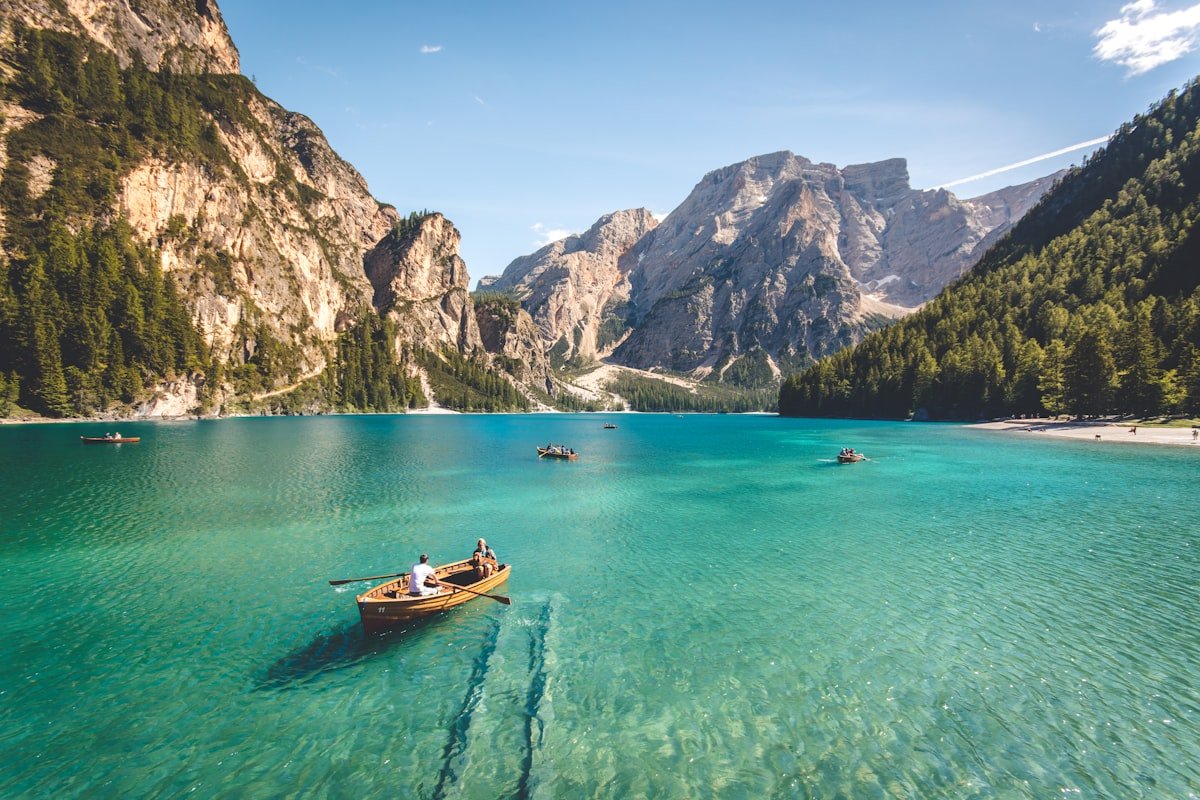
Whether you’re drawn to the alpine beauty of **Kanas Lake**, the desert romance of the **Taklamakan**, or the chaotic charm of **Kashgar Old Town**, Xinjiang delivers experiences that simply don’t exist elsewhere.
 best time to visit Xinjiang – seasonal landscape”>
### When to Go: Timing Is Everything
The single most important decision you’ll make is **when** to visit. Xinjiang has a harsh continental climate, and the window for comfortable travel is narrower than you might think.
| Season | Months | Pros | Cons |
|——–|——-|——|——|
| Spring | Apr–May | Wildflowers, fewer crowds, cooler prices | Sandstorms in south, unpredictable weather |
| Summer | Jun–Aug | Lush grasslands, all roads open, festivals | Crowds, higher prices, very hot in south |
| Autumn | Sep–Oct | Golden forests, harvest season, ideal temps | Peak season, book early |
| Winter | Nov–Mar | Skiing, ice festivals, solitude | Extreme cold, many roads closed |
**The sweet spot**: Mid-May to mid-June, and September. These windows give you comfortable temperatures, open roads, and manageable crowds.
For a detailed month-by-month breakdown, check our [best time to visit Xinjiang](https://www.xinjiangsolotravel.com/best-time-to-visit-xinjiang-in-2026-month-by-month-guide/) guide.
### Getting There & Getting Around
#### International Access
Most travelers fly into **Urumqi Diwopu International Airport (URC)**. Direct flights connect Urumqi to major Chinese cities (Beijing, Shanghai, Guangzhou, Chengdu) and some international destinations (Almaty, Bishkek, Istanbul).
#### Domestic Travel Within Xinjiang
– **Flights**: Surprisingly affordable. Urumqi to Kashgar, Kanas, or Yining can cost less than $100 if booked early.
– **Trains**: The network has expanded dramatically. The Urumqi–Kashgar rail journey (about 14 hours) is a great way to see the landscape.
– **Self-Drive**: This is the gold standard for experienced travelers. Route 219 (the Karakoram Highway) and the Duku Highway are legendary drives. More on that in our [Xinjiang transportation guide](https://www.xinjiangsolotravel.com/xinjiang-transportation-guide-how-to-get-around/).
**Pro tip**: Distances are massive. Urumqi to Kashgar is 1,500 km — roughly the distance from New York to Florida. Plan accordingly.
### Accommodation: What to Expect
Xinjiang’s hotel scene has improved significantly, but standards vary by region.
– **Urumqi, Kashgar, Turpan**: International-brand hotels (Hilton, Crowne Plaza) and mid-range Chinese chains.
– **Kanas, Nalati, Hemu**: Guesthouses and yurts. Basic but atmospheric. Book early for September.
– **Small towns**: Don’t expect luxury. Think clean, functional, and sometimes spartan.
**Budget range (per night)**:
– Budget: ¥150–300 ($20–40)
– Mid-range: ¥300–600 ($40–80)
– High-end: ¥600+ ($80+)
Our [where to stay in Xinjiang](https://www.xinjiangsolotravel.com/where-to-stay-in-xinjiang-accommodation-guide/) guide has neighborhood-specific recommendations.
### What to Pack: The Essentials
Packing for Xinjiang is a balancing act. You’ll likely experience three seasons in one week.
**Clothing**
– Layers are non-negotiable. A down jacket is useful even in summer at high altitudes.
– Sturdy walking shoes. You’ll do more trekking than you expect.
– Sun hat and sunglasses. The UV is intense.
**Health & Safety**
– Sunscreen (SPF 50+). The sun at 40°N is no joke.
– Rehydration salts or electrolyte tablets.
– Basic first-aid kit. Pharmacies exist in cities but are sparse in remote areas.
**Documents**
– Your passport. You’ll need it for hotel check-ins and some checkpoints.
– Cash. Alipay/WeChat Pay work in cities, but cash is king in rural areas.
### Cultural Etiquette: Respect Goes a Long Way
Xinjiang is home to over a dozen ethnic groups, with Uyghur culture being the most prominent in the south. A little cultural awareness goes a long way.
– **Dress modestly** when visiting religious sites. Shoulders and knees covered.
– **Ask before photographing** people, especially in rural areas.
– **Learn a few phrases**: “Assalamu alaykum” (peace be upon you) and “Rahmat” (thank you) open doors.
– **Ramadan**: If you visit during Ramadan, avoid eating/drinking in public during daylight hours out of respect.
### Food & Drink: A Culinary Adventure
Xinjiang’s cuisine is a highlight in itself. The blend of Central Asian and Chinese flavors is addictive.
**Must-try dishes**
– **Laghman**: Hand-pulled noodles with stir-fried vegetables and meat.
– **Dapanji**: “Big Plate Chicken” — a communal dish of chicken, potatoes, and peppers.
– **Samsa**: Oven-baked pastries filled with meat or pumpkin.
– **Nang**: The local bread, eaten with everything.
– **Kebabs**: Grilled over open fire, often with cumin and chili.
**Pro tip**: The best meals are often in hole-in-the-wall spots. If you see a place full of locals, go in.
For a deep dive, read our [Xinjiang food guide](https://www.xinjiangsolotravel.com/xinjiang-food-guide-what-to-eat-and-where/).
### Safety & Practicalities
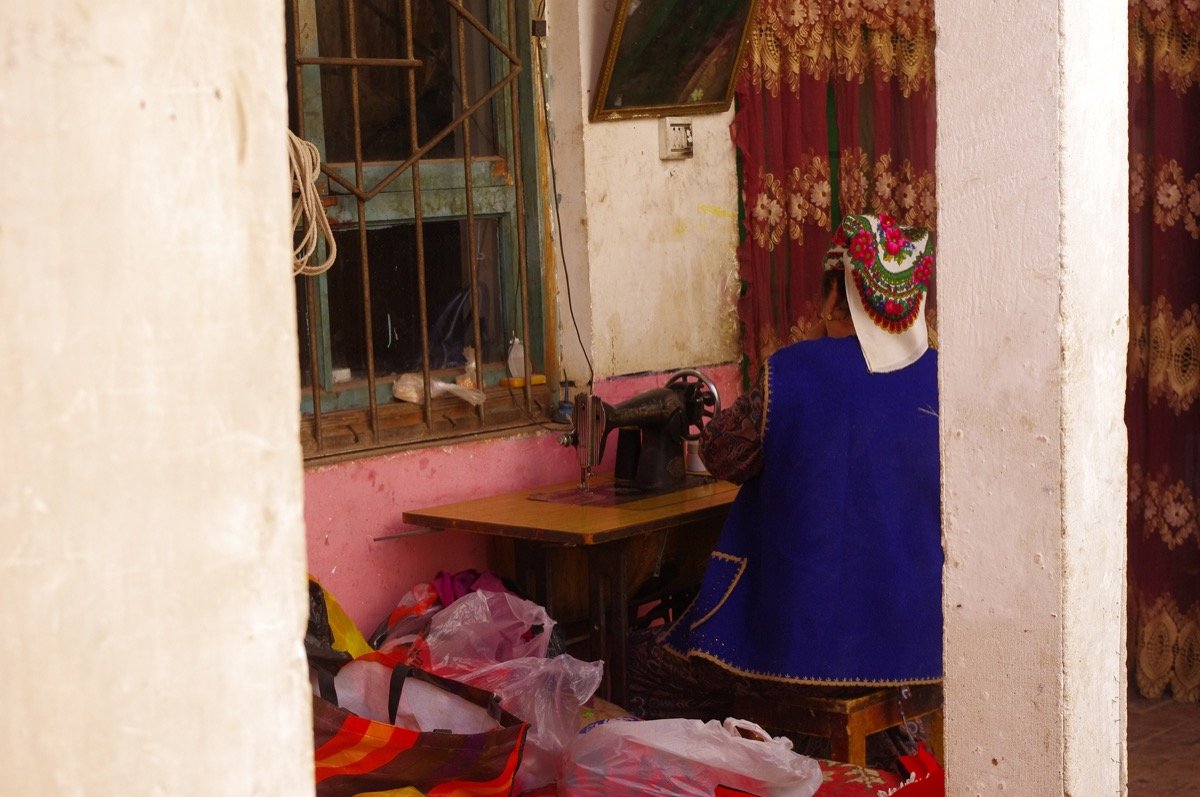
Let’s address the elephant in the room. Yes, there are security checks. They’re routine, not personal. Expect bag scans at hotels, train stations, and some attractions.
**Safety tips**
– Register with your embassy if your government recommends it.
– Keep digital and physical copies of important documents.
– Download offline maps. Google Maps is unreliable; Gaode (Amap) or Baidu Maps work better.
– SIM cards: Buy a Chinese SIM card at the airport. Foreign SIMs may not work well.
### A Sample 7-Day Itinerary for First-Timers
If you have one week, focus on one region. Trying to cover everything will leave you exhausted.
**Northern Xinjiang Loop (7 days)**
– **Day 1**: Arrive Urumqi, visit the Regional Museum
– **Day 2**: Drive to Tianchi (Heavenly Lake), overnight in Urumqi
– **Day 3**: Fly to Kanas, explore Kanas Lake
– **Day 4**: Hemu Village and birch forests
– **Day 5**: Return to Urumqi, overnight train or flight
– **Day 6**: Turpan — Jiaohe Ruins, Grape Valley
– **Day 7**: Flaming Mountains, return to Urumqi
**Southern Xinjiang Loop (7 days)**
– **Day 1**: Fly to Kashgar, explore Old Town
– **Day 2**: Sunday Market, Id Kah Mosque
– **Day 3**: Drive to Tashkurgan, visit Stone City
– **Day 4**: Karakul Lake and Muztagh Ata views
– **Day 5**: Return to Kashgar, overnight
– **Day 6**: Train to Turpan, Jiaohe Ruins
– **Day 7**: Return to Urumqi
For a more detailed plan, see our [Xinjiang solo travel itinerary](https://www.xinjiangsolotravel.com/xinjiang-solo-travel-itinerary-10-days-of-independent-adventure-2026-guide/).
### Budgeting: How Much Will It Cost?
Xinjiang is not the cheapest destination in China, but it’s reasonable by international standards.
**Daily budget (per person)**
– Budget: ¥300–500 ($40–70)
– Mid-range: ¥500–800 ($70–110)
– High-end: ¥800+ ($110+)
Costs add up because of transport. Internal flights and private drivers are the biggest expenses.
### Final Tips From the Road
1. **Don’t skip the small towns**. Yes, Kanas is stunning, but some of the best moments happen in a random teahouse in a village you can’t pronounce.
2. **Learn to love the downtime**. Long drives are part of the experience. Use them to watch the landscape change from desert to grassland to snow.
3. **Be flexible**. Weather, road closures, or festivals can change your plans. Embrace it.
4. **Connect with locals**. Uyghur families are famously hospitable. If you’re invited for tea, say yes.
 Nalati Grassland – alpine paradise in Xinjiang”>
### Ready to Go?
Xinjiang isn’t a place you just “see.” It’s a place you feel — in the cold air of a mountain pass, the heat of a desert wind, the spice in a bowl of laghman, the call to prayer echoing off mud-brick walls.
If you’re still on the fence, remember this: landscapes this dramatic and cultures this deep don’t wait. Start planning, book that ticket, and prepare for a journey that will redefine what you think travel can be.
**Last updated**: June 2026. Have a question we didn’t cover? Drop a comment or reach out — we’re always happy to help fellow travelers navigate this incredible region.
Practical Information for Visiting Xinjiang travel tips
Before you set off, a few practical notes that make a real difference on the ground in Xinjiang. Distances are vast and timing matters more than almost anywhere else in China, so build buffer days into your itinerary and confirm opening times and road conditions close to your travel date.
Best Time to Go
Most of Xinjiang’s headline destinations are best from May to October. High-altitude lakes and northern grasslands peak in June–September, while desert and southern routes are most comfortable in spring and autumn to avoid summer heat. Winter is spectacular for snow scenery but brings closed mountain passes.
Getting Around
Self-drive remains the most flexible way to cover Xinjiang’s spread-out sights, but inter-city buses, trains to major hubs (Ürümqi, Kashgar, Yining, Turpan), and domestic flights fill the gaps. Check the latest Xinjiang travel tips before booking, as schedules shift seasonally.
What to Pack
Strong sun, dry air, and big day-to-night temperature swings are the norm. Bring high-SPF sunscreen, lip balm, a refillable water bottle, layered clothing, and a power bank. Carry some cash for remote stops where mobile payment is spotty.
Respect & Readiness
Signal can be weak outside towns—download offline maps, share your route with someone, and keep your passport handy for the occasional ID check. A little preparation turns a long drive into the trip of a lifetime.