
Shawan County Xinjiang: Home of Big Plate Chicken & Tianshan Gallery Gateway
Shawan County Xinjiang: Where Big Plate Chicken Was Born
Updated: July 2026 | By WorkBuddy Travel Guide
If you’ve ever tasted Xinjiang‘s most iconic dish — Big Plate Chicken (Da Pan Ji) — you owe it to yourself to visit its birthplace. Shawan County (沙湾市), a small city in northern Xinjiang’s Tacheng region, is where this legendary dish was invented in the 1980s. But Shawan is more than just a culinary pilgrimage site — it’s the gateway to some of Xinjiang’s most spectacular scenery.
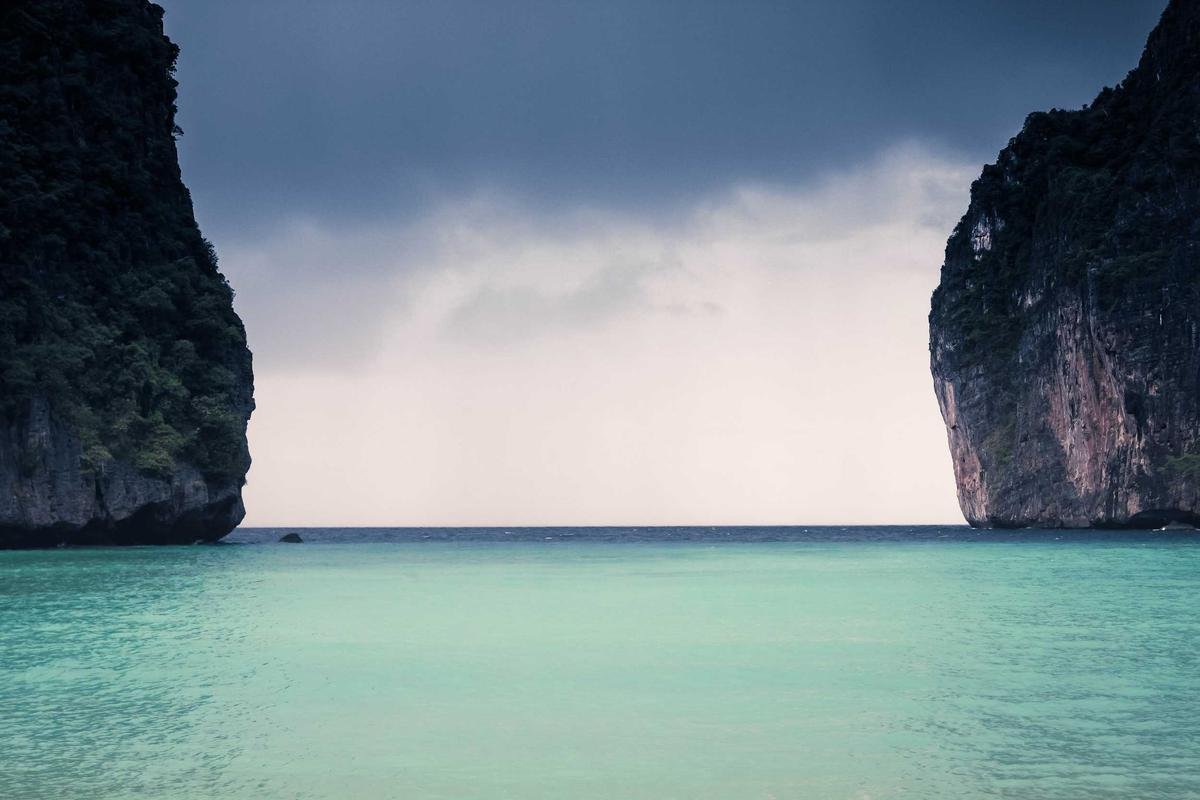 Shawan County landscape – Tianshan Mountains northern foothills” />
Why Visit Shawan County?
Most travelers speed through Shawan on their way to Yili or Karamay, not realizing they’re missing one of Xinjiang’s most rewarding stops. Here’s why Shawan deserves a place on your itinerary:
- Birthplace of Big Plate Chicken — Taste the original recipe where it all began
- Lujiaowan Grassland — One of the most beautiful alpine pastures in northern Xinjiang
- Anjihai Grand Canyon — A photographer’s dream of red rock formations
- Shawan Hot Springs — Natural thermal springs in the Tianshan Mountains
- Convenient location — Just 2 hours from Urumqi, perfect for a stopover
- Less touristy — Experience authentic Xinjiang without the crowds
The Legend of Big Plate Chicken
The story goes that in the 1980s, a truck driver from Sichuan came to Shawan and asked a local restaurant owner, Li Shilin, to cook something filling and spicy. Li experimented with local ingredients — free-range chicken, Anjihai chili peppers, potatoes, and belt noodles — and created what we now know as Big Plate Chicken.
Today, you can still visit the “Big Plate Chicken Street” (大盘鸡一条街) in Shawan, where dozens of restaurants serve their own version of this dish. The original restaurant may be gone, but the spirit lives on in every steaming plate. The Shawan Big Plate Chicken cooking technique has even been listed as an intangible cultural heritage of Xinjiang.
Top Attractions in Shawan
1. Lujiaowan Grassland (鹿角湾)
Located about 80km south of Shawan city, Lujiaowan is one of the most accessible and beautiful alpine pastures in northern Xinjiang. The name means “Deer Horn Bay” — legend has it that wild deer used to shed their antlers in this valley. This is actually one of the best kept grassland secrets in northern Xinjiang.
What to do:
- Horseback riding across flower-covered meadows (50-100 RMB/hour)
- Stay in a Kazakh yurt and experience nomadic life
- Hike to viewpoints overlooking the grassland
- Photograph the snow-capped Tianshan peaks in the distance
- Visit a local Kazakh family and learn about their culture
Best time to visit: June to September, when the wildflowers are in bloom and the weather is pleasant (18-25°C). July and August are peak months when the grassland is at its greenest.
 Lujiaowan Grassland – alpine pasture near Shawan” />
2. Anjihai Grand Canyon (安集海大峡谷)
Also known as the “Red Mountain Grand Canyon,” this geological wonder is one of Xinjiang’s most dramatic landscapes. The Anjihai River has carved a deep gorge through red rock formations, creating a natural masterpiece that looks like it belongs on Mars. This hidden gem is only now gaining recognition among photographers and adventurous travelers.
Photography tips:
- Best light: Golden hour (sunrise or sunset)
- Viewpoint: Safe viewing areas are marked — don’t get too close to the edge!
- What to capture: The contrast between red rocks and green river, layered geological formations
- Drone photography: Allowed in some areas, but check locally
Note: The canyon is largely undeveloped, so come prepared with sturdy shoes and plenty of water. There are no entrance fees, but also no facilities, so plan accordingly.
3. Shawan Hot Springs (沙湾温泉)
After a long day of sightseeing, there’s nothing better than soaking in natural hot springs. Shawan has several thermal spring resorts fed by mineral-rich waters from the Tianshan Mountains. The hot springs have been used for centuries by locals for their therapeutic properties.
Recommended: Shawan Hot Spring Resort (沙湾温泉度假村) — Overnight packages start around 300-500 RMB, including accommodation and unlimited pool access. Some rooms even have private hot spring tubs.
Best time: Winter (November to March) is ideal for hot spring bathing, when the outside temperature is below zero but the pools are steaming hot — a magical experience.
4. Dongdatang Scenic Area (东大塘风景区)
A lesser-known gem featuring pristine spruce forests, alpine waterfalls, and wooden hiking trails. It’s much quieter than the popular spots, making it perfect for a peaceful forest bath (shinrin-yoku). The area is particularly beautiful in autumn when the leaves turn golden.
5. Anjihai Chili Pepper Plantations
Shawan’s Anjihai region produces some of the best chili peppers in Xinjiang. If you’re visiting in September or October during harvest season, you can see the red chili peppers spread out to dry in the sun — a spectacular sight and a great photo opportunity.
Where to Eat in Shawan
Unsurprisingly, the food scene in Shawan revolves around Big Plate Chicken. But there’s more to local cuisine than just one dish:
- Big Plate Chicken (大盘鸡) — The original! Look for restaurants on “Big Plate Chicken Street” (乌鲁木齐西路). A medium plate feeds 2-3 people (60-80 RMB). Pro tip: Ask for “belt noodles” (皮带面) to soak up the delicious sauce.
- Anjihai Chili Peppers (安集海辣椒) — These locally grown chilies are what give Shawan’s Big Plate Chicken its distinctive flavor. Buy a bag of dried chilies to take home.
- Kazakh Hand-pulled Noodles (拉条子) — Often served alongside Big Plate Chicken, these thick, chewy noodles are perfect for soaking up the spicy sauce.
- Shawan Liangpi (沙湾凉皮) — A cold noodle dish that’s perfect for hot summer days. The noodles are made from wheat flour and served with a spicy, garlicky sauce.
- Local Dairy Products — Try the homemade yogurt and cheese from local Kazakh families. It’s richer and tangier than store-bought versions.
Getting to Shawan
From Urumqi:
- By car: 180km, about 2 hours via G30 Lianhuo Expressway. The road is in excellent condition.
- By train: Shawan Station is on the Lanzhou-Xinjiang railway line. Trains from Urumqi take about 2.5 hours (soft seat ~50 RMB).
- By bus: Regular buses depart from Urumqi South Bus Station (2.5-3 hours, ~40 RMB). Buses run every hour from 8am to 8pm.
From Shawan to other destinations:
- To Yili: 300km, 4-5 hours via G30
- To Karamay: 120km, 1.5 hours
- To Duku Highway (north entrance): 40km to Dushanzi, then you’re on the highway! Shawan is the perfect place to stock up on supplies before starting your Duku Highway adventure.
Where to Stay
- Budget: Shawan has plenty of budget hotels near the train station (80-150 RMB/night). These are basic but clean and comfortable.
- Mid-range: Hot spring resorts in the southern mountains (300-600 RMB/night, including breakfast). This is the best option if you want to relax and enjoy the natural hot springs.
- Unique: Stay in a Kazakh yurt at Lujiaowan Grassland (150-300 RMB/night, includes dinner). This is a once-in-a-lifetime experience — sleeping under the stars in a traditional felt tent.
Sample 2-Day Itinerary
Day 1:
- Morning: Arrive in Shawan from Urumqi (2 hours by car or train)
- Lunch: Big Plate Chicken on “Big Plate Chicken Street” — try the original recipe!
- Afternoon: Visit a local market to buy Anjihai chili peppers and other local products
- Evening: Drive to Shawan Hot Springs (1 hour), check into a hot spring resort
- Night: Soak in the hot springs under the stars
Day 2:
- Morning: Another soak in the hot springs (it’s addictive!)
- Late morning: Drive to Lujiaowan Grassland (1.5 hours from the hot springs)
- Lunch: Picnic or eat at a local Kazakh family’s home (arrange in advance)
- Afternoon: Horseback riding and hiking at Lujiaowan Grassland
- Late afternoon: Visit Anjihai Grand Canyon (on the way back to Shawan)
- Evening: Return to Urumqi or continue to Yili/Karamay
Optional Day 3: If you have more time, visit Dongdatang Scenic Area for hiking and photography, then return to Urumqi in the evening.
Travel Tips
- Best time to visit: June to September for grassland and outdoor activities; October to March for hot springs and chili pepper harvest
- What to pack: Sunscreen (the sun is strong at high altitude), layers (mountain weather changes quickly), sturdy shoes for canyon hiking, swimsuit for hot springs
- Language: English is rarely spoken, but translation apps work fine. Learn a few phrases in Mandarin if you can: “Da Pan Ji” (Big Plate Chicken), “Duo shao qian?” (How much?), “Xie xie” (Thank you).
- Payment: Alipay and WeChat Pay are accepted everywhere. Carry some cash (100-200 RMB) for small purchases at rural spots.
- Internet: Mobile coverage is good in Shawan city and along major roads, but spotty in remote areas like Lujiaowan Grassland. Download offline maps before you go.
- Altitude: Shawan is at an elevation of about 500-1000 meters, so altitude sickness is not a concern. But Lujiaowan Grassland is at 1500-2000 meters, so take it easy on your first day.
Why Shawan Should Be on Your Xinjiang Itinerary
Shawan may not have the international fame of Kashgar or Kanas, but that’s exactly why you should go. It’s authentic, unpretentious, and deeply rooted in Xinjiang’s culinary and natural heritage. Whether you’re a foodie chasing the perfect Big Plate Chicken, a photographer looking for dramatic landscapes, or just a traveler who likes to explore places that aren’t in every guidebook — Shawan County will surprise you.
And who knows? Maybe after tasting the original Big Plate Chicken in its birthplace, you’ll never want to eat it anywhere else again. That’s what happened to me — and I’m not even sorry.
Have you been to Shawan? What was your favorite dish or sight? Let us know in the comments below!
Practical Information
Shawan Tourist Information Center: Located in Shawan city center, near the main bus station. Open daily 9am-6pm (summer), 10am-5pm (winter).
Emergency contacts:
- Police: 110
- Ambulance: 120
- Tourist hotline: +86-993-XXX-XXXX (check locally for current number)
Useful phrases in Mandarin:
- “Da Pan Ji duo shao qian?” — How much for Big Plate Chicken?
- “You tu ran ma?” — Do you have a map?
- “Wo yao qu…” — I want to go to…
Disclaimer: Prices and schedules mentioned in this article are approximate and subject to change. Please verify locally before your trip.