
Pishan (Guma): A Quiet Desert Oasis on Xinjiang’s Southern Edge
A Dot on the Southern Edge
Pishan sits in the Hotan Prefecture of southern Xinjiang, where the G315 highway bends south toward the Karakoram and the Taklamakan desert presses in from the north. On most itineraries it is a blur in the window, a name you pass at 100 kilometers per hour. I almost did that. Then a local in Hotan told me the poplars around Pishan turn the color of old brass in November and the melon fields smell like the end of summer, and I built a day around it.
He was right, partly. Pishan is not a headline destination. It does not have a famous ruin or a lake with a postcard. What it has is the texture of southern Tarim life without the gloss of the bigger towns: irrigated fields cut into the sand, mud-brick walls the color of the ground, and a pace that assumes you are not in a hurry.
This guide is for self-drivers who want to understand the south by slowing down in one of its quiet counties, not just photographing its landmarks.
Getting There and Why the G315 Matters
Pishan lies on the G315, the highway that runs from the Qinghai border across the south of the province to Kashgar. Approaching from the east, you come through the G315 Qinghai–Xinjiang corridor, a long desert transit that makes Pishan feel like an oasis earned. From the west, it is an easy run out of Kashgar or Hotan. Either way, the county is a natural coffee-and-fuel stop that repays a longer look.
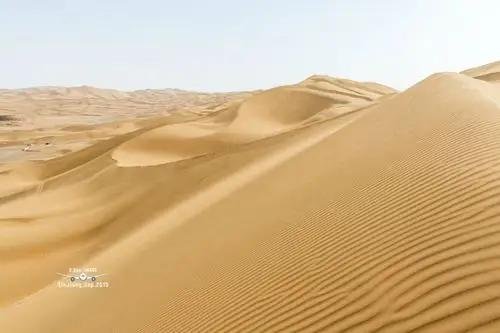
I drove in from Hotan, about 170 kilometers west, on a morning when the light was flat and silver. The road is good, twin-lane, and almost empty. The desert on the north side is the north edge of the Taklamakan, the largest shifting-sand desert in China, and on that empty road you feel its scale without ever leaving the pavement.
What to Actually Do in Pishan
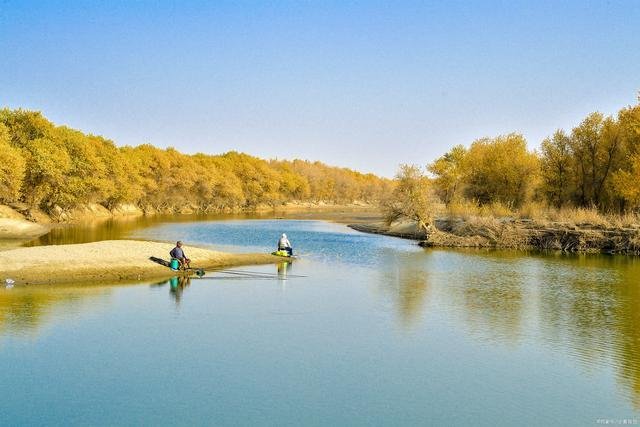
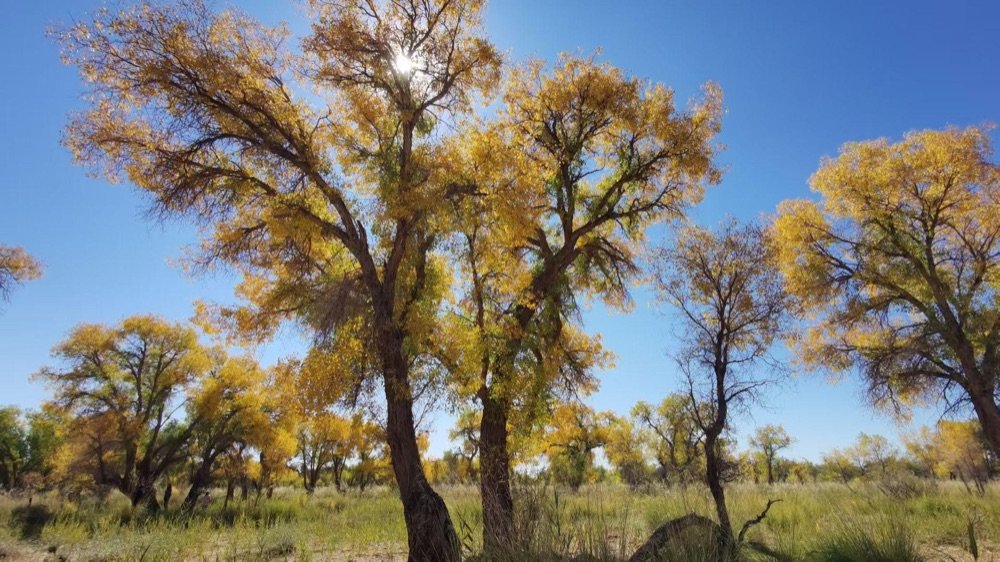
Start with the poplars. The county’s canals are lined with them, and in late autumn the leaves turn and the whole irrigation network glows. I spent an hour just walking a raised canal path outside the main town, listening to water and watching a boy lead a donkey cart loaded with stalks. It was the most relaxing hour of the trip.
Then the melon fields. Pishan grows the same sweet melons the region is known for, and in season the roadside sells them by the pile. A whole melon cost me less than a bottle of water would back home. The fruit traditions of the Silk Road run deep here, and tasting them at the source is the point.
The town itself has a bazaar on its set days, a few decent noodle joints, and a mosque whose courtyard is open and quiet. Nobody rushed me. I sat, drank tea, and watched the afternoon thin out.
Where Pishan Fits in a Southern Loop
Pishan works as a breathing space between the heavier hitters. Most travelers use Hotan as their southern base; the Hotan guide covers the jade markets and the old river culture an hour west. Pishan is the gentler counterpoint, a place to see how ordinary southern life is lived rather than performed.
If your route runs east toward the desert highways, the nearby poplar stands connect to the wider Tarim poplar forests that draw photographers each autumn, though those headline groves are further north. Pishan’s trees are humbler and, I would argue, more honest.
Logistics That Make It Easy
Pishan has fuel, ATMs, and a couple of hotels that are basic but clean. I paid around 160 yuan for a room with a working heater and a hot shower, which in November in the south is worth more than it sounds. Food is easy and cheap: laghman noodles, polo rice with carrot and raisin, and fresh naan from the corner bakeries that seem to operate every hour the sun is up.
Signal is fine in and around the town. The empty desert roads nearby are where it fades, so load your offline map before you go looking for a particular canal or grove. The distances are small but the landmarks are subtle.
A Half-Day Itinerary I Would Repeat
Morning: drive the canal roads north of town, stop wherever the poplars are thickest, walk. Late morning: the bazaar, if it is a market day, for nuts, dried apricots, and the kind of fig that does not travel well and so you only get here. Lunch: a noodle shop, no name, chosen by which one has the most locals. Afternoon: a slow drive east along the G315 to watch the light move across the sand, then back for tea and an early night.
None of it is exhausting. That is the gift of a place like Pishan. It asks little and gives back a clear sense of a working southern oasis.
When to Come
Spring and autumn are kindest. Summer is fierce, with daytime heat that sits on you like a hand, though the canals and shade make it manageable. Winter is cold and quiet, the poplars bare, the fields resting; I would not plan a whole trip around it, but a clear November day among the turning leaves is the image I keep.
If you are building a southern route, slot Pishan between Hotan and the long desert drive east. It breaks the transit into something with a heartbeat.
The Case for the Unfamous
Xinjiang rewards the famous stops, no question. But the south is also a mesh of counties like this one, each with its water, its trees, its market, and its own rhythm. Driving Pishan taught me to read that mesh instead of skipping over it. The jade city will still be there tomorrow. The quiet canal at golden hour will not wait.
A Slow Morning I Did Not Plan
I had budgeted two hours for Pishan and stayed five. The reason was a grandfather sitting on a low wall who waved me over to a game of something with stones and a drawn grid in the dirt, and who, when he learned I was a traveler, insisted I taste his wife’s dried figs and refused any money. That is the entire case for places like Pishan. The schedule said move on; the morning said stay. I stayed, and the drive east that afternoon was better for it.
This is the part of southern Xinjiang that itineraries compress into a transit line. Slowing down turns the line into a place.
Practical Numbers
Pishan is about 170 kilometers east of Hotan on the G315, a two- to three-hour drive depending on stops. Fuel in town is reliable. A basic hotel runs 140 to 200 yuan. Food is 30 to 60 yuan for a filling noodle or rice meal. The bazaar, on its set days, is where you spend the least and learn the most; I left with a kilo of dried apricots for 25 yuan and a story for free.
If you are coming from Kashgar instead, Pishan is a longer run, closer to 500 kilometers, so it works better as a Hotan-side stop. Either way, treat it as a half-day minimum. Anything less and you have only seen the road through it.
What to Carry Into the County
Cash in small bills. A refillable water bottle; the tea houses will fill it. A light scarf for the mosque courtyard and the wind. And patience, which is not something you pack but something you decide to bring. The south runs on a different clock, and the traveler who fights it sees less than the one who yields.
I also keep a small notebook for the names of things: a variety of melon, a family’s village, a word in the local tongue. Months later these notes are more useful than any photo, because they recall the conversation the picture cannot.
Adding Pishan to a Southern Route
The sensible southern loop runs Kashgar to Hotan along the G315 or the faster roads, then either back or east into the desert corridors. Pishan slots between Hotan and the eastern desert drive, a green pause before the long sand. I would not build a trip around it, but I would refuse to skip it once nearby, because the south is a collection of counties like this, and understanding one makes the others legible.
The jade city of Hotan, an hour west, is the headline; the Hotan guide covers it properly. Pishan is the footnote that turns out to be the most human page. Drive the north edge of the Taklamakan with Pishan in mind and the desert stops being only sand and starts being a working oasis you briefly shared.
The Case, Restated
Xinjiang is massive and the famous sites deserve their fame. But the quiet counties are where the region’s daily genius, the business of living where the water ends, becomes visible. Pishan taught me to read that genius. Come for an hour, stay for a morning, leave with figs and a story. That is a good day’s work on any road.
A Morning I Would Repeat
The best Pishan morning I had started with no plan. I parked at the edge of the green, walked a canal path into the trees, and within ten minutes a man pruning a fig was waving me over with a knife and a fruit still warm from the branch. We shared no language, only the gestures of offering and thanks, and I left with a fist of figs and a clearer sense of the oasis than any signed viewpoint gave me. The county rewards the wanderer who stops the car and walks, and punishes the one who only rolls past the main street at speed.
Getting There and the Road Back
Pishan sits on the main southern highway, an easy hour or so east of Hotan and well within a day’s loop of the Taklamakan’s north edge. The approach road is paved and dull in the good sense: no surprises, no closures in normal weather, just the slow green appearing out of the sand. I used it as a reset between two long desert legs, fueling and watering in town and rolling out with a full tank and an empty afternoon. Treat it as a hinge, not a destination, and the southern drive becomes calmer for it.
If you go in late summer, ask for the figs and the melons by name at the roadside stalls; the Pishan melon is small and sweet and not the famous Hami one, and the locals are quietly proud of the difference. A kilo costs a few yuan and tastes of the oasis in a way no supermarket fruit ever will. That small purchase, more than the photos, is what I remember of the place, and what I tell people to do when they ask whether the quiet counties are worth the detour.