

Corn Country: How Xinjiang Turns Maize Into Yopka, Noodles and Roadside Roasts
The First Cob I Bought on a Tarim Back Road
I still remember the heat coming off the pan. It was late July, the air had just dropped below 40 degrees, and I was driving the old road south of Korla toward the Tarim River. A man had pulled his cart to the edge of the asphalt, a steel drum cut in half and filled with sand, glowing coals underneath, and a dozen cobs buried in the heat. He dug one out with a pair of tongs, peeled back the charred husk, and handed it over for three yuan. That cob rearranged how I understood this region.
Most foreign travellers arrive in Xinjiang expecting lamb, naan, and the long flat breads pulled from tandoor ovens. Corn sits quietly behind all of that, and it is everywhere once you start looking. The same roadside roast that cost me three yuan in the south follows you north through the valleys of Ili and east into the Turpan depression, where the cobs dry on rooftops under a sun that barely lets go.
Where the Maize Actually Grows
Xinjiang is a hard place to farm. Most of the land is desert, and the fields exist only where a river or a canal drags water out of the mountains. Maize is one of the crops that holds those oases together, planted in narrow ribbons beside the cotton and the wheat and the grape rows of Turpan.
The Tarim oasis fields
The Tarim Basin is the great bowl of the south, ringed by the Taklamakan and fed by rivers that die in the sand. Drive the 480 kilometres from Urumqi to Korla and the green thins out, then snaps back to life wherever a channel reaches the fields. Around Aksu and west toward Kashgar, smallholdings tuck maize between the orchards, and the same families that sell you a roasted cob in summer are the ones storing dried grain for the winter polo.
I spent a morning in a village south of Aksu watching a man in his fifties shuck a pile that would have filled the back of a pickup. He told me the planting goes in around April, after the last frost risk, and the crop stands through the dry heat of June and July before the harvest in September and October. The numbers on the co-op signs posted by the road matched his claim: irrigated plots here push past ten tonnes per hectare, high even by Chinese standards, because the light is relentless and the water is metered to the row.
Turpan sits at the other extreme of the southern story, a depression 150 kilometres southeast of Urumqi where the summer temperature routinely clears 45 degrees and the fields survive on karez, the underground channel system that has fed this oasis for a thousand years. The corn there is a small, sweet variety, and in August you see the cobs laid out on flat rooftops to dry, the husks peeled back like paper lanterns, the whole village smelling faintly of toasted sugar. I pulled over near the town of Tuyuq and bought a dried cob for two yuan that I later rehydrated into a stew in my hotel room, and it tasted of the heat it had been made in.
The northern valleys and Ili
Turn the map around and the corn gets lusher. The Ili valley in the far west, around Yining, sits roughly 700 kilometres from Urumqi and catches weather the south never sees, moist air off the mountains that keeps the fields green into late summer. The Junggar Basin north of the Tianshan runs cooler still, and the towns of Manas and Shihezi spread maize across land that feeds the region’s dairy herds and the horses of the Kazakh camps.
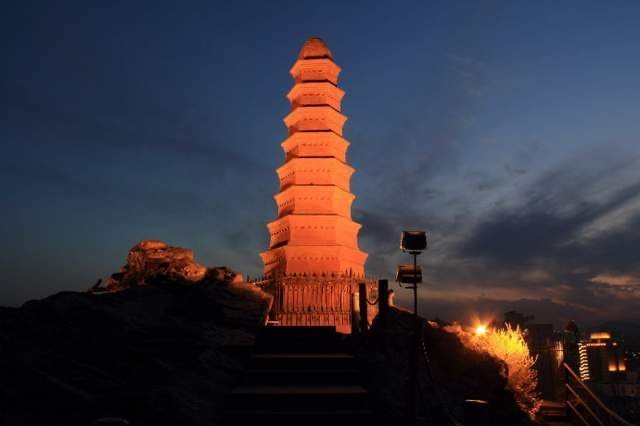
This split is the whole story of corn in the region. In the south it is a survivor crop, grown where nothing else quite pays. In the north it is a feast crop, fattened on rainfall and altitude, and the dishes change with it.
Yopka, the Corn Cake That Follows You North
Ask for yopka and you may get a shrug in the south and a grin in the north. The word travels with the people who make it: a griddle cake of fresh corn, grated or ground, bound with a little flour and an egg, pressed flat and fried until the edges go lacquered and brown. In Urumqi’s morning markets I found it sold from round cast-iron pans, three or four yuan a piece, eaten standing up with a cup of milk tea.
How it is made
The version I liked best came from a stall near the railway market, where the cook grated the kernels by hand into a wooden bowl, folded in a pinch of salt and a spoon of wheat flour, then ladled the batter onto a screaming hot plate. Two minutes a side. The result was sweet in the middle and crisp at the rim, closer to a corn fritter than to bread, and nothing like the dry polenta I had braced myself for.
Regional variation is real. Around Yining the cakes lean richer, often folded with a little cream or a scrape of cheese from the Kazakh dairies, and they come off the griddle almost custardy in the centre. Down in the south the same cake is drier and firmer, built to travel, the kind of thing a truck driver buys at a junction and eats a hundred kilometres later without complaint. I tried both on the same September trip and preferred the northern one by a hair, though the southern one won on price, at two yuan against the four I paid in the city.
If you want to understand why a plain cake matters here, read the deeper story of Silk Road food culture before you come. The grain sits at the crossroads of so many kitchens that its plainest form tells you more about the land than any banquet does.
Corn Noodles and the Long Winter Kitchen
Northern Xinjiang eats its corn ground fine. In Tacheng and the settlements along the Ili river, cornmeal gets worked into noodles that are paler and a little coarser than wheat laghman, with a faint sweetness that holds up against tomato and mutton. I ate a bowl in Yining in early November, the first cold snap already on the steppe, and the corn noodles carried the broth in a way wheat never quite manages.
These are not restaurant dishes in the way a traveller expects. You find them in homes and in the canteens of the long-distance bus stations, the ones that open before dawn for drivers heading into the mountains. The corn gives the noodles a short shelf life, so they are made the morning they are eaten, and the cook waves you off if you ask for a printed menu.
Maize in the Big Pots: Polo and Stews
Polo, the pilaf of rice and carrot and lamb that anchors every celebration, rarely gets made with corn. But in the lean months, and in the home kitchens far from the banquet halls, a corn polo shows up, the rice cut with cracked maize so the pot stretches to feed a table of ten. I tasted it in a village between Korla and Kucha, where the host explained that the corn was there because October’s harvest had to last until spring.
Stews are where corn really earns its place. Fresh cobs cut into short rounds go into the tomato and potato pots of the north, and the dried kernels of the south rehydrate into the winter stews that sit simmering through January. The shelf that makes all of it sing is worth studying before you travel; the spices that define the region’s pantry turn a pot of maize and mutton into something you will dream about later.
A Driving Route Through Corn Country
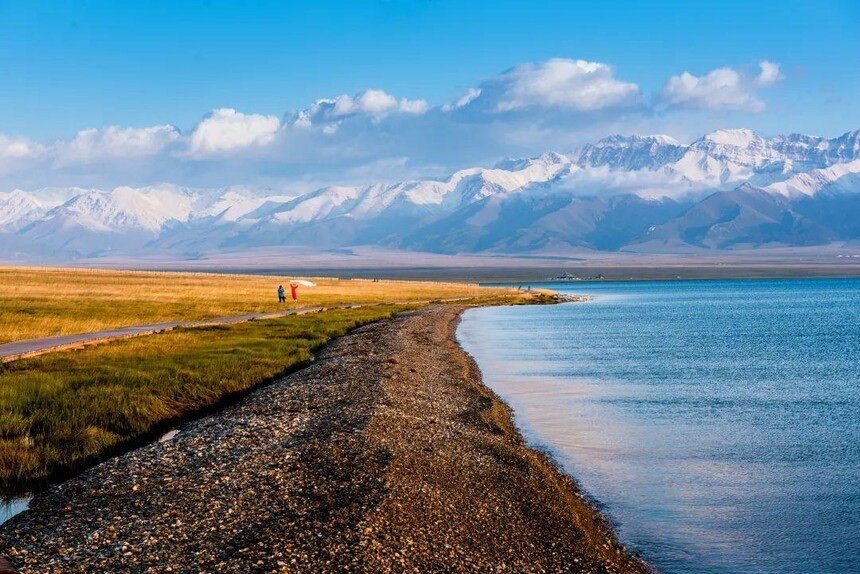
If you want to see the whole arc of the crop in a single trip, I would start in Urumqi and run south on the G314, the road that becomes the Karakoram Highway past Kashgar. The first corn you meet is the roadside roast, within an hour of leaving the city, and it stays with you all the way to the Tarim. Budget a day for the 480 kilometres to Korla, another long day to Aksu at roughly 1,000 kilometres from Urumqi in total, and a final push to Kashgar if your schedule allows.
Then double back north through the Tianshan passes to Yining, about 700 kilometres of winding road that drops you into the green of Ili just when the southern heat has worn you down. The contrast is the point. Two climates, two corns, one plant, and you can taste the difference inside a single week of driving.
Where to Buy Corn Off the Vine
The best prices are not at the tourist stands. In Urumqi the wholesale edge of the Hongshan market sells fresh cobs by the net bag through August and September, and a full bag of twenty runs about ten yuan. Kashgar’s Sunday bazaar spreads dried corn and cornmeal alongside the dried apricots and the chili strings, and a kilogram of the ground meal costs around six yuan. I bought a sack there in October and carried it north in the back of the car, and it outlasted the trip.
For cooked corn on the move, the stalls outside the long-distance bus stations are the move. They open early, they close when the coach does, and the roast is usually a yuan cheaper than the carts on the main squares. The gap between a two-yuan cob and a five-yuan cob is rarely the corn. It is the view.
Practical Notes for the Road
The roadside roast runs from July through September in the south and a little later up north, priced at two to five yuan a cob depending on size and how remote the stand. Yopka hovers around three or four yuan in the city markets and a bit less in the villages. Corn noodles are a morning thing, so arrive before nine if you want a hot bowl.
The wider street food circuit under 20 yuan will keep you fed between corn stops, and if you are avoiding meat, the plant-based options across the region are better than the guidebooks admit, with corn dishes doing a lot of the quiet work. For something with more heat, the fried rice noodles that have taken over western China sit on nearly every menu from Urumqi to Hotan.
When to Go
I would plan a corn trip for September. The harvest is in full swing, the roasting stands are still out, and the northern valleys have not yet shut down for winter. April and May show you the planting, but the fields are bare and the food is lean. Winter is stew season, intimate and good, but the roadside cobs are long gone by December, and you will be eating the dried grain instead of the fresh one.
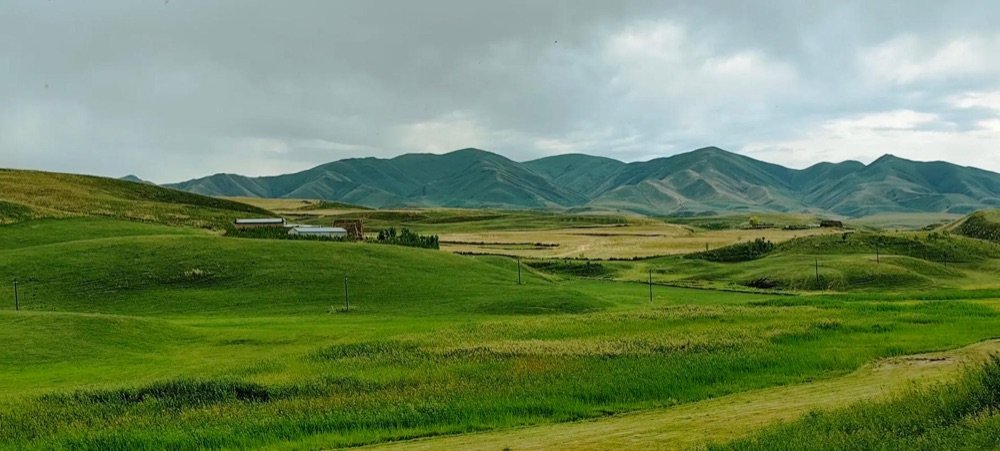
That is the trade the region makes with its corn. The fresh cob is a summer gift, brief and sweet, and the rest of the year the grain goes into the pots and the cakes and the noodles that carry the kitchens through. Drive the loop once and you will stop seeing corn as a side note. It is the thread that runs from the Tarim to the Ili, and it is worth following.