
Ice Skating on Frozen Lakes: A Xinjiang Winter Day Trip
When Xinjiang Turns to Glass
I still remember the morning of January 14, 2024. I had driven out of Urumqi before sunrise, the thermometer on my dash reading minus 23 degrees Celsius, and by 9 a.m. I was standing on Sayram Lake with the wind off the Tianshan cutting straight through three layers. The water that had been a deep sapphire in summer was now a single sheet of opaque blue-grey ice stretching to a white horizon. A Kazakh boy no older than ten skated past me backward, laughing, his breath hanging in the air like smoke. That was the day I learned Xinjiang in winter is not a place you merely visit. It is a rink the size of a country.
Self-drivers get the secret season here. The tour buses are gone, the passes are quieter, and the lakes freeze hard enough to hold a car. You just need to know which lakes to trust and how to reach them alive.
Which Lakes Reliably Freeze
Not every body of water in Xinjiang is safe, and a few are world-class. After four winters on the road here, these are the ones I return to.
Sayram Lake
Sayram Lake sits at 2,073 meters in the Tianshan, about 310 km west of Urumqi near the city of Karamay on the way to the border. By late December the surface is usually a solid 30 to 50 cm of ice. The lake is huge and the wind keeps snow blown clear in places, which gives you long, fast swathes of natural ice. I measured 42 cm with an auger near the southern shore on that January trip. The only hazard is the wind, which can drop visibility to nothing in twenty minutes.
Kanas
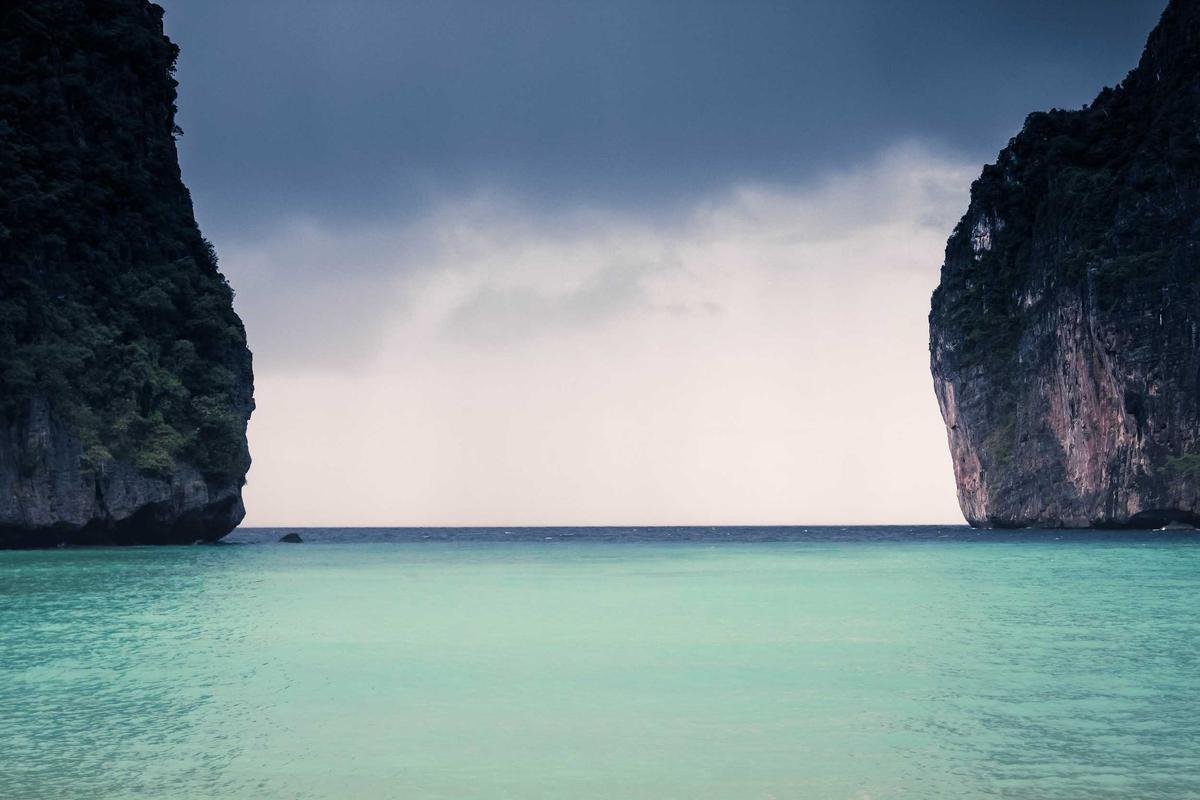
Up in the Altai, Kanas freezes later and stays frozen longer, often from mid-December into early March. The village road closes to normal traffic some years, so check before you commit the drive. When it is open, the lake offers sheltered bays protected from the worst of the Altai wind, and the surrounding forest makes it feel like a private rink. I paid 60 yuan for a hot bowl of laghman in the nearby settlement and skated until the light went flat at 5 p.m.
Ulungur
Ulungur, north of Urumqi toward the Altai fringe, is the locals’ choice. It is a shallow lake, which means it freezes quickly and evenly, and the fishing community there treats the ice as a second home. You will see rows of small huts and holes cut for ice fishing on the same lakes. Skating between the huts at dusk, with smoke curling from each chimney, is one of the most peaceful things I have done in this region.
Small Reservoirs Near Urumqi
With just one free day, skip the long haul and hit the reservoirs within 40 to 80 km of Urumqi. They freeze by late December, they are busy with families on weekends, and the short drive means you can bail if the weather turns. I keep a pair of skates in my trunk year-round for exactly these afternoons.
One Saturday in January I followed a tip from a noodle-shop owner and pulled off the highway onto an unnamed reservoir about 55 km west of the city. There were no signs and no parking lot, just a dirt track packed down by other cars and a dozen families already out on the ice. A retired engineer from Urumqi had set up a charcoal stove on a folding table and was handing out cups of sweet milk tea to anyone who stopped by. His grandson, maybe four years old, was wobbling on a tiny pair of skates with a stranger holding each hand. I spent three hours there for the cost of the tea and a packet of sunflower seeds, and drove home with the dashboard clock reading 4 p.m. That is the version of Xinjiang winter I recommend to first-timers: low commitment, high reward, and an easy retreat if the wind picks up.
The Season and Ice-Thickness Safety
The safe window runs from late December through February. Before that, in early December, the ice is forming but uneven, and I would never trust it. After late February, especially at lower elevations, the edges start to rot and the spring sun does strange things to the center. Mark those dates on your calendar and plan around them rather than hoping for an early freeze.
Never step onto ice thinner than 15 cm. That is the minimum for a single skater moving normally. For a group, or if you plan to bring a vehicle onto the ice as some locals do, you want 25 cm or more, and even then I stay well away from anything on wheels.
Stay away from inlets, outlets, and anywhere you see moving water or open springs. These spots stay thin all winter. At Ulungur I once found a patch of only 8 cm next to a drainage channel that looked identical to the 35 cm ice around it. A flat-headed ice spud or a cordless drill with a long bit is worth its weight; tap every few meters when you are exploring new ground.
Always skate with a friend or tell someone your plan. The cold here is not forgiving. A twisted ankle on clear ice, two hours from help, is a real emergency at minus 20.
Learn to read the ice the way the locals do. A low, booming groan that travels up through your boots is the lake shifting, and it is normal on a large sheet during a temperature swing, but a sharp crack that sounds close and keeps repeating means the surface is moving under real stress. Local skaters here use a simple code: three hard taps of a skate blade on the ice means gather in and move toward shore, and it is respected without question. If you hear that sharp crack near you, drop low, spread your weight by lying flat, and crawl or skate to the nearest confirmed thick ice rather than running, which can punch through a thin edge. I have heard the groan a hundred times and the dangerous crack only once, near a tributary mouth at Ulungur, and retreating calmly was the right call.
Bring Your Own Skates or Rent
I bring my own figure skates from home. A decent pair costs 800 to 1,500 yuan in a Western shop and flies free as checked baggage. Renting inside Xinjiang is possible in Urumqi and Karamay, where a few rinks and sports shops offer basic hockey skates for around 30 to 50 yuan an hour, but the quality is hit or miss and the blades are often dull.
Out at the lakes themselves, there is no rental stand. You are on your own. For a self-driver this is actually the joy of it: you arrive, lace up in the trunk, and step straight onto the ice. If you are flying in and renting a car, buy a cheap pair of secondhand skates at a Urumqi market for 100 yuan and leave them behind when you go. The freedom is worth more than the resale value.
Sharpening and Blade Care on the Road
A sharp blade is the difference between gliding and fighting the ice. Out here, where wind-blown dust and grit cross the surface, edges dull faster than they would in a clean indoor rink. I carry a small honing stone and touch up nicks after any session on a packed-snow margin, and once every few winters I mail my skates to a Urumqi shop for a proper hollow grind. Dry the blades the instant you leave the ice. Trapped meltwater rusts a thin figure-skate edge within a day and ruins the next morning’s glide. I learned that the hard way on a frozen reservoir west of Urumqi, when I tossed my skates wet into the trunk and found orange streaks along the steel the next morning. Now I wipe them down, slip them into the cloth guards that came with the boots, and never store them in the hard plastic cases that trap moisture against the metal.
Local Skating Culture and Ice Fishing
Winter skating here is not a performance. It is a daily habit. On any weekend at the reservoirs you will find grandfathers in padded coats doing slow, perfect circles, children on plastic double-runner skates being pushed by parents, and teenagers racing with scarves trailing. Nobody cares about technique. Everybody is just outside.
Fishing culture here overlaps completely. Most frozen-lake days end with a line in the ice. A simple rod, a small stool, and a thermos of tea will buy you hours of company with locals who will share their catch and their stories. I have eaten fresh fried Ulungur fish within an hour of pulling it through a hole I cut myself. Pair your skating trip with ice fishing on the same lakes and you turn a sport into a full cultural day.
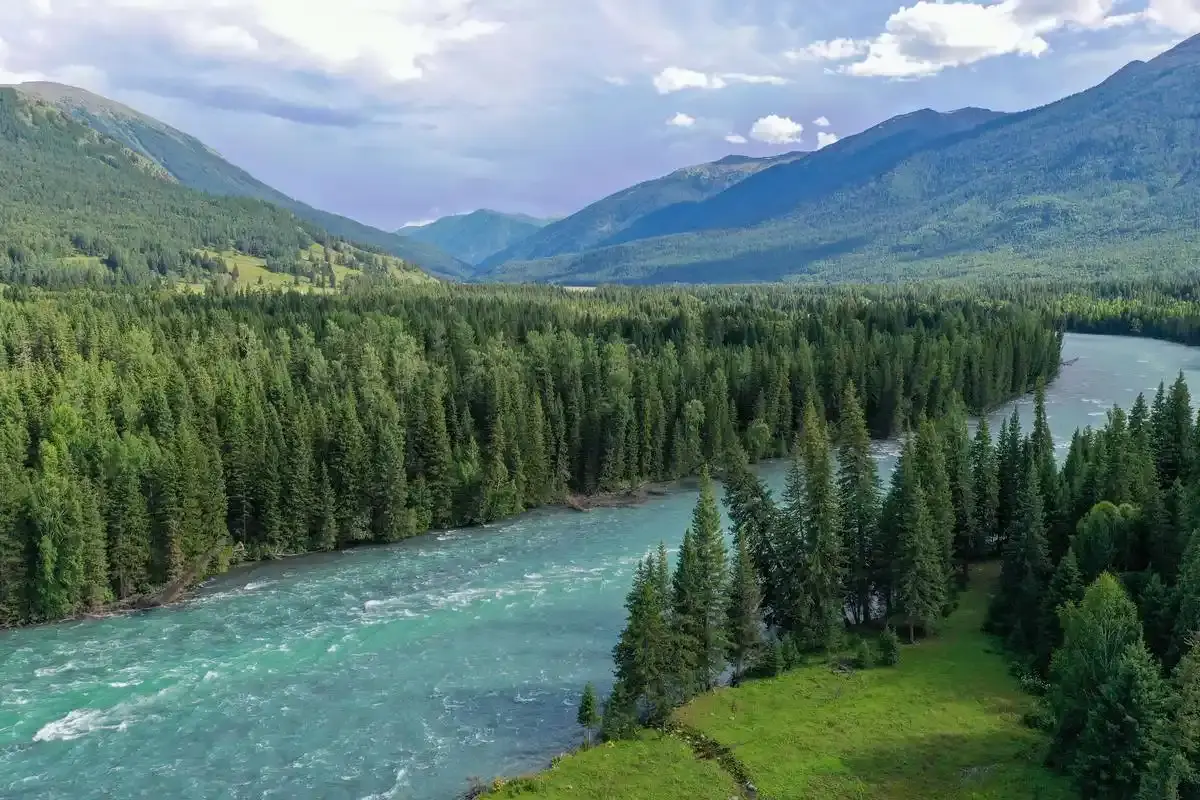
Travelers wanting more than flat ice will find the surrounding mountains invite backcountry ski touring on routes that finish right back at your frozen shoreline. I have skated out at noon and skinned up a nearby ridge by afternoon.
Winter Driving to Reach the Lakes
Getting there is half the adventure and half the risk. From Urumqi, Sayram Lake is a 310 km drive west, roughly four hours in good conditions. Kanas is another world entirely: 700 km north into the Altai, and the Burqin-to-Kanas mountain stretch closes in heavy snow, sometimes for days.
Fit real winter tires before you leave the city. The all-season tires that got you through a Urumqi November will not hold on a shaded Tianshan pass at minus 25. I carry chains as backup and have used them twice on the climb toward Karamay when a snow band dropped 15 cm overnight.
Closed passes are the biggest planning problem. Check the road status each morning, because a pass that was open at 7 a.m. can shut by noon. When the high routes close, drop to the lower reservoirs and enjoy a shorter, safer day. If you want to build skill for the risky sections, study driving mountain passes in winter before you point the car north.
Keep the fuel tank above half. A closed pass can mean a long, cold wait, and a running engine is your only heat. I pack a sleeping bag rated to minus 30, a shovel, a scraper, and three liters of water on every winter trip, even for a day skate.
Clothing and Gear
Dress for standing still in minus 20, not for walking in minus 5. The moment you stop skating, the cold finds you. I wear a merino base layer, a fleece mid-layer, and a down parka rated to minus 30, plus insulated ski pants. Thin liner gloves under heavier mittens let me adjust skates without frozen fingers.
Bring more than you think you need. A thermos of hot tea, chemical hand warmers, a balaclava, and clear goggles for the wind. Sunscreen matters too: ice reflects light, and I have come home from a clear day with burned cheeks. A small first-aid kit and a phone power bank in an inside pocket finish the list.
A Day-Trip Plan from Urumqi
Here is the rhythm I use when I have one free winter day and want to be on ice by mid-morning. Leave Urumqi at 7:30 a.m. with a full tank and winter tires. Drive 60 km to a reservoir west of the city, about a 70-minute run on quiet roads. Lace up at 9 a.m., skate until 11:30, then cut a fishing hole and cook a simple lunch on a small stove while the line sits.
By 1 p.m. pack up and make the slow drive back, stopping in the city outskirts for noodles around 40 yuan. Home before dark at 6 p.m. Total distance roughly 140 km, total cost under 200 yuan including fuel and food, and a full day of ice under your boots.
Want a bigger commitment? The Sayram Lake run is the upgrade: leave at 5 a.m., reach the shore near 9, skate the wind-cleared stretches, and return the same night, a 620 km round trip that tests both your tires and your will. I did it solo in January and watched the stars come out over the ice at 7 p.m. with the heater humming. A gas station outside Karamay sold me a 12 yuan meat pie on the way back, and that greasy meal tasted better than any restaurant dinner. That memory is why I keep coming back.

When the day stretches longer than planned and the passes stay open, you can even try camping overnight on the ice with the right gear, though I only recommend that for experienced winter campers who have checked the ice thickness personally. Most travelers will be happier with the day trip and a warm bed in the city.
Xinjiang in winter asks something of you. It asks for tires, for layers, for respect of a lake that can kill as easily as it delights. Give it those things and it gives back a skating experience no indoor rink in the world can match. I have chased ice from Urumqi to the Altai, and every frozen surface still feels like the first one. Pack the skates, watch the thickness, and go.