
Spending Spring Festival in Xinjiang: Lanterns, Dumplings and Quiet Roads
The Quietest Two Weeks of the Year
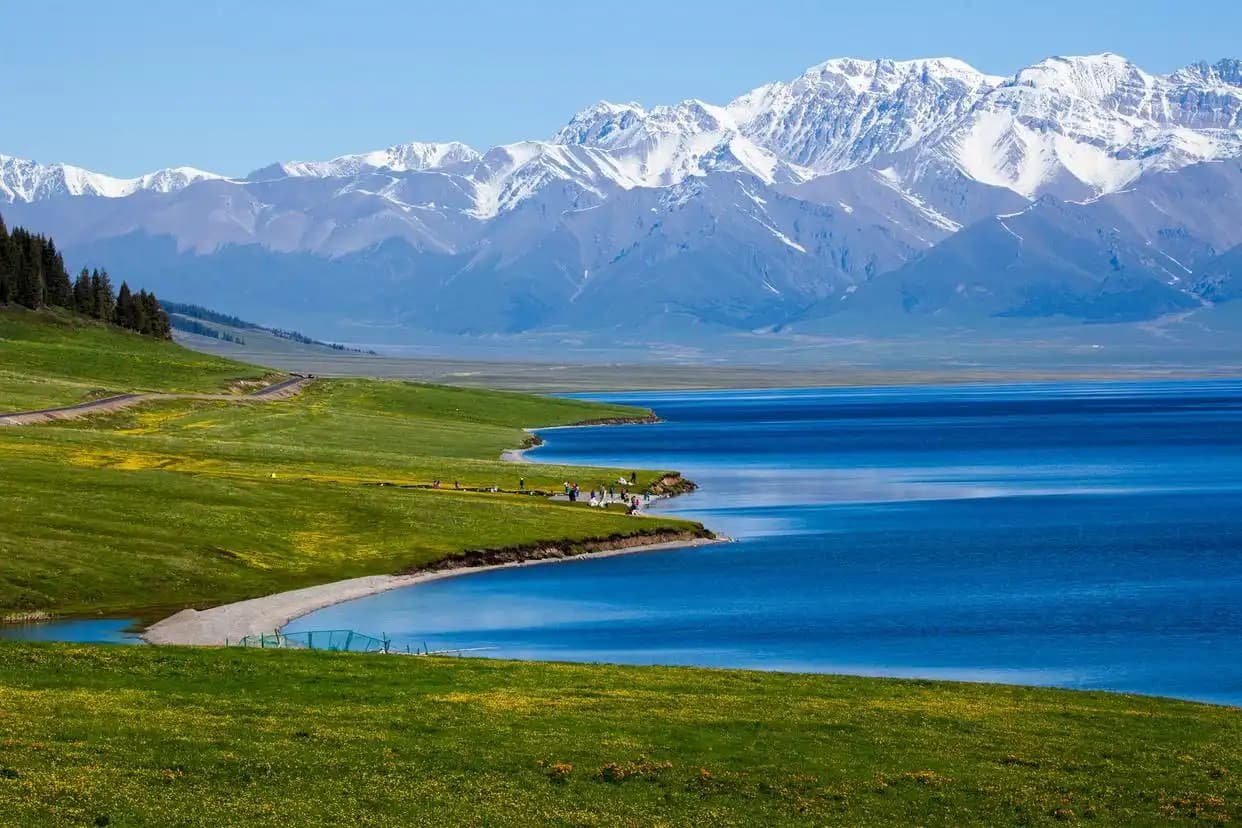
Most foreign travelers plan Xinjiang for summer, when the grasslands are green and the roads are clear. I went once in late January for Spring Festival, and the difference was so stark I almost did not recognize the country. The Duku Highway was closed under snow. The tourist buses were gone. What remained was a working region celebrating its biggest holiday, and a visitor could actually be part of it instead of watching from a queue.
Spring Festival (Chinese New Year) falls on a different date each year; in 2026 it landed in mid-February. It is the one time the whole country pauses, and in Xinjiang that pause has its own texture, part Han tradition, part local Uyghur and Kazakh winter life, all layered over a very cold landscape.
What Actually Happens
In the cities, the holiday means lanterns, red couplets on doors, and family dinners built around dumplings. In Urumqi the main squares get light displays and the Urumqi guide notes the winter museum and bazaar routines that keep running even when offices close. Smaller towns go quieter still, but the night markets that stay open do brisk business in roasted seeds, mutton skewers, and sweet fried dough.
Out in the countryside, Kazakh and Mongolian families mark the season with gatherings around the stove, horse meat, and dairy. It is not the same festival as in Beijing, and that is the point. Xinjiang’s Spring Festival is its own blend.
The Big Practical Catch
Here is the part guidebooks understate: much of Xinjiang simply shuts down for a week or more. Scenic areas close. Some hotels and almost all small restaurants lock their doors. Buses run on holiday schedules. The Golden Week guide covers the autumn holiday crunch; Spring Festival is the opposite problem, too little open rather than too much crowd.
Plan around it. Book the few hotels that stay open, rent a car so you are not dependent on thin public transport, and treat the trip as a cultural one rather than a sightseeing sprint. The month-by-month guide lays out exactly which areas stay accessible in February and which vanish under snow.
Cold, but Rewarding
Pack for serious cold. Northern Xinjiang can sit at -25°C during the festival, and the winter travel guide has the clothing and driving advice you will need, including how to handle a rental on ice. We drove with winter tires and still took the mountain passes slowly. The payoff was empty roads, cheap slopes, and a chance to see the region as locals do in their quiet season.
Festivals Worth Timing Around
If your dates are flexible, the 2026 festivals calendar lists the other celebrations, from Nowruz in spring to the grape festivals of autumn. Spring Festival is the deepest cultural dive, but it is also the most disruptive to logistics. Know which you want before you book the flight.
My Honest Advice
Go to Xinjiang for Spring Festival only if you are comfortable with a slower, colder, less polished trip and you genuinely want the cultural side. If you want green meadows and open passes, come in July. But if you can handle the cold and the closures, the festival weeks show you a side of the region that summer visitors never see: a place resting, eating, and celebrating in the snow.