
Rock Climbing in Xinjiang: Granite Walls, Red Canyons and First Ascents
My First Lead on Xinjiang Granite
The hold felt like a welded handle in the rock. I was forty feet up a clean granite face near Koktokay, palms cold, legs shaking in a way that had nothing to do with fear and everything to do with the previous day’s drive. Below me, the river ran blue and fast. Above, the route kept going. I had climbed indoors for years and never understood why people drove across a continent for a wall until that moment, when the whole Tian Shan opened out beneath my heels.
Rock climbing in Xinjiang is still a secret shared mostly among domestic climbers and the occasional foreigner who hears about it by accident. The rock is world-class: solid granite in the north, dramatic red sandstone canyons in the south, and enough unclimbed lines that you can still claim a first ascent if you are skilled and respectful enough to document it.

Where the Good Rock Is
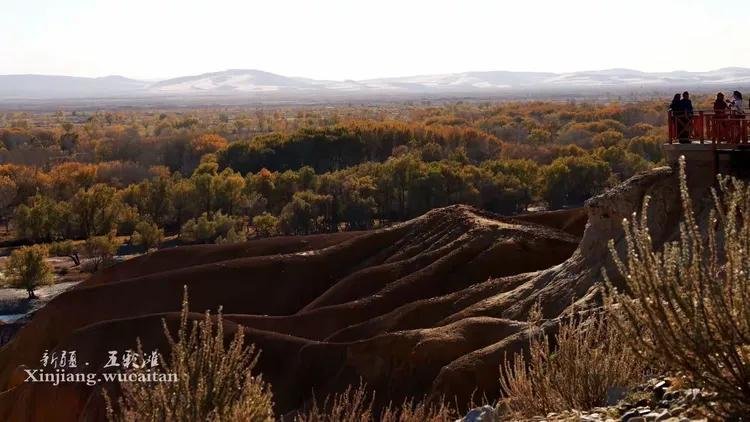
The standout is the Koktokay area in the Altai, where the granite canyon offers both bolted sport routes and long traditional lines. The Koktokay granite canyon guide is written for hikers, but the geology section explains why the rock climbs so well: it is old, dense, and fractured in exactly the right way. Southern Xinjiang’s red canyons around Kuqa and Turpan offer shorter, sharper problems on welded tuff and sandstone, great for bouldering.
Bouldering for the impatient
If ropes and a partner feel like too much logistics, bouldering is the fast route in. The flat red benches outside some Turpan and Kuqa canyons hold problems in the V0 to V5 range, and you only need shoes, a pad, and a friend to spot. We spent a morning on a riverside slab and sent more problems than we expected, then drove to a noodle shop still chalky-handed.
Logistics and the Long Drive
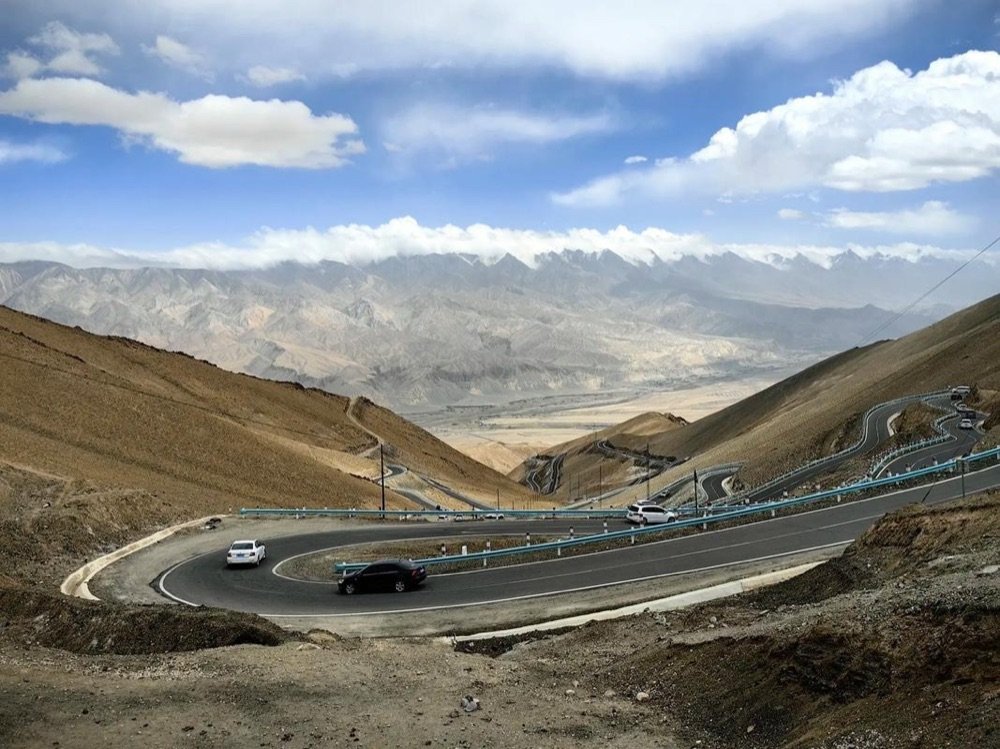
Most crags are far from anywhere, which means a car and a plan. The roadside assistance guide matters here more than for the average tourist, because you may be parking on a dirt track thirty kilometers from help. Tell someone your crag and your return time. Cell signal is spotty in the canyons, and a twisted ankle becomes a real problem only when nobody knows you are out there.
Altitude Changes Everything
Many northern crags sit between 1,200 and 2,000 meters, manageable for most. But the high Tian Shan walls and any approach above 3,000 meters will sap your strength and your judgment. The altitude and health guide is required reading before you rope up high; thin air turns a 5.10 into a 5.12 and a small mistake into a big one.
Trails and Ancient Marks
Several climbing areas double as hiking routes and petroglyph sites. The petroglyph rock art trail points to walls carved thousands of years ago by the same peoples whose descendants still herd nearby. Do not chalk over them, and do not drill near them. The top hiking trails guide helps you build approach days that combine walking and climbing without burning out.
Ethics and the First Ascent
Xinjiang’s climbing culture is young and its access is fragile. Bolt responsibly or not at all on virgin rock; many locals prefer clean aid and trad over permanent hardware. Pack out everything, including tape and wrappers. And if you do open a new line, leave a note at the nearest ranger post. The climbing here will reward a generation of visitors only if the first generation treats it well.
Why It Stuck With Me
I have climbed in better-known places, but none gave me the mixture Xinjiang did: the silence, the scale, the smell of the river, and the knowledge that the route under my hands might not have seen a foreign climber before. Bring your gear, bring your manners, and bring more water than you think. The rock will do the rest.