Balikun Kazakh County: Grassland, Salt Lake, and Wind at the Edge of Hami
The County at the End of the Eastern Tianshan
Balikun sits further east than most foreign drivers ever reach. It is a Kazakh autonomous county in Hami prefecture, tucked into a high basin at 1,550 m where the Tianshan bends toward the Gobi. I got there by accident in 2021: a plan to loop Hami and head back east collapsed when a sandstorm closed the G7, and a road sign pointed north to “Balikun — 70 km.” I went, and found the most unexpectedly complete small town in the region: a walled Qing-era city, a mirror-still salt lake, and a grassland that goes gold in September.
Balikun is not on the way to anywhere. That is the point. It is a detour, and detours are where Xinjiang hands you its best quiet.
The Drive In
From Hami city the road (S302) climbs out of the desert and onto the plateau in about 90 minutes. The first 30 km are flat Gobi; then the road winds up a series of switchbacks where the air cools ten degrees every twenty minutes. At the top you crest a pass and the whole basin opens below — green grassland, a long thin lake, and the grey walls of the old town. I pulled over at the viewpoint and just sat. After two weeks of desert the green hit like a cold drink.
The S302 is sealed and in good shape, but it is high and exposed. In winter (November to March) it ices over and local drivers fit chains; the rental desks in Hami will tell you flatly not to take it in January. I went in late September and hit a sleet squall at the pass that dropped visibility to 50 m for ten minutes. Slow down, use hazards, and wait it out — the weather clears as fast as it arrives.
Balikun Lake and the Salt Flat
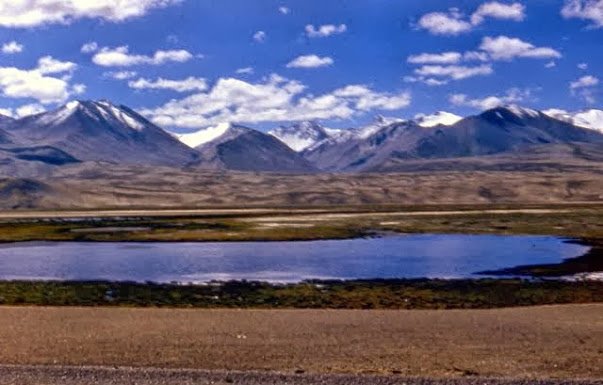
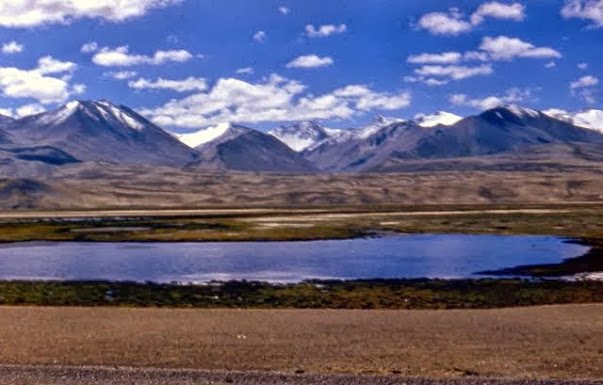
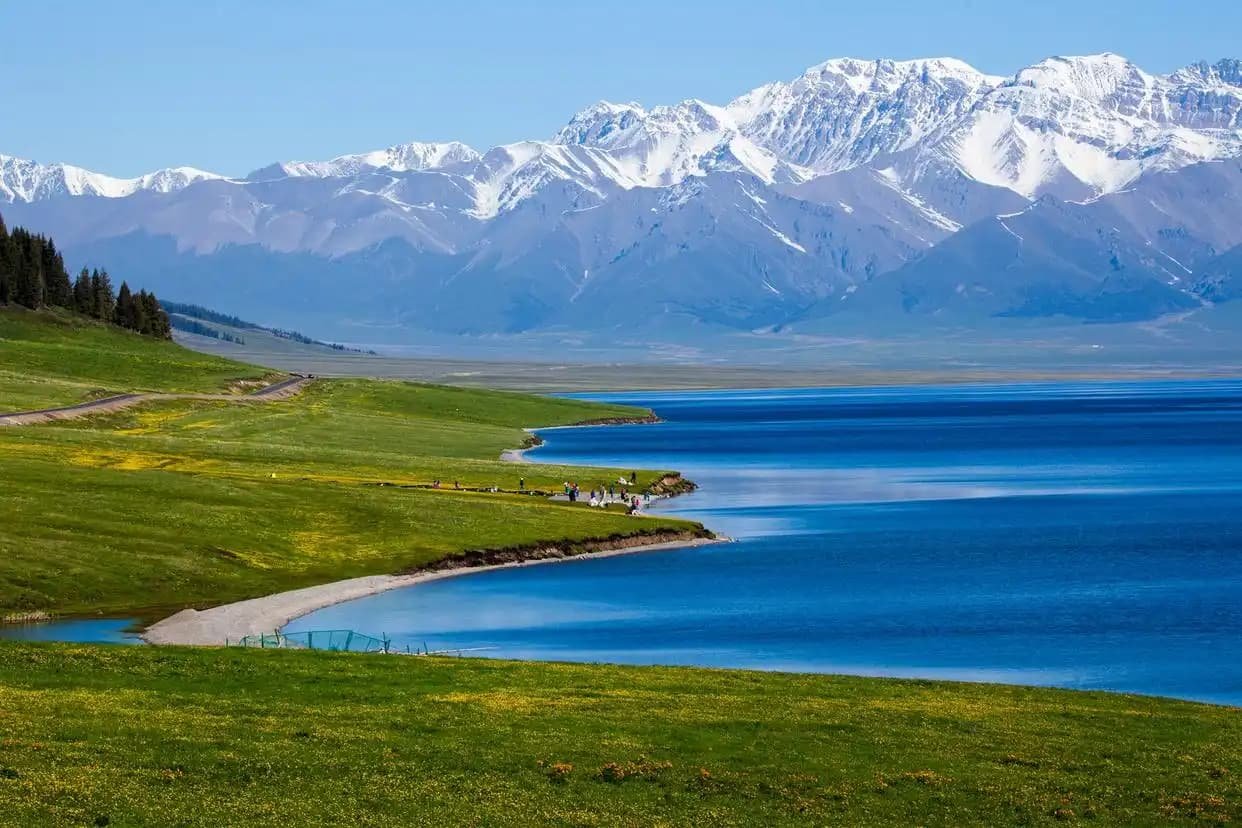
The lake is a closed brackish basin, long and shallow, ringed by white salt. From the shore road the water mirrors the mountains so cleanly that on a still morning you cannot tell where the shore ends. There is a viewing platform 12 km east of town; entry is ¥40 in summer, free if you just drive the shore track and stop where you like. I spent an hour at a pull-off watching a single fisherman and a hundred geese and decided the paid platform was optional.
A warning worth repeating: the salt crust at the lake edge looks solid and is not. Two tourists from a tour bus walked out in 2019 and broke through thigh-deep into the black mud. Stay on the gravel shore road. The photos are just as good from ten metres back.
The Walled Town
Balikun’s old town is one of the few intact Qing garrison towns in Xinjiang. The rectangular wall, rebuilt on the Ming foundations, still stands, and inside are the De Sheng temple complex and a small museum of the northern silk road. I walked the wall top at dusk; the light on the grey brick and the far grassland is the kind of scene you came for. Entry to the wall walk is ¥30, the museum another ¥20, both open 10:00–19:00 in season.
The town itself is compact. Everything is within a 15-minute walk: the morning market where Kazakh herders sell cured horse meat and salty milk tea, the main street with its 1980s concrete shops, and a handful of halal noodle houses. Nobody expects foreigners here. The curiosity is friendly and the prices are the lowest I found east of Urumqi.
Grassland and the Kazakh Summer
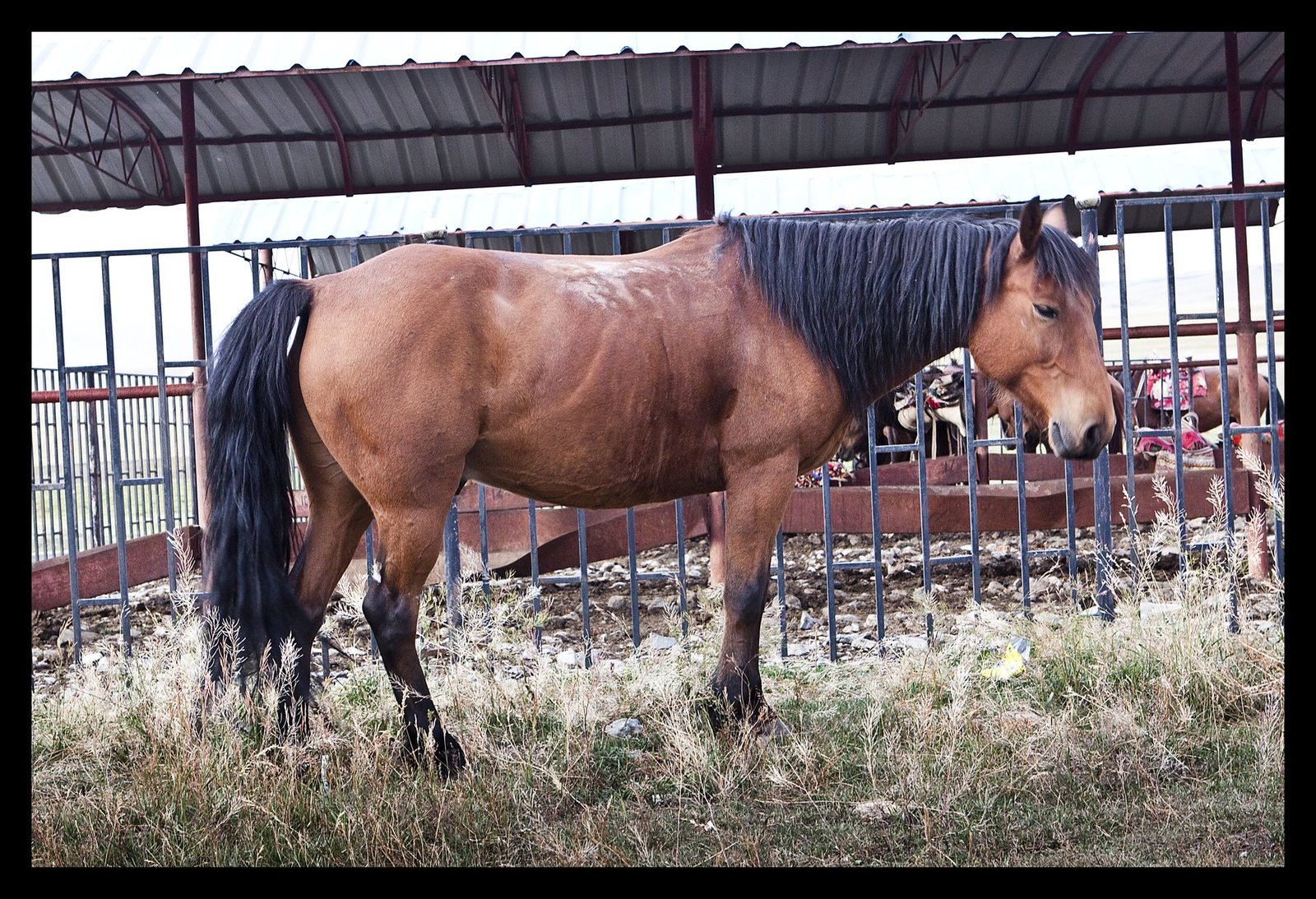
From June to September the basin grass is deep and the Kazakh families move out to the Baishitou pasture, 20 km west, where a white rock outcrop gives the meadow its name. The road there is sealed to the car park; from there it is a flat walk or a horse ride with a herder at ¥50 for an hour. I rode out at 6 p.m. as the light went long and the sheep came down — one of the calmest hours of the whole trip.
If you want a yurt stay, the herders at Baishitou rent felt yurts from ¥150 a night, including a dinner of boiled lamb and nang. Bring a sleeping bag rated to 0°C even in August; at 1,550 m the nights drop to single digits. The family-travel guides on this site skip Balikun, but it is genuinely good with older kids who can walk and ride.
Food in the Cold Country
Balikun eats for the climate. The signature is balkun yangrou — slab mutton boiled with onion and salt, nothing else, served by the half-kilo at ¥70. With it comes the local youbing, a layered fried flatbread, and a bowl of milky tea that the herders drink by the litre. At the winter market I had shouzhua fan (hand-grabbed rice with raisins) that tasted of the harvest, not the tourist trap.
A full lamb meal for three with tea ran ¥240. Cards worked in town; cash only at the pasture. The Hami melon you buy at the roadside stall on the way in is the sweetest in China — pick the ones with the netted skin and a heavy feel, ¥2 a kilo in season.
Where to Sleep
Balikun town has one decent hotel, the Balikun Hotel, at about ¥280 a night in summer, with guarded parking and a boiler that actually heats. The rest are basic guesthouses at ¥120–160. I stayed at the Balikun Hotel and slept with the window open to the cold air — the first good sleep after a week of desert heat. Book ahead only in the October golden-week rush; otherwise roll up and take a room.
Pairing It With the Region
Balikun works as the northern leg of a Hami loop. Come from Hami city (90 min south), loop the lake and town, and either return or push west on the S302 toward Korla — a long, empty, beautiful drive across the Tianshan that I would only attempt with a full tank and a spare. The Dabancheng wind corridor between Urumqi and Turpan shares Balikun’s windy character if you want to compare, but Balikun keeps its lake.
When to Go
Late May to early October is the window. June to August is green and cool — the best months. September turns the grass gold and the light goes cinematic; this is my pick. October is cold but empty. Skip November to April unless you are a winter driver with chains and a reason. The Turpan side of the mountains is hot while Balikun is cold, so you can chase the comfortable temperature by altitude.
Notes From the Pass
No border permit for Balikun. Checkpoints on the S302 are light — usually one at the Hami end and one at the county line, both quick with passport in hand. Fuel: fill in Hami before you climb; the one pump in Balikun town keeps odd hours and ran dry on me one September evening. The wind is the real hazard — gusts on the plateau hit 90 km/h and will shove a high van across the lane. Grip the wheel, drop to 60, and let the lorries pass.
Balikun rewarded a wrong turn with a week’s worth of calm. If your Xinjiang plan has a free day east of Urumqi, spend it here rather than in another city car park.
The Wind and the Power of the Plateau
Balikun sits on a wind corridor that funnels the plateau’s air east toward the Gobi, and the county has built one of Xinjiang’s larger wind farms along the southern shore road. The turbines are immense — blades longer than a bus — and on a still day they stand like a halted army; in a gale they roar so you feel it in your ribs through the car door. I camped one night at the Baishitou pasture and the wind never dropped below a howl; the yurt’s felt held, but I understood why the old town walls are three metres thick.
The wind is also the hazard. On the S302 plateau the gusts come sideways and will walk a high van across the lane with no warning. I saw a tour coach pushed onto the shoulder near the pass and learned the local rule: in gusts, drop to 50 km/h, keep right, and let everything faster pass. The Dabancheng corridor between Urumqi and Turpan is the famous wind road, but Balikun’s is the one with the lake view while you white-knuckle the wheel.
Balikun in Winter
Most visitors come in the green months and miss the version I rate highest. From December to February the basin freezes solid — the lake goes to a sheet of ice, the grassland to a white plain, and the town to a quiet that the summer never reaches. The county runs a small ice festival in January with horse-cart rides on the lake and a frozen-lake noodle tent. I went once in late January: minus 24°C, clear sky, and a local family who invited me into their heated kang (brick bed) for milk tea while the wind did its worst outside. You need a 4WD with winter tyres and a driver who knows the pass, but the white Balikun is the real one.
The rental desks in Hami will flatly not release a car for the S302 in deep winter, and they are right. If you want the ice, hire a Hami-based driver for the day — about ¥500 with the car, chains, and the sense not to fight a whiteout. The Hami guide lists the drivers who do the winter run.
The Road West Toward Korla
The S302 does not end at Balikun. It continues west across the Tianshan and down to Korla, a 400 km crossing of the range that is one of the emptiest paved drives in Xinjiang. I did the Korla half once, climbing from the south, and met perhaps ten vehicles in three hours. The Balikun half is the scenic half; the Korla half is the endurance half. Fuel it completely at either end — the only pump between is a seasonal tent at a herder camp, and it was closed when I passed.
This west road is the link that makes Balikun more than a dead end. Loop it as Hami – Balikun – Korla and you have crossed the eastern Tianshan the long way, seen grassland and desert and the wind in between, and skipped every tour bus in the region. It is a two-day drive with a night in Balikun; do not attempt it as a day trip with an empty tank.
Balikun’s Markets in Depth
The county seat runs two markets worth your time. The morning livestock market (Sundays, 7–10 a.m.) spreads along the north road with sheep, horses, and the occasional camel, priced by eye and haggled in a dialect that sounds like wind. I bought nothing but watched a horse change hands for ¥8,000 in about three minutes of palm-slapping, and learned more about the plateau economy than any museum tells. The evening food market on the square (daily, 18:00 on) is the eat-street: boiled lamb by the half-kilo, youbing hot off the griddle, and a chay stall where the herders sit and the talk runs to weather and grass. The Hami melon stall at the market edge is the sweetest in the east; pick the netted ones.
A Two-Day Hami–Balikun Plan
The shape that works: Day 1, leave Hami at 9 a.m., climb the S302 (90 min), do the lake shore and the wall walk (3 hrs), lunch in town, drive the Baishitou pasture (2 hrs), sleep in the Balikun Hotel. Day 2, dawn on the wall, the wetland track if season allows, then either return to Hami (90 min) or push west on the S302 toward Korla for the big crossing. I ran this as a calm two days and the plateau never felt rushed. Fuel in Hami before the climb; the town pump is a backup, not a plan. The Dabancheng corridor is the windy cousin if you want the contrast on the way back west.