
Yanqi and the East Shore of Bosten Lake: A Slow Self-Drive Loop from Korla
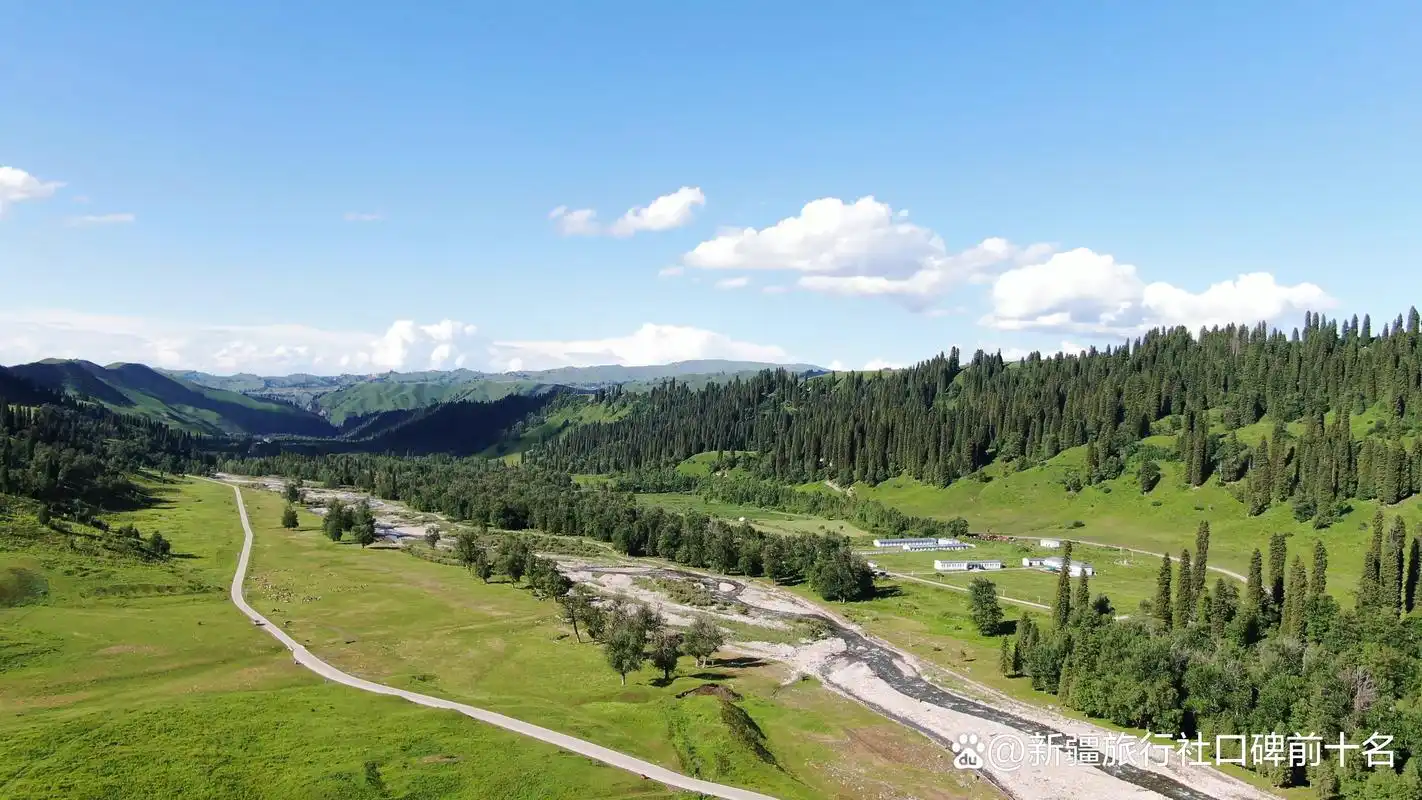
Bosten Lake is Xinjiang’s largest freshwater lake, and almost everyone who visits it goes to the same developed western shore near Korla, pays at a gate, and photographs the same boardwalk. I did that once, then drove around the northern lip of the lake to Yanqi County and found the east shore — all reed beds, fishing boats, and migratory birds, with no ticket and no crowd. If you are self-driving the southern loop, this is the Bosten worth your time.
Yanqi (yan-qi) is a Hui autonomous county on the lake’s northeast, about 40 km north of Korla on the G218. It is also the home of the Yanqi horse, a small, tough breed recorded in Chinese texts for two thousand years. The combination — a big quiet lake and an old horse culture — makes a slow, rewarding half-day that the mainstream guides skip.
The drive from Korla
Leave Korla north on the G218. The road runs along the lake’s western and northern edge for about 40 km, and the view opens from desert to water without warning — one minute you are in the dry basin, the next the reeds begin and the air smells of wet earth. I drove it in late April, when the lake was full from the spring melt and a cold wind off the water made me zip my jacket.

Fuel in Korla before you set out; Yanqi has stations but the lake road has none. The drinking-water guide matters here because the lake water is brackish and undrinkable — carry your own, and do not be tempted by the pretty shoreline to refill from the tap of a fishing shack.
The east shore
This is the part the western scenic area is not. The east shore is a working lakeside: reed-cutters’ tracks, a few dozen fishing boats pulled up on the mud, and villages where the day’s catch is cleaned on the bank. In spring and autumn the reeds hold migratory birds by the thousand — I am no birder, but even I could pick out egrets, coots, and a flock of something white that lifted off the water in a single sheet. The Bosten guide covers the boating side; the east shore is for watching, not riding.

The Yanqi horse
Yanqi has bred horses for millennia; the “Yanqi ma” appears in histories of the Silk Road as a prized mount, smaller and steadier than the famous Ferghana “blood-sweating” horses but better suited to the basin’s rough ground. You will not find a stud farm to tour, but the county’s horse market runs on Sundays, and if your timing is right you can watch the animals walked, shown, and sold in a way that has barely changed in centuries. I caught it by accident and stayed an hour, fascinated by the quiet expertise of the buyers’ hands.
Why the quiet side
The developed west shore is pretty and easy. The east shore asks for patience — a slow drive, a stop wherever the reeds thin, a pair of binoculars if you have them. For a self-driver who has been ticking off famous lakes, Yanqi is the reminder that the best version of a place is often the one without a parking attendant. The Tarim loop guide routes you past here; build in the extra morning and you will remember the lake, not the boardwalk.
What to do
– Birdwatch from the shore roads. The northern reed beds are best at dawn, when the birds feed in the open water before the wind picks up. I saw more in thirty minutes at 7 a.m. than in two hours at noon.
– Walk a fishing village. The settlements on the east shore are open and friendly; a wave gets you a nod, and a few yuan gets you a fresh fish straight off the boat in season.
– Visit the Sunday horse market in Yanqi town. Go early — by mid-morning the best animals are gone and the crowd thins.
– Soak afterward. The hot springs guide lists options in the wider Bayingolin area if your legs need it after a lakeside walk.
Food
Yanqi’s other claim is its vegetables — the county’s sandy soil grows famously good peppers and tomatoes, and in summer the roadside stalls pile them high. I bought a bag of small sweet tomatoes for 4 yuan and ate them like fruit all afternoon. The lake gives up carp and a few smaller fish; the county’s restaurants will cook your purchase or sell you theirs, usually braised with the local pepper into something that tastes of the place.
The Hui influence shows in the food — more noodles and rolled breads, fewer of the Uyghur-style polo and kebab staples you find farther west. A bowl of beef noodle soup in Yanqi town ran me 15 yuan and came with a side of pickled vegetables I had not seen elsewhere.
When to go
April to June and September to October are the calm, bird-rich windows. Summer is hot and the reeds close in; winter is cold and the lake partly ices, but the villages keep their rhythm. The spring melt fills the lake to its widest, which is the best time for the open-water view.
Avoid the developed west shore’s peak weekends if you want the quiet; the east shore stays calm regardless, but the access road from Korla can bunch up.
Practical notes for the self-driver
– Fuel in Korla or Yanqi town. The shore road has nothing.
– Carry all the water you need; the lakeside has no safe drinking source.
– The shore tracks are graded dirt in places. After rain they can be slick; I drove them in a 2WD at walking pace and was fine, but a wet day would change that.
– Bring binoculars and insect repellent. The reeds are midge-heavy in warm months, and the bugs found my ankles faster than the view found my eyes.
– Cash for the markets and the fish sellers; the town ATM worked but the stalls wanted notes.
The lake without the gate
Bosten is worth seeing. The question is which Bosten. The western shore gives you a clean boardwalk and a postcard; the eastern shore, around Yanqi, gives you the lake as the people who live beside it actually see it — working, wet, full of birds, and free. Drive the northern lip, stop where the reeds thin, and let the horses and the fishers be your landmarks. The Korla guide will get you to the region; Yanqi is what makes the region worth the detour.
The Kaidu River and the lotus
Bosten is fed by the Kaidu River, which enters the lake’s west end and spreads into a broad, shallow delta of reed and open water. In high summer a band of lotus blooms along the warmer southern margin — not the famous lotus of the south, but a tough basin variety that opens at dawn and closes by midday. I timed a visit for 8 a.m. and caught a few hundred pink flowers floating in the still water before the heat shut them. The Korla scenic area charges for its version of this; the eastern shore gives it to you free if you know which track to take and are willing to walk.
Birdwatching, in practice
Bring binoculars and arrive at first light. The reeds hold a rotating cast — egrets and little egrets in the open water, coots and Moorhens closer in, and in spring and autumn the migratory flocks that use the lake as a stopover on the Central Asian flyway. I am no ornithologist, but even I could tell the difference between the slow paddlers and the fast dabblers, and the silence of a dawn watch, broken only by wings, is its own reward. The Bosten guide lists the species if you want names; I was happy just to watch.
The Hui table
Yanqi’s Hui heritage shows most clearly at the table. The county’s restaurants lean toward hand-pulled noodles, rolled flatbreads, and stuffed pastries rather than the Uyghur polo and kebab staples of the south and west. I ate a bowl of “roujiamo”-style bread stuffed with braised beef, and a plate of cold noodles with the local pepper that had a clean heat unlike the chilli of the south. The tomato and pepper stalls along the county road are the source; buy a bag, eat them like fruit, and taste why the basin’s best vegetables grow here.
Costs and timing
The east shore is free; the county’s noodle houses run 12 to 20 yuan; a bag of tomatoes or peppers is a few yuan. Fuel in Korla or Yanqi; the shore road has none. A half-day — drive up, walk the reeds, eat in town — costs under 120 yuan beyond fuel. I would build in a full morning rather than a rushed hour, because the birds and the lotus both favour the early light.
The quieter Bosten
The western scenic area is the Bosten most people see, and it is fine. The eastern shore, around Yanqi, is the Bosten I return to — working, wet, full of wings, and free. The Korla guide gets you to the region with its lotus reputation; Yanqi is where that reputation actually meets the lake without a ticket gate. Drive the northern lip, stop where the reeds thin, and let the fishers and the birds be your landmarks.
The Kaidu River that feeds Bosten is worth a stop of its own where it runs clear above the lake. I followed a track upstream one morning and found a stretch of shallow, fast water over clean gravel, with trout-sized fish I could not name holding in the eddies. No facilities, no sign, just a place to stand and watch a river do the work of filling a whole lake. The Korla guide points you to the city; the river above Yanqi points you to the source, and the source is the quieter story.
For birdwatchers, bring patience as much as binoculars. The flocks move with the light, and the best hour is the first after sunrise when the reeds are still and the water is flat. I sat with a retired biologist from Korla one morning who identified a dozen species by ear before I saw any of them; his point was that the lake is louder than it looks, and the sounds are the easier way in. I left knowing fewer names than he knew, but hearing more than I had.
Yanqi’s food deserves a slower meal than most travelers give it. The Hui noodles and the local pepper are a combination you will not find in the Uyghur south, and the tomato stalls along the county road are the fresh source. I ate a bowl of beef noodle soup, then bought tomatoes and ate them like fruit in the car, and decided the county’s best dish was the one I carried out the door. Costs stay low — a meal and a bag of produce for under 30 yuan — and the memory is the lake, not the plate. Build in the morning: the east shore at dawn, the horse market if it is Sunday, the noodles after. A half-day done slowly beats a rushed hour, and Yanqi repays the slow version every time.