
Akqi County: Kyrgyz Frontier Life on Xinjiang’s Western Edge
The County at the End of the Paved World
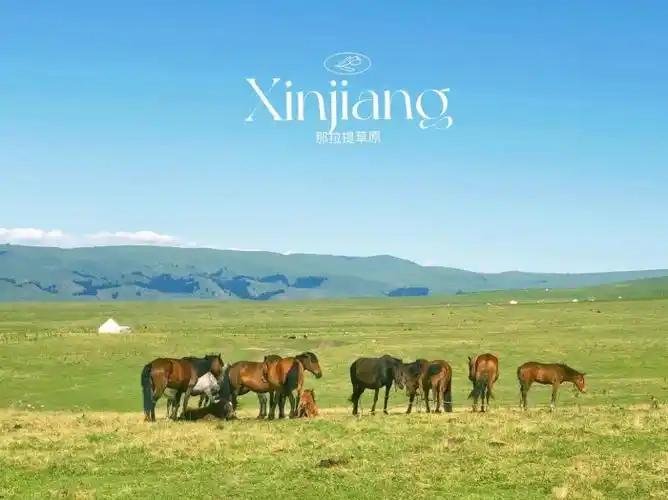
Akqi County sits in the Aksu Prefecture, pressed up against the Kyrgyz border in the far west. It is the kind of place that appears on maps as a green wedge of valley between two walls of mountain, and then disappears again behind the next range. Most travelers never go. The road from Aksu runs west and climbs, and the air gets cleaner and colder, and the faces in the villages shift toward the Kyrgyz, a Turkic people who have herded these high pastures for centuries.
I went because I wanted to see a side of Xinjiang that the itineraries skip: not the grand canyons or the famous lakes, but a frontier county where the border is a daily fact of life and the culture leans more toward the steppe than the oasis.
This is a guide for self-drivers comfortable with long, quiet miles and the understanding that “things to do” here means “people to meet and mountains to stand under.”
Getting to Akqi
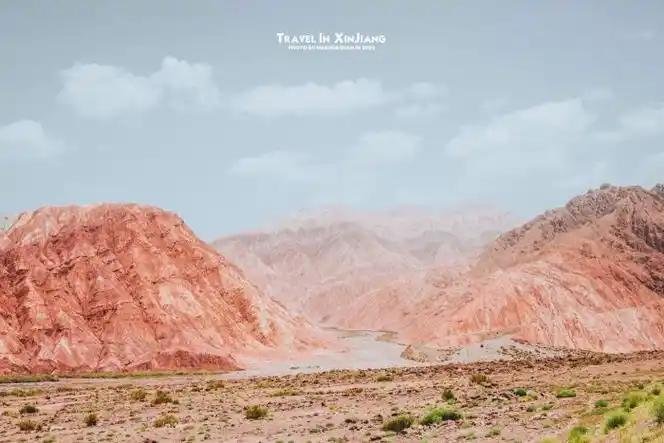
The county is reached from Aksu, the logical base, roughly 180 kilometers west along good roads that climb steadily into the foothills. Fuel and supplies in Aksu, then a drive that gets more beautiful and more empty as you go. The last stretch follows a river valley, and the cliffs on either side begin to show the layered red and cream of the region’s sandstone.
From Akqi you are close to the Torugart Pass, the high crossing into Kyrgyzstan. You will not drive across it without the right permits and a Kyrgyz visa, but standing near the approach and understanding the route is part of the frontier feeling. The Torugart crossing guide explains the logistics for those attempting it.
Kyrgyz Life on the High Pastures
The Kyrgyz here are pastoralists. In summer the families move up to the yayla, the high summer pasture, with herds of sheep and goats and the occasional horse. I was invited into a yurt above the valley one June evening, and we ate boiled mutton and drunk kumis, the fermented mare’s milk that tastes like nothing else and earns its reputation by the second bowl. The hospitality was total and unpretentious.
This is the same pastoral world described in the Kazakh nomadic life guide, but with a Kyrgyz accent: different songs, different felt patterns, a slightly harder edge from the altitude and the border. The eagle culture of the Pamir is a cousin tradition, and if you are interested in Central Asian mountain peoples, the three together make a fascinating comparison.
What You Can Actually Do
Realistically, Akqi is for slow travel. Walk the valley roads. Visit the weekly market in the county seat, where Kyrgyz herders sell cheese, wool, and horses, and where the bargaining is gentler than in the big cities. Drive the side roads up toward the pasture settlements and turn around when the pavement ends unless you have a proper 4×4 and a local contact.
Photography is superb but sensitive. Ask before you point a camera at people; a smile and a gesture goes further than any phrasebook. The culture and etiquette guide is worth a read before you go, because the small courtesies matter more out here.
Logistics and Limits
Akqi has the basics: fuel, a few guesthouses, and food. Do not expect luxury. The county seat is small, and the surrounding villages are smaller. I carried cash, because card readers were unreliable, and I was glad of it at the market.
The border proximity means checkpoints. Carry your passport and any permits; the stops are routine but not optional, and a calm, prepared traveler moves through them in minutes. The higher valleys near the frontier are restricted; respect the signs and the personnel, and do not treat a closed road as a suggestion.
A Day That Stuck With Me
I left Aksu at first light, fueled and loaded with water. By mid-morning I was in the valley, parked where a footbridge crossed a fast creek, watching a boy on a horse drive a small herd across. An old man invited me to tea at a house with a dirt yard and a single apricot tree heavy with fruit. We did not share a language, but the gesture needed none. I left two hours later with a bag of those apricots and a clearer sense of why people love this hard, beautiful edge of the province.
That is Akqi in essence: not a checklist of sights but a day you did not expect.
When to Go
Summer is the season for the high pastures, when the yayla comes alive and the weather is forgiving. Late spring and early autumn are also good, with fewer people and cold nights. Winter closes the upper roads and the valley goes quiet under snow. I would not plan a first visit then.
Altitude here is moderate compared to the Pamir, but the county seat still sits high enough that a fast arrival from the plains can leave you short of breath. Take the first day easy.
Why Bother With the Far West
Xinjiang’s famous routes are justly famous. But the far west, the counties like Akqi that sit where the province thins into mountains and foreign valleys, is where the region stops performing and starts being itself. If you have the time and the temperament for quiet miles, it is the best education the south can offer.
Come with low expectations and an open afternoon, and Akqi will hand you a memory you did not know you were driving toward.
A Practical Note on the Border
Akqi sits close to the Kyrgyz frontier, and that closeness shapes the visit even if you never aim for the pass. Expect checkpoints on the approach roads; they are routine and quick if your documents are in order. I carried my passport, my rental agreement, and a note of my hotel in Aksu, and every stop took under five minutes. The personnel were professional and, when I asked politely about the road conditions up the valley, helpful about which side roads were open and which were not.
Do not treat a closed road as a challenge. The restricted zones near the frontier are restricted for real reasons, and a foreign traveler arguing at a gate is a poor use of everyone’s afternoon. The open valley below the county is more than enough for a memorable day.
What It Costs
From Aksu, fuel round trip is modest, perhaps 150 yuan in a sedan. The county seat has rooms from 120 yuan and food for 30 to 50 yuan a meal. The yurt visit and the market cost nothing beyond what you choose to buy, and buying a little, cheese, wool, a bag of dried curds, is the right way to say thank you for the hospitality. I left with a block of house-made cheese wrapped in cloth that traveled badly but tasted of the trip for a week.
The People and the Pace
The Kyrgyz here are pastoral and proud, and the culture leans hard toward the horse and the herd. Even in the county seat you feel the steppe close by; the concrete gives way to grass within a short drive, and the grass gives way to mountain. I am not a skilled rider, but I was offered a slow walk on a calm horse along the river, led by a boy who spoke no English and needed none. We rode twenty minutes and he beamed the whole way. That is Akqi: small, unscripted, and worth the detour.
The Kazakh nomadic guide and the Pamir eagle-culture guide frame the wider mountain-pastoral world of the province, and Akqi is a western, Kyrgyz-flavored chapter of the same story. Reading them before you go helps you notice the continuities and the small differences that make each group distinct.
When I Would Return
Summer, for the yayla, without question. I went in June and the high pastures were at their greenest, the streams full, the yurts open. I would avoid the deep winter, when the upper roads close and the valley turns inward and quiet. Shoulder seasons are a gamble on weather but reward the gamble with empty roads and cheap rooms.
Altitude in the county seat is moderate, but the pasture settlements sit higher, and a fast arrival from the plains left me mildly breathless on the first short walk. A slow first day is wise. The culture and etiquette guide is worth a read, because the small courtesies, a greeting, a willingness to be photographed only after asking, open doors that money cannot.
Why the Far West Stays With You
Akqi will not top anyone’s list of Xinjiang must-sees, and that is precisely why it is worth the drive. It is the province at its least performed, a frontier county getting on with the old business of herding and harvesting while the maps draw lines through it. Come expecting little and you leave with the best kind of souvenir, the sense that you briefly understood a hard, beautiful way of life.
The Pasture Road Up
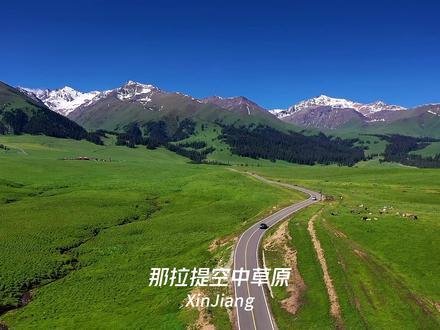
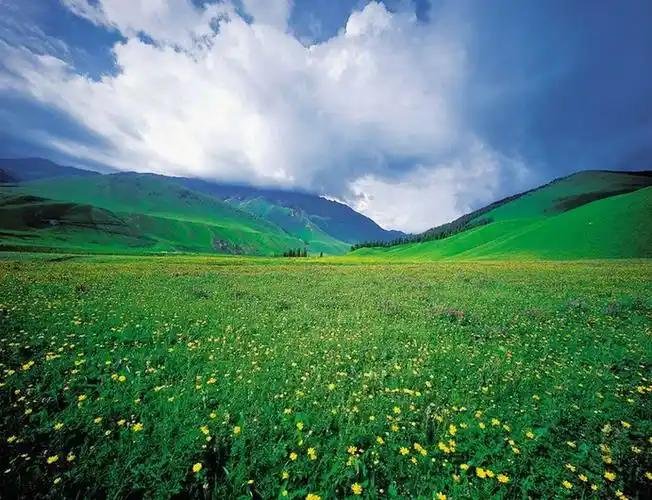
The drive from the county seat to the summer grazing land is the part worth the detour. The paved road gives way to graded track, the fields fall behind, and the valley opens into high meadow ringed by snow peaks that the county plain hides completely. I took it slow, both for the surface and for the sheep that own the road; a flock crossing is not an obstacle but an event, and pulling over to watch fifty animals file past a single boy on a bike is a better use of twenty minutes than any photo stop. The pasture settlements are seasonal, lively in summer and empty by October, so time the visit to the green months.
Costs and Comfort
Akqi is cheap in the way the far west is cheap: a room runs maybe 100 to 180 yuan, a meat-and-noodle meal 25 to 40, and the town’s few cafes are content to let you sit. Comfort is basic but real; I slept warm, ate well, and spent under 250 yuan for a night and a day of exploring, not counting fuel. The trade for the low price is choice: do not expect a Western hotel or a reliable card machine. Carry cash, lower your standards of linens, and the county repays you with a quiet that the famous places have sold off.
The Kyrgyz stamp on the place is not a costume. At a roadside yurt I was offered kymyz, the fermented mare’s milk that is the drink of the steppe, sour and faintly fizzy and an acquired taste I acquired slowly. The host would not let me pay and would not let me leave until I had eaten a piece of the dried curd that travels with the herders. That ten minutes, with no common language and no transaction, is the real Akqi, and the reason the far west stays with you after the famous sites have blurred into one another.