

Photography Gear for a Xinjiang Road Trip: What to Pack
What I Pack After Five Trips
The first time I drove Xinjiang with camera gear I overpacked and under-protected. I brought a tripod I never used, a second body that stayed in the hotel, and a bag that filled with fine dust by day three. Four trips later my kit is smaller, tougher, and built around the realities of the place: huge distances, sudden dust storms, and light that goes from flat to furious in minutes. If you are coming to shoot, the gear matters less than how you carry and protect it.
My core load now is one mirrorless body, two lenses, a handful of cards, and a single travel tripod that fits inside the main bag. That is it. The landscape rewards patience and positioning more than equipment, and the moments that make the best frames are usually the ones where you had the camera already in hand, not the ones you fumbled for in a backpack.
My Bag and How I Carry It
I run a 32-liter photo backpack with a padded insert I bought separately for 220 yuan, about 30 dollars. The insert holds the body with the 24 to 105 already mounted in the top slot, so I can pull it out and shoot in under five seconds at a roadside stop. The 70 to 200 sits in its own vertical compartment against my back, where the weight rides closest to my spine and the bag feels balanced on the Duku Highway’s broken tarmac.
Batteries live in the top lid inside a small zip pouch, three of them always charged and a fourth in the car. The rugged SSD and a card reader share the laptop sleeve with my 13-inch tablet. Total packed weight is just under eight kilos, and I can wear it for a two-hour walk to a viewpoint without the strap cutting my shoulder.
In the car the bag goes on the floor behind the passenger seat, never the trunk, because the trunk bakes past 60C in Turpan and cooks the SSD within an hour. The camera itself rides on the seat beside me with the lens cap on and a cloth draped over it, ready for the moment a line of camels crosses the road or a dust devil spins across the salt flat.
Before this bag I used a hard case on wheels that fought me on every sandy path and never fit in the rental’s narrow trunk. The backpack changed how often I actually carried the gear out of the car, which is the only metric that matters for the number of frames you bring home.
Lenses for the Scale of the Place
Xinjiang is big in a way that breaks wide lenses. The mountains feel close but are thirty kilometers off, the salt lakes stretch past the frame, and the poplar forests reward both a wide establishing shot and a tight detail of bark. I carry a 16 to 35 for interiors, markets, and big sky, and a 70 to 200 for compressing the layers of a mountain range or pulling a herder and his flock out of a distant field. A fast prime, the 35, lives on the body for low light in bazaars and yurts.
If you bring only one lens, make it a 24 to 105 equivalent. You lose the drama of the long end but you keep the flexibility that a moving road trip demands, where you cannot always stop to change glass. I have missed fewer shots with one good zoom than with two primes and a changing mood.
A Lens I Wish I’d Left Behind
On trip three I brought a 100 to 400 because I read that wildlife in Altai needed reach. It weighed 1.4 kilos, cost me a sore neck, and I used it on four frames across two weeks. The 70 to 200 covered every distant herder and ridgeline I actually shot, and the extra hundred millimeters were a fantasy I paid for in weight and dust exposure every time I swapped glass on a windy pass.
The truth is most of my favorite Xinjiang frames are wide or mid. The poplar forests in autumn want a 35. The salt flats want a 16. The long lens earns its place for compression on the big ranges near Sayram, but the super-telephoto was vanity I lugged for nothing.
Now the rule is simple. If I cannot name three specific shots I will make with a lens before I pack it, it stays home. The 100 to 400 failed that test and I knew it then. Take the lens you will actually mount, not the one that sounds impressive in a forum post written by someone who has never stood in a Taklamakan wind.
Power, Storage, and Dust
Battery life drops in the cold, and Xinjiang gives you both extremes: 40C in the Turpan basin and minus 20 in the Altai winter. I carry four batteries and a power bank that lives in the car, charging while I drive. Cards are cheap insurance; I shoot to two and never fill one past 60 percent before offloading to a rugged SSD at the night’s stop. Losing a day of files to a failing card is a lesson you only need once.
Dust is the real enemy. The Taklamakan throws fine powder that finds every seal, and a desert wind can coat a front element in seconds. I keep a blower and microrfiber in the side pocket, swap lenses inside the car with the air off, and accept that the bag will never be clean. A simple rain cover doubles as a dust cover and has saved the body more than once during a sudden sand squall.
Protecting Gear From Dust and Cold
The Taklamakan taught me to keep every spare lens in a ziplock bag with a silica gel packet, three packets per bag, swapped out every four days when the air turns humid near Altai. Condensation is the quieter killer. When I step from a heated yurt at minus 15 into the cold night, I leave the body in the bag for twenty minutes so the glass reaches outside temperature before I open it. That avoids the fog that ruins a star session before it starts.
For the cold I use disposable hand warmers, two taped to the sides of the battery grip inside a sock, changed each morning. They hold the body above freezing through a dawn shoot at Sayram, where the wind off the lake cuts past any glove. A cheap shower cap pulled over the camera is my dust cover at fuel stops, where the wind always seems to kick up the instant I open the door.
I also carry a one-liter squeeze bottle of clean water and three microrfiber cloths, washed every few days. The fine dust here is abrasive, and wiping a front element with a gritty cloth scratches it for good. Blow first, then brush, then wipe, in that order, every single time, and your glass will outlast the trip.
Shooting the Night
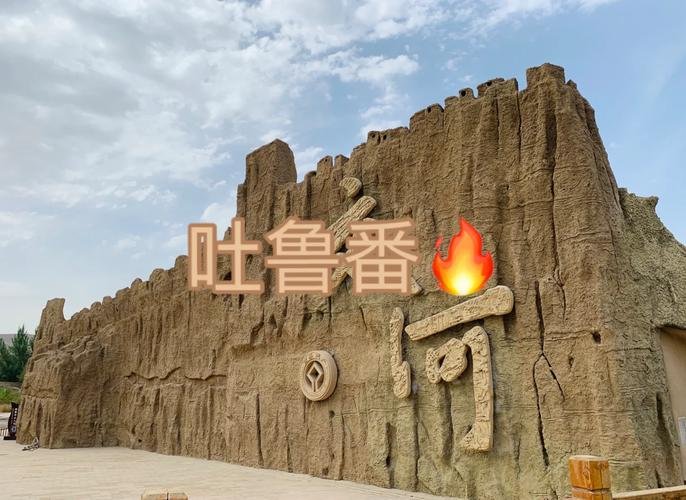
The dark skies here are the best I have seen in Asia, and the astrophotography locations reward a steady tripod and a wide fast lens. I shoot the Milky Way at f 2.8, twenty seconds, high ISO, and a headlamp set to red for sparing light. The cold drains batteries fast, so I keep a spare in an inside pocket against my body. The payoff is a sky so dense with stars it looks edited, over a silhouette of poplars or a still lake.
Before you fly anything up, read the drone rules for the region, because they are stricter than most travelers expect and the borders are sensitive. I left my drone at home on the last trip and did not miss it; the grounded shots told the story well enough.
Respect the No-Camera Zones
Some places are off-limits for good reason, and the restricted photography zones are clearly marked once you know to look. Military-adjacent areas, certain border checkpoints, and some bridge and tunnel approaches carry signs or the quiet instruction of a uniformed officer. When in doubt, lower the camera. A confiscated body or a delayed trip is not worth the frame, and the genuine welcomes you get in villages more than make up for the few places you skip.
High Passes and Changing Light
The high mountain passes are where the light gets interesting and where the weather turns without warning. I keep the camera on the passenger seat with the long lens mounted when I know a pass is coming, because the pull-off that frames the whole valley rarely appears twice. At Sayram Lake I shot the same bay at four times of day; the dawn version, with fog lifting off the water, is the one I print.
Shooting Golden Hour on the Highway
Golden hour on the Duku Highway is short and brutal, about forty minutes of usable light before the mountains throw their own shadow across the valley. I plan the drive so a known viewpoint lands at the right time, and I pull over the moment the light goes warm rather than hunting for the perfect spot. The perfect spot at the wrong light is just a rock with a nice view.
For moving shots from the car I shoot at 1/500 or faster with the 70 to 200, window down, both elbows braced on the door. At 1/250 the road vibration blurs everything past the midground. When I am stopped, the tripod comes out and I drop to 1/60 on the long lens, letting the slow shutter smooth the wind moving through the grass.
The best frame I got last year was a herder on a ridge at 200mm, shot at f 5.6, 1/640, ISO 200, just as the low sun lit one side of his face and left the rest in blue shadow. I had the camera on the seat, saw him a kilometer off, and made four frames before he dropped behind the hill. That is the whole game: be ready, then be quick, because the light will not wait for you to find the tripod.
On the open road toward Turpan the flat desert gives you the longest golden hour of the trip, nearly an hour of raking light that turns the ridges into sculpture. There I slow down and work a single dune from three angles instead of chasing the next stop on the map.
The Kit I Actually Recommend
If I were packing tomorrow: one weather-sealed mirrorless body, a 24 to 105 zoom, a 70 to 200, three spare batteries, a 512 GB SSD, a blower, and a compact tripod. Total weight under nine kilos, all of it usable. Skip the second body, skip the gimbal unless you film, and spend the saved money on a better bag that seals against dust. The region will test your gear; it rewards the traveler who brought less and protected it better.
Editing on the Road
I edit on a 13-inch tablet with a snap-on keyboard, not a laptop, because the tablet sips power and I can charge it from the car bank during the long drives. Each night I offload the day’s cards to the SSD, do a first pass of culling in about twenty minutes, and flag the keepers with a star rating. The full edit waits until I reach a guesthouse with steady power and a real chair.
My workflow is Lightroom Mobile for culling and basic exposure, then a few masks for the sky, which in Xinjiang is almost always worth lifting. I keep the edits light. The light here does the work, and pushing saturation on a Sayram dawn turns it cartoon. A fifteen-minute edit on a good frame beats an hour spent rescuing a flat one shot in dead midday sun.
Backups are the part travelers skip. I keep the SSD in the bag and a second copy on the tablet, and once a week I push the flagged sets to cloud storage over whatever hotel wifi allows. Losing the Turpan shots would sting. Losing everything would end the trip’s story, so two copies is the floor and a third copy is the habit I now keep.
I also keep a short note file for each day, three lines on where I shot and what the light did, because a week later the memory of a certain pull-off on the Duku fades fast. The note takes a minute and saves an hour of guessing when I sit down to edit the backlog.
Budget Kit Under $1,500
You do not need flagship gear to come home with strong images. A used weather-sealed crop body runs about 4,000 yuan, roughly 550 dollars, and pairs well with an 18 to 150 kit zoom that covers the 24 to 200 equivalent range in a single lens. Add a used 50mm f 1.8 for 600 yuan, about 80 dollars, and you have honest low-light coverage for bazaars and yurts without a second body.
Storage and support come next. Two 128 GB cards at 90 yuan each, a 500 GB SSD for 350 yuan, three spare batteries for 220 yuan total, and a 1.2-meter travel tripod for 280 yuan. A basic blower and three cloths are another 60 yuan. The whole support layer lands near 1,150 yuan, or 160 dollars, and none of it needs a warranty claim to keep working.
That puts the full working kit at roughly 1,350 dollars, under the 1,500 line, and every piece is replaceable at a Xinjiang camera shop if something breaks on the road. Spend the rest on a bag that seals and a few extra nights in a guesthouse near Sayram, where the light is free and the frames are not.