
Dungan and Hui Muslim Cuisine in Xinjiang: The Blue-Walled Restaurants and Their Noodles
I arrived in Urumqi with a single plan that had nothing to do with food. The plan fell apart by lunchtime. I was walking the stretch near the southern bus stations when a wall stopped me. It was painted a flat, slightly chipped blue, the color of a clear morning sky, with white trim and a single handwritten menu taped to the glass. A blue-walled restaurant. I would come to learn that this blue is a kind of map. Where you see it in Xinjiang, you have usually found a Dungan or Hui Muslim kitchen.
That first meal was a bowl of hand-pulled noodles in a thin tomato and beef broth. The waiter set it down without a word and dropped a-side plate of raw garlic next to it. I ate standing at a narrow counter, surrounded by men in skullcaps and women in headscarves, all of us bent over our bowls. It cost ¥18. Nobody asked where I was from. The food was the greeting.
Who the Dungans Are, and Why Their Food Tastes Like This
The Dungans are Hui Muslims of Central Asian origin. Their story runs backward out of China. In the nineteenth century, communities of Chinese-speaking Muslims fled the turmoil of the northwest and settled in what is now Kyrgyzstan and Kazakhstan. They kept their language, which is a northern Mandarin dialect, but they wrote it in Cyrillic and folded Central Asian and Persian cooking habits into their woks. When families later returned or moved into the Xinjiang region, they brought that blend with them.
So Dungan food is not quite Chinese and not quite Central Asian. It is the seam where the two meet. You get Chinese technique, the stir-fry and the steamer and the knife work, married to Central Asian affection for noodles, rice pilaf, dairy, and lamb. The result is lighter and more broth-forward than a lot of inland Chinese cooking, and more vegetable-heavy than the meat-led grills you find a few streets over in a Uyghur canteen.
This matters for a traveler because the blue walls signal a specific kind of meal. You will eat well there. You will also learn something about a people who carried a language across a border and came back with new recipes in their hands.
Dungan Versus Uyghur: The Difference You Can Taste
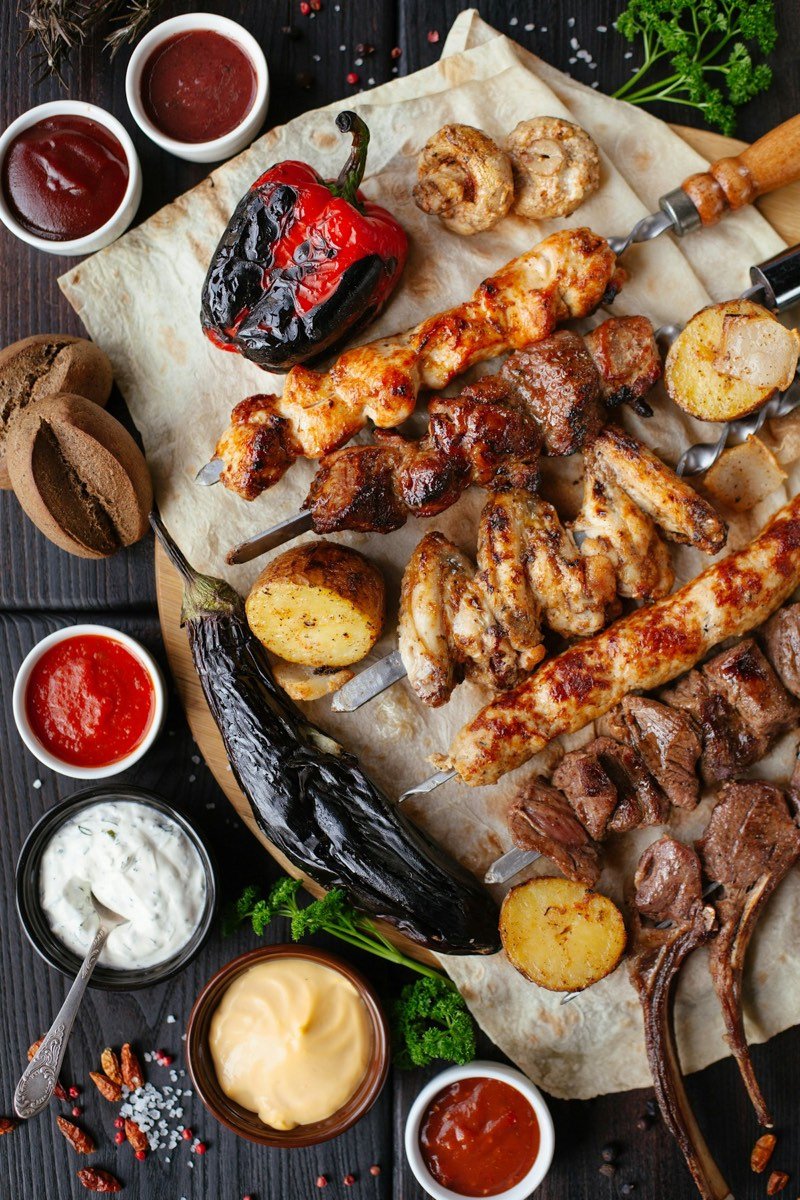
Many visitors assume all Muslim food in Xinjiang is one thing. It is not. The Uyghur kitchen leans on naan baked in a tandoor, on long-grain rice pilaf with yellow carrot, on lamb roasted on coals, and on the broad, chewy hand-pulled noodles called laghman. The flavor world is built around cumin, black pepper, and smoke. It is bold and unmistakable.
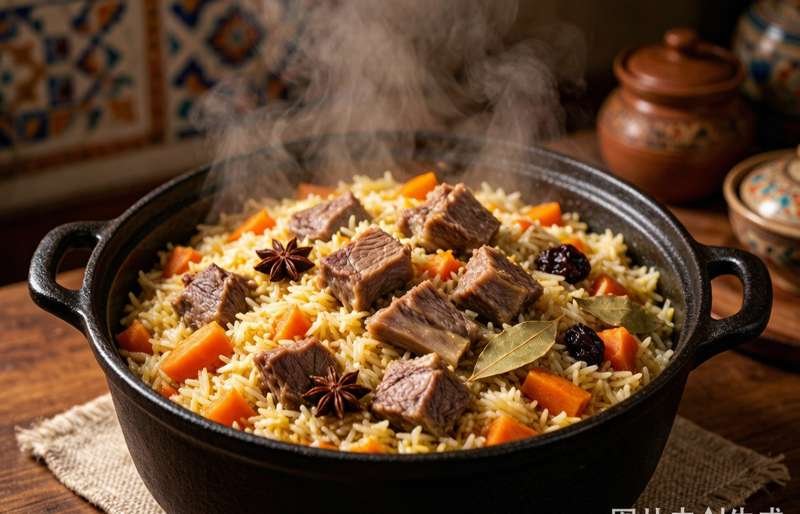
Dungan and Hui cooking shares the halal rules and the love of lamb, but the seasoning is gentler. You taste scallion, ginger, and a clean soy or vinegar brightness. The noodles are often cut square rather than pulled into ribbons, and they sit in soupy stir-fries rather than dry sauces. Where a Uyghur polo is fragrant with cumin and raisin, a Dungan plov might be milder, closer to a steamed rice with carrot and a soft-cooked egg broken on top. Both are good. They are simply different sentences in the same alphabet of hospitality.
If you want a fuller picture of the region’s eating, our Xinjiang food culture travel guide lays out the major kitchens side by side so you can tell them apart on the street.
A Blue-Walled Breakfast in Changji
Changji sits a short drive north of Urumqi, in a belt of Hui communities that keep their own bakeries and noodle shops. I went there on a rented scooter, following a rumor about breakfast. The rumor was correct. I found a low blue building at a crossroads, and inside a woman was folding steamed stuffed buns faster than I could count.
I ordered three. They arrived in a woven bamboo basket, each one the size of a small apple, the dough pale and glossy from the steam. The filling was chopped cabbage, glass noodle, and a little pork-free spiced beef. They were ¥3 each. I dipped the edge of one into a small saucer of black vinegar and chili, bit through the soft skin, and understood why people drive out here for breakfast instead of eating at the hotel.
Next to the buns came a bowl of cornmeal porridge and a pot of weak green tea. The owner refilled my cup twice without being asked. In Hui and Dungan households, tea is not a beverage you order. It is the thing that proves you are welcome.
The Dish I Keep Coming Back For
The one I cannot stop thinking about is a cold noodle dish the Dungans call ashlanfu. In Yining, down in the Ili valley, I found it at a stall with no chairs, only a stainless steel counter and a fan turning slowly overhead. The cook lifted a tangle of wheat noodles from cold water, laid them in a bowl over soft squares of starch jelly, and then built the sauce by hand.
First a sharp vinegar, then a little crushed garlic water, then a spoon of pale chili oil that glowed rather than burned. He finished with a pinch of cilantro and a few slices of pressed cucumber. The whole bowl cost ¥12. The first bite was cold and sour and alive, the noodles springy, the jelly melting against the roof of your mouth. On a hot Ili afternoon it is the best thing you can put in your body.
I ate it three days running. On the third day the cook nodded at me like I had passed a test I did not know I was taking. That is the quiet reward of eating in these places. You are not a customer to be processed. You are a regular in training.
Noodles, and the Hands That Pull Them
Hand-pulled noodles are the spine of Dungan cooking. In a proper kitchen you will hear the dough before you taste it, the slapping and stretching, the rhythmic pull that turns a pale ball into a nest of strands. The Dungan version tends to be cut into short squares rather than drawn into long ribbons, then dropped into a wok with sliced beef, tomato, and green pepper.
I watched one cook in Urumqi make a version with sour cabbage that he said came from his grandmother’s Kyrgyzstan kitchen. The noodles were chewy, the cabbage tart, the beef barely there but enough. He served it with a wedge of raw onion on the side, which I learned to eat between mouthfuls to reset the palate. The bowl was ¥20. I have paid more for worse food in cities with Michelin guides.
If you are wondering how all these breads and noodles fit together, our tour of Xinjiang naan and bakery varieties explains the tandoor breads you will see stacked in every Hui and Uyghur market, and which ones to buy for the road.
An Evening in Yining, Among the Vineyards
Yining in the Ili valley is where Dungan food feels most at home, surrounded by wheat fields, orchards, and the long light of the western frontier. One evening I followed a family recommendation to a courtyard restaurant painted the usual blue, with strings of dried chili hung under the eaves and a single table set outside.
We ordered too much. There was a platter of small lamb kebabs dusted with cumin, a deep plate of manti, those large steamed dumplings filled with onion and minced meat and capped with a dab of sour cream. There was a bowl of rice pilaf softer than the Uyghur version, scattered with chickpeas. And there was a pot of the Dungan herbal tea that tastes faintly of mint and something I could never name.
The bill for two, with tea and bread, came to ¥96. We left full and a little reluctant to stand up. The owner walked us to the gate and pressed a handful of dried apricots into my friend’s palm for the road. Hospitality like that is not a sales tactic. It is the whole point of the meal.

Reading the Menu When You Cannot Read the Menu
The good news for a solo traveler is that Dungan and Hui restaurants are almost always halal, clearly marked, and friendly to a pointing finger. Most have a wall of glass tanks or a counter where you can see the day’s noodles and buns. You can eat very well on ¥15 to ¥30 a meal if you stick to noodles, buns, and a side of greens.
The trick is to look for the blue wall and the steam. If you see a bamboo basket stacked with buns or a wok firing near an open door, walk in. Order one thing, watch what the regulars are eating, and point at the next table’s bowl. I have never been steered wrong by this method. The one phrase worth learning is a simple request for the house noodles, and a smile does the rest.
For those who want a pocket reference before they go, our halal restaurant finder and dining card lists trusted halal spots across the region and gives you a card to show at the door so language is never a barrier to a good meal.
What to Try First, and What to Save for Later
If you only eat one Dungan dish, make it the hand-pulled noodles in a soupy stir-fry. If you have a second meal, take the steamed stuffed buns for breakfast and the cold ashlanfu noodles at midday. Save the manti and the softer pilaf for an evening when you can sit and let the tea keep coming.
I would also steer you toward the simple things that do not photograph well. A bowl of plain wheat noodles in bone broth with a spoon of chili oil. A flatbread split and pressed into the pan with scallion. A cup of tea you did not pay for. These are the dishes that explain the culture better than any festival.
Travelers on a tight budget should not skip this kitchen. Many of the best bites cost less than a city coffee. Our street food tour of 15 snacks under 20 yuan pairs perfectly with the Dungan side of the menu and keeps your days both full and cheap.
A Note on Respect, Because It Matters
Dungan and Hui Muslims observe halal dietary law, which means no pork and no alcohol inside their restaurants, and a care about how meat is slaughtered. As a guest, the respectful move is simple. Eat what is offered, do not bring outside meat or beer to the table, and say thank you in the local way, a hand to the chest. These are not difficult rules. They are the price of being welcomed.
The cooks I met were proud of their food and happy to explain it, often through a nephew who spoke better English. Ask about a dish and you will usually get a story. That exchange, the question and the answer across a steam-filled room, is the real souvenir. You take it home and it survives longer than any photo.
One more thing for the plant-based traveler. While Dungan cooking loves its lamb, the vegetable dishes, the cold noodles, the pickled sides, and the buns without meat are generous and easy to find. Our vegetarian and vegan guide to Xinjiang maps out exactly which blue-walled staples you can eat without a second thought.
Why the Blue Wall Stays With You
I left Xinjiang heavier by a few kilos and lighter in some other way. The blue walls had become a kind of compass. Wherever I saw that chipped sky-blue paint, I knew I could walk in hungry and walk out fed and a little more human. The Dungans and Hui I met were not performing culture for tourists. They were running family kitchens, feeding their neighbors, and letting a stranger pull up a stool.
If you are driving the region on your own, build your route around mealtimes rather than landmarks. Stop in Changji for breakfast buns. Detour to Yining for the cold noodles and the long evenings. Keep Urumqi for the late-night noodle counters that stay open past midnight. The road will still be there. The bowl in front of you will not wait.
And when someone at home asks what Xinjiang tasted like, do not start with the geography. Start with the blue wall, the garlic on the side plate, and the cook who nodded when you came back for the third bowl. That is the honest answer. That is the one they will remember.