
Shubat and the White Gold of the Desert: Drinking Camel Milk in Xinjiang
The First Bowl Came in a Kazakh Yurt
I remember the exact cold of that evening. It was late September, the aspen along the Hemu River had turned the colour of a struck match, and I had driven 230 km north from Burqin on a road that turned from tarmac to graded gravel around kilometre 140. The family I stayed with kept a small herd of Bactrian camels on the valley pasture above the village, and after the horse milk had been put away for the night the grandmother set a chipped enamel bowl in front of me. That was my first shubat.
The stuff looked nothing like the pale blue cartons of milk I grew up with. It was the off-white of diluted yoghurt, thicker than buttermilk, and faintly grainy when it slid across the tongue. The first sip hit me with salt before it hit me with sour. I will not pretend I loved it on contact. By the third sip the salt had folded into something rounded and almost savoury, and I understood why a herder would reach for it after a day on horseback in the wind.
I finished the bowl standing up, because sitting made it too filling, and then I walked out to watch the camel calf butt its mother for the last milk of the day. That small animal, all knobby knees and bad temper, was the whole economy of the drink in one view.
What Shubat Actually Tastes Like
Strip away the romance and shubat is fermented camel milk, nothing more. The camels of Xinjiang are all Bactrian, the two-humped kind, and their milk carries more salt and less sugar than cow milk to begin with. Once the wild lactic bacteria get to work the lactose drops and the acid climbs, which is why the drink finishes tart rather than sweet.
Picture drinking thin, salty yoghurt that someone left a little too long on the counter. The texture is closer to a poured custard than to a beverage you would put a straw in. Good shubat fizzes almost imperceptibly on the roof of the mouth, a sign the fermentation is alive and young. If it has gone too far it separates into a watery top and a clot beneath, and at that point even regular drinkers push it aside.
People ask me whether it tastes like the camel itself, like the barn, like something gone off. None of those. It tastes like milk that has been convinced, gently and coldly, to become something else. Served cool from the shade it carries a clean mineral edge, almost like a savoury version of buttermilk with the sugar removed. The foam on top, when there is any, is the best part, thin and sour and gone in a breath.
Where You Will Find It in Xinjiang
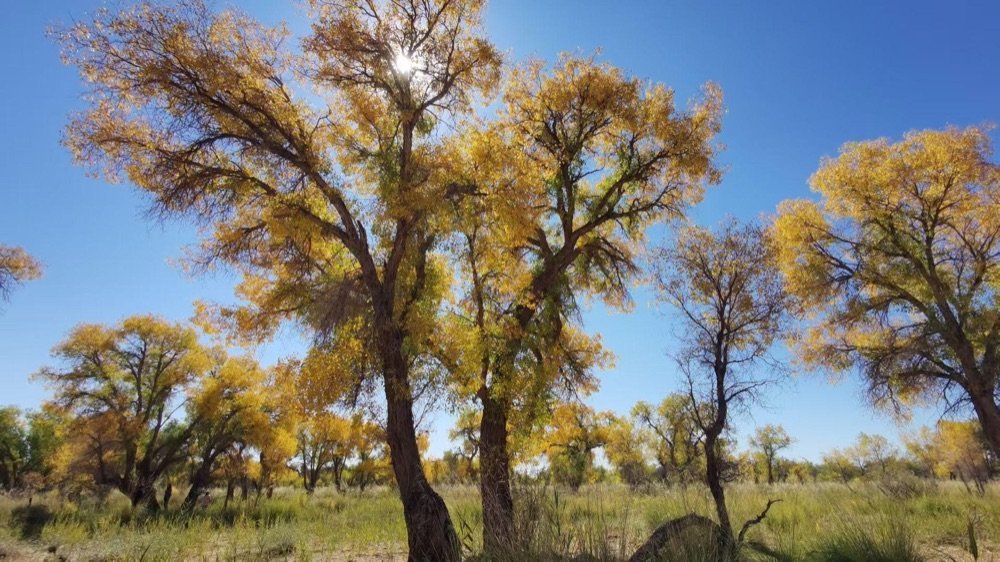
Shubat is not a restaurant drink. You find it where camels are kept and where the old dairy habits still outrank the fridge. In practice that means two very different ends of the region, a green north of grasslands and a bone-dry south of basins and dunes.
The Kazakh Camps of the North
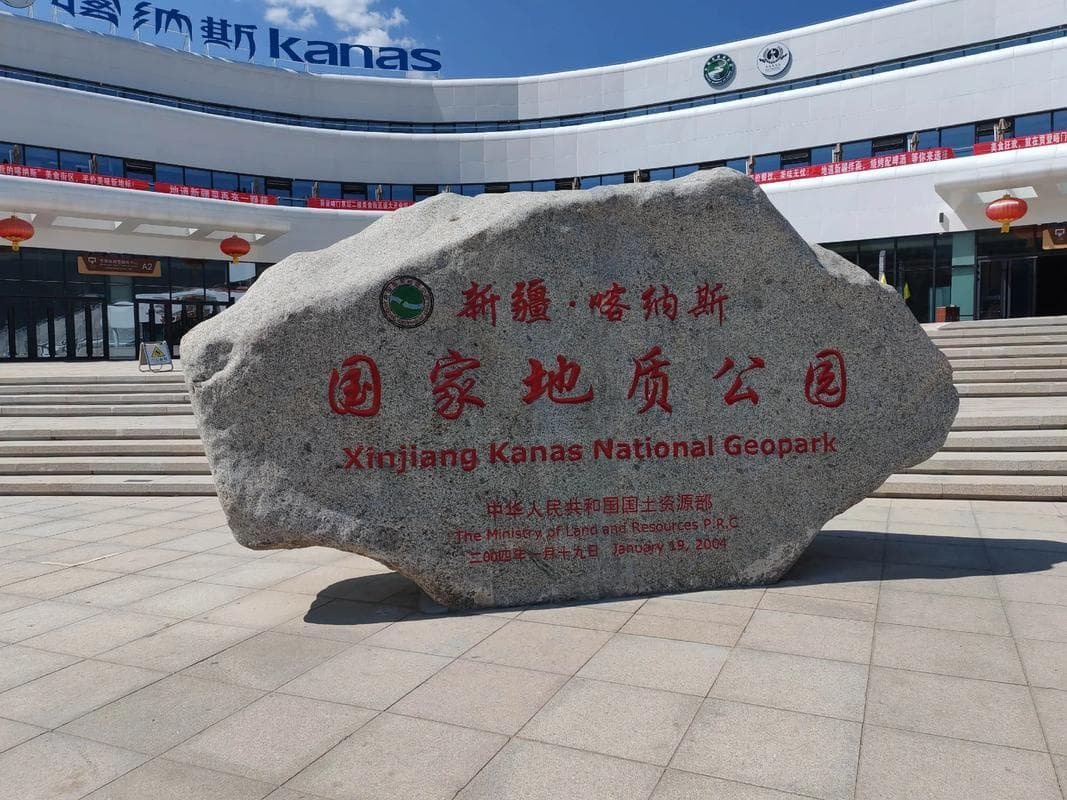
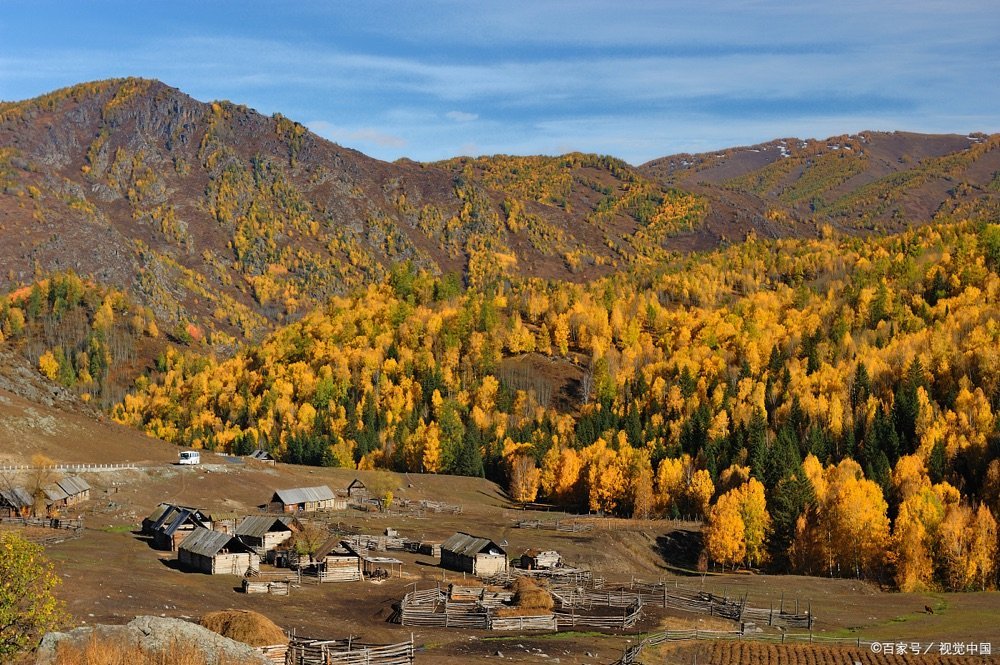
Up in the Altai and the Ili river country, Kazakh families have kept camels alongside their horses for generations. Around Kanas, Hemu and the summer pastures above Tekes you can still walk into a yurt in June, July or August and be handed a bowl without being asked whether you want one. The northern version tends to be made in small batches, kept cool in the shade of the felt wall, and drunk within a day or two of fermentation.
I have had memorable shubat near the grasslands of Nalati, where the herder’s wife fermented it in a plastic jerry can and decanted it into bowls for passing travellers. The drive from Yining out to those meadows runs about 260 km, and the bowl cost me nothing the first time and 10 yuan the second, when the family had started charging the tour buses that now roll in each morning. By mid July the car park at the lower meadow holds forty vehicles at noon, but walk an hour uphill past the last fence and the same bowl is still free and still better.
The Bactrian Herders of the South
Down south the camels matter for different reasons. Out past Turpan, and especially around the dried basin of Lop Nur where the wild Bactrian camels still roam, the herders who tend domesticated stock drink shubat because water is scarce and the milk is food and drink in one. The southern drink is often saltier still, sometimes deliberately, because in 40 degree heat a salty fermented milk replaces the electrolytes a body loses fast.
If you want to understand the animal behind the drink, the wild herds near Lop Nur are their own story, and there is a good field guide to the wild Bactrian camels of the Lop Nur desert that explains just how strange and tough these creatures are. I once camped 80 km east of the last paved road out of Ruoqiang and watched a herder milk a haltered female at dawn before the temperature cracked 30. The milk went straight into a hide sack slung on the camel’s own pack saddle, and by the time we reached the next well at noon it had already begun to turn.
The roadhouse culture of the south is kinder to travellers now. Near the desert camps of Turpan and the truck stops on the G315 toward Kashgar you can buy a bowl from a cooler for loose change, though the stuff here is often a city-made compromise, pasteurised and re-fermented, smoother than the real camp version.
How It Is Made
The method is stubbornly low tech. A female camel in milk yields somewhere between 2 and 3 litres a day, far less than a cow, and she only lets down while her calf is nearby or being mimicked with a dummy. Milking happens at dawn and again at dusk. The fresh milk is poured into a vessel, traditionally a cleaned goat-skin or a wooden churn, and a spoonful of yesterday’s finished shubat is stirred in as the starter.
From there it is a waiting game governed by temperature. In the cool of a northern yurt the fermentation takes the better part of a day, maybe 18 to 24 hours, and stays drinkable for two or three days if the weather holds. In the south, where shade is a luxury, the same process runs faster and the window closes quicker. Nobody adds sugar, nobody heats it, and the only thing that controls the sour is how soon you drink it.
What surprises first-timers is that shubat is never stirred smooth like a factory yoghurt. It carries the sediment of its own making, a faint grittiness that tells you it was alive an hour ago. The herder stirs it once, hard, before serving, then leaves the heavier settle at the bottom of the jar for the children. That is the point, not a flaw.
The Health Claims, and the Honest Caveats
You will hear a great deal about camel milk in Xinjiang, and most of it is told with a straight face over a second bowl. Herders credit it with steadying blood sugar, building strength in children, and soothing the gut. There is real science behind some of this: camel milk has a different insulin-like protein than cow milk and a lower fat globule size, and studies in other countries have looked at it for type 1 diabetes support. None of that makes it medicine.
Here is the part travellers actually need. Unpasteurised fermented milk carries the same risks as any raw dairy, including brucellosis in parts of Central Asia, and a foreign stomach unused to the local bacteria can spend an unhappy night regardless of the source. My rule is simple. Try shubat in moderation, a single bowl, and skip it entirely if you have a compromised immune system or are pregnant. The pleasure is in the tasting, not the litre.
If the idea of raw milk worries you, the cities have an answer, and I cover the broader map of traditional dairy drinks and where to try them elsewhere on the site. Pasteurised camel milk and even bottled shubat now turn up in Urumqi supermarkets and the bigger wet markets, heat-treated and labelled, which removes most of the risk while keeping the strange salty tang. I drank a labelled bottle bought near the bazaar on a Tuesday and felt nothing worse than full, which is exactly the bargain most visitors want.
What It Costs
Prices are low and getting lower as the drink inches toward the tourist circuit. In a northern yurt camp a bowl of home-fermented shubat runs from free, if you are a guest, to about 10 to 15 yuan if you are clearly a customer. In the south, out by the desert camps near Turpan or the roadhouses on the edge of the Taklamakan, expect 8 to 12 yuan for a small bowl and maybe 20 yuan for a full litre in a plastic bottle you can keep in your car’s cooler.
In Urumqi a pasteurised carton of camel milk, around 200 ml, sits on the shelf at roughly 12 to 18 yuan, and a tub of the fermented version from a dairy brand runs 25 to 35 yuan for 500 ml. That is the price of safety and consistency. The fresh stuff from a yurt is cheaper and frankly more interesting, but the city version will not gamble with your stomach before a 600 km drive to Hotan. I have done that drive on both kinds, and I know which one I would choose at kilometre 400.
Shubat Next to Kumis and Yogurt
The comparison travellers ask for most is against kumis, the fermented mare’s milk that is the other great nomad drink of the steppe. Kumis is lighter, fizzier and more sharply alcoholic in trace amounts because mare’s milk ferments toward a weak beer, while shubat stays near-flat and barely tipsy. Kumis tastes brighter and more carbonated; shubat tastes heavier and more savoury. If you only try one, try kumis first on the northern grasslands and shubat when you reach the camel country, and you will taste two separate logics of preservation.
Shubat against cow yoghurt is an easier leap. Yoghurt is sweet-sour and smooth; shubat is salt-sour and coarse. Yoghurt is a side dish; shubat is a drink you finish standing up because sitting makes it too filling. For the full picture of the mare’s milk side of things, the dedicated guide to kumis and dairy on the steppe walks through how the two drinks sit side by side in a herder’s day, and why the same family will keep a churn of each within arm’s reach.
The one drink shubat does not resemble is ayran or the salty yoghurt lassis of elsewhere, because those are watered and seasoned after the fact, while shubat earns its salt in the animal and its sour in the wait. That difference is why travellers who love ayran often still flinch at their first real bowl.
Where to Drink It and How to Order
Ordering is easy because there is almost nothing to say. In a yurt you are given it; at a roadside stall you point at the jar and hold up fingers for bowls. The word you want is shubat itself, pronounced flat and short, and a smile covers any accent. In the Kazakh north people may also call it chubat with a soft ch, so do not be thrown when the sounds shift between tents.
Timing matters more than words. The drink is best in the warm months when camels are milking and the camps are open, roughly May through September in the north and April through October down south where the season stretches longer. Outside those windows the yurts come down and the fresh supply dries up, leaving only the bottled city versions. I learned this the hard way in early November near Altai, when the only shubat for 300 km was a sad carton that had travelled farther than I had.
Taking Camel Dairy Home
If the taste wins you over, Xinjiang makes it easy to keep going after you leave the desert. Dried camel milk powder travels well and survives the long flight home, and the same dairies that bottle the pasteurised milk also press hard cheeses and other dairy beyond milk tea worth a look if you want a souvenir that is not another knife. I packed a vacuum-sealed block of aged camel cheese from a Urumqi shop near the bazaar and it made it to Europe intact, a small yellow reminder of a bowl I did not expect to like.
For something colder and sweeter, the region’s frozen dairy desserts and ice cream often use the same camel and yak milk, so you can close a shubat afternoon with something a child would actually cheer for. I did exactly that in Turpan one October afternoon, the salty bowl first and the sweet cone after, and the contrast tasted like the whole region in two spoons. The camel-milk ice cream there runs about 8 yuan a cone and has a faint caramel depth that cow milk never reaches.
A Drink Worth the Strange First Minute
Shubat will not be the prettiest thing you taste in Xinjiang, and it will not be the easiest. But it is honest in a way few travel foods are. It is milk made safe and portable by cold and time, carried by people who still measure a day by the herd. Drink one bowl slowly, in the shade, somewhere far from the highway, and you will have tasted a logic older than the Silk Road itself.
I left that first yurt with a salted moustache and a borrowed thermos of the stuff, and I drank it cold the next morning at a switchback above the tree line. The road fell away behind me for 200 km of nothing, and the bowl in my hands was the only food for miles that did not need a stove. That, more than any health claim, is the real argument for shubat.