
A 12-Day Xinjiang Family Itinerary That Actually Works With Kids
We Took Our Kids to Xinjiang. Here Is the Route That Worked
People told me Xinjiang was too far, too dry, too much driving for children. We went anyway, with a seven-year-old and a ten-year-old, and drove a loop through the north in July 2024. It was the best trip we have done as a family, but only because I planned the days around the children and not around the map. This is the 12-day version, trimmed from a longer trip, with the parts that exhausted everyone taken out.
The Golden Rule: Shorter Legs
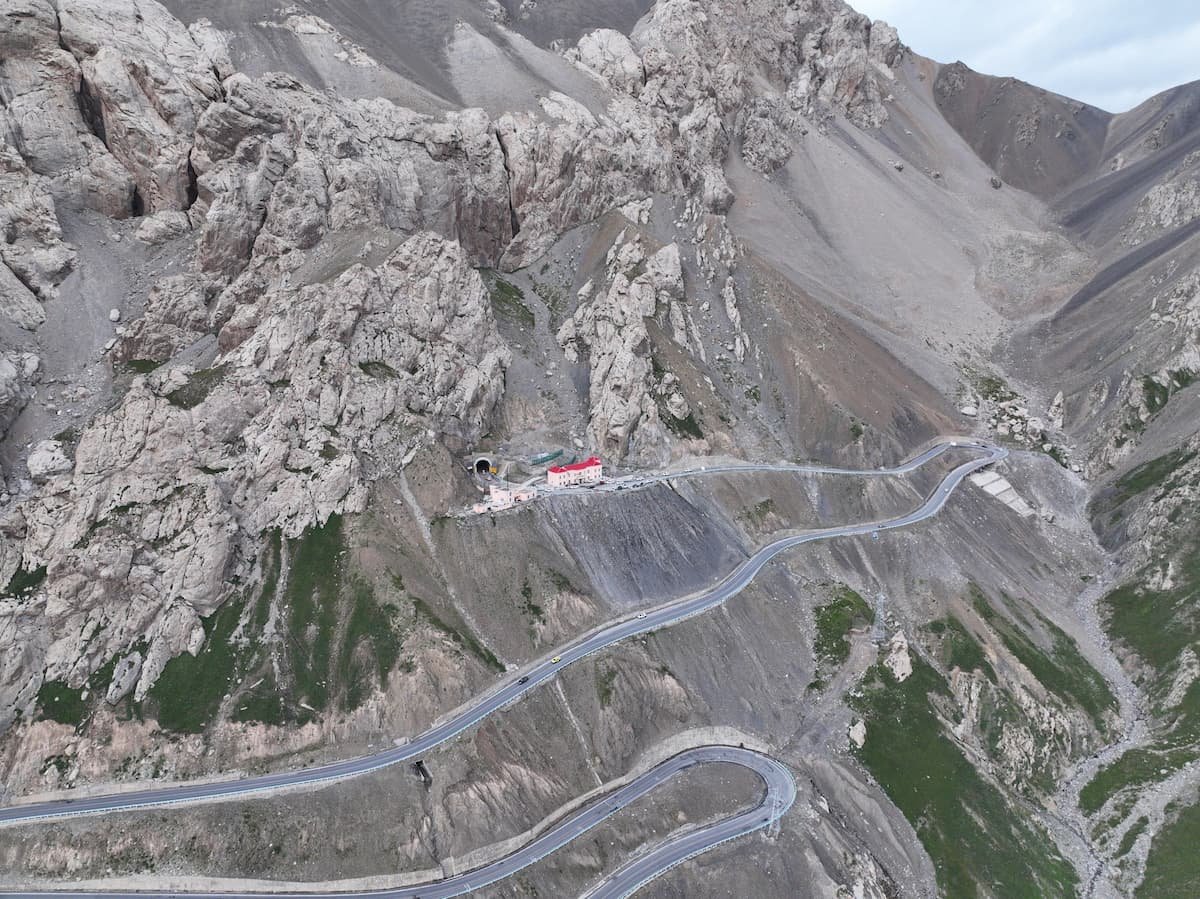
The single change that made the trip work was capping driving at about 250 km or four hours a day. Adults can grind out 500 km; kids cannot. Every day on this plan leaves the afternoon open. That sounds like a waste of a rental, but a bored child in a car for eight hours is worse than any wasted kilometre.
Day-by-Day, Built for Families
- Day 1: Arrive Urumqi. Pick up the car, buy snacks, sleep. Keep it light; the flight alone is long.
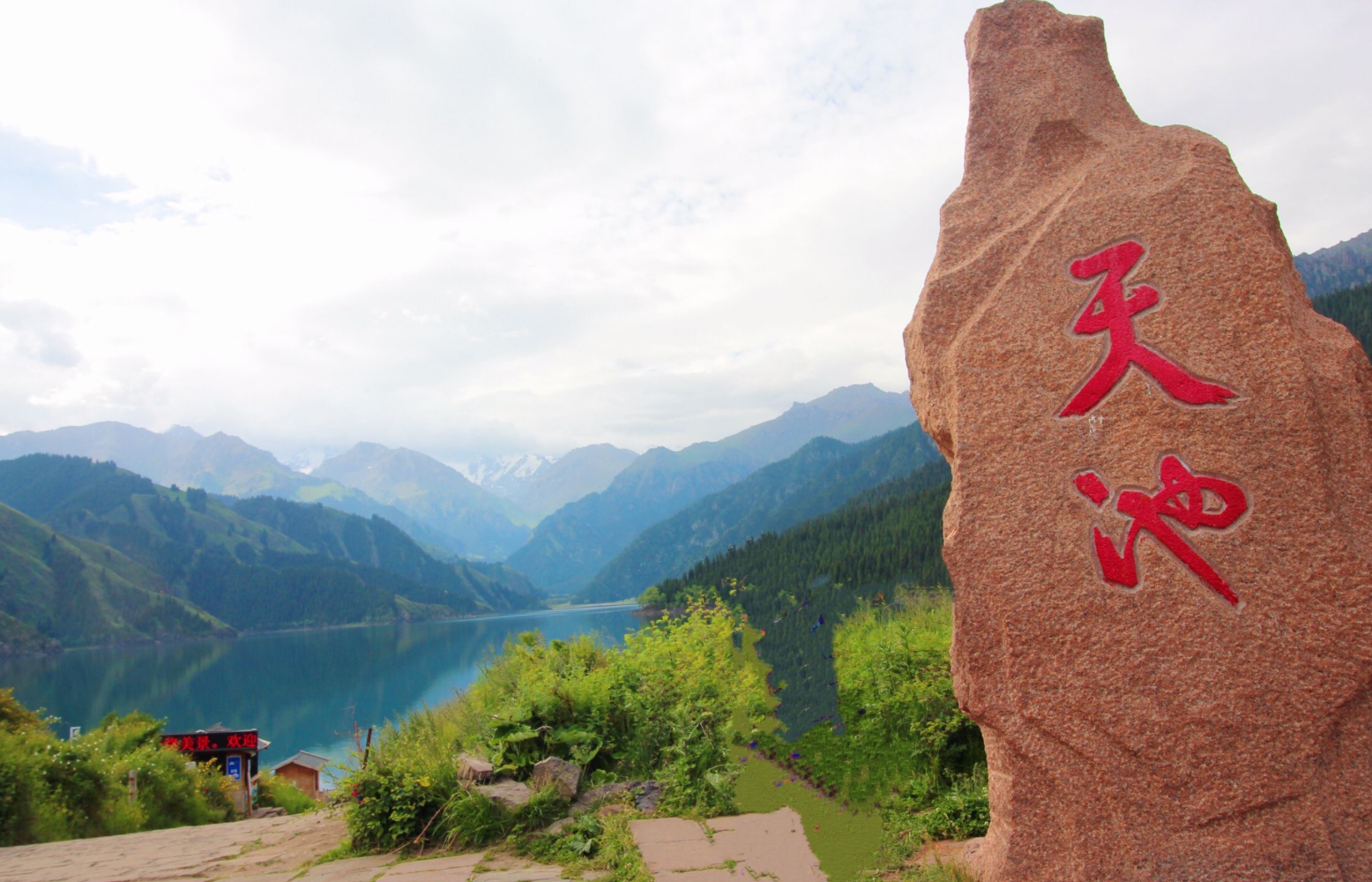
- Day 2: Urumqi to Tianchi (Heavenly Lake), about 110 km round trip. The cable car and lakeside walk are easy for kids.
- Day 3: Urumqi to Karamay, 320 km. Stop at the World Ghost City (Devil’s City) near Karamay; the wind-shaped rocks are a hit with children.
- Day 4: Karamay to Burqin, 340 km. Easy highway, with a playground break at a service area.
- Day 5: Burqin to Kanas, 140 km. Stay inside the scenic area so you skip the dawn queue.
- Day 6: Kanas and Hemu Village. Short boardwalk walks only; save energy.
- Day 7: Kanas to Wucaitan (Colorful Beach), then to a town near the G3014 for the night.
- Day 8: Drive toward Yining via the scenery, about 300 km. Stay in Yining (Ghulja), a green, walkable city.
- Day 9: Yining to Sayram Lake, 90 km. The ring road is flat and the lake is huge; rent the lakeside bikes if the weather holds.
- Day 10: Sayram Lake to Urumqi, about 500 km in two comfortable halves with a lunch stop.
- Day 11: Rest day in Urumqi: bazaar, museums, easy food.
- Day 12: Fly home.
Why These Stops and Not Others
I left out the Taklamakan and the Pamir on purpose. Those are long, remote drives with few child-friendly facilities, and a sick kid 200 km from a hospital is a bad day. The north loop has towns every couple of hours, decent hospitals in Urumqi and Yining, and scenery that does not require hiking fitness. If you want the south later, do it without children first.
For a broader look at what works with younger travellers, my longer notes on a kid-friendly Xinjiang route cover age-specific advice. And the full family trip planning guide has packing and health sections I leaned on heavily.
Car Seats and the Rental
Do not assume the rental company has a child seat. On my trip the “available” seat turned out to be a worn booster with a broken clip. I now fly with our own lightweight harness seat; it weighs 4 kg and fits in a checked bag. The car itself should be a proper SUV with rear air conditioning that actually reaches the back row. I booked a 5-seat SUV and paid about ¥420 a day in July, which is the peak rate; the same car in May was ¥260.
My parents came on the second week of a different trip, and the advice in the guide for travelling with elderly parents about pacing and altitude applies just as much to tired kids. Slow down, hydrate, and do not chase sunsets that mean a 21:00 dinner.
Food Without the Battle
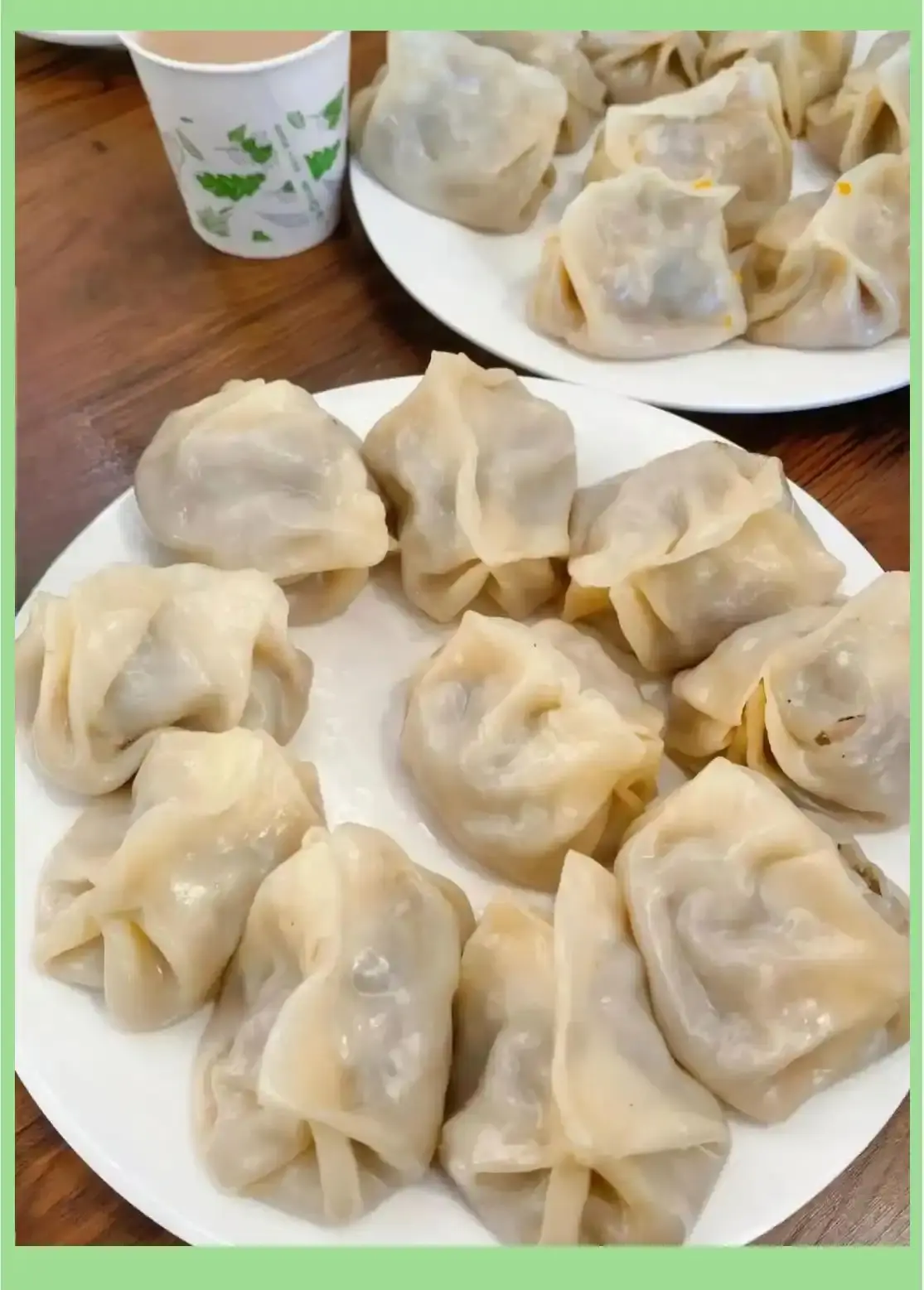
Xinjiang food is meat-heavy, which can worry parents. It is fine. The naan bread is plain and safe, the laghman noodles are soft, and the baked buns (samsa) are a reliable child favourite at about ¥5 each. I carried a small box of familiar cereal and fruit for mornings when the breakfast was all mutton soup. Supermarkets in Urumqi and Yining stock yoghurt, bananas, and instant oatmeal. Keep a cooler bag in the boot; the 12-volt cooler we rented for ¥30 a day paid for itself in saved spoiled milk.
Hotels: What to Book
With children, the hotel matters more than the view. I look for three things: an elevator (carrying a sleeping kid up four floors is no fun), a convenience store within 200 metres, and confirmed heating that works in shoulder season. In Kanas I paid ¥520 for a wooden cabin that slept four with solid heating; in Yining a clean business hotel was ¥280. Urumqi has everything from ¥200 hostels to ¥1,200 international chains. I used the mid-range ¥400-¥500 places and they were consistently good. If you want a calm first night, start with the Urumqi first-day layover plan so the jet lag does not hit on a driving day.

Health, Altitude, and the Sun
Most of this route stays below 1,500 metres, so altitude is not the issue it is further south. The real hazards are the sun and the dry air. I went through two bottles of SPF 50 and a family-sized tube of lip balm in twelve days. Drink water constantly; the kids needed reminding every hour. A small first-aid kit with rehydration salts, a thermometer, and children’s fever medicine covered the one upset stomach we had. Pharmacies (yao dian) are common in towns and staff often have basic English, but I kept the important meds from home.
Keeping Them Entertained
Long flat highways are boring. I downloaded three audiobooks and a couple of offline games before leaving Urumqi, where the signal is good. The stops are the real entertainment: the Ghost City rocks, the boat on Sayram Lake, and the wooden villages of Hemu gave the kids things to actually remember. I also let them keep a trip notebook with one drawing per day; it became the thing they showed their class afterward.
What I Would Change
If I did it again, I would drop Day 7’s long Colorful Beach detour and spend the extra time at Sayram Lake instead. The beach there, even in summer, is quiet and the bike ride is the kind of simple fun that beats a crowded viewpoint. I would also book the Kanas cabin three days earlier; we cut it close and the good rooms were gone.
What the Trip Cost Us
For a family of four, twelve days in July ran about ¥18,000 all in. That broke down as: car rental ¥5,000 (peak season, SUV with unlimited kilometres), fuel ¥1,100, park entries and shuttles roughly ¥2,400 for four people across Kanas, Tianchi, Sayram and the Ghost City, hotels ¥4,800 (averaging ¥400 a night in family rooms), and food and snacks about ¥4,000. Flying in from Beijing for four was separate and varied. The same loop in May would have been closer to ¥13,000 because the car and rooms drop sharply outside July and August. We chose July for the weather and schools, and the premium was real but worth it for the guaranteed blue skies.
A Sample Day on the Road
Day 9, our Sayram Lake day, is a good model. Left Yining at 09:00 after hotel breakfast, reached the lake gate by 10:15 (90 km, good road). Paid the ¥70 per adult, ¥35 child entry, took the shuttle to the east shore, and rented bikes for an hour (¥40 each, kids on the back). Lunch was a lakeside noodle stand, ¥25 a bowl, eaten in the wind. Back in the car by 14:00, a slow drive back with a stop at a roadside melon stall where a whole Hami melon was ¥15. In Urumqi by 17:30, dinner at a familiar noodle shop. That is a relaxed day with the driving done before the children got restless, which is exactly the point.
Best Season for the Family Version
July and August are warmest and most reliable, but busiest and priciest. June and September are my actual recommendation: warm enough for the lakes, far fewer crowds, and rooms 30% cheaper. We hit one July rain day at Kanas that dropped the temperature to 12 Celsius, so even in summer pack a layer. Winter is magical but I would not take children under ten on the snow routes; the cold and short daylight are a different kind of trip.
Packing List for the Kids
Beyond the car seat, I pack: a compact booster for the shuttle buses, two changes of clothes per child per two days, a favourite small toy each (non-negotiable for meltdowns), children’s ibuprofen and a thermometer, rehydration salts, sunscreen and lip balm, a refillable water bottle each, and a downloaded show or two for the rare long stretch. A small bag of familiar snacks from home bridges the gap when the breakfast is all mutton broth. None of this is exotic, but forgetting the booster or the meds turns a small problem into a long one.
Checkpoints With Children
The routine highway document checks apply with kids in the car too. Keep passports handy and explain to older children that the scan is normal and quick; a calm parent keeps a calm child. We never waited more than ten minutes. The first-timer FAQ covers the documents you need, and I printed a one-page summary to show if language failed us. It never did, but the paper helped me stay organised at 08:00 with a tired child.
Handling the Inevitable Meltdown
It will happen. On our trip the ten-year-old hit a wall on Day 7 after a long Colorful Beach detour, and the rest of the day was a negotiation. The fix was boring: an earlier stop, a familiar snack, and letting him pick the dinner. I now build a “low-expectation” afternoon into every third day, where the only plan is a pool or a playground and no sightseeing. The elderly-parents guide makes the same point about pacing, and the logic holds for tired kids: slow the plan before the mood breaks, not after. A calm parent is the best travel tool you have.
A Word on Screens and Souvenirs
I am not anti-screen on a road trip; a downloaded film saved one long highway stretch. But I cap it at an hour a day so the trip stays real. For souvenirs, I let each child pick one thing per week within a ¥50 budget, which stops the daily “can I have this” and gives them a keepsake they chose. The souvenir guide lists what is actually worth carrying home; we came back with a small wooden bowl and a bag of dried apricots, both still used. Keep the loot light; you are already hauling coats and a car seat.
Schools and the Long Break
We travelled in July because of the school calendar, which is why the trip cost more. If your children are younger or homeschooled, June and September are the smarter windows: the crowds thin, the weather holds, and the rooms drop by a third. I would trade the July blue skies for a September weekday any time for the calm. Wherever you go, carry a small set of schoolwork for an hour each morning so the break does not become a gap; the kids barely noticed, and the teachers were happy. None of this is exotic, but it is the difference between a trip that feels like a holiday and one that feels like a logistics war.
One Last Practical Tip
The single thing I would tell a parent before they book: build the trip around the children’s rhythm, not the map’s. The instinct is to maximise sights; the reality is that a tired, hungry child erases the value of the best viewpoint. We kept one “nothing day” every three days, ate at the same reliable noodle shop twice rather than hunting new places, and let the kids sleep in once. The trip they remember is the Sayram bike ride and the Hemu cabin, not the efficient routing. Lower your mileage, raise your patience, and Xinjiang becomes a family story instead of a logistics test.
The Verdict
Xinjiang with kids is not the ordeal people warned me about. It is a long flight and a lot of open road, but with short legs, a good seat, and a cooler bag, it became the trip our children talk about most. Plan for them, not for the kilometres, and the province opens up in a way that surprised me.