
Xinjiang 5-Day Itinerary: The Perfect First-Timer’s Route (2026)
Updated: June 2026 · By Roam Xinjiang Team
Why a 5-Day Xinjiang Itinerary Might Be Exactly What You Need
Let’s be honest: Xinjiang is massive. At 1.66 million km², it covers one-sixth of China’s total land area. You could spend a month here and still only scratch the surface. But not everyone has a month—and that’s where a tightly planned Xinjiang 5-day itinerary comes in. With good logistics and a focused route, five days is enough to experience the region’s defining landscapes: glacial lakes, alpine meadows, desert corridors, and living Silk Road culture.
This guide lays out a Northern Xinjiang loop that starts and ends in Urumqi, prioritizing the three places foreign travelers consistently rate as unmissable: Heavenly Lake, Kanas Lake, and Hemu Village. It’s a fast-paced route—but intentionally so. You’ll cover serious ground and come away with images that don’t look real.
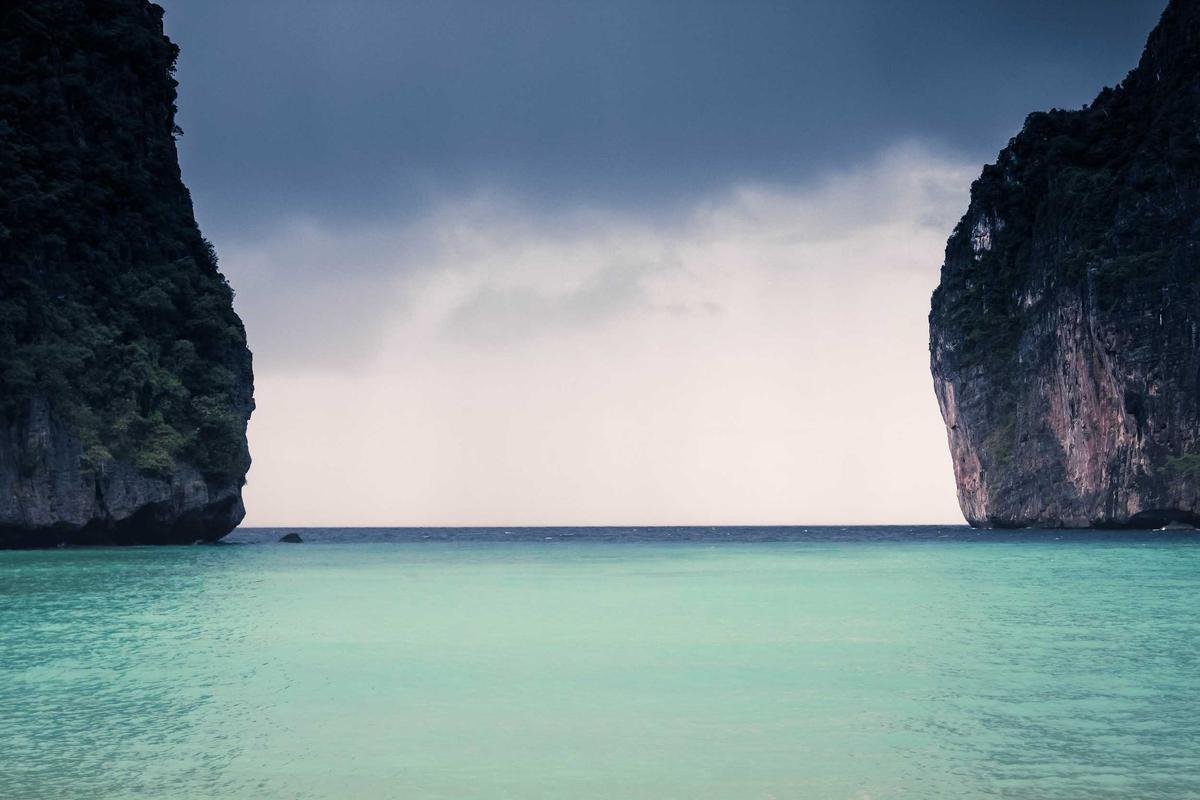 Heavenly Lake Tianchi Xinjiang alpine lake” style=”width:100%;max-width:700px;display:block;margin:20px auto;border-radius:8px;” />
Day 1: Urumqi Arrival → Heavenly Lake (Tianchi)
Land in Urumqi, dump your bags at the hotel, and head straight for the mountains. Heavenly Lake (Tianchi) sits at 1,980 m on the northern slope of the Tianshan range, about 110 km from the city. The signature view—a sapphire oval framed by the 5,445 m Bogda Peak—is the most iconic “postcard shot” within half a day’s reach of any Xinjiang gateway city.
The logistics: arrive at the scenic area entrance by 9:00 AM to beat the tour buses. A mandatory shuttle bus (¥60 round-trip) carries you up to the lakeshore. Once there, walk the west-shore plank trail (about 3 km, easy grade) for classic Bogda reflection photos. If your legs feel good and the weather’s clear, the cable car up Maya Peak (¥220 round-trip) gives you an aerial perspective over the lake and the moraine ridge.
EEAT tip from experience: I made the mistake of visiting in mid-July on a Sunday—the traffic up the mountain took two hours. If you can, go midweek or be on the first shuttle at opening time. Mid-September is the real sweet spot: crisp air, zero tour groups, and birch beginning to turn.
Spend the night in Urumqi. The Xinjiang Regional Museum is worth 2–3 hours if you have energy left the same afternoon—the Tarim Basin mummies alone justify the stop.
Day 2: Urumqi → Burqin (Gateway to Kanas)
This is a transit day—embrace it. The drive from Urumqi to Burqin takes about 8–9 hours (roughly 650 km) via the G216 and G216-G217 connector. It’s not a short hop, but the landscape transition—from semi-arid basin to the foothills of the Altai Mountains—is part of the experience.
Why Burqin matters: This pastel-colored riverside town is the practical gateway to Kanas. You’ll sleep here (or in nearby Kanas Village) before entering the scenic zone the next morning. Arrive before sunset and you can catch Colorful Beach (Wucai Beach), about 24 km north of town on the south bank of the Irtysh River. The wind-eroded Yadan formations glow copper and rust-orange in low light—it’s one of the few places in northern Xinjiang where a “desert” landscape works as a prelude to alpine lakes.
Food note: Burqin’s night food street along the Irtysh River waterfront serves decent grilled fish (local Irtysh species) and cold beer. It’s touristy but fun, and the breezy river air after a long drive day is genuinely pleasant.
Day 3: Burqin → Kanas Lake (The Crown Jewel)
Today is the payoff. Kanas Lake—a glacial-tectonic dammed lake at 1,374 m in the Altai Mountains—is the single most famous landscape in Xinjiang, and it earns the hype. The water cycles through jade, teal, and milky turquoise depending on glacial-flour suspension and cloud cover. It’s extraordinary.
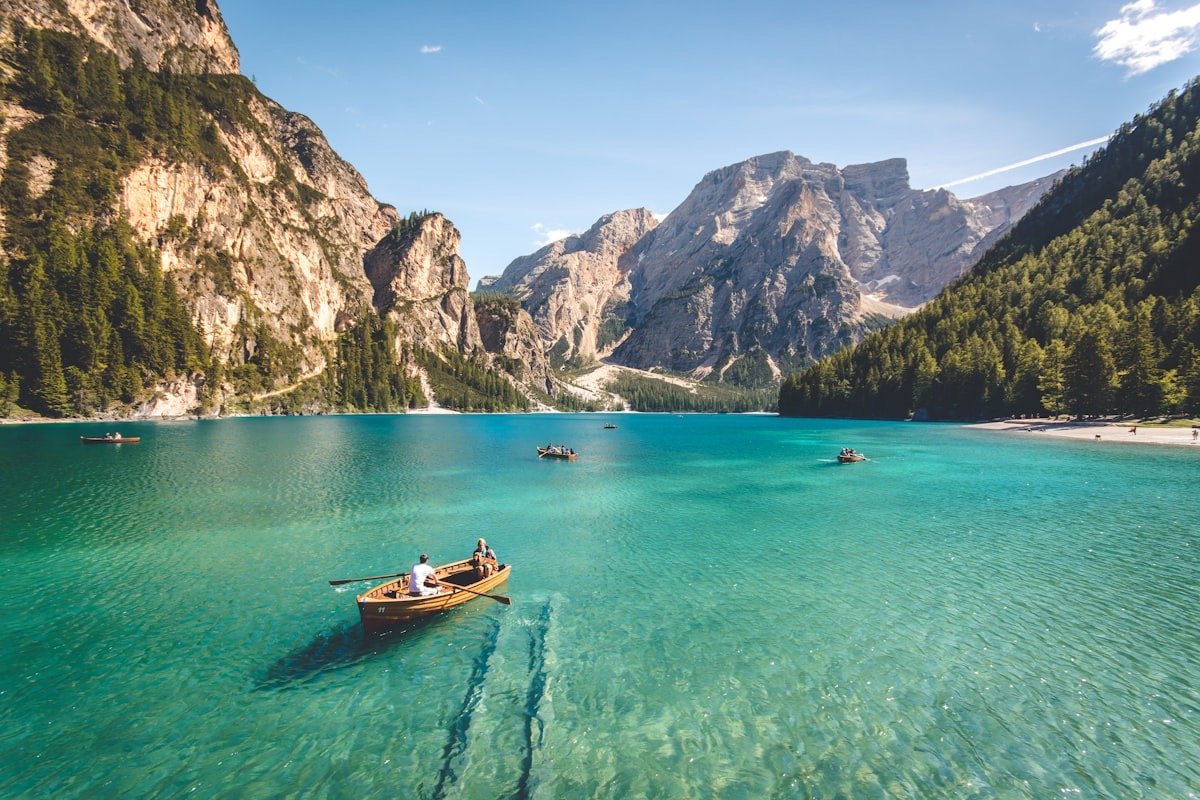
Entering the scenic zone: All private cars park at Jiadenyu (贾登峪), and a mandatory shuttle (about 30 km, ~1 hour) carries you into the core zone. The ticket (around ¥160 in peak season, subject to annual adjustment) covers the entrance; the shuttle is separate. Once inside, the circuit centers on four signature viewpoints:
- Guanyu Bay (观鱼台): Climb ~1,066 steps (or take the shuttle + escalator, ~¥20–40 extra) to the cliff-top platform. This is where you see the S-curve of the lake and understand why locals talk about a “lake monster” (actually large Siberian taimen or an optical illusion—take your pick).
- Moon Bay (月亮湾): The iconic crescent curve midway along the Kanas River. Wooden stairs take you from the road down to water level. Best in September when the birch flank turns gold.
- Shenxian Bay (神仙湾): The mist spot. You need to be here at sunrise—which means staying inside the scenic zone or arriving by 6:30 AM. Morning calm = layered fog ribbons over the braided river channels.
- Wolong Bay (卧龙湾): Broad, flat, “reclining dragon” sandbar formation. Good picnic stop; less crowded than Moon Bay.
Where to sleep: Either inside at Kanas Village (wooden lodges, pricey, atmospheric) or back at Jiadenyu (more options, cheaper, ~30 min commute each morning). Foreign access is straightforward; no border permit is needed for Kanas Village itself.
Day 4: Kanas → Hemu Village (The Timber Wonder)
If Kanas is the “scenic lake,” Hemu Village is the timber village. Same biosphere, slightly higher and more enclosed, defined by pine-log cabins, birch groves, and the Hemu River cutting through a glacial trough. Foreign photographers consistently rate it among the top sunrise spots in China—provided you stay overnight (the day-tripper crush kills the mood by 10:00 AM).
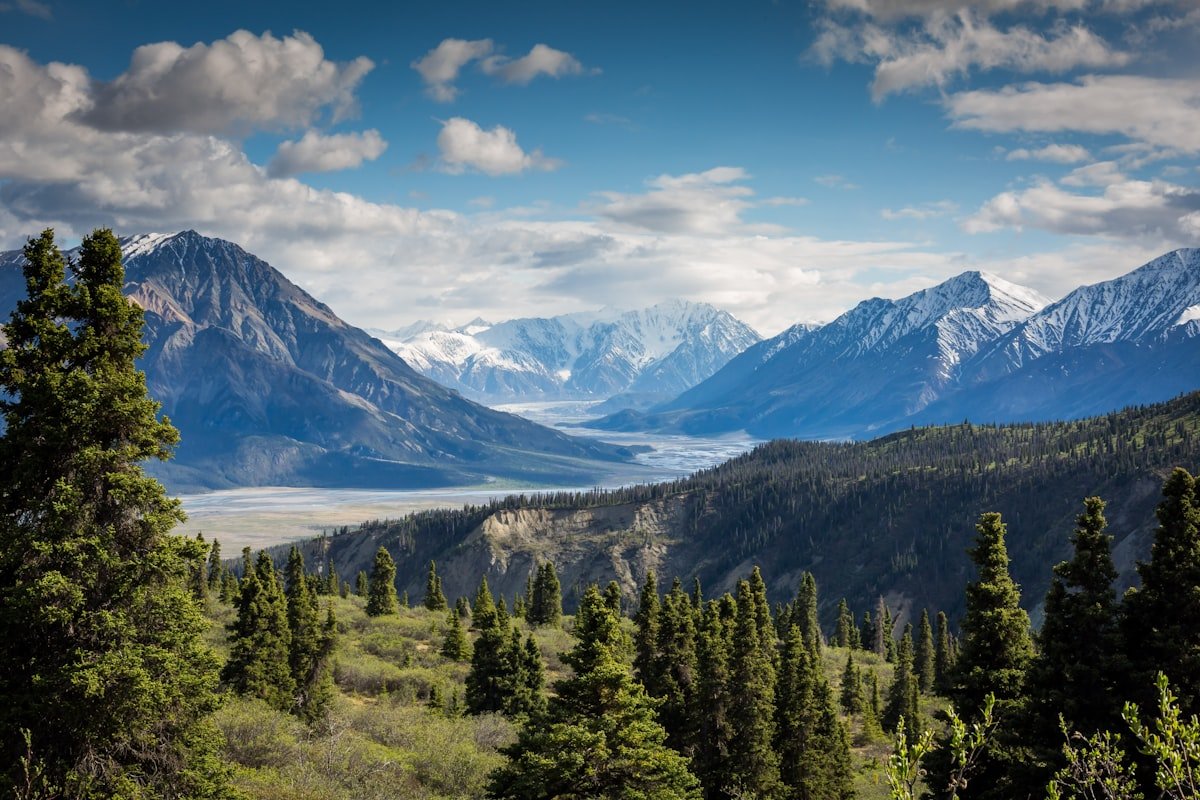
Getting in: Entrance is around ¥102 (seasonal; shuttle included). Access from Jiadenyu / Burqin side takes about 2 hours on a winding mountain drive. Foreign self-drive is sometimes restricted—a private charter with a local driver solves this and removes checkpoint stress.
What to do:
- Hemu Viewing Deck: Above the village; sunrise here is the money shot—birch gold, roof smoke rising, frost on logs.
- Birch River Trail: A free walk along the valley floor. No ticket needed beyond the entrance.
- Tuvan culture: Several families open their wooden houses for tea and conversation. If invited, accept gracefully and offer a small tip (¥20–50).
Reality check: September 25–October 5 is peak foliage and also peak Chinese National Holiday. Book accommodation 3–4 weeks ahead if your dates land there. Outside that window, you can often negotiate walk-in rates at guesthouses.
Day 5: Hemu → Burqin → Urumqi (The Long Return)
Day 5 is the return leg. The practical options are:
- Drive back: Hemu → Burqin (~2.5 hrs) + Burqin → Urumqi (~8–9 hrs). Doable in a day if you start at 7:00 AM, but it’s a lot of driving.
- Fly out: If your itinerary allows, consider exiting via Karamay Airport (closer to Burqin than Urumqi) or even a one-way charter to Urumqi airport for a late-day flight out.
- Slow return: Spread the drive with a overnight in Karamay and visit the World Devil City (Wuerhe Yadan) on the way—otherworldly wind-eroded towers that glow copper at sunset.
If you have a late flight, the Xinjiang Regional Museum in Urumqi is a smart final-morning stop—air-conditioned, professionally curated, and it gives you the historical framework that makes every subsequent site click into place.
5-Day Itinerary at a Glance
| Day | Route | Highlight | Overnight |
|---|---|---|---|
| 1 | Arrive Urumqi → Heavenly Lake | Bogda Peak reflection | Urumqi |
| 2 | Urumqi → Burqin (650 km) | Colorful Beach sunset | Burqin |
| 3 | Burqin → Kanas Lake | Three Bays + lake cruise | Kanas Village |
| 4 | Kanas → Hemu Village | Sunrise deck + birch forest | Hemu Village |
| 5 | Hemu → Burqin → Urumqi | Devil City optional / Museum | Depart Urumqi |
What This Itinerary Does NOT Cover (and What to Do About It)
Five days in Xinjiang is enough for a highlight reel—but it’s not enough for everything. If your travel window allows more time, consider extending in these directions:
- Add 2 days: Loop south to Bayanbulak Grassland and the Nine-Bend River sunset on the return route.
- Add 3 days: Fly Urumqi → Kashgar and spend 3 days in Kashgar Old Town + a day trip to Karakul Lake on the Pamir Plateau.
- Add 4 days: Head west from Urumqi to Sayram Lake and Nalati Grassland in the Ili Valley—the “Switzerland of Xinjiang.”
If you’re planning solo or independent travel in Xinjiang, check our 10-day and 14-day extended itineraries for a slower pace with deeper cultural stops.
Before You Go: 5 Practical Realities
- Altitude: Heavenly Lake (1,980 m) and Kanas (1,374 m) are mild, but if you extend to the Pamirs (3,600 m+), acute mountain sickness is real. Ascend gradually and carry ibuprofen.
- Border permits: The Kanas/Hemu area does not require a border permit for foreign visitors. But if you add Kashgar + Karakul Lake, you’ll need a PSB border permit (arrange in Urumqi or Kashgar; usually free with passport).
- Best season: June–September for green landscapes and accessible roads; late September–early October for autumn colors (the famous Kanas gold). Winter is magical for skiers but limits road access.
- Transport: A private charter (¥600–1,500/day depending on vehicle and season) is the single best investment for a 5-day trip. It removes the “where’s the bus?” stress and lets you stop for photos.
- Connectivity: Mobile data (China Mobile/Telecom/Unicom) works in Urumqi, Burqin, and Kanas Village. Hemu has spotty coverage. Download offline maps and WeChat your hotel contact info before leaving Urumqi.
The Bottom Line
A Xinjiang 5-day itinerary will not cover everything—and that’s fine. What it will give you is a concentrated, high-impact introduction to the landscapes that define this region: a sacred alpine lake, a fairy-tale timber village, and the hospitality of the Altai mountains. Come for the photos; stay for the realisation that no photo does it justice.
Last updated: June 2026. Routes and ticket prices are subject to annual adjustment by local authorities—verify before travel. This article reflects the lived experience of independent travelers and is not a commercially sponsored guide.