
Yili (Ili) Valley Overview Guide 2026 — Xinjiang’s Fertile Paradise
Our Yili (Ili) Valley Overview Guide 2026 is the primer you need before exploring western Xinjiang’s green heart — the region many veteran travelers call the most beautiful part of any Xinjiang travel guide. Sheltered by the Tianshan and fed by the Ili River, the valley feels like a different country from the deserts to the east, and it rewards travelers who slow down.
Why the Ili Valley Is Special
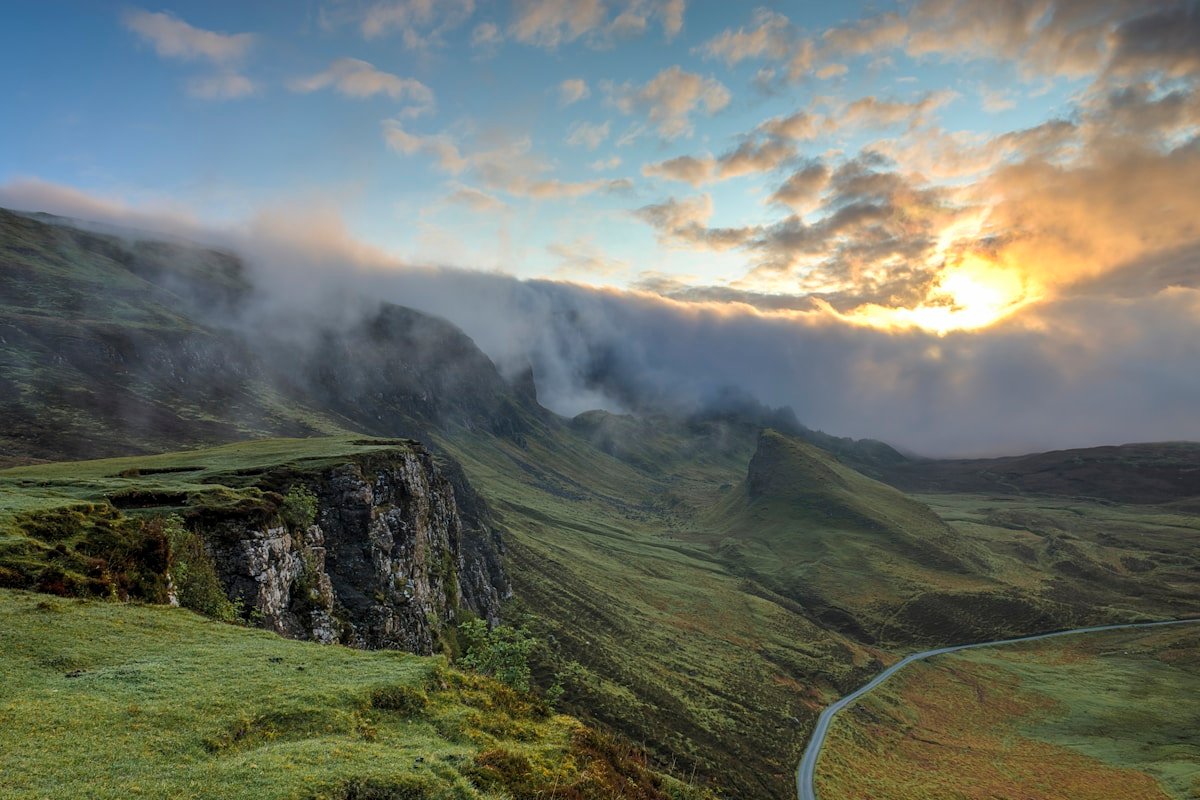
While most of Xinjiang is arid, the Ili (Yili) Valley catches moisture from the Atlantic’s last breaths — westerly winds that cross Europe and Central Asia before dropping rain on these slopes. The result is a fertile, humid pocket of meadows, forests, and farmland that Kazakhs call “the apple orchard of the gods.” Yining (Ghulja), the regional capital, is a leafy river city with a strong Central Asian feel, and the surrounding countryside is the photographic heart of the province.
A Quick Geography Lesson
The Ili Kazakh Autonomous Prefecture sprawls across the far west, bordering Kazakhstan, and contains the valley plus high ranges. Key sub-destinations: Nalati Grassland and Kuerdening in the east, Tekes (Bagua City) and Zhaosu in the south, Huocheng lavender and Sayram Lake to the north, and the Bayanbulak Grassland beyond the southern ridge. The G218 Yili Valley Road Trip links many of them into one spectacular drive.
Must-See Highlights
Nalati & Kuerdening Grasslands
Nalati is the postcard: rolling “sky meadows” at 2,000 m with Kazakh yurts, horses, and snow peaks behind. Kuerdening, a UNESCO World Heritage component of the Xinjiang Tianshan, is wilder and less crowded, famous for snowy spruce forests and the “flower platform” in June. Both have cable cars and boardwalk loops; arrive early to beat tour buses, and consider an overnight in a yurt to see the meadows at dawn and dusk.
Tekes Bagua City & Zhaosu
Tekes is laid out as a perfect eight-trigram maze with no traffic lights — a curiosity worth a walk and a photo from the central observatory tower. South of it, Zhaosu is horse country (the heavenly “Tianma” breed) with the widest, greenest plains in the valley and the nearby Kalajun grassland. Late June brings the Zhaosu rapeseed bloom — yellow fields against white mountains — and the annual horse festival is a genuine spectacle.
Huocheng Lavender & Sayram Lake
In late June, Huocheng’s lavender fields turn the northern valley into a purple Provence, with distilleries selling essential oil and small festivals around the bloom. Just beyond, Sayram Lake (covered in the Bortala guide) is the valley’s alpine crown. Together they make the classic Ili loop that most travelers remember most.
Yining City & Kazakh Culture
Yining itself rewards a day: the Kazanchi ethnic district‘s blue-and-colorful courtyard houses, the bustling bazaars, and the best Yining food scene in the west — hand-grabbed rice, fermented mare’s milk (kumiss), and the region’s own noodles. The riverside promenade is the place to watch the city unwind in the evening.
Getting Around the Valley
Yining has an airport and is the rail hub; high-speed trains reach it from Urumqi in about 4–5 hours. Distances inside the prefecture are large, so a self-drive or private driver is the norm. The G218 and the southern Duku spur are the scenic arteries. Expect 1.5–3 hours of driving between major sites, and budget buffer time for photo stops — you will want them.
| Route | Distance | Drive Time | Highlight |
|---|---|---|---|
| Yining → Nalati | ~260 km | 3 h | G218 valley drive |
| Nalati → Tekes | ~150 km | 2.5 h | Mountain pass |
| Yining → Sayram Lake | ~150 km | 2 h | Past Huocheng |
| Yining → Zhaosu | ~120 km | 2 h | Horse plains |
Best Time to Visit
June to early July is the peak: lavender, wildflowers, and green meadows at once. The best time to visit Xinjiang entry notes that September is the second sweet spot, with golden poplars and harvest light. Winters are snowy and some high passes close, but the valley floor stays reachable, and the G218 remains one of the most scenic winter drives if roads are clear.
A Suggested 4-Day Loop
Day one: Yining and Kazanchi. Day two: drive the G218 to Nalati, overnight in the grassland. Day three: Nalati to Tekes and Zhaosu. Day four: north via Huocheng lavender to Sayram Lake, then on to Bole or back to Yining. This spreads the long drives and hits every headline sight.
The Atlantic’s Last Breath
The reason the Ili Valley is green while the rest of Xinjiang is desert is one of geography’s quiet miracles: westerly winds born over the Atlantic cross Eurasia and, finally relieved of their cargo by the Tianshan, dump rain on this one pocket. It is the only place in China watered by air from the west, and the local saying — that the Ili is where the last breath of the Atlantic lands — is literally true. This is also why the valley’s apples, named in the old Persian “Gulja,” are legendary; the climate mirrors Central Asia’s fruit belt.
Where to Stay & Getting Around
Yining is the hub, with the best hotels, an airport, and the rail terminal. The grasslands (Nalati, Kuerdening) and Tekes have yurts and cabins, but they book out in July–August, so reserve early. A self-drive or private driver is effectively required — the sites are far apart and buses are slow — and the Xinjiang transport guide has the bus sketch if you are on a tight budget. Fuel up in Yining; remote stations are sparse.
Food, Kazakh Style
Beyond the Yining food scene, the valley’s signature is Kazakh: hand-grabbed rice (polo), smoked horse sausage, and endless dairy products — kumiss, thick yogurt, and kurut. In autumn the orchards and melon fields along the Ili River are piled with produce, and a roadside stop for a kilo of apples is a rite of passage. The Uyghur cuisine is here too, but the Kazakh table is the valley’s own.
Best Seasons for the Valley
June to early July stacks lavender, wildflowers, and green meadows into one window, while September trades flowers for golden poplars and harvest light. The best time to visit Xinjiang for the Ili is those two shoulders; midsummer is lush but busy at Nalati. Winters close some high passes, but the valley floor stays open and the G218 road is spectacular after snow.
Practical Tips for the Ili Valley
- Transport: Fly into Yining, then rent a car or hire a driver for the loop. The Xinjiang transport guide covers intercity buses, which are slower but cheap.
- Stay: Yining has the best hotels; in the grasslands, book yurt or cabin stays ahead for July–August. Nalati village fills fast, so reserve early.
- Eat: Don’t miss Yining’s hand-pulled noodles, kumiss and milk tea, and the valley’s apples and peaches in autumn.
- Permits: The valley is inland; no border permit for the main sites, though the border permit matters if you push to Khorgos port.
- Safety: Meadow weather flips fast — pack a rain shell. Altitude stays moderate, so no sickness worry for most travelers.
Frequently Asked Questions
How many days for the whole valley? Four to five days covers Yining, Nalati, Tekes, Zhaosu, Huocheng, and Sayram at a reasonable pace. Trying to do it in two invites long drives and missed light. Build in buffer for photo stops along the G218.
Is the Ili Valley crowded? Nalati and the lavender fields get busy in peak summer, but Kuerdening, Zhaosu, and the back roads are quiet even in July. Staying in a yurt rather than the resort core is the best way to dodge the buses.
What should I not miss? If you only pick two, make them a grassland (Nalati or Kuerdening) and the Sayram Lake loop. Together they capture the valley’s range, from alpine meadow to glacial turquoise.
Know Before You Go
Money & payments. Yining is the most card- and app-friendly stop in the west, but the grassland yurts and the Tekes back streets run on cash. Load your payment app in Urumqi and keep a cash cushion for the Kazakh family stays and the roadside melon stands.
Connectivity. Yining and the main roads are covered; Nalati and Kuerdening have signal at the resort core but not deep in the meadows. Save your offline maps and your Zhaosu and Tekes pins before you leave the city, because the southern passes are exactly where you will want them.
Packing. The valley is cooler and wetter than the east; a rain shell, a warm layer, and decent walking shoes handle meadows and sudden showers. In June, the mosquito and midge presence at the lakes means repellent is worth carrying, and a midge net for the face is a local trick.
Etiquette. Kazakh yurt stays are warm and informal — shoes off at the door, accept the offered tea, and ask before photographing the family. The Kazanchi district in Yining is photogenic but still lived-in, so be discreet with the camera and treat the courtyard houses as homes, not a film set.
Getting in by air. Yining airport has direct flights from Urumqi and a growing list of inland cities, and the terminal is only 20 minutes from the center — a short taxi puts you straight into the Kazanchi district. If you are short on time, flying in and out while renting a car for the loop is the most efficient way to see the valley without backtracking to the capital.
Updated July 2026. By Karl Huang.