
Driving in Xinjiang’s Rain, Snow & High Wind: Black Ice, Crosswind & Sandstorm Survival
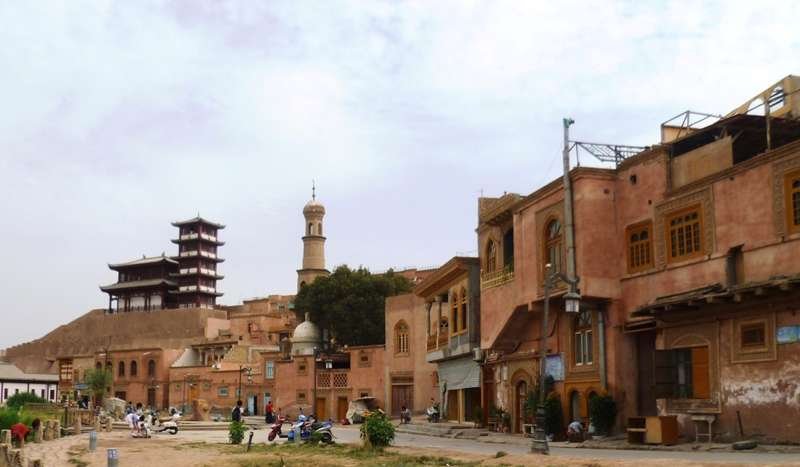
The Rain I Met on the Duku
September 2023, I drove south from Dushanzi onto the Duku. At the foot the sun was out; by the Hashilegen pass the temperature slid from 28 C to 6, the wipers got busy, and higher up it turned to sleety rain. That stretch has cliff on one side, a deep gully on the other, the road gleaming wet, and my hands on the wheel were slick with sweat. That was the first time I truly realised: in Xinjiang, weather isn’t backdrop, it’s the lead actor deciding whether you arrive today.
Since then I’ve run dozens of Xinjiang roads, big and small, and met rain, snow, and high wind more times than both hands count. I’m writing the parts that actually worked, not to scare you, but so you won’t be like me, only thinking “should’ve slowed” after the wheels already slipped. Xinjiang is too big and the weather shifts too sharp; the skill a self-driver most needs isn’t reading the map, it’s “reading the sky and deciding.”
First Learn: Do We Even Drive Today
Many get stuck right here. My experience splits the decision into three layers: check the forecast before leaving, watch the sky on the way, read the road surface at the dangerous stretch. If any layer goes red, don’t force it.
The before-leaving gate is easiest to fool with luck. Xinjiang mountains run four seasons in a day; the Duku, Yizhao, and Tasha roads snow even in summer. My habit now: before any Tianshan pass road, check two places, the start county and the pass col. The col sits high, often 15 C or more below the county; county at 20, the col may be snowing. If the forecast shows sleet or high wind at the col, I push the plan half a day later, no gamble.
Watching the sky on the way, the key is “where are the clouds over the far peaks heading.” On Xinjiang’s gobi and grassland you see far, and cloud movement is more direct than a phone forecast. Once on the G218 I saw the whole Tianshan range ahead go black, cloud bases pressed low, and pulled into the next service area at once; twenty minutes later the rain came down, highway visibility under 50 metres. Had I pushed through, I don’t want to think about it.
Reading the road at the dangerous stretch is the life-saving gate. Slick, black ice, standing water, loose rock, any one of them, cut speed in half at once. I set myself a hard rule: any downhill bend I haven’t seen before, where the surface looks dark (dark usually means wet or ice), take it under 40. Many Xinjiang mountain roads have no guardrail, cliff straight off the outside; those extra ten or twenty seconds buy nothing.
Concrete Moves in Rain
Xinjiang roads in rain have two traits: big day-night temperature swing, so from late night to dawn a thin ice layer forms, looks like water, is ice underfoot; and gobi roads drain poorly, low spots pool deep, charging through can stall you.
My method: wipers must work, replace before leaving; use low beam, not high, high beam only blinds you in the rain curtain; double the normal following distance, because wet-road braking can double. The key is standing water, if you can’t see the depth, get out and look, or follow the tracks the car ahead left. Once on a G312 stretch, an SUV ahead charged through fine, I followed, water to half the hub, the engine coughed, lucky it didn’t die, heart pounding for ages.
Another rain is “sun-shower with crosswind,” very common in Xinjiang. Sun on one side, rain on the other, the road drying and wetting by turns, tyre grip keeps changing. What I most avoid then is jerking the wheel; always small corrections, never one big yank. We compiled a Xinjiang self-drive essentials checklist; the rain gear, defog, and washer-fluid items, check those before rain.
Snow and Black Ice, Xinjiang Winter’s Real Test
If you plan a Xinjiang winter, settle one thing first: many of the prettiest roads are closed in winter. The Duku and Yizhao close roughly late October to June next year; not a scare, real control. What I drive most in winter is northern Xinjiang’s G30, G216, around the cities, and the routes to winter Xinjiang for snow scenery.
Snow driving’s real fear isn’t heavy snow but black ice. Heavy snow you see, just slow; black ice is black, hugged to the road, and in sun it even reflects, looking like dry water. I got caught once: a shaded stretch on the Sayram-to-Yining descent had black ice, I took a bend at 60, the tail swung out, the ESP light flashed madly, I lifted off, no brake, light counter-steer, steadied after a dozen metres. Since then, bridges, tunnel mouths, shaded mountain faces, early-morning hours, I assume “there may be ice underneath” and drop to the thirties by default.
Starting on snow, don’t floor it; manual mode, second gear, ease off; wheelspin only makes it slicker. Brake in pulses, tap tap tap, let ABS do its work, never one stomp. Uphill, carry enough speed but don’t charge, a stop mid-slope makes restarting hard. Downhill, low gear, engine braking, little pedal.
Another useful trick: watch the car ahead. If it’s a local-plated pickup or SUV, follow its tyre tracks, steadiest, local drivers know exactly where the ice is. If no car ahead for ages, slow more, it means the stretch may truly be bad.

High Wind, the Underrated Killer
Xinjiang wind, especially the 30-li wind zone, the Dabancheng area, and Xiaochaohu, can blow a small car side to side. My first crossing of the 30-li zone was afternoon, gusts one after another, the wheel needed constant correction; passing a truck, the air it threw nearly pushed me to the shoulder, shirt soaked through.
My wind rules: one, if the wind feels beyond what you can stand in, pull into a service area and wait, don’t punch through. Wind zones are often just ten or twenty km; waiting one gust out beats betting your life. Two, only pass a big truck where it’s open ahead, never on a bridge or shoulder to shoulder in the wind mouth. Three, two hands on the wheel, elbows loose, so you can correct the instant the wind pushes, but don’t fight it rigid. Four, watch for debris blown onto the road; once I saw a woven sack rolling toward me, nearly splatted on the windscreen.
A counter-intuitive note: the fiercest side wind is often not the plain but valley mouths and cols, where wind gets squeezed and accelerated. Before a col, look for a “beware crosswind” sign; a sign means this spot has genuinely had incidents. Our Xinjiang ice-snow festival guide also mentions that to the ski resorts in winter, wind plus ice is a combo.
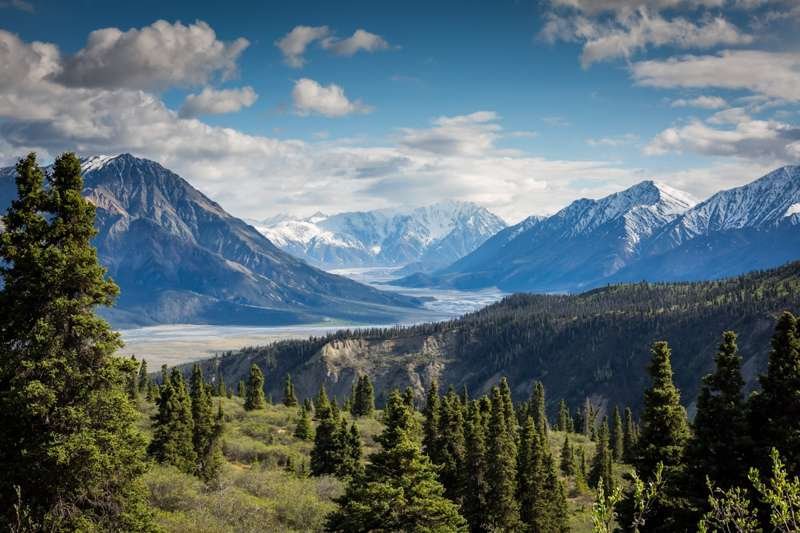
Fog, Sand, and Sudden Dark
Spring and autumn, southern and eastern Xinjiang get sand now and then, visibility under 100 metres is common. Fog favours mountain dawns and lake areas. The core of such weather is “let others see you, and let you see the road.” Fog lamps and marker lamps on, high beam off, speed down to what stops anytime, keep the right lane, never overtake.
Xinjiang summer days are long, but once a mountain slips into cloud, dark comes earlier than forecast. Once toward Kalajun, 4 pm still full sun in the mountains, by 5:30 a whole cloud dropped like someone flipped a switch. That “sudden dark” is the most dangerous, because your eyes haven’t adjusted. The fix: carry spare sunglasses, keep headlights on, in the dark don’t rush to speed up, give your eyes ten seconds. For this broader internal-traffic knowledge we have a Xinjiang internal transport overview to read alongside.
Vehicle Prep, Before the Weather Turns
Whether bad weather is survivable is half decided before leaving. Before every mountain run I check four things: tyre pressure (slightly below standard grows contact, but not too low), washer fluid (use antifreeze, keep some even in summer for bug splat and grime), wipers (replace worn at once), spare and jack (Xinjiang tyre-repair points are far apart). In winter I fit snow tyres outright, don’t trust “all-seasons are enough”, at minus 20 in northern Xinjiang an all-season is just hard plastic.
What I keep in the car: a reflective triangle (if you truly break down, placed behind; Xinjiang highway rescue is slow), a torch (in cold a phone flash is useless), warm clothes and a blanket (if trapped in wind-snow waiting rescue, cabin temperature drops fast), high-calorie snacks and two bottles of water. Not fuss, Xinjiang’s scale is huge, one rescue call and you may wait one or two hours.
On rescue: in bad weather never just sit in the car with the heater on waiting, especially snow, exhaust backflow can kill. Move people to safety, hazards on, triangle placed far back, then call. Xinjiang rescue numbers and insurance, we have a separate self-drive essentials piece; save the numbers in advance.
If You Dare Not Drive, Go Another Way
I’ll admit, not every day suits self-driving. Under a blizzard warning or red wind warning, my choice is often: leave the car at the hotel, take a train or chartered car. Xinjiang’s railways are quite comfortable; the Xinjiang by train piece lists the services and scenic stretches, and in bad weather the Urumqi-to-Beitun and Urumqi-to-Yining lines cross the mountains for you, no strain.
A middle path too: put the self-drive stretch on the two or three steady-weather days, and let a local old hand drive the changeable pass sections, or skip them. A friend insisted on the Duku in snow, got turned back at the col for closure, wasted 200 km. Be flexible and the trip flows. Xinjiang’s beauty isn’t on one specific road, it’s in every place you reach safely.
Turn the Decision Into a Checklist
I’ve boiled my pre-trip weather decision to five lines, pinned in my phone notes:
One, if the pass col forecast has rain-snow-wind, reschedule, no gamble. Two, before leaving check tyres, wipers, washer fluid, fuel, and spare. Three, on the way watch the cloud direction over far peaks, go dark, find a stop. Four, on slick road cut speed in half, black-ice stretches default under 30, no jerky steering. Five, crosswind zones, bridge decks, shaded mountain faces, assume ice, follow the car-ahead tracks.
These five aren’t from thin air, they cost me a few cold sweats. The most seductive thing about Xinjiang self-driving is that free feeling of vast land under your control; but freedom’s other face is you bear full responsibility for yourself and your passengers. Weather won’t improve because you’re in a hurry, it only cares how prepared you are. Drill the moves above into muscle memory and you’ll bring the car, in almost any bad weather, safely to the next place with hot naan and hot water.
Night Roads and “Patch” Weather
If you can avoid Xinjiang night roads, avoid them. Not fuss, it’s arithmetic: many stretches have no streetlights, wildlife (southern Xinjiang donkeys, northern cattle) love the road at night, a hit is a big deal; fatigue too, a day’s driving leaves you half a beat slow at night. I’ve driven night roads only twice under pressure, once G30 from Kuytun back to Urumqi, all good road with lights, fine; once a county road, pitch black, an oncoming truck’s lights blanked me for seconds, after which I vowed off night county roads.
“Patch fog” and “patch snow” are another trouble, not blanket but in blobs, clear one second, a white wall the next. The Ili river valley, around Sayram, mountain cols, all common. In patch fog the first move isn’t brake but lift off, hazards on, drift right out of the patch, never stop in the lane. Patch snow is meaner, mixed in wind, visibility gone in a breath. My bottom line: a night forecast with patch fog or snow, stay, deal with it tomorrow.
Truly Broke Down, Here’s How I Handle It
A real friend’s story, not mine, but the lesson is mine. On G216 toward Altay, dusk, he blew a tyre and panicked changing the spare in the fast lane; a truck behind nearly clipped him. Right way: if you can, ease to the shoulder or hard verge; if not, hazards plus triangle (at least 100 metres behind, farther on expressway), people out beyond the barrier, then call. Xinjiang rescue is slow to arrive; while waiting don’t sleep in the car, don’t kill the hazards, if cold wrap in the blanket, but don’t idle the engine for fumes.
Tyre blowout is a skill too. Front blowout, grip the wheel, pulse brake, edge over; rear blowout, the tail swings, lift off, don’t yank, let it settle. My own Duku incident was actually a slow nail leak, not a blow, caught early by the pressure warning, eased to a rest area to patch. So tyre-pressure monitoring in Xinjiang self-driving is no gimmick.
Another case: stuck. As said, Anjihai’s loose soil traps sedans. Don’t rev, the more you do the deeper; wedge stone, low gear, small left-right rocks to get out, or flag a passing car to tow. I keep a folding traction board (the grid kind) in the car, under the wheel at the key moment beats a brick.
Insurance and Rescue, Sorted in Advance
Renters, at pickup ask clear: full cover or not, does it include tyre and rescue, what number to call if something happens. My rental had basic insurance but rescue cost extra; luckily I’d bought short-term self-drive cover, and a later small scrape claimed smoothly. Your own car, confirm before leaving that insurance and inspection are current; Xinjiang checks occasionally, strict at border counties.
I keep three rescue numbers: the rental company, the insurer’s roadside, and local 12122 (highway alarm and rescue). Border areas may need a border police post number; going into Tashkurgan or Baihaba we specifically have a self-drive essentials article listing documents and rescue. With no signal a phone is useless, so I write key numbers on a paper slip in my wallet, more reliable than trusting the phone alone.
Different Cars, a Bigger Gap Than You Think
In Xinjiang bad weather the car-type gap widens. I’ve driven sedans, SUVs, and ridden a friend’s hardcore 4×4. Sedans are cheap and fuel-light but low, narrow-tyred, lose on snow and washboard road; a city SUV is the balance, my Haval H6 was steady on Anjihai’s dirt and Xata’s washboard, room enough; a hardcore 4×4 (Land Cruiser, Patrol) beats deep rough and ice best but rents dear and drinks fuel, ordinary visitors don’t need it.
My logic: paved roads plus a little scenic dirt, a city SUV is best value; going deep into no-man’s-land or a northern winter line, then consider 4×4. Tyres matter more than the model, snow tyres in winter are a floor, not an option. I’ve seen a Land Cruiser on all-seasons spin on ice too; no car saves wrong tyres.
For First-Timers Driving Xinjiang
If it’s your first time, a few plain things: don’t chase speed, Xinjiang roads are straight and you drift to 140 without noticing, but the straight end may be a camera or a herd; refill at half a tank, don’t trust “there’s surely a station ahead”; don’t pack the day too full, leave buffer, weather shifts and you have an out; download offline maps, many places have no network; respect checkpoints, papers ready, cooperate and it’s fast.
And mindset. Xinjiang’s beauty often sits outside the plan, a rainbow after sudden rain, a small-town lunch not in any guide. Bad weather is part of it too. That Duku rain, looking back, became my most remembered frame: clouds rolling off the cliff, wipers swishing, the world just me and that bend. So don’t treat weather as enemy, treat it as another face the road shows you, slower, steadier, look closer.
Wrap: Make “Steady” a Habit
Writing to here, really one point: in Xinjiang self-driving, weather decision isn’t a one-off act, it’s the sum of countless “slow a bit” along the way. Read forecast, clouds, road; prep car, gear, numbers; stop when you should, wait when you should. Each alone is small, together they’re your footing to get home safe.
Over these years what I’m most thankful for isn’t some beautiful road, but the self that turned around before the col, that pulled into the service area to wait out the wind. Xinjiang is so big, roads so long; the cost of slow is half a day late, the cost of fast may be never arriving. By any math, choose steady. May your next departure carry this steadiness on the wheel.
Four Seasons, Four Decision Mantras
Compress the above into a seasonal version for a glance before leaving. Spring (March-May): southern wind mouths and sand plenty, northern snowmelt makes roads wet, check both ends’ skies before leaving, carry washer fluid. Summer (June-August): mountain afternoon thunderstorms and hail, cross passes early not late, stay low through the afternoon. Autumn (Sept-Oct): prettiest yet most changeable, dawn black ice, noon glare, night chill, dress for three seasons a day. Winter (Nov-Feb): heavy snow closing mountains is normal, only take open trunk roads, snow tyres are the floor, don’t move under a blizzard warning.
A Few Small Devices That Truly Save Lives
Beyond tyre-pressure monitoring and the dashcam, I carry three: a pair of car walkie-talkies (two cars together, in signal-less mountains they beat the phone; in Xata I used mine to set the meet point with my companion); a multi-tool torch with window-breaker (light and emergency tool both); a Xinjiang offline map card (Amap or Baidu download the provincial offline pack, navigation still routes offline, just no live traffic).
Another many ignore: sunglasses clipped to the sun visor, Xinjiang’s post-snow and salt-lake glare can dizzy you; and a small medical kit in the car, cold, stomach, band-aid, altitude meds, a bit each. Xinjiang is vast, don’t tough out small ills, county hospitals handle them, but self-help on the road first is best.
One Full Review: How I Decided That Duku Day
Take the opening Duku sleet day and string the principles. Morning in Dushanzi, forecast said sleet at the col; I wrestled ten minutes, then decided to go as planned but “early”, on the Duku by 6:30, aiming to clear the col before weather broke. At each viewpoint I watched clouds; before Hashilegen the clouds dropped low, I dropped to 30 at once, hazards on, followed a local pickup’s tracks. Crossing the col the road already had thin snow; I didn’t brake, didn’t jerk, eased down in low gear.
Result: no incident, just one hour more than usual, and at Qiao’erma the rain had stopped, a rainbow too. Looking back, the three key calls were early start, follow local tracks, drop speed before the col. Any reversed, maybe another story. So weather decision isn’t mystic, it’s doing “watch sky, watch road, follow car” right a little at every node.
A Last Reassurance for Newcomers
So much written not to make you fear Xinjiang’s roads, quite the opposite, I want you to come and love them solidly. Xinjiang roads are orderly, wide, scenery to spare; with a grain of respect for weather and a margin for yourself, they’re quite friendly to out-of-town drivers. Checkpoint staff are mostly civil, locals warm with directions, even the wind blows frank.
Save this piece to your phone, flip through before leaving, and when weather turns on the road, pull it out and check. The day you too, like me, turn steadily before the col and wait calm in the service area for the wind to pass, you’ll find you’ve become that “reads the sky” Xinjiang self-driver. Then the road is truly yours.
The Long-Haul Driver’s Energy Account
Beyond bad weather, fatigue is Xinjiang self-driving’s hidden killer. The place is so big, 500 to 600 km a day is normal, drive several days and you go numb. My rule: every two hours into a service area, ten minutes, step out, drink water; if drowsy don’t tough it, twenty minutes’ nap beats Red Bull; the passenger shouldn’t just sleep, help watch signs, track weather, pass water, takes load off the driver. After that Duku run I counted, nearly 600 km, rested four times, arrived Yining still sharp; the other car hated stopping, arrived rubbing its temples.
Checkpoints are a Xinjiang specialty, a word here. Border counties and trunk roads set them often, stop at every one, papers ready, cooperate, the process is actually quick. Don’t cut in, don’t photograph, don’t pepper with questions, nod politely and wait clearance. I’ve seen someone snap at staff out of impatience and get invited aside to explain, delaying longer. Treat the check as a rhythm pause, relax, and the whole way flows.
Pass “Steady” to Your Passengers
Last thought, a steady driver steadies the whole car. I’ve seen too many Xinjiang self-drive wrecks not from bad cars but floating minds: rushing the plan, over the limit, betting the weather. Make this piece’s “slow a bit” an inner habit, and you protect not just yourself but family and friends beside you. Next time they ride your car and can sleep easy, that’s the real skill.
Weather keeps Xinjiang’s ledger, every entry. Respect it and it lets you safely see its best; slight it and it never blinks. May every departure of yours carry this clear steadiness, and every kilometre on the wheel lead home.