
Kizil Thousand-Buddha Caves: The Cradle of Silk Road Buddhist Art (2026 Guide)
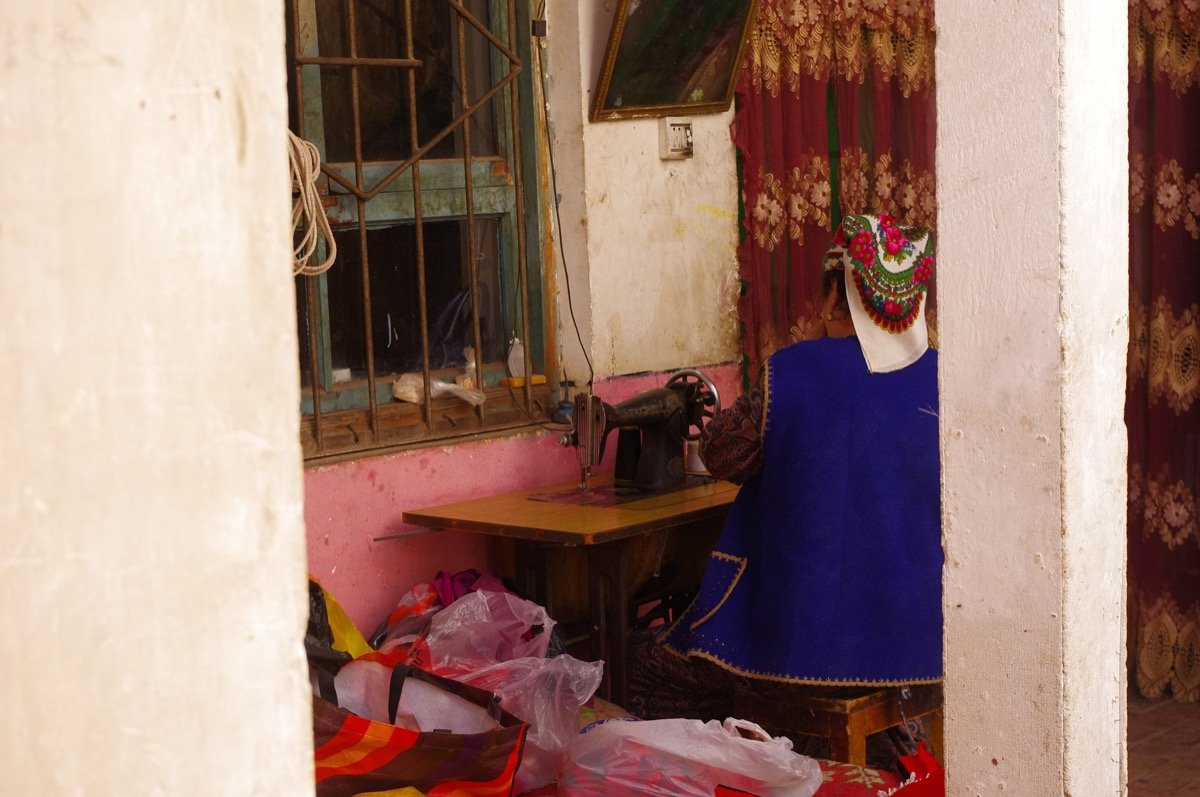 Kashgar Old City representing Silk Road Buddhist heritage near Kizil Caves” width=”800″ height=”600″ class=”size-large wp-image-222″ />
Located 67 km northwest of Kuqa (库车) in the cliffs above the Muzart River, the Kizil Caves (克孜尔千佛洞) are the oldest major cave-art complex in China — predating Dunhuang’s Mogao by several centuries (active from roughly the 3rd–8th century CE). They were carved by the Kingdom of Qiuci (龟兹), one of the richest Silk Road oasis states, at the crossroads of Indian Gandharan Buddhism, Persian aesthetics, and Central Asian steppe culture.
Why Foreign Travelers Should Care
For our complete Xinjiang Travel Guide, see our dedicated Xinjiang Travel Guide with practical details on safety, costs, and planning.
The paintings inside — where still preserved — show Indo-Hellenistic influences: flowing robes, blue-pigmented halos, diamond-shaped mountain motifs, and a unique “diamond sutra” narrative style unlike anything in East Asian Buddhist art. You are looking at the visual meeting point of Greece, India, Persia, and China.
Tickets & Access (2025–2026 Reference)
- Entrance: approx. ¥70 / person
- Mandatory guided portion / restricted-cave access: Some caves are shown only with a staff escort.
- Photography inside caves: Strictly prohibited (flash destroys pigment; it’s also a cultural heritage law).
- Hours: Typically 09:00–18:00 (last entry ~17:00)
- Getting there: Rent a car from Kuqa (~1.5 hr one way on decent paved road) or join a half-day tour.
The Experience
You’ll walk a cliffside stair-path past numbered niches — some empty (looted in the colonial era by foreign expeditions), others still bearing vivid blue, malachite green, and cinnabar red murals. The site museum contextualizes what was lost and what survives.
Cultural Sensitivity Note
This is active heritage protection, not a theme park. Don’t touch walls, don’t argue about photo bans. Respect the guards — they’re preserving something irreplaceable.
What Makes Kizil Unique
1. The Indo-Hellenistic Connection
The murals at Kizil show clear influence from Gandharan art (Greco-Buddhist style). You’ll see:
- Blue halos made with Afghan lapis lazuli pigment
- Flowing robes with Mediterranean drapery style
- Diamond-shaped mountain motifs (unique to Qiuci art)
- Donor portraits showing Kuchean nobility in Central Asian dress
2. The Narrative Style
Unlike Dunhuang’s more static Buddhist icons, Kizil’s murals tell stories — literally. The caves use a “diamond sutra” narrative style where multiple scenes from a single Jataka tale (Buddha’s former lives) are painted in a continuous frieze around the cave walls.
3. The Ceiling Compositions
Many caves feature “cupola” ceilings with concentric rings of paintings — a architectural and artistic feature not found in other Chinese cave complexes.
Key Caves to Visit (With Guide)
Cave 38 (The Peacock King Cave):
- Famous for its well-preserved ceiling paintings
- Shows the story of the Bodhisattva as a peacock king
- Vivid blues and greens still visible
Cave 17 (The Diamond Sutra Cave):
- Exemplifies the narrative style unique to Kizil
- Multiple scenes from a single story painted in horizontal bands
- One of the best-preserved murals in the complex
Cave 8 (The Large Cave):
- Massive sanctuary cave with remains of a giant Buddha statue (now lost)
- Impressive architecture even without the original sculpture
- Shows the scale of Qiuci Buddhism at its peak
The Dark History: What Happened to the Murals
A significant portion of Kizil’s murals were removed in the early 20th century by foreign expeditions:
- Albert von Le Coq (German): Removed large sections, now in Berlin (some destroyed in WWII bombing)
- Aurel Stein (British): Took fragments now in London
- Japanese and Russian expeditions: Also removed portions
What you see today is what remained — which is still spectacular, but imagine what the site looked like with 100% of its original paintings intact.
Best Season & Timing
- April–May & September–October: Comfortable temperatures, clean air
- Summer (Jun–Aug): Very hot at cliff face (shade is limited on the approach); bring water
- Winter: Quiet but some caves may be closed for conservation
How to Get There
From Kuqa, drive northwest along the G217 highway toward the Tianshan Mountains. The caves are located in a dramatic cliff face overlooking the Muzart River valley. The drive takes about 1.5 hours each way on paved mountain roads.
Transportation Options:
- Private charter: Most convenient option (¥300–500/day from Kuqa)
- Group tour: Available from Kuqa travel agencies
- Public bus: Limited service; not recommended for independent travelers
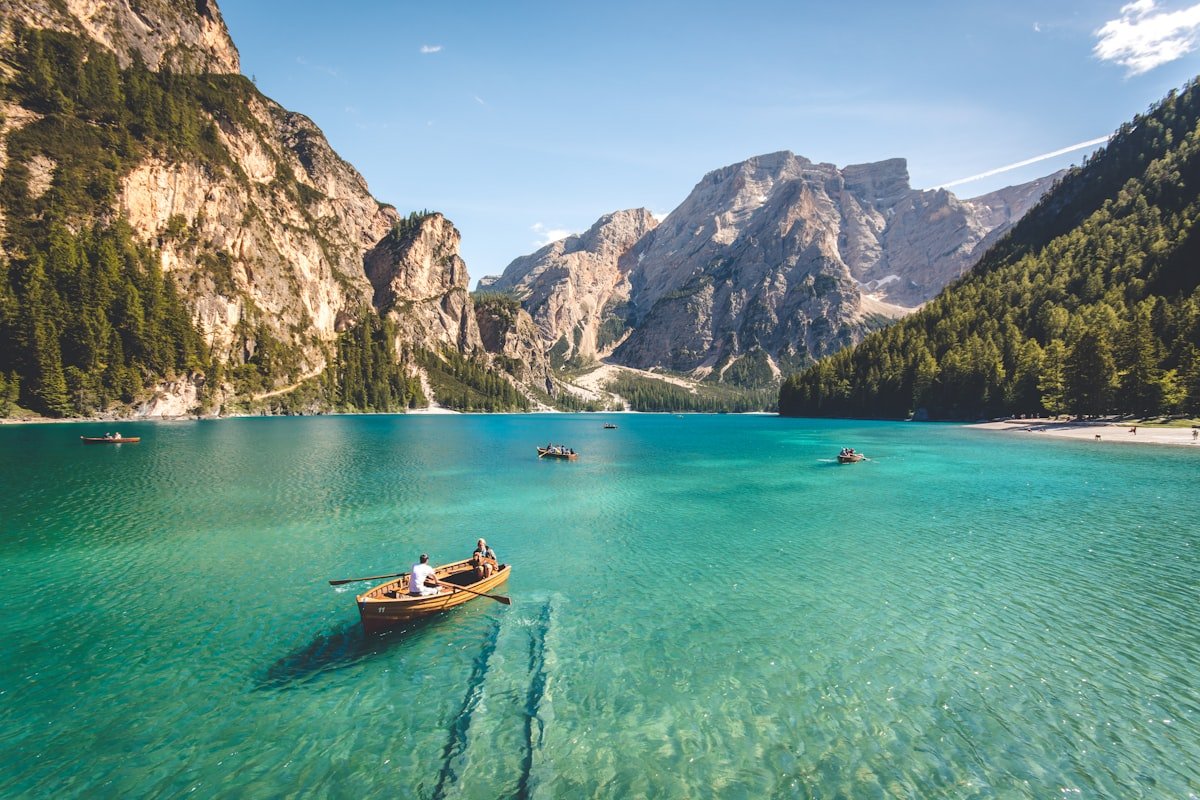 Turpan oasis landscape representing the Silk Road region where Kizil Caves are located” width=”800″ height=”600″ class=”size-large wp-image-224″ />
Combine With Nearby Attractions
Kizil Caves makes an excellent day trip from Kuqa. Recommended combination:
Morning (08:00–12:00): Kizil Caves
Lunch (12:00–13:30): Picnic or return to Kuqa for Uyghur cuisine
Afternoon (14:30–17:00): Subash Ruins (苏巴什佛寺遗址) — 25 min drive from Kizil
Late afternoon: Return to Kuqa or visit the Tianshan Grand Canyon (Kizil Canyon)
Practical Tips
What to Bring:
- 1.5L water per person (no drinking water available at the site)
- Wide-brim hat + SPF 50+ sunscreen (the cliff face has minimal shade)
- Comfortable walking shoes (stone stairs can be slippery)
- Passport (required for ticket purchase and cave access)
What to Wear:
- Modest clothing (this is a religious heritage site)
- Long pants recommended (for respect and sun protection)
- Layers (temperature varies between shaded caves and sunny cliff face)
Seasonal Considerations
Spring (April–May):
- Ideal temperatures (15–25°C)
- Wildflowers along the Muzart River valley
- Clean air after winter dust settles
Summer (June–August):
- Very hot (35–40°C in the valley)
- Best visited in early morning (08:00–10:00) or late afternoon
- Bring extra water and electrolyte drinks
Autumn (September–October):
- Golden window — comfortable temperatures, fewer crowds
- Clear skies perfect for photography
- Pleasant hiking conditions
Cultural Etiquette
Do:
- Speak quietly in the cave areas (echo carries)
- Follow your guide’s instructions
- Ask questions — the guides are knowledgeable and happy to explain
- Support the site by buying official guidebooks or making donations
Don’t:
- Touch any wall surfaces (oils from skin damage pigments)
- Argue about photography rules
- Climb on ancient structures
- Remove any small artifacts (illegal and destructive)
The Broader Context: Qiuci Kingdom
To fully appreciate Kizil, you need to understand the Kingdom of Qiuci (龟兹国):
- Location: Kuqa and surrounding areas (1st–11th centuries CE)
- Significance: Wealthiest oasis on the Northern Silk Road
- Culture: Mixed Indo-European, Iranian, and Turkic influences
- Language: Tocharian (an extinct Indo-European language)
- Religion: Major Buddhist center before Islam arrived in the region
Qiuci was so influential that its musicians and dancers were imported to the Tang dynasty court. The Qiuci Orchestra was considered one of the “Ten Orchestras” of the Tang empire.
Why Kizil Matters Today
In an era of increasing globalization, Kizil Caves remind us that cultural exchange is not new — it’s been happening along the Silk Road for millennia. The caves are physical proof that:
- Art transcends borders (Greek, Indian, Persian, and Chinese styles merged here)
- Religion travels (Buddhism moved from India to Central Asia to China)
- Trade enables culture (silk merchants funded these cave complexes)
Final Thoughts
Kizil Thousand-Buddha Caves is not just a tourist attraction — it’s a window into the soul of the Silk Road. Standing in Cave 38, looking at a 1,500-year-old painting of a Bodhisattva with Greek-style drapery, you realize that globalization isn’t a modern invention. People have been exchanging ideas, art, and beliefs along this route for thousands of years.
Yes, parts of the site are damaged. Yes, some of the best murals are in Berlin and London. But what remains is still powerful enough to stop you in your tracks. And with proper funding and conservation, future generations will be able to experience this incredible meeting point of civilizations.
Plan your visit, respect the rules, and let the silence of the caves speak to you.
More Xinjiang Travel Guides:
Xinjiang Solo Travel Home | Kashgar Old City | Heavenly Lake | Turpan Travel Guide