
Xinjiang in February: Winter’s Last Month and the Run-up to Spring Festival
February is the month Xinjiang holds its breath between two seasons. I have driven the north in early February when the snow was still knee deep, and again near the end of the month when the first thaw was softening the southern roads. It is the last real taste of winter, and the weeks before the Spring Festival reshape the traffic in ways every driver should understand before pointing a car west.
Why February Stands Apart
January is pure deep winter. March is already thinking about spring. February sits on the line, and that is exactly why I like it. The cold is easing, the light stays longer each day, and the famous passes are still closed but the valleys are opening up in a way January never allows.
The other factor is the holiday. The Spring Festival, the single largest human migration on the planet, lands in February in 2026, and the run-up changes everything from fuel queues to hotel desks. A driver who plans around it finds empty roads and warm rooms. A driver who ignores it finds sold-out towns and jammed highways near the big cities, and the difference is measured in days, not weeks.
I treat February as two trips in one. The first three weeks are winter driving with better light and softer cold. The festival week itself is a different animal, best spent in one place rather than moving. Our Spring Festival travel guide explains the dates, the road surges, and which regions stay calm while the rest of the country moves, and I read it every year even though I have done this many times.
The February Weather, Region by Region
Urumqi in February runs about -10°C to -15°C, a few degrees gentler than January but still firmly winter. The Ili Valley around Yining hovers near -8°C to -12°C, and by midmonth you can feel the sun doing actual work through the windshield on a clear afternoon, which changes the mood of a long drive completely.
The Altai snow country stays brutally cold, often -25°C, because the deep snowpack holds the chill long after the valleys warm. Southern Xinjiang is the friendly option: Kashgar sits near -6°C, and Turpan, low in its basin, can touch -4°C by afternoon and feel almost spring like for an hour or two before the temperature crashes again at dusk.
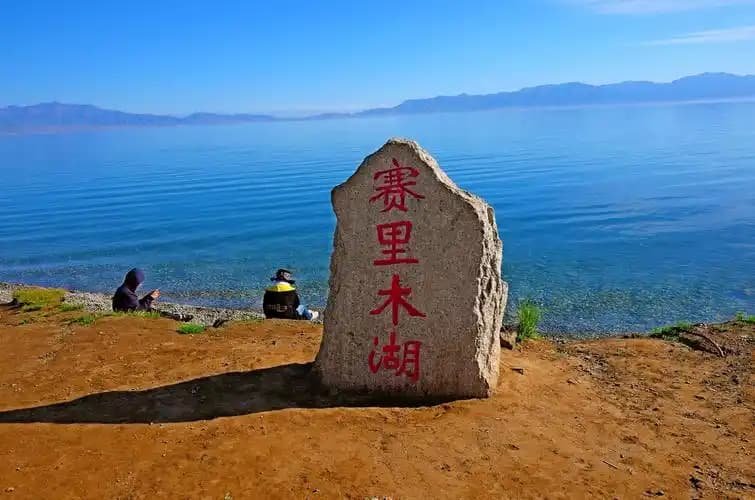
Sayram Lake remains frozen well into February, a vast white sheet ringed by snow mountains. I stood there one February noon when the temperature was -9°C but the sun was strong enough that I unzipped my jacket for the first time in weeks. That small thaw is the whole character of the month, the promise that the lock of winter is starting to turn.
Precipitation stays light, but the melt begins. You will see water running in the ditches of the southern towns and the first bare patches on south-facing slopes, while the north stays buried. I plan my daily legs around that split, accepting that a northern morning start means ice and a southern one means mud at the verges.
Driving Conditions and the Thaw Risk
Most open corridors run fine in February, but the thaw brings a new hazard January never had: meltwater. A road that was a clean snow lane in January can turn to slush and black ice by afternoon as the surface warms and refreezes at night. I slow down on shaded north-facing slopes, where ice hides under a dusting of snow and betrays a careless driver.
The north-south highway over the Tianshan is still closed through February, reopening only in early June most years. Plan your loops on the open east-west corridors and the southern basin roads, which stay dry and fast. A single warm week can also trigger small rockfalls on the canyon walls, so I keep an eye on the shoulders and avoid stopping under overhangs where the melt is visible.
Winter tires are still required, and police checks continue on the mountain routes. The winter Xinjiang guide covers the season as a whole, while the 2026 winter events guide tracks which ice festivals are still running, because February is when many of them close for the season and the lanterns come down for good.
The Spring Festival Surge
Here is the part foreign drivers miss. In the days before the festival, millions of people move toward home, and the roads near Urumqi, Kashgar and the big hubs swell with traffic. Fuel stations queue, rest areas fill, and a normal four-hour drive can stretch to seven. I plan to be parked before the surge begins, not caught in it on a pass with no shoulder.
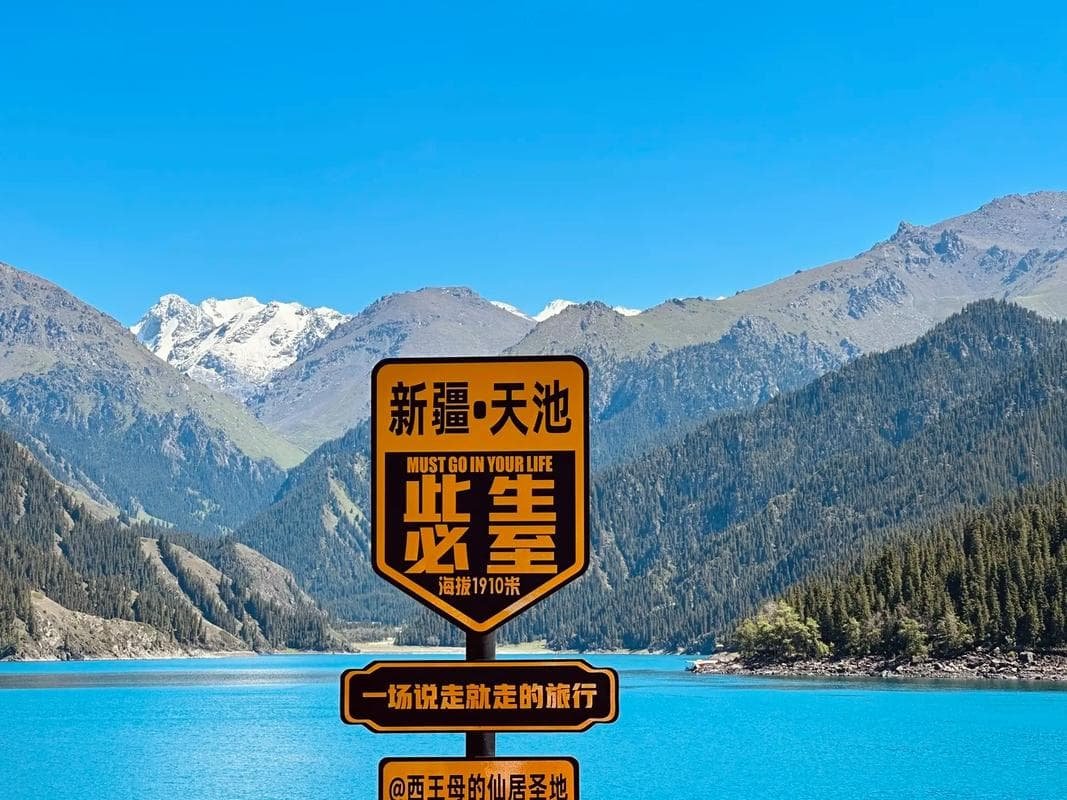
During the festival week itself, the opposite happens in the cities. Many businesses close for several days, and some towns go quiet in a way that surprises visitors. But the scenic spots that stay open get busy with domestic visitors who finally have time off, and the easy, close sights fill first. Heavenly Lake, the mountain reservoir near Urumqi, draws crowds even in the cold because it is close and simple to reach.
If your dates overlap the holiday, read the golden week and national holidays guide before you commit to a route. The patterns there apply to festival week too, and the main lesson is the same across every mass-movement period: move before the rush, settle during it, and move again after the wave has passed you by.
A February Loop I Recommend
Base yourself in Urumqi for the first leg. Visit Heavenly Lake, about 110 km out and back, on a clear morning, then use the city as a supply stop for tires, food and a full tank. From there run the G30 west toward Yining, roughly 680 km, splitting it with a night in Shihezi or Kuitun, both of which stay open and warm through the holiday.
Spend two or three days in the Ili Valley, where the forests and river bends are still deep in snow but the light is flattering and the roads are calm. I drove this stretch in mid February and met more sheep than cars, and the few villagers I passed waved as if a foreign driver in winter was the most normal thing they had seen that week.
Push south to Kuqa afterward if the basin roads are dry, a long but easy run through the Tarim that rewards patience with empty horizon. If the festival week falls inside your trip, I would not attempt a big transfer then. Park in Kashgar or Urumqi, walk the old quarters, eat well, and let the country move around you. The roads open again within a week and you will have the posts almost to yourself.
Costs, Crowds and What to Book
February sits in the low season for most of the month, so rooms run ¥180 to ¥300 a night in the cities for a clean, heated room. The festival week is the exception: prices near the hubs can jump, and the better guesthouses sell out days ahead. I book the festival nights at least three weeks in advance and accept that the in-between days will be cheap and empty by comparison.
Food stays affordable, ¥35 to ¥60 for a proper meal, and the winter menu of roasted mutton, hand-pulled noodles and hot soups is exactly right for the weather outside. Fuel for a 600 km day costs around ¥350 to ¥420 depending on the vehicle, and I top up before any long gap because holiday-week stations near small towns may shorten their hours or close for a day of family time.
Tolls are light and the open roads are fast when the surge is not on them. The savings compared with August are real, and they compound when you add the cheaper rooms and the lack of paid parking battles at the busy sites. A February trip costs perhaps half what the same loop would in peak summer, and feels twice as private, which for me is the whole point of driving this far in the first place.
I also keep a little cash on hand through the festival week, because some small-town stalls and guesthouses switch to cash only when the card network thins out with the holiday. The amounts are small, but a ¥50 note has smoothed over more than one closed-terminal evening, and I would rather carry it than need it.
Packing for the In-Between Month
February fools people. It can feel almost mild at noon and drop to -18°C by midnight, so I pack for both ends of the day. Insulated boots, a real winter jacket, two glove layers, and a face cover for the wind on exposed passes all stay in the bag the whole trip, because the warm hour is a tease and the cold returns without apology.
The longer days mean I drive more daylight hours, which is a gift after January’s short windows, and I use the extra light to reach a base town before dark rather than pushing on. I still carry chains, a scraper, a small shovel and a trunk blanket, because a late cold snap can rebuild winter in a single night and leave a pass slick by morning.
A thermos and an inside-pocket power bank remain essential, since cold drains both me and the phone faster than either admits. Signal is decent along the main corridors but thins in the valleys, so I download offline maps for each leg before leaving the last city. The best time to visit overview is worth a look if you are weighing February against the March thaw, because the difference between the two months is larger than the calendar suggests.
Staying Flexible When the Holiday Moves
The festival date shifts every year because it follows a lunar calendar, not the Gregorian one, and that mobility is the single biggest planning variable for a February driver. I check the exact date the moment I book flights, then build the route backward from it, keeping the festival days inside one town rather than on a highway.
Some years the holiday falls early, leaving late February as a calm, cheap, thawing shoulder season with almost no crowds. Other years it lands late, packing the surge against March. Either way the rule holds: the week of the festival is for settling, the weeks around it are for driving. I have learned to treat the calendar as the boss and the road as the reward.
Is February Right for You
February suits a traveler who wants winter without its hardest edge. You get most of the snow, most of the silence, and a little of the coming spring, plus the rare chance to witness the festival from inside a real place rather than a transit hub full of strangers also trying to leave.
The trade is planning around the holiday and respecting the thaw-ice that January never throws at you. Do that, and February rewards you with empty highways, low prices, and a landscape caught mid-breath between two seasons. I have driven it five times now, and the in-between quality is precisely the thing I keep coming back for, year after year, as the snow finally begins to let go.