
Xinjiang’s Hidden Gems: 12 Off-the-Beaten-Path Stops Worth the Detour
Xinjiang’s Hidden Gems: 12 Off-the-Beaten-Path Stops Worth the Detour
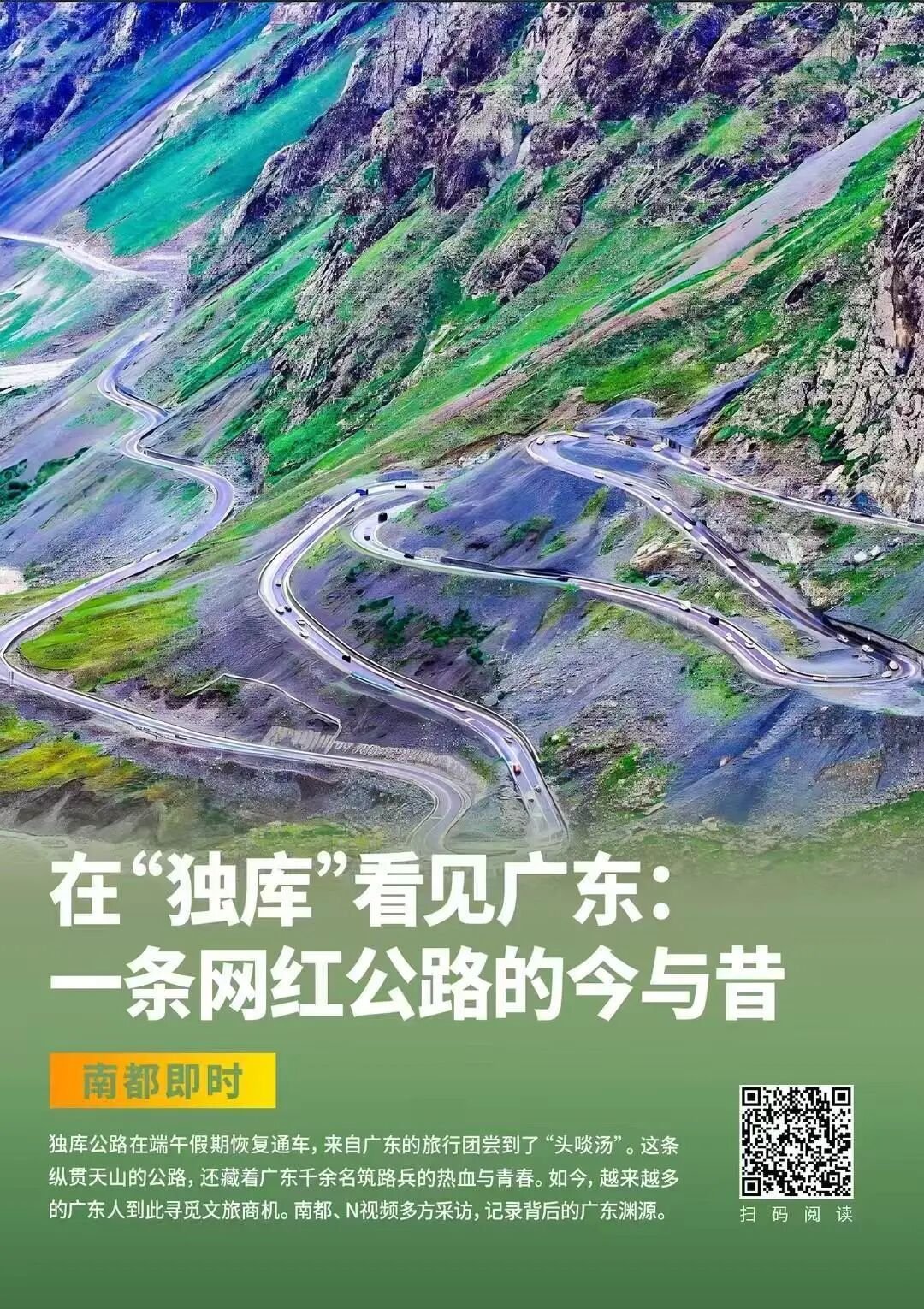
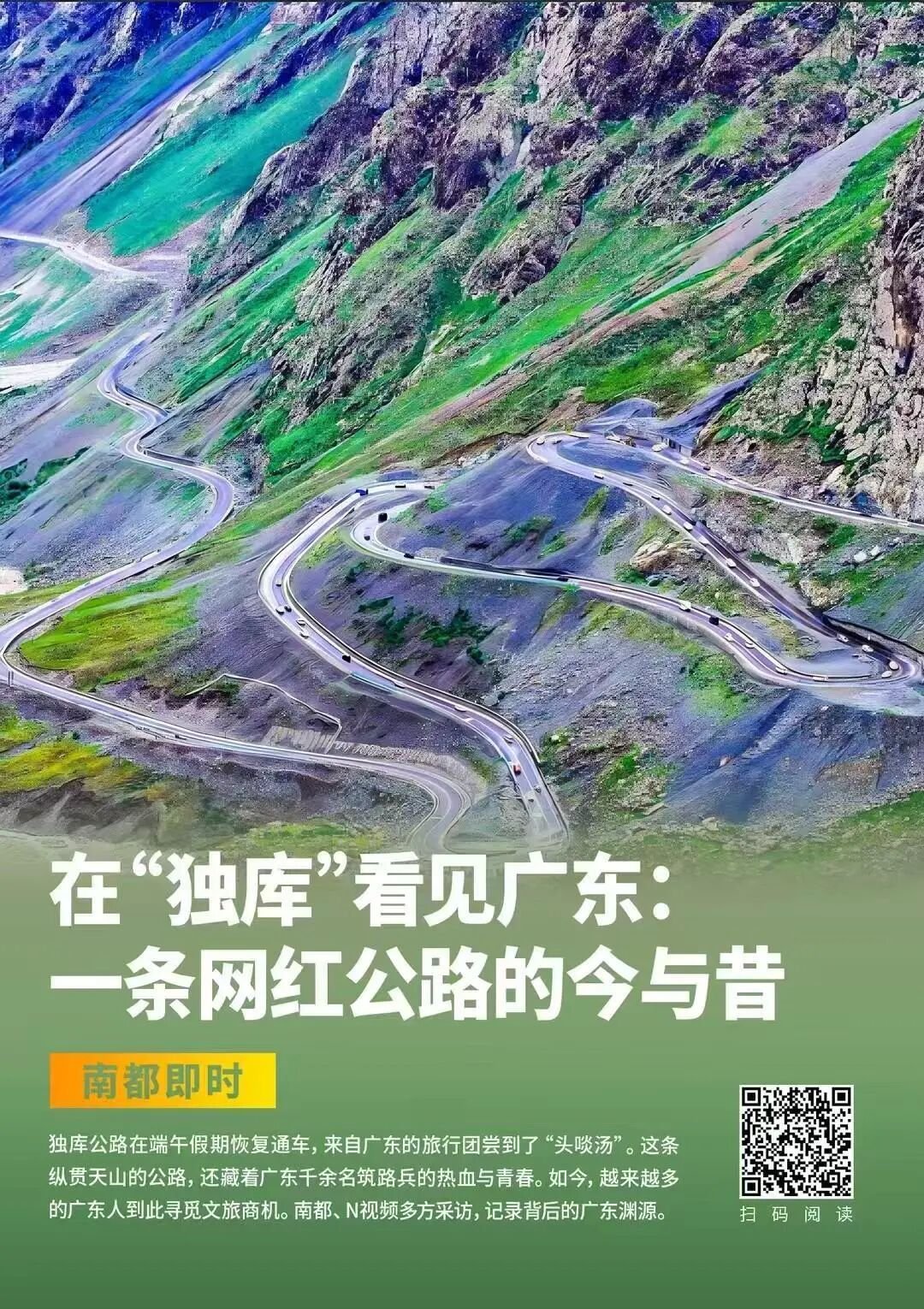
On my third loop through Xinjiang I realised I was repeating everyone else’s photos. Kanas, the Duku Highway, Kashgar Old Town, the flaming mountains of Turpan. Beautiful, yes, and crowded for a reason. But the trips I still talk about years later were the ones where I turned off the main highway for no better reason than a lonely blue sign and a dirt track that promised nothing.
This is a list of those places. Not the headline sights, but the quiet ones that sit an hour or two past the tour buses and reward the driver who bothers. Every stop below is reachable in a normal rental car on roads that are at least partially paved, and every one of them gets a fraction of the visitors of the famous names. If you are building a self-drive route and want it to feel like your Xinjiang rather than a postcard everyone owns, start here.
I still remember the first one. I had meant to reach Karamay before dark and saw a brown sign for Beiting Ruins with no English and no tour coaches in the lot. I pulled in, walked the broken Tang dynasty walls alone for an hour, and realised I had seen more of real Xinjiang in that empty hour than in two days at the famous lakes. That is the feeling this list is built to reproduce, and it has not worn off after a dozen visits.
How I picked these stops
I used three simple tests. First, the road has to be passable in a 2WD car for most of the season, because most foreign travellers are not shipping a 4×4. Second, there has to be a real reason to go: a ruined city, a strange landscape, a village that cooks something you cannot get elsewhere. Third, and most important, I wanted places where you can stand for ten minutes without hearing another language guide’s flag whistle. The seven detailed below are the ones I would actually send a friend to.
1. Tianger Grassland, the prairie nobody photographs
Most visitors to the Ili Valley aim for Nalati or Kalajun and never learn that a quieter, wilder meadow sits further south toward Zhaosu. Tianger Grassland spreads across rolling alpine pasture at around 2,200 metres, stitched with snowmelt streams and ringed by birch forest. I drove in on a morning with the windows down and the only sound was a horse bell a field away.
Go in June or early July, when the grass is high and the wildflowers are at their peak but the July holiday crowds have not yet flooded the bigger parks. The access road from Zhaosu town is paved for the first stretch and graded gravel after that; a normal car makes it in dry weather. Pack a picnic, because there is nothing to buy once you leave the county seat.
2. Beiting Ruins, a Tang dynasty capital in the sand
North of Urumqi, past the industrial fringe of Jimsar, lie the Beiting Ruins, the earthen walls of a city that was the Tang dynasty’s western military headquarters. Unlike the restored showpieces elsewhere, this is a raw archaeological site: trampled earth ramparts you can walk along, a moat you can still trace, and a small museum holding Buddhist murals pulled from the surrounding temples.
It is an easy half-day detour off the G216 if you are heading toward Karamay or the northern loop, and the entry fee is modest. The site is exposed and shadeless, so I went at 8am, walked the walls before the heat, and was back on the road by ten. Bring water and a hat; there is no shade and no vendor.
3. Lujiaowan, the Tian Shan pasture an hour from the highway
East of Kuitun, the G30 suddenly climbs into green. Lujiaowan, whose name means Deer Horn Bay, is a summer pasture folded into the Tianshan where Kazakh herders still move their flocks. The meadow sits at about 1,800 metres and stays cool even when the Turpan basin below is unbearable.
I treated it as a lunch stop on a long Urumqi to Karamay drive and ended up staying three hours. The road in is paved and signed, the kind of place where a yurt family might wave you over for milk tea if you slow down. Late June is best, after the snow line pulls back but before the August rush to the bigger resorts.
4. Jiangbulake, terraced wheat and alpine meadow
Most people speed past Qitai county on the way to somewhere else. They miss Jiangbulake, a grassland two hours east of Urumqi where the hills are carved into sweeping terraces of wheat that turn gold in late summer, backed by permanent snow. It is one of the easiest “hidden” stops on this list because the access road is fully paved and the car park is built for buses, even if the buses rarely come.
The viewing platform at the top looks straight down the terraces to the desert edge, a view that sums up Xinjiang in a single frame. I timed my visit for late August, when the wheat was being cut and the air smelled of dry grain. A normal sedan handles the climb fine; just watch for fog on the upper switchbacks in the early morning.
5. Yarkand (Shache), the cultural capital the guidebooks skip
Kashgar gets the attention, but Yarkand, known in Chinese as Shache, was the real seat of power in southern Xinjiang for centuries. The old palace, the leafy avenues of poplar, and above all the living tradition of the Muqam classical music make it the most atmospheric town on the southern circuit after you leave the Pamir.
It sits neatly on the Kashgar to Hotan run, about three hours from Kashgar, so it works as an overnight rather than a detour. I caught an evening performance in the old courtyard theatre and ate the best hand-pulled laghman of the trip at a side-street canteen. The Friday market is smaller than Kashgar’s but far less staged.
6. Kalpin red rock badlands, Aksu’s strange canyon country
West of Aksu, the land turns the colour of rust. Kalpin county is a sweep of red rock badlands and narrow canyons that looks more like Arizona than Central Asia. The formations are easy to reach on graded roads, and the whole area is nearly empty of foreign visitors.
I paired it with a night in Aksu and drove out at golden hour, when the rock glows. There are dinosaur fossil sites here too, which explains why the place feels like a science fiction set. Carry extra water and tell someone your route; mobile coverage thins out fast once you leave the county road.
7. Bachu Red Bay, a lake on the Kashgar-Aksu corridor
The drive between Kashgar and Aksu is long and, for long stretches, featureless. Bachu’s Red Bay is the break that makes it bearable: a wide lake backed by reed beds and poplar, with a boardwalk and a handful of food stalls selling roasted fish in summer. The water catches the evening light in a way that justifies the stop on its own.
It is signed right off the G3012, so there is no navigation drama, and the entry is cheap. I used it as a leg-stretch and a late lunch on a 700-kilometre push, and it turned a tedious highway day into something I remember. Time your arrival for late afternoon to get the light and avoid the midday heat.
Road food you will actually want to stop for
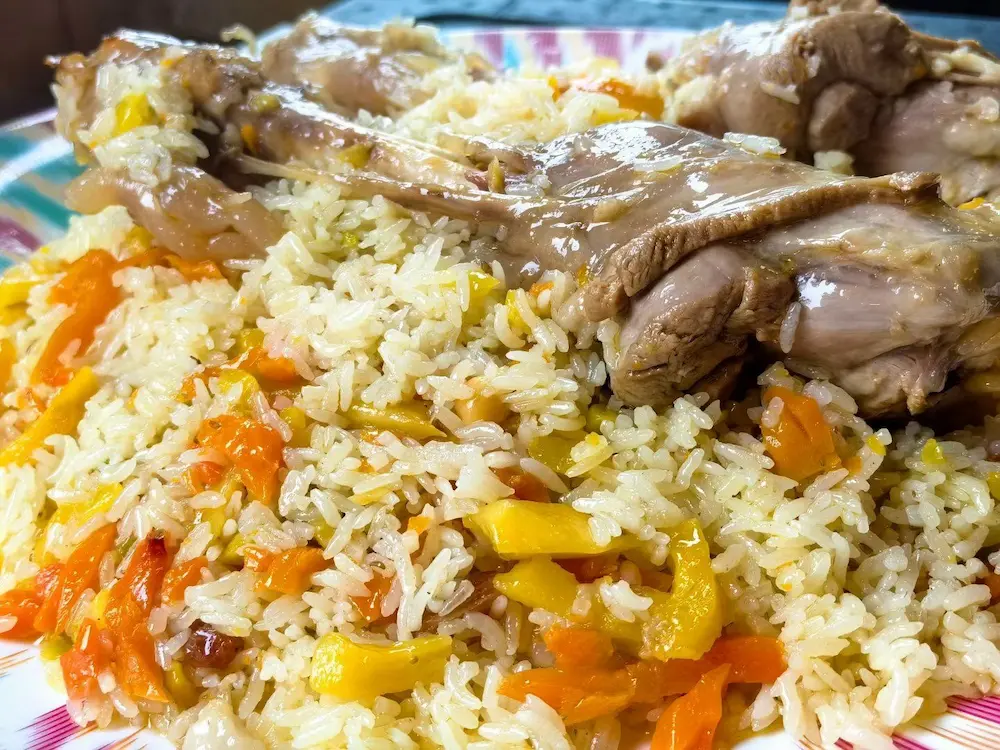
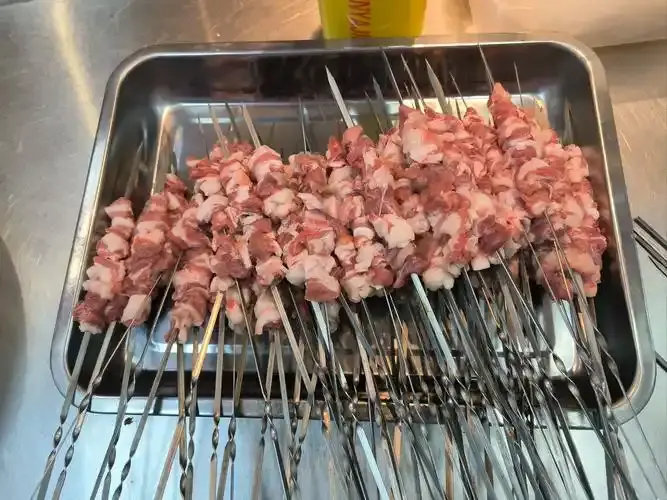
Half the joy of these quiet routes is eating where nobody is performing for tourists. In the small county towns you will find zhuafan, a clay-pot pilaf of rice, carrot and lamb that tastes nothing like the version in the big cities, and kaoyangrou, lamb grilled over grapevine charcoal until the fat crisps. Pull over when you see a place full of locals and a stack of flatbread by the door.
Getting to the quiet places without a headache
Navigation deserves a word of its own. Outside the big cities, Google Maps is unreliable and the Chinese apps that actually work need a local SIM or a passenger’s phone. I downloaded offline regions before each leg and treated the blue dot as a hint rather than gospel, asking at a county hotel if a side road looked doubtful. Checkpoints are not adversarial; a calm, polite stop with documents ready usually takes under five minutes, and arguing about the route only slows you down.
A few practical notes from the driver’s seat. Fuel is never a problem on these routes, but the tanks thin out once you leave the main expressways, so I kept the gauge above half between county towns. Police checkpoints are routine for foreign travellers; have your passport and, where required, your border permit ready, and treat every stop as a five-minute formality rather than a problem. Off the expressway, road quality varies, so I checked the weather before any gravel section and never drove an unknown pass after 4pm.
Timing matters more than route here. The grasslands are best from June to early July. The southern sites are tolerable in spring and autumn and brutal in midsummer. Winter closes several of the higher pastures entirely. Build your hidden-gem days around an early start, a single big stop, and a county town with a real hotel for the night.
Three more worth a detour
If you still have days to fill, point the car at Aiding Lake, China’s lowest point at 154 metres below sea level, a blinding white salt flat you reach on a short paved spur south of Turpan. Go at sunrise, when the heat has not yet flattened the air, and you will have the mirror-flat ground to yourself. North of Bortala, Ebinur is a vast salt lake most drivers pass without stopping; the shore road and a simple viewing platform make it worth a half-hour, especially in spring when migratory birds cover the water. And west of Yining, the Xibe county of Qapqal keeps the culture of a people relocated here from Manchuria two and a half centuries ago; their language is still spoken in the villages, and the local pepper is worth a jar in the boot. None of these needs a plan, only a willingness to turn off when the map goes blank.
A practical example: on a Kashgar to Aksu day, most drivers blast the G3012 and arrive tired. Build in Bachu Red Bay for a late lunch and a lakeside walk, leave by 4pm, and you still reach Aksu with daylight to spare and a story that is not just “we drove a lot”. That is the whole trick: trade one hour of highway for one hour of somewhere real.
The truth is that Xinjiang’s best driving is not the famous road everyone photographs. It is the unmarked left turn, the empty car park, the village that was not in the brochure. Take the slower line, and the province opens up in a way the headline sights never quite manage.