
Xinjiang Classic Travel Routes: Complete Itinerary Planning Guide 2026
Xinjiang Classic Travel Routes: The Complete Itinerary Planning Guide 2026
Planning a trip to Xinjiang is both exhilarating and daunting. At 1.66 million square kilometers—one-sixth of China’s total land area—this vast region demands thoughtful itinerary planning. Whether you’re dreaming of Kanas Lake’s emerald waters, the Silk Road soul of Kashgar Old Town, or the otherworldly landscapes of the Taklamakan Desert, choosing the right route makes or breaks your journey.
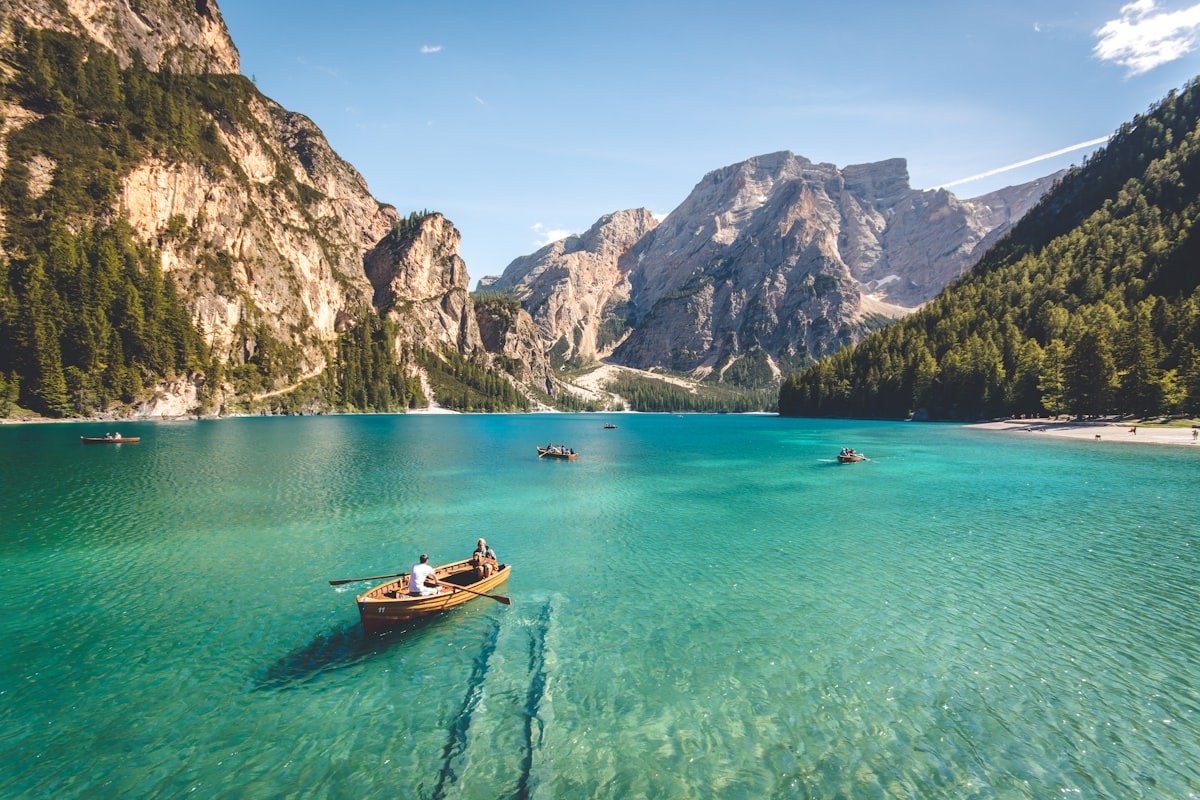 Northern Xinjiang travel destination”>
Why Route Planning Matters in Xinjiang
Xinjiang isn’t a place you pop into for a weekend. Distances are staggering: driving from Urumqi to Kashgar takes 15+ hours; the famous Duku Highway traverses 561 km of mountain terrain in a single (spectacular) day. Xinjiang travel itinerary planning rewards those who plan thoughtfully—and punishes those who don’t.
This guide distills the essence of Xinjiang’s classic routes, based on the latest 2026 travel conditions: road openings, seasonal highlights, and practical logistics. Whether you have 5 days or 20, you’ll find a route that fits.
Understanding Xinjiang’s Geography
Before diving into specific routes, here’s the regional framework that shapes every itinerary:
- Northern Xinjiang (Beijiang): Tian Shan Mountains north, including Urumqi, Altay, Ili, Bole. Signature: Kanas Lake, Hemu Village, Sayram Lake, Nalati Grassland, Duku Highway. Best: June-September (summer grasslands), late September-early October (autumn colors).
- Southern Xinjiang (Nanjiang): Tian Shan Mountains south, including Kashgar, Hotan, Kuqa, Aksu, Tashkurgan. Signature: Kashgar Old Town, Pamir Plateau, Taklamakan Desert, Kizil Caves. Best: April-May (apricot blossoms), August-October (cultural tours + huang trees).
- Eastern Xinjiang (Dongjiang): Turpan, Hami region. Signature: Flaming Mountains, Grape Valley, Karez wells, Kumtag Desert. Best: March-May, September-October (avoid extreme heat).
Route 1: Northern Xinjiang Loop (7–10 Days)
The Northern Xinjiang Loop is the most popular first-time itinerary—and for good reason. It packs Xinjiang’s most iconic natural landscapes into a single loop, all connected by paved highways and increasingly reliable tourism infrastructure.
Day-by-Day Itinerary (8-Day Classic Version)
- D1: Arrive in Urumqi — Visit the International Grand Bazaar and Red Hill Park. Dinner at the bazaar night market. Overnight in Urumqi city center.
- D2: Urumqi → Heavenly Lake (Tianchi) → Fuyun — Morning at Heavenly Lake (Tianchi) with Bogda Peak reflection. Afternoon drive northeast to Fuyun County (about 4 hours). Overnight in Fuyun.
- D3: Fuyun → Koktokay → Burqin — Explore Koktokay National Geopark, then drive to Burqin. Sunset at Wucaitan (Five-Color Beach) on the Irtysh River. Overnight in Burqin.
- D4: Burqin → Kanas Lake (Three Bays) — Enter Kanas scenic area. Hike Fairy Bay morning mist, Moon Bay curve, and Guanyu Bay. Climb the Viewing Platform for panoramic lake views. Overnight in Kanas village or Jiadenyu.
- D5: Kanas → Hemu Village — Morning free in Kanas. Afternoon transfer to Hemu Village. Birch forest walk, horseback ride optional. Overnight in Hemu wooden cabin.
- D6: Hemu → World Devil City → Kuytun — Sunrise at Haden Platform (famous morning mist), then drive to World Devil City (Yadan landform). Sunset among the wind-carved formations. Overnight in Kuytun.
- D7: Kuytun → Sayram Lake → Yining — Full morning circling Sayram Lake, cross the spectacular Guozigou Bridge. Overnight in Yining city.
- D8: Yining → Nalati Grassland → Bayinbulak — Full day at Nalati Air Prairie, then drive over the mountain pass to Bayinbulak. Overnight in Bayin town.
- D9 (optional): Bayinbulak → Duku Highway → Urumqi — Drive the legendary Duku Highway south-to-north, experiencing four seasons in one day. Return to Urumqi.
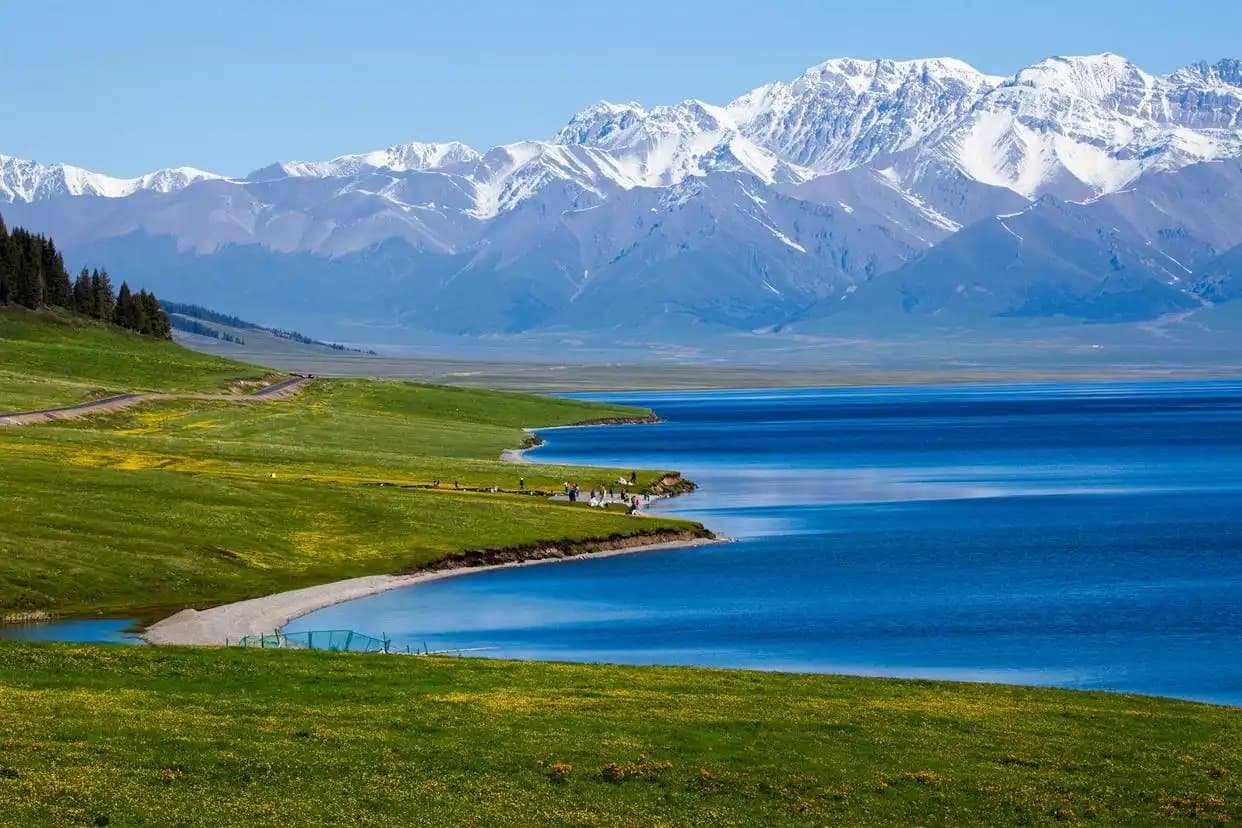
Budget reference: Local transport 1,500-2,500 RMB/person (carpool); 4,000-6,000 RMB/person (chartered car). Accommodation 200-300 RMB/night (standard); 500-800 RMB/night (comfortable). Entrance fees about 800 RMB/person.
Pros & Cons:
| Pros | Cons |
|---|---|
| Covers Xinjiang’s most iconic natural scenery | Busy schedule; average 4-5 hours driving per day |
| Duku Highway “four seasons in one day” experience | Peak season (July-August) heavy crowds |
| Mature accommodation and transport infrastructure | Kanas/Hemu accommodation expensive and hard to book |
| Perfect for first-time Xinjiang visitors | Duku Highway may close after late September (snow) |
Route 2: Ili Valley In-Depth Tour (5–7 Days)
Ili Kazakh Autonomous Prefecture is Xinjiang’s “Switzerland”—a lush valley of grasslands, alpine lakes, lavender fields, and snow-capped peaks. This route is perfect for families, couples, and anyone who prefers a relaxed pace over a whistle-stop tour.
Day-by-Day Itinerary (7-Day Comfortable Version)
- D1: Arrive in Yining — Explore Liuxing Street and Kzant Folk Village. Try the famous Yining handmade ice cream and explore the blue-painted alleys. Overnight in Yining.
- D2: Yining → Huocheng Lavender → Sayram Lake — Visit lavender fields (peak: mid-June to early July), full afternoon circling Sayram Lake. Overnight in lakeside yurt or scenic hotel.
- D3: Sayram Lake sunrise → Guozigou Bridge → Kalajun Grassland — Morning lake sunrise, cross the spectacular Guozigou Bridge (viewing platform stop), afternoon at Kalajun Grassland (the famous “human-body grassland” photography spot). Overnight in Tekes (Bagua City).
- D4: Tekes → Qiongpuoshtai (primitive village) — Drive to Qiongpuoshtai village through virgin forest and alpine meadow. Light hike along the Kunges River. Overnight in village homestay (very basic; bring your own sleeping bag in shoulder season).
- D5: Qiongpuoshtai → Nalati Grassland — Morning village exploration, afternoon at Nalati Grassland (Air Prairie + Valley Prairie). Overnight in Nalati town.
- D6: Nalati → Bayinbulak (Nine-Bend River) — Drive over the mountain pass to Bayinbulak Grassland, sunset at the Nine-Bend River viewing platform. Overnight in Bayin town.
- D7: Bayinbulak → Duku Highway middle section → Yining — Scenic drive along Duku Highway middle section (Gongnaisi Forest Valley). Return to Yining.
Budget reference: Transport 1,000-2,000 RMB/person (carpool); 3,000-5,000 RMB/person (chartered car). Accommodation 200-350 RMB/night; 400-700 RMB/night (comfortable).
Route 3: Kanas + Hemu In-Depth Tour (5–7 Days)
This is the ultimate Xinjiang Photography Itinerary. Late September to early October transforms Kanas and Hemu into a golden paradise—and the results are, quite literally, wallpaper-caliber. It’s also excellent in winter (December-February) for a snowy wonderland experience.
Day-by-Day Itinerary (6-Day In-Depth Version)
- D1: Arrive in Urumqi → flight to Kanas Airport/Burqin — Evening in Burqin County, visit Five-Color Beach for sunset. Overnight in Burqin.
- D2: Burqin → Kanas Scenic Area (Three Bays + Viewing Platform) — Full day exploring Kanas Lake. Hike the Three Bays trail (Fairy Bay → Moon Bay → Guanyu Bay), climb to the Viewing Platform for panoramic lake views. Overnight in Kanas village.
- D3: Kanas Lake boat → Baihaba Village — Morning boat ride on the lake, afternoon drive to Baihaba (border permit required; apply in Burqin or Urumqi). Experience Tuvan culture in this “Northwest First Village.” Overnight in Baihaba or back in Kanas.
- D4: Kanas → Hemu Village (full day) — Transfer to Hemu Village. Horseback riding, birch forest walks, sunset from the viewing platform. Overnight in Hemu wooden cabin.
- D5: Hemu sunrise morning mist → free day — Pre-dawn start for sunrise at the Haden Platform (the famous morning mist view over Hemu). Free afternoon for photography or rest. Overnight in Hemu.
- D6: Hemu → Altay/Kanas Airport → departure — Transfer to airport for return flight.
Important note: Kanas and Hemu accommodation during September-October peak season is extremely tight. Book 1-2 months in advance. Wooden cabin prices can reach 800-1,500 RMB/night. Winter (December-February) is magical but requires serious cold-weather gear (-20°C to -30°C).
Route 4: Southern Xinjiang Cultural Journey (7–10 Days)
Southern Xinjiang is where the Silk Road’s soul lives. This route is heavier on culture, history, and desert landscapes—and lighter on tourist crowds than the north. It’s also more physically demanding: long driving days and high altitude on the Pamir Plateau.
Day-by-Day Itinerary (9-Day Essential Version)
- D1: Fly to Kashgar, explore Kashgar Old Town — Wander the maze-like alleys of Kashgar Old Town. Visit Id Kah Mosque, the century-old teahouse, and Handzha Night Market. Overnight in Kashgar old-town B&B.
- D2: Kashgar → Baishahu Lake → Karakul Lake → Muztagh Ata — Drive the Karakoram Highway to the Pamir Plateau. Spectacular mountain scenery all the way. Overnight in Tashkurgan County (altitude 3,100m).
- D3: Tashkurgan → Panlong Ancient Road → Stone City → Golden Grass Beach — Drive the legendary 639-curve Panlong Ancient Road (closed to foreign tourists but open to domestic tourists; check current regulations). Explore the Stone City ruins and nearby grassland. Overnight in Tashkurgan.
- D4: Tashkurgan → Kashgar — Return drive to Kashgar. Visit Tajik villages along the way. Overnight in Kashgar.
- D5: Kashgar → Yarkand (Shache) → Hotan — Drive to Yarkand to see the Ye’erqiang Khan Palace, experience the Twelve Muqam musical tradition. Continue to Hotan for jade market and night market. Overnight in Hotan.
- D6: Hotan → Desert Highway → Tazhong (desert heartland) — Cross the Taklamakan Desert via the Desert Highway. Spectacular desert stars at night. Overnight in Tazhong or Minfeng.
- D7: Tazhong → Luntai Huanyang Forest Park → Kuqa — Visit the golden huanyang forest (mid-to-late October is peak). Overnight in Kuqa.
- D8: Kuqa → Tianshan Mysterious Grand Canyon → Kizil Caves — Hike the red-rock Tianshan Grand Canyon. Visit the Kizil Thousand-Buddha Caves (older than Dunhuang’s Mogao Caves!). Overnight in Kuqa or Aksu.
- D9: Kuqa → Korla → Urumqi (flight/train) — Return to Urumqi via flight or overnight train.
Border permit: Visiting the Pamir Plateau (Tashkurgan) requires a border permit. As of 2025, you can apply online (about 3 working days) or obtain it in Kashgar. Bring your passport or ID card.
Pros & Cons:
| Pros | Cons |
|---|---|
| Unique cultural experience; Silk Road essence | Long daily driving; great distances between sites |
| Prices relatively lower than northern Xinjiang | Pamir Plateau altitude sickness risk (4,000m+) |
| Kashgar Old Town deeply immersive | Spring season may encounter sandstorms |
| Huang trees in autumn are spectacular | Drones banned in some scenic areas |
Route 5: Eastern Xinjiang Turpan + Hami (3–5 Days)
Eastern Xinjiang is the perfect add-on to a longer Xinjiang trip, or a standalone getaway from Urumqi. It’s also the most historically concentrated region—the Silk Road’s key oasis stops, where China’s heat record is broken most summers.
Day-by-Day Itinerary (4-Day Essential Version)
- D1: Urumqi → Turpan → Flaming Mountains → Grape Valley — High-speed rail (1h) or drive to Turpan. Visit the Flaming Mountains and the oasis wonder of Grape Valley. Overnight in Turpan.
- D2: Turpan → Karez Wells → Jiaohe Ancient City → Kumtag Desert — Explore the ancient Karez water system (2,000+ years old), the 2,300-year-old Jiaohe ruins, and the desert next to the city at Kumtag. Overnight in Shanshan County.
- D3: Shanshan → Mazha Village → Hami — Visit the ancient Uyghur village of Mazha, continue to Hami. Try Hami melon (best in summer). Overnight in Hami.
- D4: Hami → Daheyan (off-road) → Hami Devil City — Off-road adventure in the Daheyan uninhabited area (permit required; 4WD essential), visit the Hami Yadan landform. Return to Urumqi or overright in Hami.
Route 6: Full Xinjiang Loop (15–20 Days)
If you have the time, the Full Xinjiang Loop is the ultimate Xinjiang experience. It connects Northern and Southern Xinjiang via the Duku Highway, giving you the complete picture in a single journey.
Phase 1: Northern Xinjiang (D1-D9)
Same as Route 1, but ending in Kuqa after crossing Duku Highway southbound.
Phase 2: Southern Xinjiang (D10-D16)
D10: Kuqa → Tianshan Grand Canyon → Kizil Caves → Aksu
D11: Aksu → Kashgar (flight/train)
D12: Kashgar → Baisha Lake → Karakul Lake → Tashkurgan
D13: Tashkurgan → Panlong Ancient Road → Stone City → Kashgar
D14: Kashgar → Yarkand → Hotan
D15: Hotan → Desert Highway → Luntai (Huang forest)
D16: Luntai → Korla → Urumqi (flight/train)
Budget reference (full trip, excluding long-distance transport): 10,000-15,000 RMB/person (economy); 25,000-35,000 RMB/person (comfortable). Yes, it’s a significant investment—but so is the experience.
Which Route Should You Choose?
| Days Available | Recommended Route | Best For |
|---|---|---|
| 3-5 days | Eastern Xinjiang (Turpan + Hami) or single-depth Kanas | Weekend / short break |
| 5-7 days | Ili Valley in-depth OR Kanas + Hemu in-depth | Families, leisure travelers |
| 7-10 days | Northern Xinjiang Loop OR Southern Xinjiang Cultural | First-time visitors |
| 10-14 days | Northern Xinjiang + Ili combo, or Southern Xinjiang + Pamir + Desert | Experienced travelers |
| 15-20 days | Full Xinjiang Loop (no regrets!) | Retirees, long-term travelers, Xinjiang lovers |
Seasonal Planning: When to Go
- Spring (March-May): Apricot blossoms in Pamir and Turpan’s Turgen area. Fewer tourists, lower prices. Temperatures: 5-25°C. Bring a down jacket for northern Xinjiang.
- Summer (June-August): Peak season for Ili grasslands and flower seas. Lavender (mid-June-early July), Tian Ma Cultural Festival (mid-July). Temperatures: 20-30°C in north, 25-38°C in south. Ili is the most comfortable at 15-28°C.
- Autumn (September-November): The most photogenic season. Kanas golden birch forest (late September-early October), Southern Xinjiang huanyang forest (mid-late October). Temperatures: 5-20°C (September), -5-10°C (late October).
- Winter (December-February): Snow “mushroom” cabins at Kanas, blue ice at Sayram Lake, skiing in Altay (ski season from November to April). Extremely cold (-15 to -30°C in north). Few tourists, pure scenery—and accommodation prices drop by 50-70%.
Practical Tips for Route Planning
- Transport: Flights connect Urumqi to major Xinjiang cities (Kashgar ~2h, Altay ~1.5h, Yining ~1.5h). High-speed rail: Urumqi-Turpan (~1h), Urumqi-Hami (~2.5h). Self-drive: Duku Highway (561km, open June-early October, 7-seat or fewer vehicles). Chartered car: 5-seat SUV ~600-1,000 RMB/day; 7-seat business ~800-1,200 RMB/day.
- Accommodation: Book 1-2 months ahead for peak season (July-August, National Day Holiday). Kanas/Hemu/Burqin areas are expensive and sell out fast. Consider staying just outside scenic areas to save money.
- Budget: Economy ~300-500 RMB/day (excluding long-distance transport). Comfortable ~800-1,200 RMB/day. Credit cards are accepted in larger cities; bring cash for remote areas and small-town markets.
- What to pack: “Onion style” layering—even summer evenings in the mountains can drop to 10°C, and you’ll want a windproof jacket and light down. Winter requires extreme-cold gear rated to -30°C. Sunscreen (SPF 50+), sunglasses, and a sun hat are essential year-round (Xinjiang’s UV is no joke).
- Safety & health: Xinjiang is generally very safe for tourists. Respect local customs when entering mosques (remove shoes, dress modestly). Prepare for altitude on the Pamir Plateau (4,000m+); bring oxygen cans and acetazolamide (consult your doctor beforehand). Driving at night is not recommended due to wildlife and poor lighting on rural roads.
- Food: Xinjiang cuisine is a highlight of any trip. Try polo (pilaf), laghman noodles, chuan’r (kebabs), naan bread, and the famous Hami melon. Most dietary restrictions can be accommodated in larger cities; in remote areas, bring snacks.
Final Thoughts
Xinjiang isn’t a one-and-done destination. The vastness that makes planning a challenge is exactly what makes every trip unforgettable. Start with one route, and you’ll be planning your second before the first is over. The landscapes are epic, the history is layered, and the food—well, you’ll understand why ruinous carb-loaded dinners are basically mandatory.
This guide was updated in June 2026 based on the latest road conditions, opening dates, and travel regulations. Always verify current information before departure, as weather and policy can affect access to certain areas. Safe travels!