
Xinjiang Classic Travel Routes: 6 Must-Know Itineraries for Independent Travelers
Last updated: July 2026
Why Planning Your Xinjiang Route Matters
Xinjiang independent travel is not like traveling in other parts of China. Covering one-sixth of China’s total territory (1.66 million km²), Xinjiang is larger than many countries. The distance between best time to visit Xinjiang spots can be hundreds of kilometers, and the landscapes shift dramatically from snow-capped mountains to desert dunes within a single day’s drive.
For independent travelers, route planning is not optional—it’s essential. A well-planned itinerary saves you time, money, and the frustration of missing out on once-in-a-lifetime experiences. This guide walks you through six classic Xinjiang travel routes, each tailored for different timeframes, interests, and travel styles.
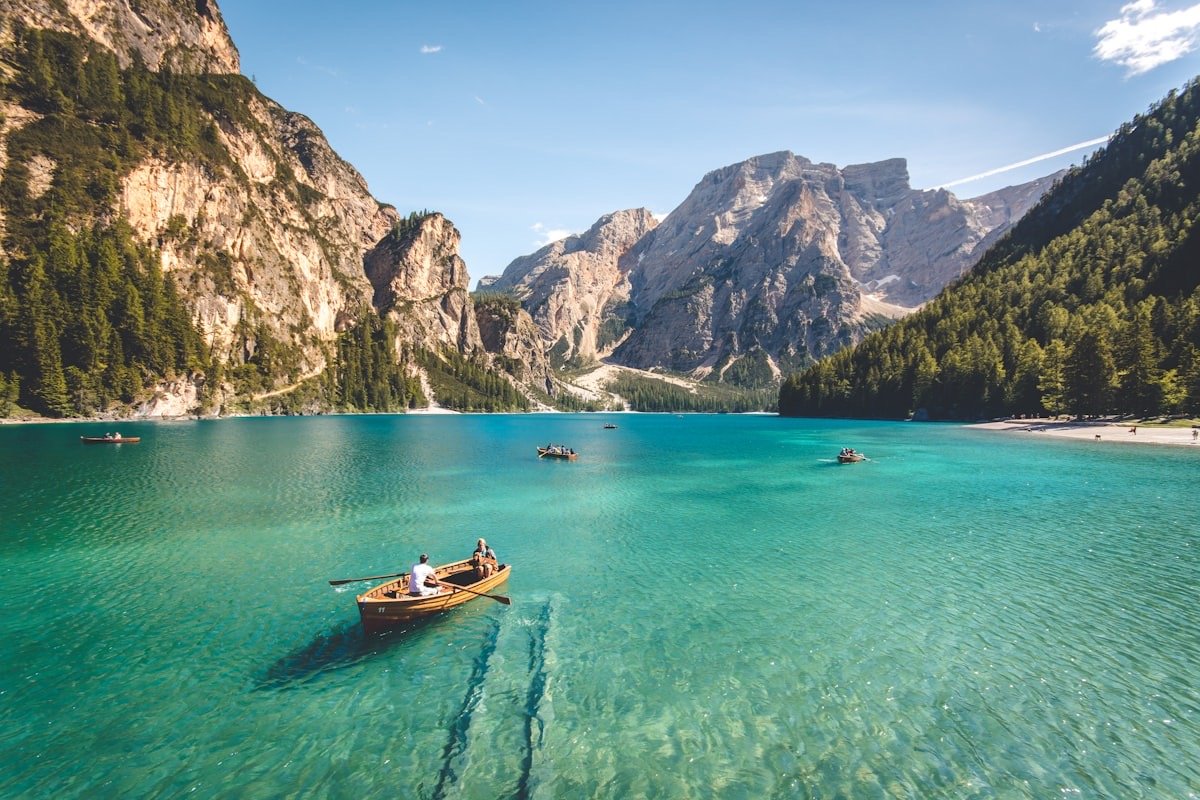
Route 1: Northern Xinjiang Grand Loop (7–10 Days)
Best for: First-time visitors, nature lovers, photographers
Best season: June–September (grasslands), late September–early October (autumn colors)
This is the most popular route for good reason. It hits the “greatest hits” of northern Xinjiang: Kanas Lake, Hemu Village, Sayram Lake, and the legendary Duku Highway.
Sample 8-day itinerary:
- Day 1: Arrive in Urumqi, explore the International Grand Bazaar
- Day 2: Urumqi → Heavenly Lake (Tianchi) → Fuyun
- Day 3: Fuyun → Keketuohai (Koktokay) → Burqin
- Day 4: Burqin → Kanas Lake (Three Bays hike)
- Day 5: Kanas → Hemu Village (full day)
- Day 6: Hemu → World Devil City → Kuytun
- Day 7: Kuytun → Sayram Lake → Yining
- Day 8: Yining → Nalati Grassland → Bayanbulak
Budget reference: 3,000–5,000 RMB/person (excluding Flights to Xinjiang)
Route 2: Yili Valley Deep Dive (5–7 Days)
Best for: Families, grassland lovers, slow travelers
Best season: June–August (flower season), mid-April (apricot blossoms)
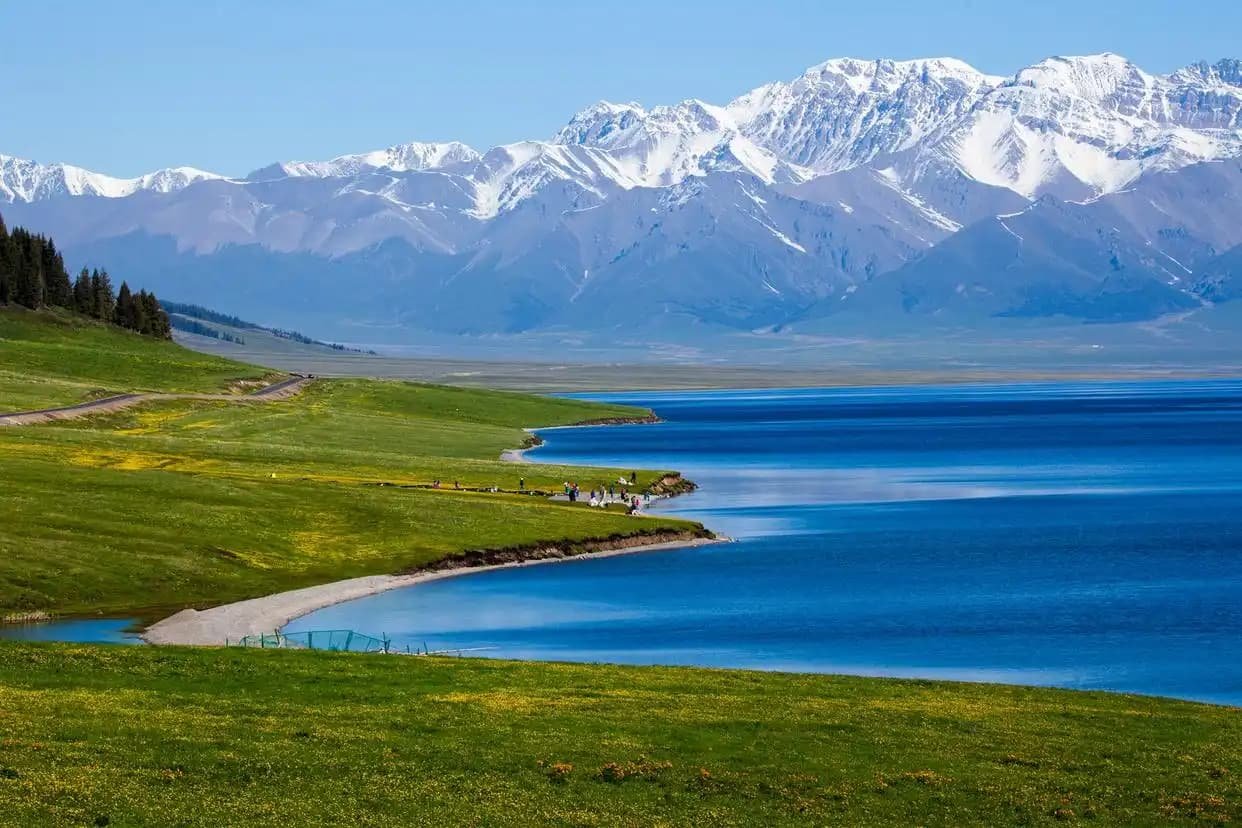
The Yili Valley is Xinjiang’s “Switzerland.” This route focuses on the lush, alpine scenery of northwestern China’s most fertile region. Highlights include Sayram Lake, Huocheng lavender fields, and the grassland pastures of Nalati and Kalajun.
 Kashgar Old Town Silk Road heritage” />
Route 3: Kanas + Hemu In-Depth (5–7 Days)
Best for: Photographers, autumn-color chasers, winter wonderland seekers
Best season: September 20–October 10 (autumn peak), December–February (snow)
If your time is limited and your priority is natural beauty, this is the route. Spend 5–7 days exploring the Kanas Nature Reserve and Hemu Village in depth. The autumn colors here are widely considered the best in China.
Note: Accommodation in Kanas and Hemu books out 1–2 months in advance during October. Plan early.
Route 4: Southern Xinjiang Cultural Journey (7–10 Days)
Best for: Culture enthusiasts, history buffs, deep travelers
Best season: April–May (apricot blossoms), August–October (pleasantly warm)
Southern Xinjiang (south of the Tianshan Mountains) is where the Silk Road comes alive. This route takes you through Kashgar Old Town, across the Pamir Plateau to Tashkurgan, and along the Taklamakan Desert Highway to Hotan and Kuqa.
Border permit required: Tashkurgan (Pamir Plateau) requires a border permit, obtainable in Kashgar.
Route 5: Eastern Xinjiang Express (3–5 Days)
Best for: Short on time, history lovers
Best season: March–May, September–October (avoid summer heat)
Eastern Xinjiang (Turpan and Hami) is the most accessible region from Urumqi. Highlights include the Flaming Mountains, Grape Valley, Karez water system, Jiaohe Ancient City, and the Kumtag Desert. This route is perfect for a long weekend extension to a China trip.
Route 6: Full Xinjiang Grand Loop (15–20 Days)
Best for: Serious travelers, retirees, once-in-a-lifetime trips
Best season: May–October (when Duku Highway is open)
This is the “everything” route. It connects northern and southern Xinjiang via the Duku Highway, giving you the full spectrum of landscapes and cultures. Expect to cover 4,000+ km over 18 days. It’s intense but unforgettable.
How to Choose the Right Route for You
| Time Available | Recommended Route |
|---|---|
| 3–5 days | Eastern Xinjiang (Turpan + Hami) |
| 5–7 days | Ili Valley OR Kanas+Hemu in-depth |
| 7–10 days | Northern Xinjiang Grand Loop OR Southern Xinjiang Cultural |
| 15–20 days | Full Xinjiang Grand Loop |
Practical Planning Tips
- Transport: Renting a car with driver (800–1,200 RMB/day) is the most flexible option for independent travelers.
- Accommodation: Book 2–4 weeks ahead in peak season (July–October). Kanas/Hemu sell out fastest.
- Border permits: Needed for Kanas (Baihaba), Tashkurgan. Get them in Urumqi, Burqin, or Kashgar.
- Altitude: Pamir Plateau reaches 4,000m+. Acclimatize in Kashgar (1,300m) before ascending.
- Budget: Independent travel in Xinjiang costs 300–800 RMB/day (mid-range, excluding transport to Xinjiang).
Final Thoughts
Xinjiang is not a place you “finish” in one trip. Each route here offers a different slice of what makes this region extraordinary. If it’s your first time, start with the Northern Xinjiang Grand Loop—it’s the most accessible and gives you the iconic landscapes that define Xinjiang in most travelers’ minds.
For first-time Xinjiang travel tips and detailed day-by-day planning, check our individual route guides linked throughout this article. Safe travels, and remember: in Xinjiang, the journey is every bit as magnificent as the destination.
Practical Information for Visiting Xinjiang classic travel routes
Before you set off, a few practical notes that make a real difference on the ground in Xinjiang. Distances are vast and timing matters more than almost anywhere else in China, so build buffer days into your itinerary and confirm opening times and road conditions close to your travel date.
Best Time to Go
Most of Xinjiang’s headline destinations are best from May to October. High-altitude lakes and northern grasslands peak in June–September, while desert and southern routes are most comfortable in spring and autumn to avoid summer heat. Winter is spectacular for snow scenery but brings closed mountain passes.
Getting Around
Self-drive remains the most flexible way to cover Xinjiang’s spread-out sights, but inter-city buses, trains to major hubs (Ürümqi, Kashgar, Yining, Turpan), and domestic flights fill the gaps. Check the latest Xinjiang travel tips before booking, as schedules shift seasonally.
What to Pack
Strong sun, dry air, and big day-to-night temperature swings are the norm. Bring high-SPF sunscreen, lip balm, a refillable water bottle, layered clothing, and a power bank. Carry some cash for remote stops where mobile payment is spotty.
Respect & Readiness
Signal can be weak outside towns—download offline maps, share your route with someone, and keep your passport handy for the occasional ID check. A little preparation turns a long drive into the trip of a lifetime.
Practical Information for Visiting Xinjiang classic travel routes
Before you set off, a few practical notes that make a real difference on the ground in Xinjiang. Distances are vast and timing matters more than almost anywhere else in China, so build buffer days into your itinerary and confirm opening times and road conditions close to your travel date.
Best Time to Go
Most of Xinjiang’s headline destinations are best from May to October. High-altitude lakes and northern grasslands peak in June–September, while desert and southern routes are most comfortable in spring and autumn to avoid summer heat. Winter is spectacular for snow scenery but brings closed mountain passes.
Getting Around
Self-drive remains the most flexible way to cover Xinjiang’s spread-out sights, but inter-city buses, trains to major hubs (Ürümqi, Kashgar, Yining, Turpan), and domestic flights fill the gaps. Check the latest Xinjiang travel tips before booking, as schedules shift seasonally.
What to Pack
Strong sun, dry air, and big day-to-night temperature swings are the norm. Bring high-SPF sunscreen, lip balm, a refillable water bottle, layered clothing, and a power bank. Carry some cash for remote stops where mobile payment is spotty.
Respect & Readiness
Signal can be weak outside towns—download offline maps, share your route with someone, and keep your passport handy for the occasional ID check. A little preparation turns a long drive into the trip of a lifetime.