
Xinjiang Photography Itinerary: Capturing the Perfect Shot in Every Season (2026)
Updated July 2026 by the Roam Xinjiang Team.
Why Xinjiang Is a Photographer’s Paradise
Xinjiang is where China keeps its most dramatic landscapes—and its most photogenic secrets. With 446 landscape photography locations officially recorded and the region consistently ranking among the top domestic photography destinations, Xinjiang offers an unparalleled visual feast for amateur and professional photographers alike.
What makes Xinjiang special for photography isn’t just the scenery—it’s the quality of light. At latitudes between 34° and 49° north, the sun tracks across a broader arc. Combine that with some of China’s lowest light pollution levels, and you get golden hours that feel like they last for hours, and night skies that reveal the Milky Way in shocking clarity.
This guide walks you through a 10-day Xinjiang Photography Itinerary designed to hit the region’s most iconic viewpoints at the optimal time of day and year. Whether you shoot with a smartphone or a full-frame DSLR, you’ll leave with a card full of frames that don’t look real—because the place barely does either.
When to Plan Your Photography Trip
Timing determines everything in Xinjiang. The same location can look like four different planets depending on when you stand on it. Here’s the seasonal breakdown:
| Season | Best For | Key Locations | Light Quality |
|---|---|---|---|
| Spring (Apr–mid-May) | Apricot blossoms, wildflower meadows | Yining, Datong Gorge, Tekes | ★★★★☆ Clean, soft morning light |
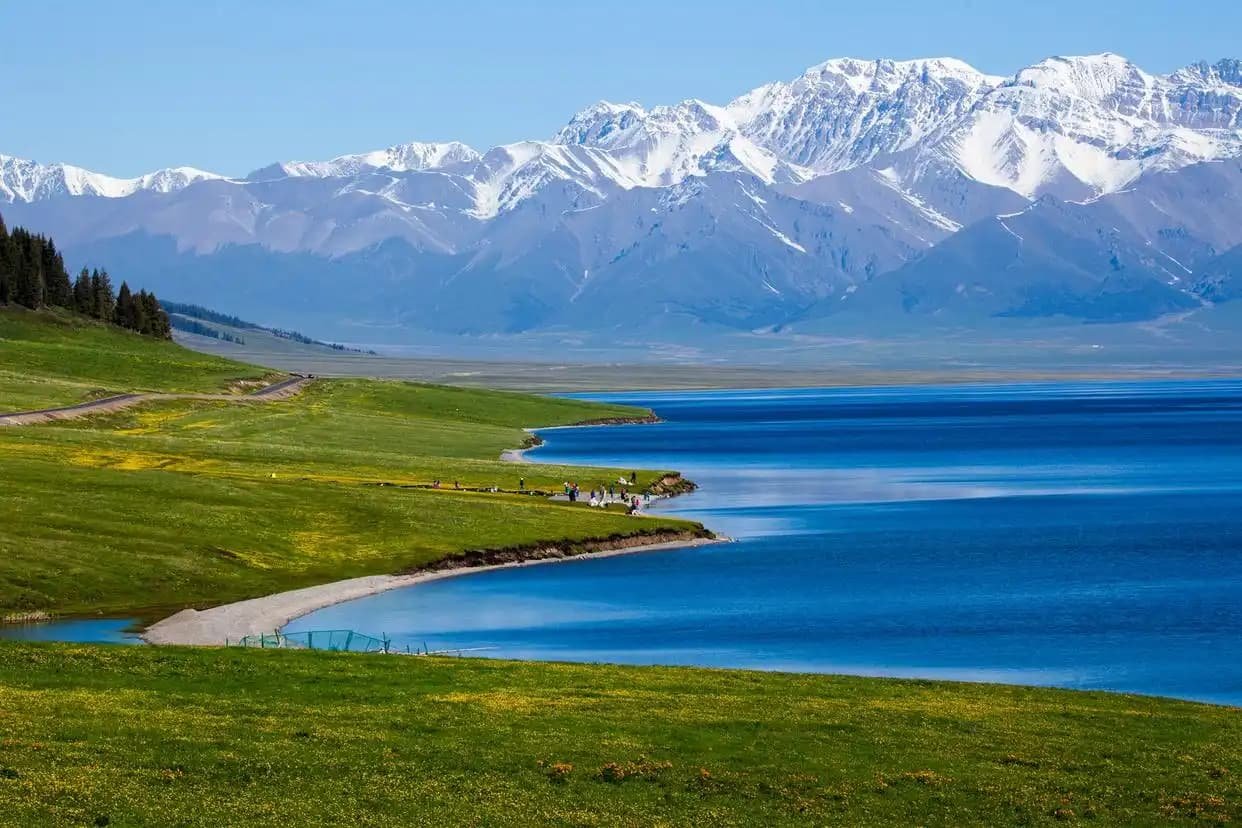
| Summer (Jun–Aug) | Alpine lakes, grassland flowers, lavender | Sayram Lake, Nalati, Huocheng | ★★★★ Long golden hours, occasional haze |
| Autumn (Sep–early Oct) | Larch gold, birch forests, clear air | Kanas, Hemu, Baihaba | ★★★★★ Crispest air of the year |
| Winter (Nov–Mar) | Snow peaks, ice patterns, ski action | Kanas, Koktokay, Urumqi | ★★★☆ Dramatic but limited access |
Pro tip: If you have to pick one window, make it September 15 – October 5. The larches turn molten gold, the tour buses have gone back to school, and the air in Kanas is so clear it feels like wearing glasses for the first time.
10-Day Xinjiang photography itinerary
This route assumes you start and end in Urumqi and hire a private car with driver (essential for reaching remote viewpoints at the right time).
Day 1: Urumqi → Heavenly Lake (Tianchi)
Shoot: Bogda Peak reflection, spruce-fringed shoreline, morning mist on the water.
Best light: Arrive at the lake by 08:30. The reflections are at their stillest before the tour boats start running. The west-shore plank trail gives you a angle that most day-trippers never find.
Overnight: Back in Urumqi, or push on toward Kuqa if you’re on a tight schedule.
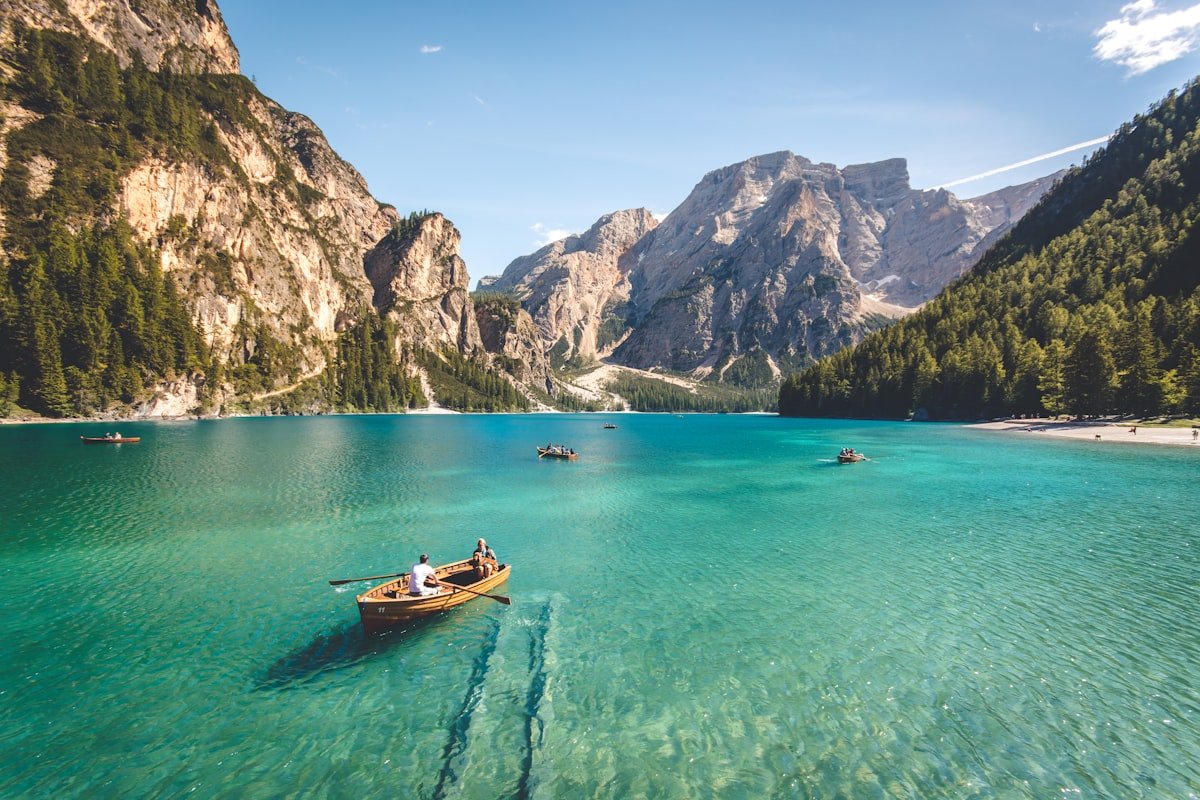 Nalati Grassland flower meadows Xinjiang Photography Itinerary” style=”width:100%;max-width:700px;display:block;margin:20px auto;border-radius:8px;”>
Days 2–3: Kuqa → Tianshan Grand Canyon → Kizil Caves
Shoot: Red rock slot canyons, cave-mural fragments (no interior photos allowed), dramatic cliff faces.
Best light: The Tianshan Grand Canyon (also called Kizil Canyon) faces east-west, so afternoon side-light defines the relief. For the canyon entrance shot, arrive before 10:00 when the red sandstone glows without overhead flattening.
Don’t miss: The Kizil Caves—even if you can’t photograph inside, the cliff-face exterior and the Muzart River valley below are frame-worthy.
Days 4–6: Kanas Lake → Hemu Village → Three Bays
This is the core of your trip. Give it minimum three full days.
Day 4 — Kanas Lake: Head straight to Guanyu Tai (Fish-Watching Platform). The climb is 1,066 steps, but the view over the S-bend is the signature Xinjiang shot. Best light: 17:00–20:00 depending on sunset.
Day 5 — Three Bays: Sunrise at Shenxian Bay (arrive 06:30), then walk Moon Bay and Wolong Bay before the tour buses arrive. September turns the birch groves gold; bring a 50–200mm zoom to compress the forest layers.
Day 6 — Hemu Village: Stay overnight inside the village. The sunrise from the Hemu viewing deck (15-minute climb from the village) is why people fly across the world. Blue hour before sunrise is when the wood smoke from the cabins catches the first light—pure magic.
 Kashgar Old Town earth tone architecture Xinjiang photography” style=”width:100%;max-width:700px;display:block;margin:20px auto;border-radius:8px;”>
Days 7–8: Burqin → World Devil City → Baihaba (optional)
Shoot: Yadan formations at golden hour, petrified wood fragments, frontier border landscapes.
Best light: The Devil City is a one-way loop—the shuttle bus stops at numbered platforms. Platform 3 and Platform 5 catch the copper-red glow 90 minutes before sunset. Wind is constant here; use a fast shutter or brace on a rock.
Days 9–10: Kashgar Old Town → Return to Urumqi
Shoot: Earth-toned mud-brick architecture, carved wooden doors, morning tea-house scenes, the Id Kah Mosque silhouette.
Best light: The old town is a maze—literally. The north-side ridge walkway catches morning light on the south-facing facades. For door-detail shots, the multi-level alleys between Boyi Road and the mosque quarter are a goldmine. Ask before photographing people; a smile and a raised-eyebrow gesture works across all language gaps.
If your schedule allows, add a day trip to Karakul Lake on the way back—the Muztagh Ata reflection from the northeast shore is one of the most iconic frames in Central Asian photography.
Equipment Checklist for Xinjiang
| Item | Why You Need It |
|---|---|
| Wide-angle lens (14–24mm) | Landscape scale—Kanas Lake, Sayram Lake, grassland panoramas |
| Telephoto (70–200mm or longer) | Compress mountain layers, wildlife, detail on distant peaks |
| ND filter (6-stop or 10-stop) | Force long exposures on bright alpine lakes for silk-water effect |
| Polarizer | Cut glare on water, deepen sky blue, reduce dust-haze reflection |
| Extra batteries (3× minimum) | Cold drain at altitude is real—Karakul (3,600m) will eat batteries |
| Lens cleaning cloths (pack 5+) | Dust storms in Turpan and Devil City are relentless |
| Lightweight tripod | Sunrise and astro shots—Milky Way over Kanas is a bucket-list frame |
Cultural Photography: Etiquette That Matters
Xinjiang is home to Uyghur, Kazakh, Kyrgyz, Tajik, Mongolian, and Han communities. Respectful photography isn’t just polite—it’s the difference between a generic travel snap and a portrait with soul.
- Always ask: A smile + gesture with your camera = universal question. If someone waves you off, smile and move on.
- Dress modestly when photographing around mosques or in conservative areas like Tashkurgan.
- Offer to send the photo: If you promise to share a portrait, follow through. WeChat QR codes work across the border in some areas, or offer to email.
- No drone without permission: Many scenic zones (Kanas, Baihaba, Devil City) restrict or prohibit drones. Check at the ticket office—fines are steep.
Astro Photography Bonus: Xinjiang’s Dark Skies
Because Xinjiang is vast and sparsely populated, it has some of the best dark-sky conditions in China. The Bayanbulak Grassland, Kanas buffer zone, and the Taklamakan Desert rim all offer Bortle Class 2–3 skies on clear nights.
Best season for astro: September–October (crisp air, earlier sunset, fewer mosquitoes). New moon periods are obviously ideal—plan your itinerary around the lunar calendar if the Milky Way is on your shot list.
Practical Planning Notes
- Transportation: Hiring a private car with driver is the standard solution for photographers—it lets you chase light without worrying about parking or navigation. Expect ¥800–1,500/day depending on vehicle and season.
- Accommodation: Book Kanas and Hemu stays 3–4 weeks ahead for September/October. The best photography locations require overnight stays inside the scenic zones.
- Border permits: If your route includes Baihaba or Tashkurgan, arrange your PSB permit in Urumqi or Kashgar before you travel. Bring your passport to every ticket gate—it’s standard procedure.
- Weather: Xinjiang’s weather is famously volatile. In the mountains, a sunny 20°C can become a snowy 2°C in three hours. Pack a weather-resistant camera bag and a lightweight down jacket that lives in your daypack.
Final Word
Xinjiang will challenge your planning skills, your battery life, and your ability to edit photos fast enough to keep up. But it will also give you frames that make people ask, “Where is that?”—and that, for a photographer, is the highest compliment there is.
— Roam Xinjiang Team, July 2026. Safe travels, and happy shooting.
Practical Information for Visiting Xinjiang photography itinerary
Before you set off, a few practical notes that make a real difference on the ground in Xinjiang. Distances are vast and timing matters more than almost anywhere else in China, so build buffer days into your itinerary and confirm opening times and road conditions close to your travel date.
Best Time to Go
Most of Xinjiang’s headline destinations are best from May to October. High-altitude lakes and northern grasslands peak in June–September, while desert and southern routes are most comfortable in spring and autumn to avoid summer heat. Winter is spectacular for snow scenery but brings closed mountain passes.
Getting Around
Self-drive remains the most flexible way to cover Xinjiang’s spread-out sights, but inter-city buses, trains to major hubs (Ürümqi, Kashgar, Yining, Turpan), and domestic flights fill the gaps. Check the latest Xinjiang travel tips before booking, as schedules shift seasonally.
What to Pack
Strong sun, dry air, and big day-to-night temperature swings are the norm. Bring high-SPF sunscreen, lip balm, a refillable water bottle, layered clothing, and a power bank. Carry some cash for remote stops where mobile payment is spotty.
Respect & Readiness
Signal can be weak outside towns—download offline maps, share your route with someone, and keep your passport handy for the occasional ID check. A little preparation turns a long drive into the trip of a lifetime.