
Turgen Gorge: The Ili Valley Canyon Nobody Photographs
There is a gorge about an hour east of Yining that almost nobody outside Xinjiang has heard of, and I only found it because a Kazakh driver in Nilka told me I was going the wrong way. I had asked him about Tangbula. He shrugged, said Tangbula was fine, then added that if I liked rivers I should go to Turgen instead, because “the water is louder.” He was right about the water.
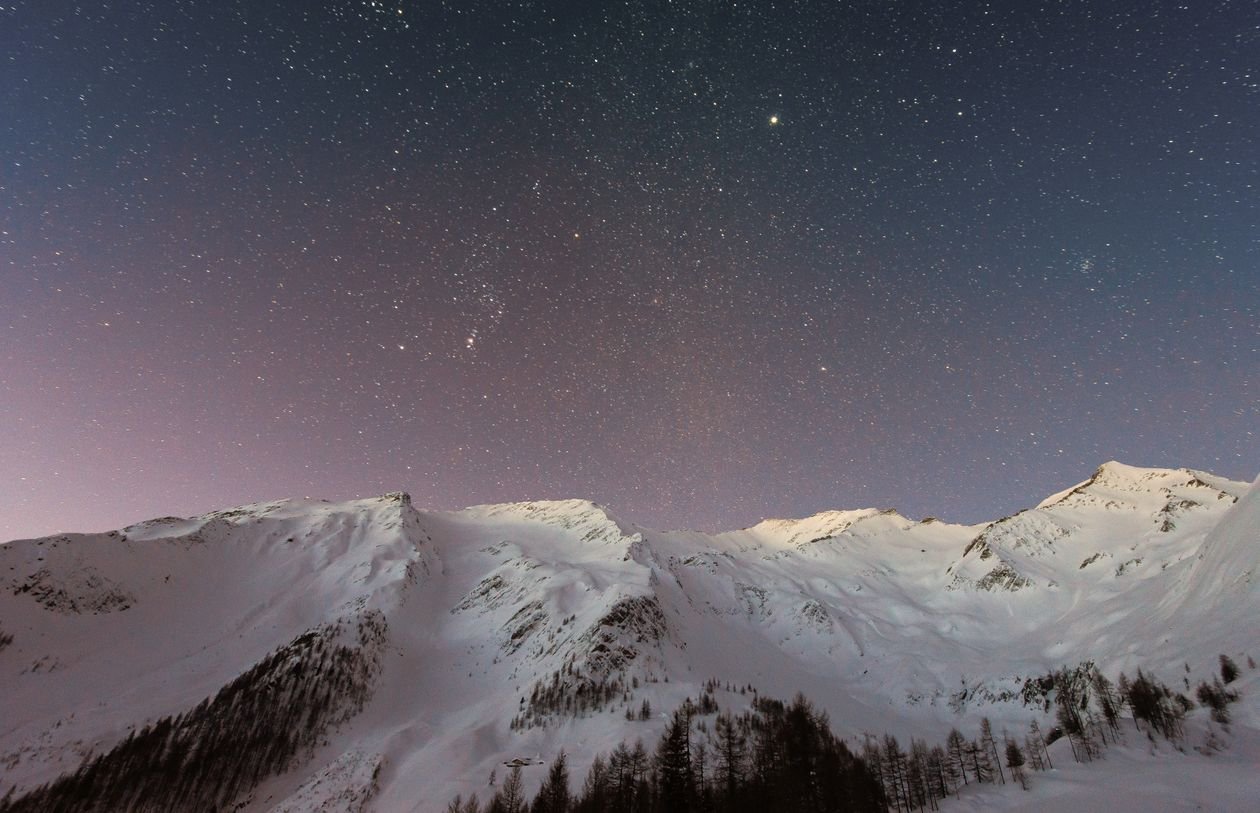
Turgen Gorge — written variously as Tuergen, Turgan or Türgen in different transliterations — cuts south out of the Tianshan into the Ili Valley in Yining County. It is not a headline attraction. There is no cable car, no glass walkway, no queue. What there is instead: a fast grey-green river, spruce forest climbing the north-facing walls, Kazakh summer camps on the meadow shelves, and a road that runs up the valley for roughly 40 kilometres before it gives up and becomes a track.
Getting into the valley
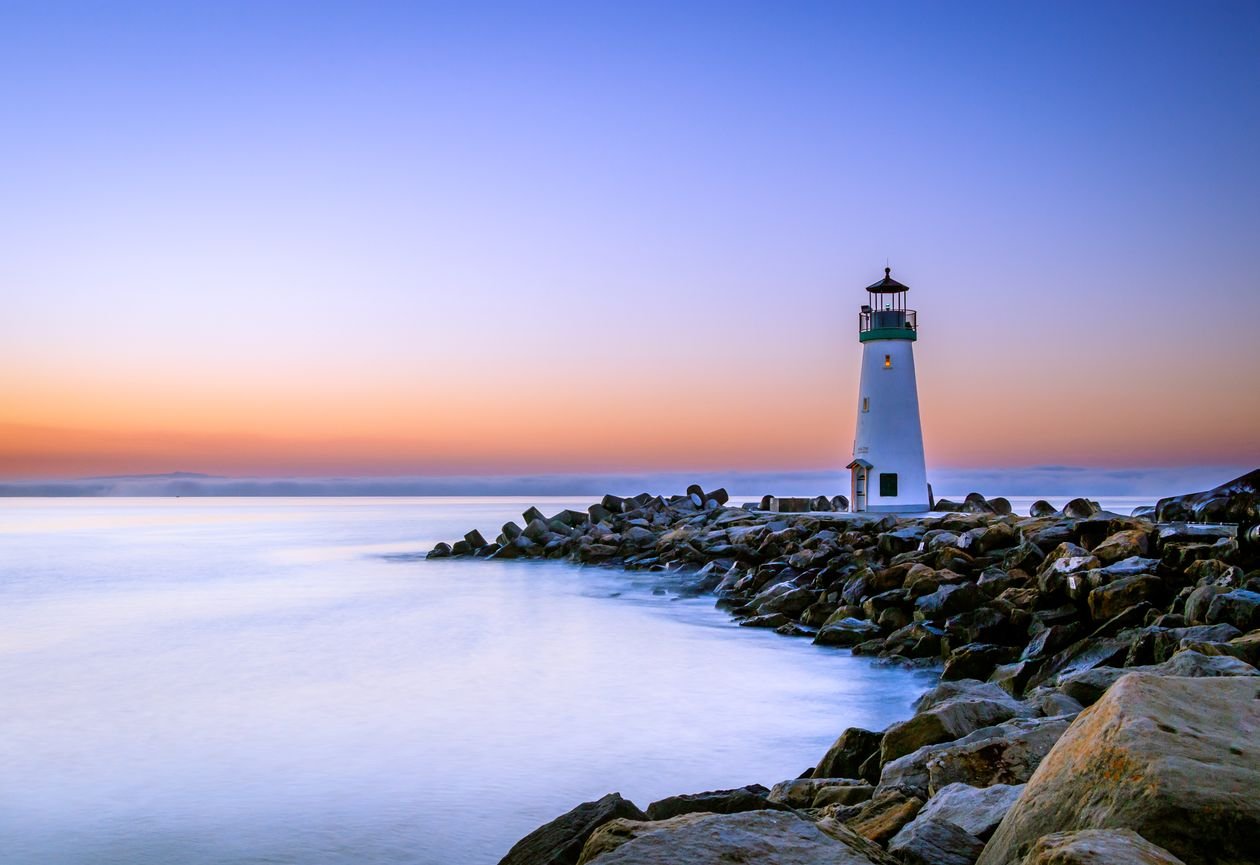
From Yining city, head east on the road toward Turgen town. The distance to the gorge mouth is around 55 to 65 kilometres depending on your route through the irrigated farmland belt, and it took me about 80 minutes with one wrong turn among the poplar windbreaks. Everything south of the mountains here is orchard, wheat and lavender-adjacent farmland, and the lanes look identical. Offline maps handle it, roughly. Local road signs do not.
Once you leave the last village the surface is decent asphalt for the first 15 kilometres or so, then a mix of compacted gravel and patched concrete. My hire car — a low-clearance sedan — got up to about kilometre 28 before I decided the ruts were not worth the deposit. A crossover or any small SUV would go further. Herders’ pickups go all the way to the upper meadows.
What you pay, and what you do not
On both my visits there was no formal ticket gate at the valley mouth, which is a large part of the appeal. That may change; several Ili valleys have acquired ticket booths in the past few years. Someone was collecting a small parking fee of ¥10 near the second bridge, and a Kazakh family charged me ¥20 to leave the car in their yard while I walked upstream. Nobody issued a receipt for anything, and nobody needed to.
If you have already paid for the big-name grasslands on this trip — and most people arriving in Ili have — the difference in feel is stark. There is no comparison to be made with the crowd management at Nalati Grassland, where the infrastructure is genuinely good but you are moving with several thousand other people in high season. Turgen is what Nalati presumably felt like thirty years ago, with all the associated inconveniences.
Walking, and what grows here
The core of a Turgen day is simple: park somewhere, walk up the river. The valley floor is broad enough in the lower section that you can follow gravel bars for kilometres, crossing side streams on stones. Higher up the walls pinch in and you are pushed onto the road.
What surprised me was the botany. The north-facing slope carries dense Schrenk’s spruce — the same tall dark conifer that makes the Ili mountains look almost Alpine — while the south-facing slope directly opposite is dry grass and scrub with barely a tree on it. The contrast runs the entire length of the gorge and it is one of the cleanest illustrations of aspect-driven climate I have ever walked through. In late June the meadow shelves were thick with what I am fairly sure were wild geraniums, some kind of yellow umbellifer, and a purple thistle the horses avoided.
I saw marmots twice, both times on scree above the road, both times announced by a whistle before I spotted the animal. A herder told me there are wolves higher up and that they take lambs most summers. He said it the way a farmer anywhere says a thing that is annoying and normal.
Staying with the herders
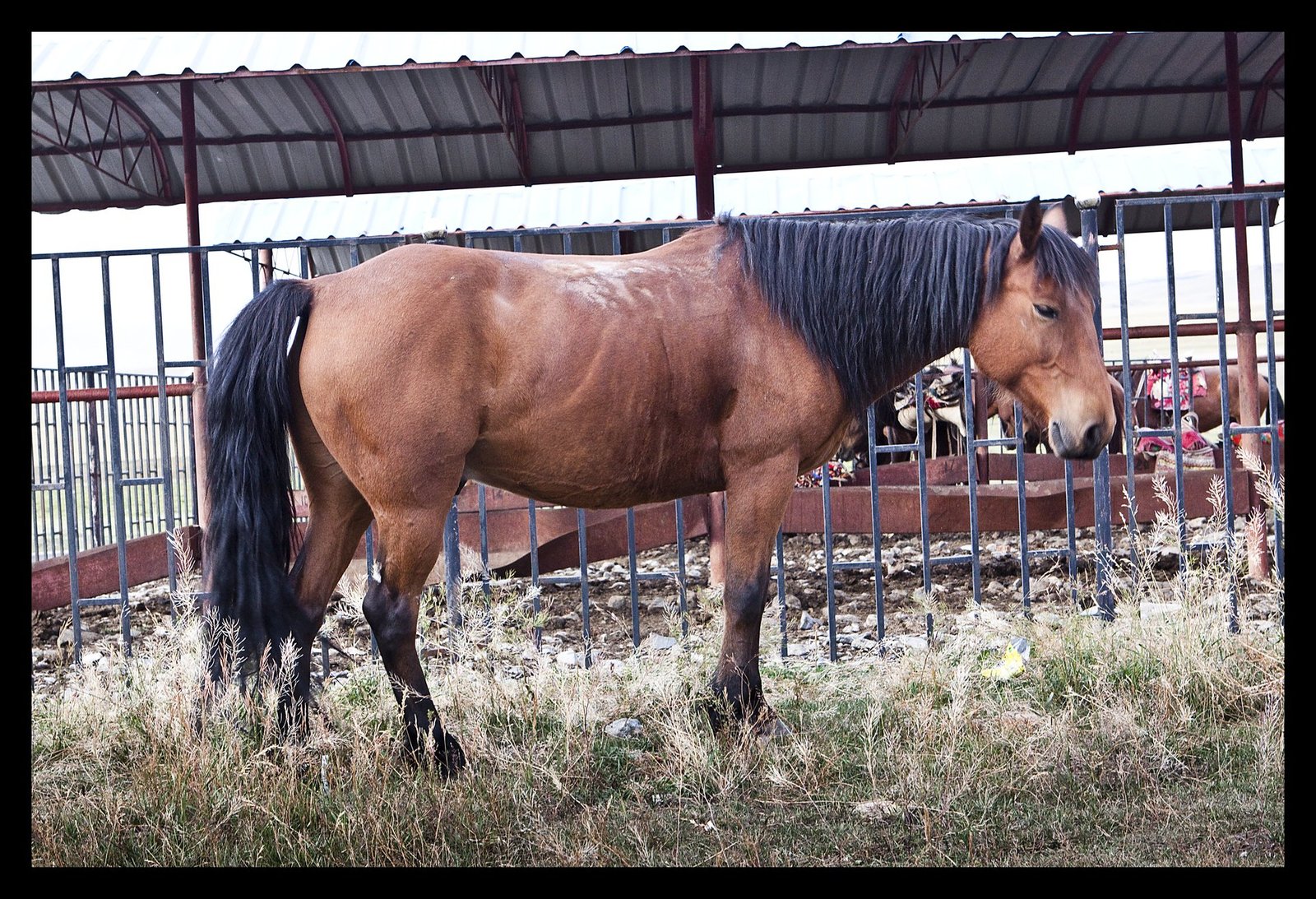
In July and August the upper meadows hold Kazakh summer camps, and several families take paying guests. This is not a commercial yurt-camp operation with a booking page; it is a family with spare bedding. I stayed one night at around kilometre 25 in a felt yurt with a coal stove, for ¥150 including dinner and breakfast. Dinner was mutton, potato and hand-pulled noodle, and about a litre of milk tea that kept arriving whether or not I finished the previous bowl.
Two practical notes if you try this. First, arrange it in daylight — after dark the camps are almost impossible to find and nobody appreciates headlights sweeping their yard at ten at night. Second, bring cash in small notes and offer it at the end rather than negotiating hard at the start. The broader etiquette in our guide to staying in a Kazakh yurt and horse trekking applies directly, and it is worth reading before you turn up.
When to come
The valley has four distinct usable seasons and one unusable one.
Late May to mid-June is my favourite. Snowmelt has the river running loud and full, the meadows are green and flowering, and the herders are moving up. It is also when the road is most likely to have washouts, so allow for turning back.
July and August bring the summer camps, the best weather, and the most company — though “most company” here means perhaps a dozen vehicles a day, not a queue. Afternoon thunderstorms build over the ridge with very little warning. I got caught once at kilometre 30 in hail the size of peas and spent twenty minutes under a spruce feeling foolish.
September into early October is the quiet reward: larch and birch turning, the camps coming down, the light long and low along the valley axis. This is the photographer’s window. It pairs naturally with the wider autumn circuit and with the G218 drive through the Ili Valley, which you will very likely be doing anyway.
Winter closes the upper road. The lower gorge is accessible on clear days and genuinely beautiful under snow, but there is no reason to drive out unless you are already based nearby and have a spare morning.
How it compares to the valley’s other gorges
Ili has a lot of these side valleys and the honest answer is that several are similar. What distinguishes Turgen is the combination of river volume and forest density in the same place — many of the neighbouring valleys have one or the other. If you want open rolling grassland with photogenic single trees, go to the Tangbula grassland corridor near Nilka instead; it is easier driving and free. If you want water and shade, come here.
Walking further than the road goes
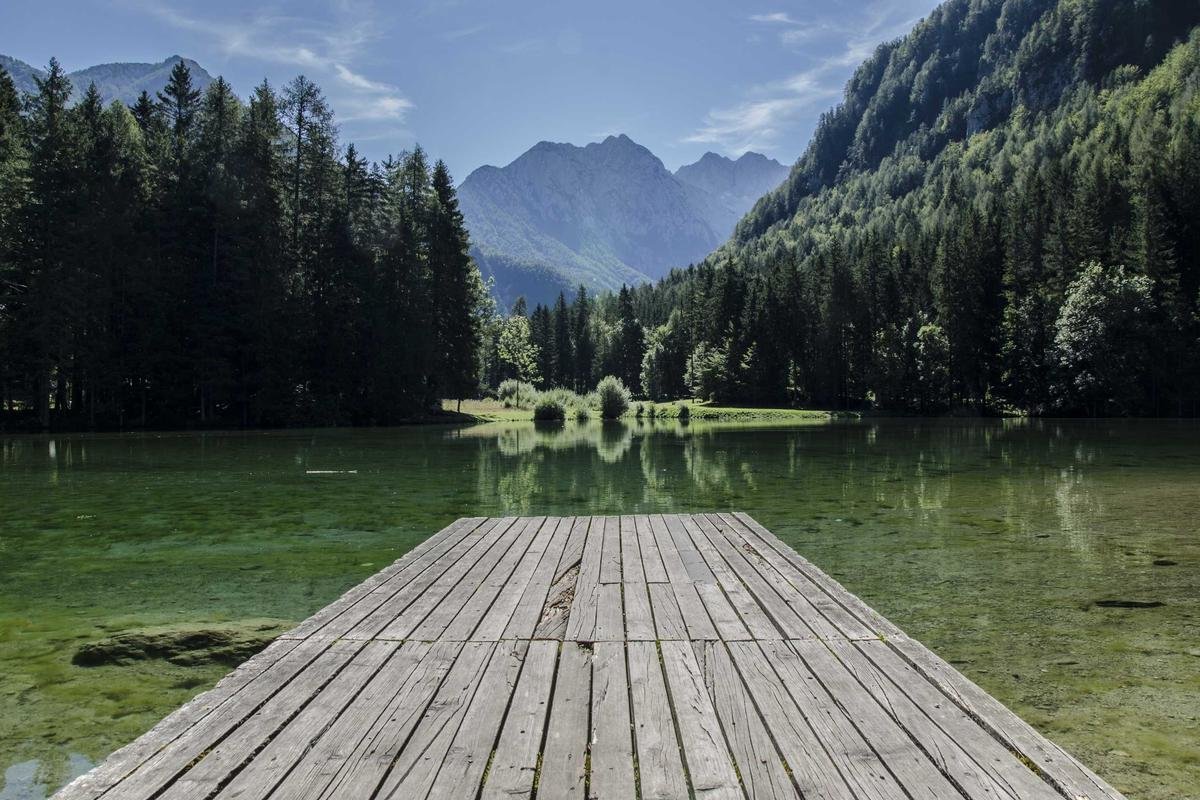
The road effectively ends around kilometre 40, at a point where the valley splits and a herders’ track continues up the eastern branch. This is where Turgen becomes a hiking proposition rather than a driving one, and it is also where I would advise most visitors to stop.
I have walked about three hours up from the road end and turned around at a point where the valley narrowed into a boulder field with old snow in the shade. The going is not technical — you are following a stock trail on a valley floor — but it is remote, there is no marked route, and river crossings depend entirely on flow. In June the side streams that are ankle-deep in September were thigh-deep and moving fast enough that I did not attempt one. Two of the crossings had rough log bridges laid by herders. I trusted one of them.
If you want a serious multi-day walk in this part of the Tianshan, there are better-established options with known routes and known escape points; the survey in our roundup of Xinjiang’s best hiking trails covers the ones that are properly documented. Turgen upper valley is not on that list and should not be treated as a trail. Go for a day walk from the road, enjoy it, come back.
What a day here costs
Genuinely very little, which is part of the pleasure. My last full day looked like this: about 130 kilometres of driving round trip from Yining, so roughly ¥90 of fuel in a small petrol car; ¥10 parking; ¥20 to leave the car in a yard; two bowls of milk tea and some bread bought from a herder’s wife for ¥25 because she would not name a price and that felt right. Under ¥150 all in, for eleven hours out.
Add ¥150 if you stay overnight in a yurt, and add whatever a hire car costs you, which in Ili has run me ¥200 to ¥320 a day for something modest in shoulder season.
Compare that to the ticketed grasslands, where entry plus mandatory shuttle plus lunch can reach ¥300 per person before you have walked anywhere, and Turgen’s economics start to look like the main argument rather than a footnote.
Logistics, food and where to sleep
Base in Yining. The city is 60-odd kilometres away, has proper hotels across every price band, and lets you treat Turgen as a day trip rather than an expedition. Our Yining and Ili travel guide covers the accommodation and food scene there, and Yining’s food scene is genuinely one of the best in Xinjiang, which matters after a day of walking.
In Turgen town itself there are a handful of noodle shops and at least two small guesthouses of the tiled-floor, plastic-slipper variety. Adequate. Cheap. Loud at six in the morning when the trucks start.
Fuel in Turgen town or before, not after. Eat before you drive up; there is nothing in the gorge except what the herders will sell you, which in practice means milk tea and possibly bread.
Signal is patchy from about kilometre 12 and gone from kilometre 20. I now text my hotel a note before I lose bars, purely as habit.
What to pack for a day in the gorge
The packing list is short but unforgiving if you forget it. Carry at least two litres of water per person — there is no drinkable water past the town and the walking is dry. Wear proper boots rather than trainers; the valley floor is loose gravel and the side streams are slick rock even in September. Take a windproof layer regardless of the forecast, because the gorge funnels breeze and the temperature drops fast once the sun leaves the rim. I keep a headtorch, a basic first-aid strip and a power bank in the car, and I have used all three. Tell someone your turnaround time before you walk out of signal.
Why I keep going back
The thing about the famous grasslands in Ili is that they have been photographed so thoroughly that arriving feels like verification. You compare the view to the picture you already saw, confirm it matches, and move on. Turgen has not been through that process. When I walk up the gravel bars there I do not know what is round the next bend, which at this point in my travelling life is a rarer feeling than any particular mountain.
It is not a spectacular place by Xinjiang’s absurd standards. There is no lake the colour of antifreeze, no glacier, no ruin. It is a river in a forested gorge with horses on the meadows above, and it will take you a full day to see maybe half of it. That is precisely the recommendation.