
Flaming Mountains: Xinjiang’s Hottest Destination
Introduction to the Flaming Mountains
For our complete Top Xinjiang Attractions, see our dedicated Top Xinjiang Attractions with practical details on safety, costs, and planning.
The Flaming Mountains (Huoyan Shan) are one of Xinjiang’s most iconic landmarks, made famous by the classic Chinese novel “Journey to the West.” Located in the karez-system-guide/”>Turpan Depression—one of the hottest places in China—these red sandstone peaks stretch for approximately 100 kilometers along the northern edge of the Tarim Basin. The mountains get their name from both their fiery red color and the extreme temperatures they experience, which can exceed 50°C (122°F) in summer. The sight of these undulating red ridges under the blazing sun is truly spectacular and otherworldly. For fans of Chinese literature and mythology, visiting the Flaming Mountains is like stepping into the pages of a beloved story. The area has been developed into a tourist attraction with excellent signage, viewing platforms, and even a giant thermometer that has become an Instagram sensation. Whether you’re a culture enthusiast, a photography lover, or simply someone who appreciates dramatic landscapes, the Flaming Mountains will leave a lasting impression. This comprehensive guide will walk you through everything you need to know before your Xinjiang travel tips itinerary includes this must-see destination.

The Legend of the Flaming Mountains
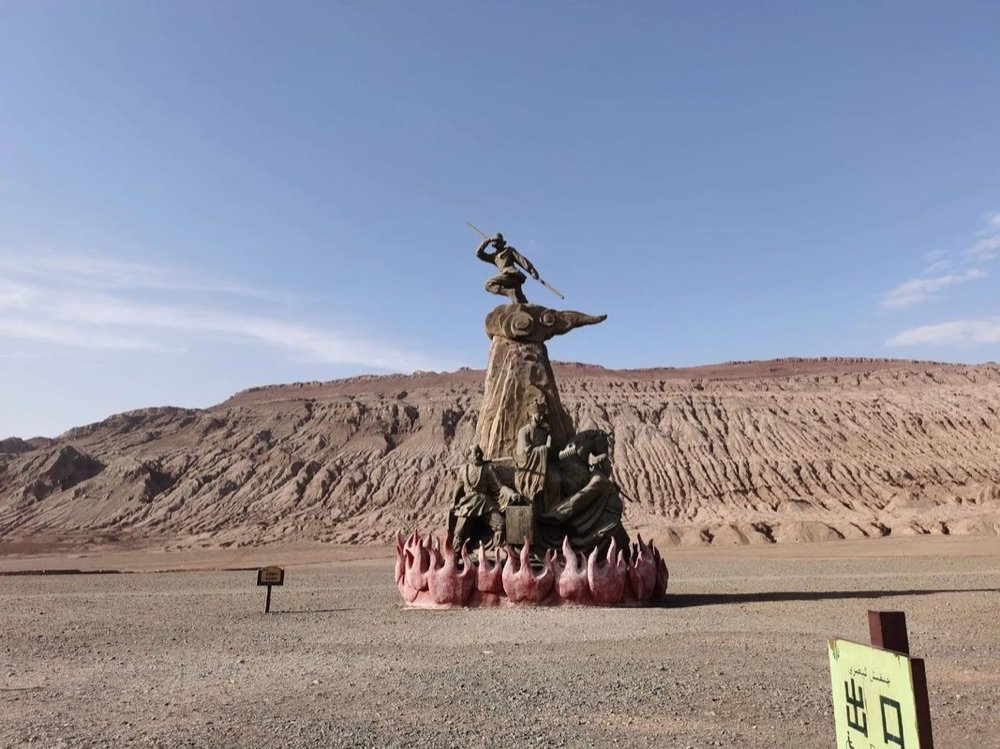
According to “Journey to the West,” the monk Xuanzang and his companions had to pass through the Flaming Mountains on their journey to India to retrieve Buddhist scriptures. The mountains were said to be engulfed in eternal flames, making passage impossible. The clever Monkey King (Sun Wukong) eventually obtained a magical fan from Princess Iron Fan that could extinguish the fire, allowing the pilgrims to continue their journey. This beloved story has made the Flaming Mountains a pilgrimage site for literary enthusiasts from across Asia. In reality, the “flames” are a literary invention, but the mountains’ intense red color and the shimmering heat haze that rises from them on hot days do create an illusion of fire. Local Uyghur legends also surround these mountains, speaking of ancient spirits that guard the Turpan oasis and the brave heroes who protected their people from invaders. These stories add layers of cultural significance to what is already a geologically fascinating landscape. Whether you believe in the legends or prefer scientific explanations, standing before these fiery-red peaks while listening to your guide recount tales from “Journey to the West” is an experience that brings China’s literary heritage vividly to life. Don’t forget to bring this cultural context to your China Xinjiang free independent travel adventure—it will deepen your appreciation of this remarkable place.
Best Time to Visit the Flaming Mountains
Timing your visit to the Flaming Mountains is absolutely critical, as this is one of the hottest places in China. The absolute worst time to visit is mid-summer (July to early August), when temperatures routinely exceed 45°C (113°F) and can reach as high as 50°C (122°F). During this period, the ground temperature can exceed 70°C (158°F)—hot enough to fry an egg on a rock. If you must visit in summer, do so in the very early morning (6-8 AM) or after sunset, and limit your time outdoors to no more than 30 minutes. The best time to visit is actually spring (April to May) and autumn (September to October), when temperatures are more manageable (20-35°C / 68-95°F). During these shoulder seasons, you can comfortably explore the area for 1-2 hours, take photographs, and even do some light hiking in the surrounding area. Winter (November to March) is also an option for the brave—temperatures can drop below -10°C (14°F), but the dramatic contrast of red mountains against a crisp blue winter sky creates spectacular photography opportunities. Regardless of when you visit, always check the weather forecast, bring at least 2 liters of water per person, wear a wide-brimmed hat and sunglasses, and apply high-SPF sunscreen. The combination of intense heat and reflective sandstone can cause severe sunburn and dehydration very quickly. With proper planning, your encounter with this mythical landscape will be safe, comfortable, and deeply memorable.

What to Expect When You Visit
Visiting the Flaming Mountains is a well-organized experience with excellent tourist facilities. The main scenic area features a large parking lot, clean restrooms, a visitor center with air conditioning, and several viewing platforms that allow you to photograph the mountains from different angles. The most famous spot is undoubtedly the giant thermometer—a 12-meter-tall structure that displays the current temperature in real-time. On hot summer days, this thermometer regularly reads 50°C or higher, and posing next to it has become a rite of passage for visitors. There’s also a bronze statue of the Monkey King, which is a popular photo spot. The scenic area has done an excellent job of incorporating “Journey to the West” themes—you’ll find sculptures, murals, and information boards that recount episodes from the novel related to the Flaming Mountains. A visit typically lasts 1-2 hours, which is plenty given the intense heat. There’s a small museum that explains the geology and cultural significance of the mountains—it’s air-conditioned and provides a welcome respite from the heat. Souvenir shops sell everything from Monkey King figurines to Turpan raisins (which are delicious and among the best in China). Food options are limited to snacks and drinks, so eat a proper meal before your visit. The entire experience is very tourist-friendly, with clear signage in Chinese, English, and sometimes Uyghur. For a DIY & solo travel services experience, renting a car and visiting independently is absolutely feasible and allows you to arrive at opening time to avoid crowds.
Nearby Attractions: Making the Most of Your Turpan Visit
The Flaming Mountains are just one highlight in the Turpan region, which is packed with historical and natural attractions. After your visit to the mountains, consider exploring these nearby sites: (1) Jiaohe Ancient City—the remarkably preserved ruins of a 2,000-year-old city that was a key stop on the Silk Road. The earthen architecture and the haunting atmosphere make it one of Xinjiang’s most evocative historical sites. (2) Karez Well System—an ingenious 2,000-year-old underground irrigation system that allowed Turpan to flourish in the middle of a desert. Walking through the cool underground channels is a relief from the heat and a testament to human ingenuity. (3) Grape Valley (Putao Gou)—a lush oasis famous for its table grapes and wine production. The contrast between the green vineyards and the red Flaming Mountains in the distance is striking. (4) Emin Minaret (Sugong Tower)—a beautiful Islamic tower built in 1777, representing the architectural heritage of the Uyghur people. (5) Turpan Museum—an excellent place to learn about the region’s history, from Silk Road trade to Uyghur culture. With so much to see and do, Turpan deserves at least 2 full days in your itinerary. The town itself is charming, with excellent Uyghur cuisine (don’t miss the lamb kebabs, hand-pulled noodles, and fresh grape juice). By combining the mythical allure of the Flaming Mountains with the rich cultural and historical offerings of Turpan, you’ll gain a deep and multifaceted understanding of this fascinating region that will be a highlight of your Xinjiang journey.

Travel Tips for the Flaming Mountains
To ensure your visit to the Flaming Mountains is safe and enjoyable, follow these essential travel tips. First and foremost: hydration and sun protection. Bring at least 2 liters of water per person, wear a wide-brimmed hat, sunglasses, and high-SPF sunscreen (SPF 50+), and consider wearing UV-protective clothing. The combination of intense heat and reflective sandstone can cause severe sunburn and dehydration very quickly. Second: timing. Visit in spring (April-May) or autumn (September-October) for comfortable temperatures. If you must visit in summer, arrive at opening time (typically 8:30 AM) and leave by 10 AM. Third: transportation. Turpan is accessible by high-speed train from Urumqi (1.5 hours), and the Flaming Mountains are about 30 kilometers from Turpan city center. Taxis, DiDi (Chinese Uber), and organized tours are all available options. Fourth: what to wear. Lightweight, loose-fitting, light-colored clothing is best. Closed-toe shoes are essential, as the ground can be extremely hot. Fifth: photography. The mountains are most photogenic during the golden hours (sunrise and sunset), but these may not be practical in summer due to extreme heat. Overcast days actually provide the best lighting for the red sandstone, as harsh sunlight can create too much contrast. Finally: health precautions. The heat can be dangerous, especially for children, the elderly, and those with heart conditions. Know the signs of heat exhaustion (dizziness, nausea, rapid pulse) and act immediately if you or a travel companion experiences them. With these precautions in mind, your visit to this iconic China Xinjiang free independent travel destination will be safe, comfortable, and truly unforgettable.
Conclusion
The Flaming Mountains stand as one of Xinjiang’s most dramatic and culturally significant landscapes—a place where literature, legend, and geology intersect to create an experience that is both visually stunning and deeply meaningful. Whether you’re drawn by the “Journey to the West” connection, the striking red sandstone formations, or the sheer novelty of visiting one of China’s hottest places, this destination will exceed your expectations. Yes, the heat demands respect and careful planning, but that very challenge is part of what makes visiting the Flaming Mountains so rewarding. As you stand before those fiery ridges, feeling the intensity of the sun and imagining the Monkey King’s epic battle with the flames, you’ll understand why this landscape has captured the Chinese imagination for over a thousand years. We hope this guide has provided you with the knowledge and confidence to include the Flaming Mountains in your Xinjiang itinerary. Safe travels, stay hydrated, and may your journey through this remarkable region be filled with wonder, discovery, and stories to tell for years to come! The Flaming Mountains are waiting—are you ready to answer the call of this legendary landscape?