

Hunting Fossils in Xinjiang: Ammonites, Petrified Forests and Dinosaur Country
The Ammonite in My Hand Was 100 Million Years Old
The guide at the foot of the Urho Devil City handed me a spiral stone the size of a saucer. “Sea,” he said, and pointed at the spiral. “Here, ocean. Long time.” He was right. The wind-carved towers of the Devil City sit on what was once a Cretaceous seabed, and the ground at your feet is littered with the coiled shells of ammonites that swam there when dinosaurs were new. I have held a lot of souvenirs. None has hit me like that one.
Fossil hunting in Xinjiang is a strange, wonderful niche. The region’s geological history spans vanished oceans, petrified forests, and some of the richest dinosaur beds in Asia. You will not walk out with a T-rex tooth (those are protected and you would be arrested), but you can legally collect certain common fossils in designated areas, and you can absolutely stand where the science was written.
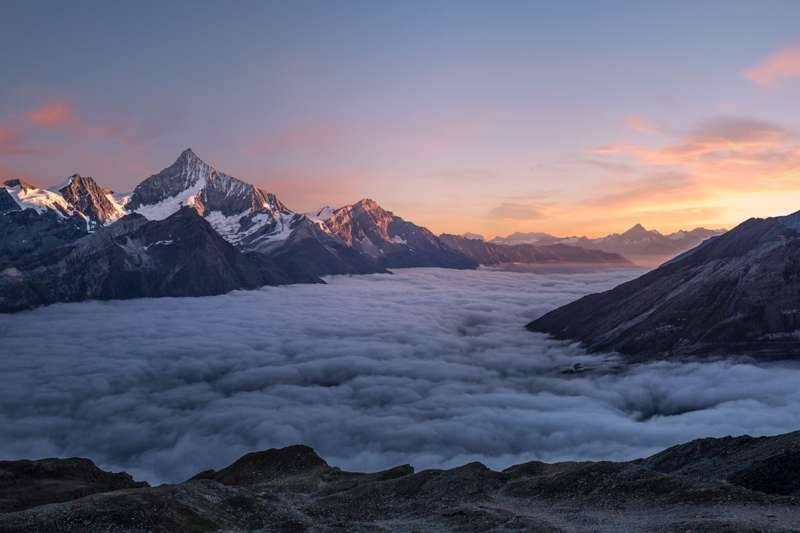
Qitai: The Petrified Forest
The headline site is the petrified forest near Qitai, in the east of the region, where an entire prehistoric woodland turned to stone and now lies scattered across the Gobi. The Qitai petrified forest guide is the deep dive; expect fallen trunks of jasperized wood up to thirty meters long, their rings still visible, colored by the minerals that replaced them. Removing pieces is forbidden, but photographing and walking among them is unforgettable. Admission is modest, around ¥40-60, and the site is huge, so give it half a day.

Koktokay and the No. 3 Mine
Further north, the Koktokay area is famous for the old No. 3 mine pit, once a major source of rare metals and now a strange, beautiful scar in the granite. The No. 3 mine pit guide explains the industrial history; the surrounding canyon also turns up small mineral specimens and, in the right season, amateur rockhounds with hammers. Leave the rare stuff alone and enjoy the geology.
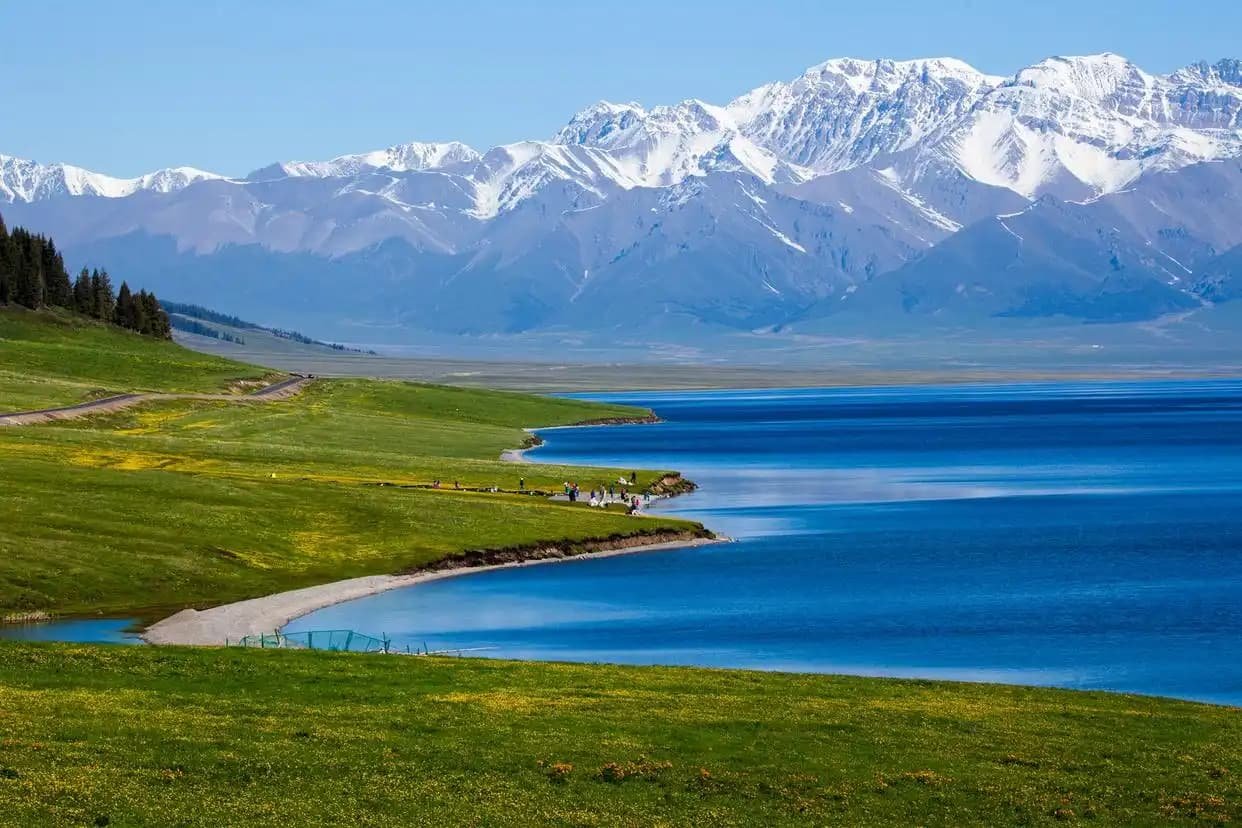
The Devil Cities: Urho and Hami
Two great wind-eroded landscapes yield fossils. The Urho Devil City near Karamay is the famous one, covered in the Wuerhe Devil City guide, where the surface is rich in marine fossils including those ammonites. The Hami version, described in the Hami Wubu Devil City guide, sits in dinosaur country and has produced complete early Cretaceous skeletons now housed in museums. Surface collecting of common shells is generally tolerated; anything vertebrate is off-limits and monitored.
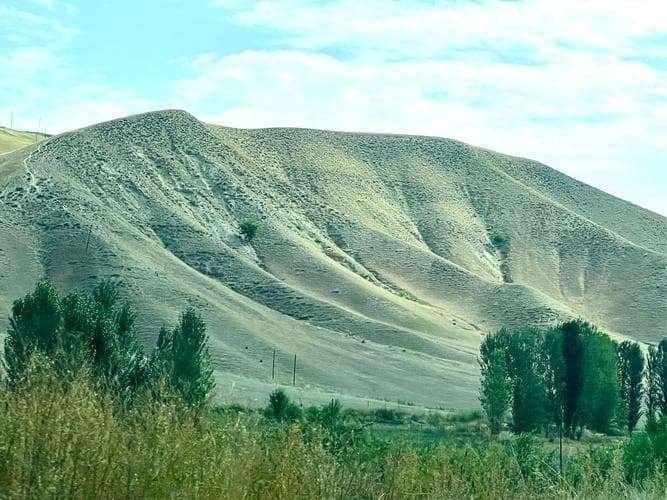
The Law, and Why It Matters
This is the part serious collectors already know and casual visitors miss: China protects vertebrate fossils tightly. Taking a dinosaur bone, a complete ammonite from a marked zone, or anything from inside a geopark fence can bring fines or worse. Stick to what the site explicitly allows, buy from licensed shops if you want a keepsake, and photograph the rest. The offline navigation guide helps because many fossil areas are far from signal and you do not want to wander a restricted zone by accident.
What I Brought Home
I left my ammonite where I found it, on the guide’s advice, and instead bought a small polished slice of petrified wood from the Qitai visitor center for ¥30. It sits on my desk now. Every time I look at it I remember standing in a former ocean in the middle of the driest continent, holding a thing older than every border drawn across it. That perspective is the real fossil you take home from Xinjiang.