
Kayaking and Canoeing in Xinjiang: Paddling the Region’s Rivers and High Lakes
Kayaking and Canoeing in Xinjiang: Paddling the Region’s Rivers and High Lakes
Last July I loaded a folding kayak into the back of a rented car in Urumqi and drove west toward the Tianshan, unsure whether I was chasing a good idea or a cold one. The water I found out there rewrote my sense of what this region offers. Most visitors come for the deserts, the Silk Road towns, and the mountain passes, but the moment you put a paddle in the water you realize Xinjiang is also one of the quietest paddling destinations on the continent. The lakes sit high, the rivers run clear, and on a weekday you can go hours without seeing another boat.
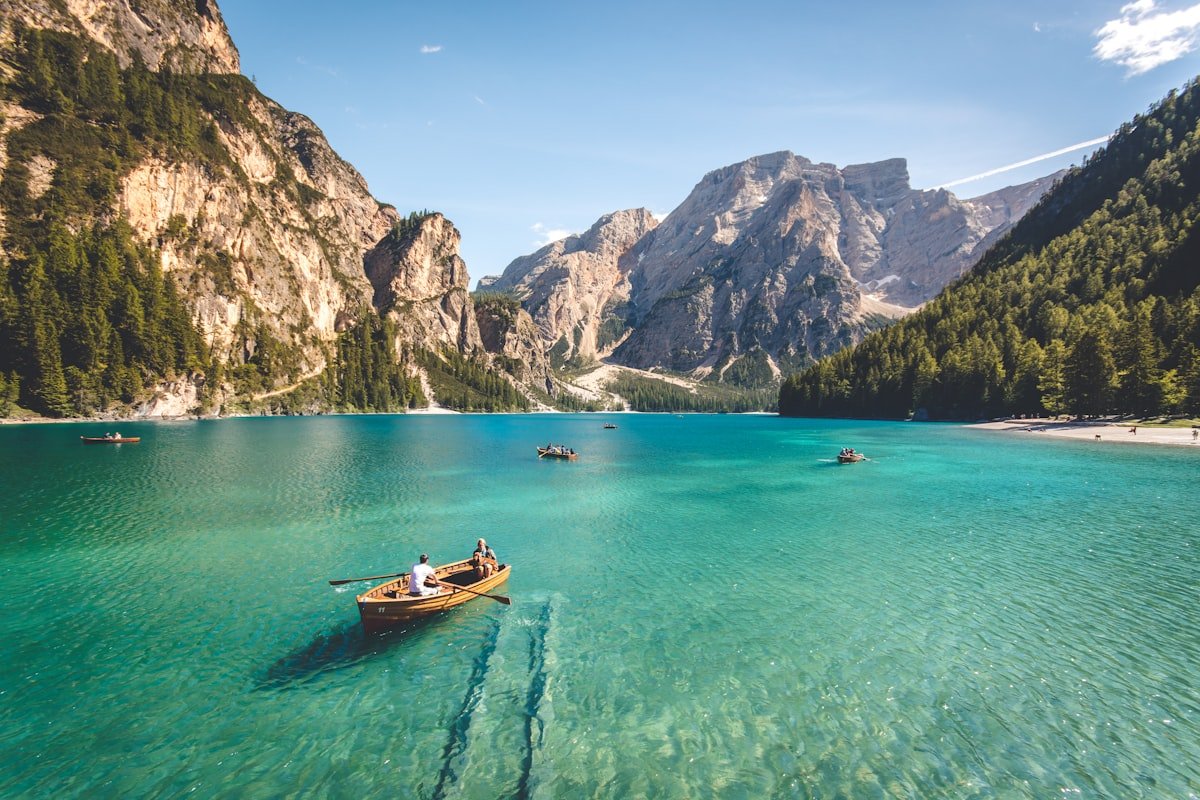
I had expected the trip to be about logistics and cold feet. It turned out to be about light. On the alpine lakes the water holds a colour you only get at altitude, a deep teal that the sky keeps trying to match. I paddled for nine days across three regions and came back with numb hands, a sunburned nose, and a list of places I now tell everyone to visit.
Why Xinjiang surprised me as a paddler
The first thing to understand is scale. Xinjiang is larger than many countries, and its water is scattered across basins that take real driving to reach. I covered roughly 1,400 km in the rental, looping from Urumqi through the Ili valley and up toward the Altai in the north. That sounds like a lot, and it is, but the payoff is water that has not been paddled flat by crowds.
The second surprise was the temperature. Even in July the high lakes rarely climb past 12 degrees Celsius at the surface, and the rivers fed by snowmelt are colder still. I wore a wetsuit on every outing and was glad for it. The cold is the single biggest factor in how you plan a day, because once you are wet and winded the mountains close in fast.
The third surprise was how easy it is to get a boat there. You cannot rent a kayak at the average lakeside town, so I flew mine in as checked baggage from Shanghai. A folding model packs into a single 25 kg bag, which the airline accepted without a second look. If you would rather not travel with gear, the big cities have outdoor shops where you can buy a basic sit-on-top for around ¥2,000, though the selection is thinner than you might hope in spring.
Where to launch: the high lakes
The lakes are where Xinjiang paddling begins, and the best of them sit above 1,500 metres. They are calm, they are enormous, and they let a nervous paddler build confidence before any current gets involved. I treated the first two mornings as pure practice, just circling a shoreline and learning how the wind spoke across the water.
Sayram Lake, the windy blue jewel
Sayram Lake is the place I send first. It sits at about 2,070 metres near the border with Kazakhstan, a cold clear sheet of water roughly 30 km long. I arrived on a Tuesday and had the eastern shore almost to myself. The wind builds after noon, so I learned to launch at first light and be off the water by eleven. The loop road around the lake makes a perfect shuttle if you have two cars, and there are pull-offs where you can slide a boat straight into the water.
Permits here are simple, but the lake sits inside a protected area, so read the signs and stay off the fenced grassland. I wrote up the access points and the seasonal road closures in my Sayram Lake notes, because the details change with the snow line. Bring your own drinking water; there is none at the shore and the nearest town is a 40-minute drive on a road that turns to mud after rain.
I paddled the south bay on my second morning and counted nine different shades of blue between the inlet and the far reeds. A local herder watched me from his horse for a while, then rode over to ask where I had come from. That conversation, half in gestures and half in broken English, was the moment the trip stopped feeling like a solo mission and started feeling like a visit.
Kanas and the Altay lakes
Up in the Altay, near the village of Kanas, the water turns a different shade, almost milky under cloud and electric blue in sun. The main lake is busy with tour boats by mid morning, so the trick is to paddle the smaller connected lakes and the river mouths where the big vessels cannot go. I spent a calm evening on a side lake watching the light fold over the spruce, and it remains the quietest hour of the whole trip.
The Altay is also where the season is shortest. Snow can return in late September, and the guesthouses start boarding up in October. If you want solitude and cold clean water, plan for late June through early September and check the road status before you commit to the long drive north from Urumqi. I met a German paddler who had been turned back by a closed pass a week earlier, and his warning saved me a wasted day.
The rivers worth a paddle
Rivers are the advanced class. The flows are fed by snowmelt, they move fast in June and July, and the banks are often private pasture. I treated every river as a one-shot, scout-from-shore affair rather than a committed descent, and I never ran a section I had not walked first.
Tianshan meltwater runs
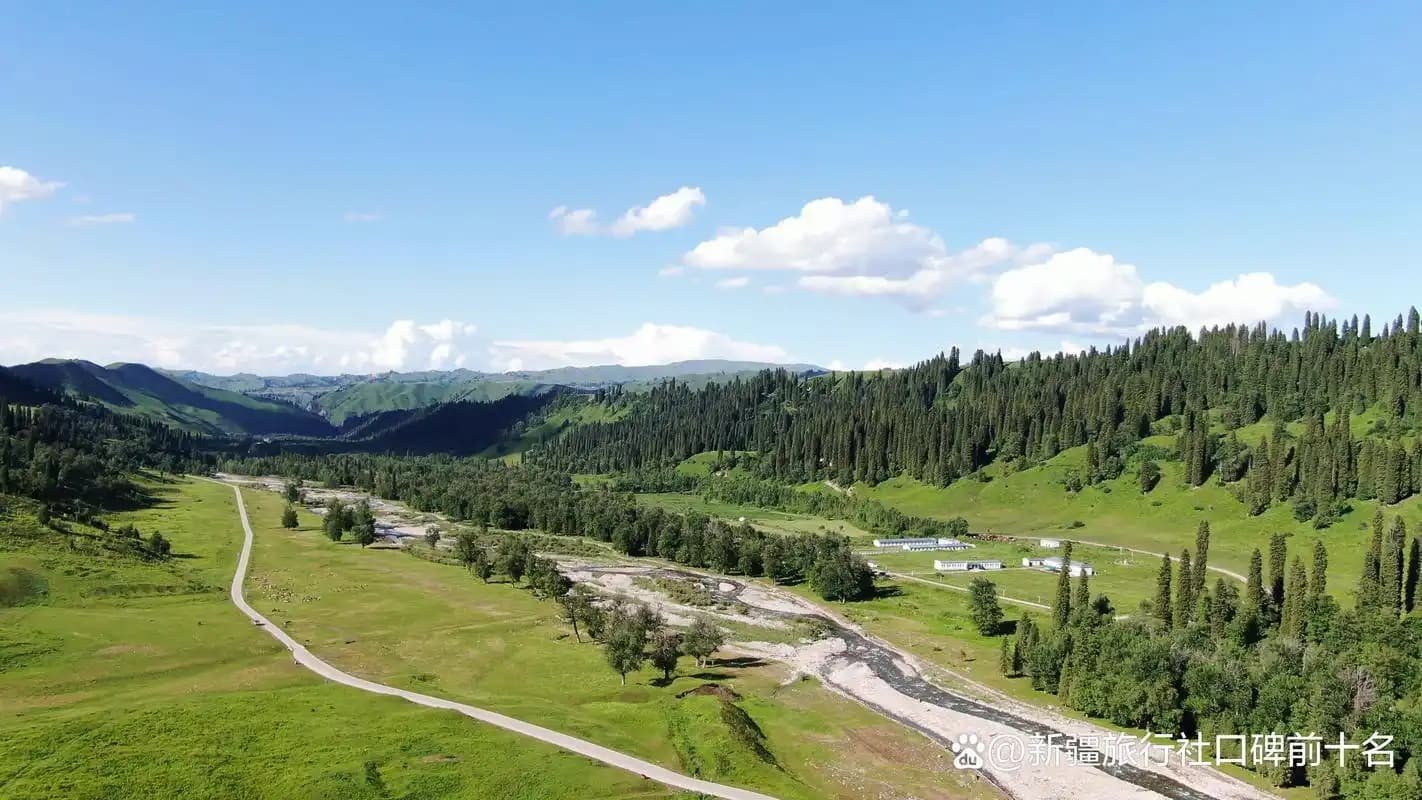
Below the main Tianshan ridge the meltwater gathers into cold turquoise channels that are perfect for a short canoe run if the level is right. I paddled a stretch near the northern foothills where the current ran a steady 5 km/h and the gradient stayed gentle for about 8 km. The water was so clear I could see the rounded stones turning on the bottom three metres down. A canoe is the better tool here than a kayak if you are alone, because you can brace a camera on the crossbar and the higher seat gives you a longer view around the bends.
Do not underestimate the cold. I flipped once in a shallow riffle and was back in the boat within a minute, but my hands stopped working for ten minutes after. A dry bag with a spare fleece and a thermos of sweet tea is not optional on these runs. The photography gear I carried lived in the same dry bag, because a soaked camera ends a trip faster than a soaked paddler.
The Ili valley and the reed wetlands
Down in the Ili valley the character changes completely. The river slows, the land flattens, and vast reed beds open up along the wetlands where the water spreads into a hundred quiet channels. This is canoe country in the truest sense. I paddled a stretch near Yining where a family of swans lifted off twenty metres ahead and the only sound was the drip from my blade.
The wetland margins are fragile, and some are part of migratory bird reserves, so keep to the open water and never cut across a bed of reeds. I planned that day around the roadside viewpoints I had mapped on the drive in, using them as both launch spots and places to warm up with a thermos and a view. The flat water meant I could paddle four hours and still feel relaxed rather than drained, which is a rare thing after a week of fighting mountain wind.
One warning about the Ili: the best channels are not on any map, and the locals who fish them guard their spots. A smile and an offer of tea got me more information than any guidebook, and a retired fisherman drew me a route in the dirt with a stick. Follow the open water, respect the private plots, and the wetland will open up slowly but completely.
Gear that actually survives the cold
After one trip the gear list sorts itself. A 3 mm wetsuit is the floor, not the ceiling, for high-lake paddling in summer. I added neoprene booties and paddling gloves, and on the windy Sayram crossing I wished I had brought a windproof cag as well. Dry bags are non negotiable; I run two, one for clothing and one for electronics, and I strap both within reach of the cockpit.
For a kayak I recommend a stable touring shape over a twitchy racing one, because the mountain wind will shove you around and a nervous boat makes a long lake miserable. A canoe works beautifully on the slow rivers and wetlands, and it carries camp gear if you want to combine paddling with an overnight. I carried a compact bilge pump, a throw rope, and a whistle, plus a small roll of repair tape for the inevitable scrape on a rocky launch.
One thing nobody tells you: the sun at altitude is brutal. I burned through clouds on a day I thought was overcast, and the backs of my hands peeled for a week. Sunscreen, a brimmed hat that stays on in wind, and lip balm went into the boat every single time. A good photography guide covers filters and sensor care, which matters when spray is constant and the light swings from flat to blinding in the space of a minute.
Safety on high-altitude water
The rules that keep you alive out here are boring and absolute. Tell someone your launch point and your expected return, because phone signal dies the moment you round a headland on the big lakes. Paddle with a buddy when you can; on Sayram I shared the water with one other traveller and we kept each other in sight the whole morning. Wear the buoyancy aid even on flat water, because the cold will rob your strength the second you fall in.
Watch the wind clock. Mountain lakes flip from glass to whitecap in under twenty minutes, and a headwind that looked harmless at the launch can turn a 2 km return into a two hour fight. I set a hard turnaround rule for myself: if the ripples on the open water start breaking, I head in, no debate. Cold water shock is real, and the lakes are deep enough that there is nothing to stand on if you tire.
Hydration and food matter more than people expect. At 2,000 metres you dehydrate fast, and a paddler who has not eaten will shiver sooner. I kept a bar and a bottle within the cockpit and ate on the hour, even when I was not hungry. The national parks around these waters have their own ranger stations, and it is worth knowing where they sit before you go, because a ranger is the fastest help when something goes wrong on a remote shore.
Permits, parks and camping
Most of the best paddling sits inside protected areas, and the rules vary by site. Sayram and Kanas both sit within managed parks that charge an entry fee and keep set hours. You can paddle the open water, but you cannot camp just anywhere on the shore. I studied the wild camping rules before the trip, because a fine or a cleared site is a poor reward for a beautiful evening spent by the water.
In practice the safe play is to book a guesthouse near the lake and launch from a public access point each morning. The Ili wetlands are more forgiving, but the bird reserves close parts of the water in spring, so check the season before you drive out. Rangers are friendly and curious about foreign paddlers; a polite question at the gate saved me from a closed section near Kanas and pointed me to a better launch a kilometre away.
Bring cash in small notes. The entry booths and the roadside noodle stops do not always take cards, and an ATM in a lakeside town is not guaranteed to be working when you need it. I carried ¥500 in small bills and never needed more than a fraction of it, but the peace of mind was worth the wallet bulge. Fuel up before the last town too, because the distance between petrol stations on the northern loop is longer than it looks on the map.
Getting there and a last word
Urumqi is the natural hub. Fly in, rent a car with a roof rack if you can, and build loops rather than long point to point drives. The roads are good but long, and the distances between water bodies mean you should plan two paddling days with a driving day between them rather than chasing three lakes in one rush. A roof box for a rigid boat or a trunk for a folder solves the transport problem cleanly, and most rental agents in the city have seen worse requests.
I would go back tomorrow. There is a particular silence on a Xinjiang lake at dawn, the kind you only get where the nearest engine is kilometres away and the water is too cold for anyone else to be out. Pack for cold, plan for wind, and the region will hand you some of the cleanest paddling you can find this side of the map. Bring a friend, tell someone where you went, and keep the thermos full, because the best stroke of the day is the one that ends within reach of hot tea.