
How to Get to Kashgar: Flights, Trains & the Ultimate Overland Routes 2026
How to Get to Kashgar: Flights, Trains & the Ultimate Overland Routes 2026
Updated: June 2026 — Kashgar (Kashgar, 喀什) sits at the far western edge of China, where the Pamir Plateau meets the Taklamakan Desert. For foreign independent travelers, getting here is part of the adventure. This guide covers every practical way to reach Kashgar in 2026 — by air, by train, and by road — with real-world tips you won’t find on booking sites.
Why Kashgar Is Worth the Journey
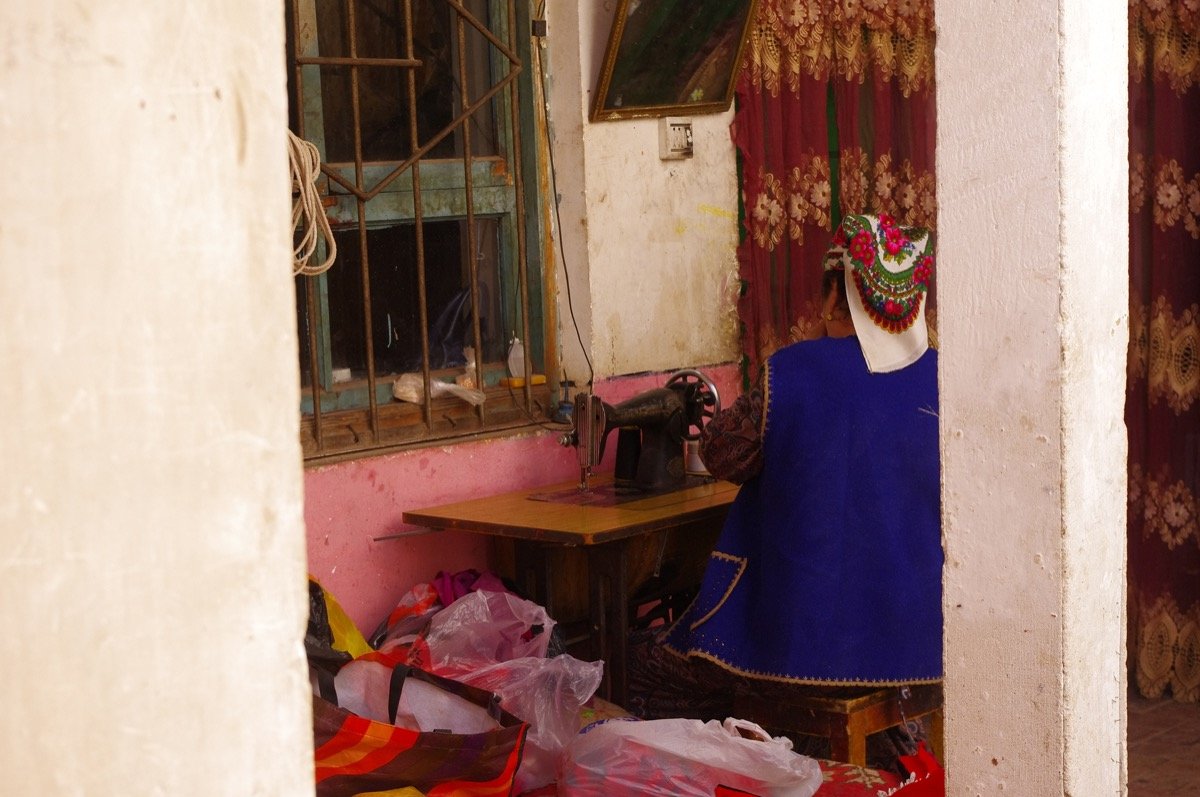
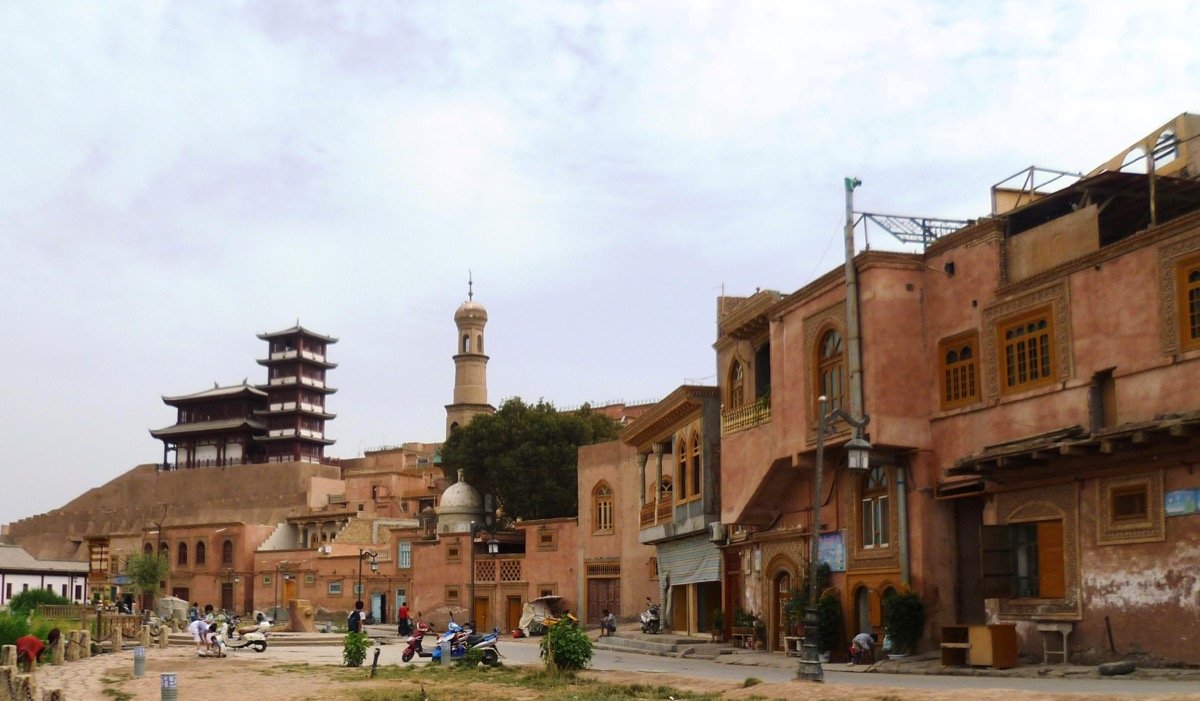
Kashgar is the single most important Silk Road destination still living and breathing today. The Old City (a UNESCO World Heritage site) is not a reconstruction — it’s a functioning neighborhood of ~130,000 people, with mud-brick courtyards that have been continuously inhabited for over 2,000 years. The Kashgar Old Town delivers an atmosphere you cannot replicate anywhere else in China: the call to prayer echoing from Id Kah Mosque at dusk, the Sunday livestock market where centuries-old bartering traditions persist, and the Pamir Plateau gateway just hours away.
But Kashgar is also remote. At 1,280 m elevation on the edge of the Tarim Basin, it’s ~3,500 km from Beijing and ~1,500 km from Urumqi. Planning your approach matters — and the right choice depends on your time, budget, and appetite for adventure.
Option 1: Flying to Kashgar (Fastest & Most Convenient)
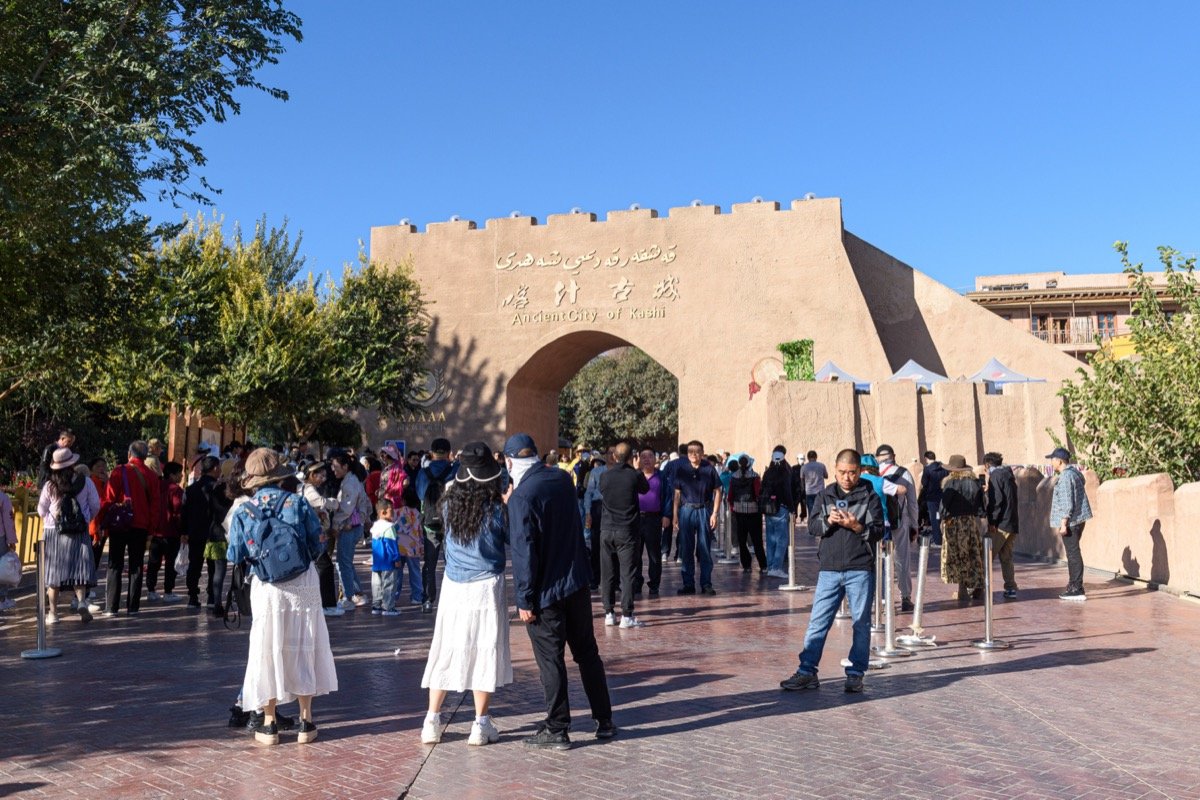
Kashgar Airport (KHG, 喀什徕宁国际机场) is the main gateway. It was expanded and renamed in 2023, and now handles international flights as well as an increasing number of domestic routes.
Direct Flight Routes to Kashgar (2026)
| Route | Airlines | Frequency | Duration | Typical Fare (Economy) |
|---|---|---|---|---|
| Urumqi → Kashgar | China Southern, Tianjin Air, Spring | Daily, 5–8 flights | 2h 15m | ¥600–1,400 |
| Beijing (PKX) → Kashgar | China Southern | Daily (direct) | 5h 30m | ¥1,800–3,500 |
| Xi’an → Kashgar | China Eastern, Hainan | Daily | 4h 15m | ¥1,200–2,800 |
| Chengdu → Kashgar | Sichuan Air, Chengdu Air | Daily | 3h 45m | ¥1,000–2,400 |
| Guangzhou → Kashgar | China Southern | 3–4×/week | 5h 45m | ¥1,600–3,200 |
| Shanghai → Kashgar | China Eastern (via Urumqi or Xi’an) | Daily (1 stop) | 6h 30m+ | ¥1,800–3,600 |
Foreign Traveler Flight Tips (EEAT-Trusted Advice)
- Book 2–4 weeks ahead: Kashgar is a popular domestic destination, especially June–October. Prices spike 48 hours before departure.
- Seat selection: Request a window seat on the left side (A seat) when flying Urumqi → Kashgar. You’ll see the snow-capped Pamirs before landing.
- Airport to Old City: Kashgar Airport is ~12 km north of the Old City. A Didi/ride-hail costs ~¥25–35. Taxis at the rank use meters (insist on it). The ride takes 20–30 minutes depending on traffic.
- Altitude adjustment: Kashgar sits at 1,280 m — not high enough for serious altitude sickness, but if you’re connecting directly to Tashkurgan (3,090 m) or Karakul Lake (3,600 m), spend at least one night in Kashgar first.
- Border permit (边防证): If your itinerary includes Tashkurgan County or Baihaba Village, arrange your PSB border permit at the Kashgar PSB office or through your hotel before heading to the airport. The airport does NOT issue them.
Option 2: Taking the Train to Kashgar (Scenic & Budget-Friendly)
In 2022, the Urumqi–Kashgar high-speed rail line was fully completed, cutting travel time from 24+ hours (old line) to approximately 10–12 hours. As of 2026, this remains one of the most comfortable ways to cross Xinjiang by land.
Urumqi → Kashgar by High-Speed Rail (2026 Schedule Reference)
| Train | Depart Urumqi | Arrive Kashgar | Duration | 2nd Class | 1st Class |
|---|---|---|---|---|---|
| D8802 / D8804 | Morning (varies by season) | Evening | ~10h 30m | ¥396 | ¥634 |
Note: Schedules change seasonally. Always verify current times on the 12306.cn app or via your travel agency. Foreign travelers can now book on 12306 with a passport (you must register your passport number at the ticket counter on first use).
What the Train Journey Is Actually Like
- The scenery evolves: You start in the dry hills around Urumqi, cross the Northern Tian Shan range, descend into the Tarim Basin, and arrive in the oasis world of Kashgar. The section between Korla and Kashgar is otherworldly — endless desert, distant snow peaks, and the occasional mud-brick village.
- Food on board: The dining car serves noodle bowls (~¥35–45) and box meals. Bring your own snacks — the Xinjiang section has long stretches without service stops.
- Sleepers: There are no true “sleeper” high-speed trains on this route (they run during daytime). If you want a sleeper, take the slower conventional train (K9786/K9787), which takes ~18–20 hours and has actual bunk beds.
- Foreign passport holders: You must collect your ticket at the station counter with your passport. The automatic machines don’t accept foreign IDs. Arrive 60 minutes before departure.
Option 3: Driving to Kashgar (The Epic Overland Routes)
This is where the Xinjiang self-drive travel dream becomes real. Driving to Kashgar is a multi-day adventure that belongs on any overland traveler’s bucket list. Below are the three main road approaches.
Route A: The Duku Highway Approach (North → South, June–October Only)
The legendary Duku Highway (G217) connects Northern Xinjiang (Dushanzi/Karamay) to Kashgar’s region via the Tian Shan spine. The southern terminus is actually near Kuqa, not Kashgar — but from Kuqa, it’s a straight ~710 km / 8-hour drive southwest on G3012 to Kashgar.
Full route: Urumqi → Dushanzi → Duku Highway → Kuqa → Aksu → Kashgar
Total distance: ~1,600 km
Total driving time: 3–4 days (don’t rush — the Duku section has 100+ km of speed-restricted scenic zones)
Season: Duku typically opens June 1 and closes October 10–15 (snow dependent). Outside this window, approach from the north via G30 → Kuqa → Kashgar instead.
Route B: The G30 + G3012 Loop (Year-Round, Most Scenic Highway Approach)
This is the most practical self-drive route. G30 (Lianyungang–Khorgas Expressway) is a world-class highway across the northern edge of Xinjiang, and G3012 connects it to Kashgar.
Route: Urumqi → Turpan → Korla → Kuqa → Aksu → Kashgar
Distance: ~1,470 km
Driving time: 2–3 days at a sustainable pace
Key stops worth an overnight:
- Turpan (Day 1 stopover): Turpan sits 154 m below sea level. Visit the Karez irrigation system and Grape Valley before pushing south.
- Kuqa (Day 2 stopover): Gateway to the Kizil Caves and the Tian Shan Grand Canyon. This is where the northern desert meets the mountain world.
- Aksu (quick lunch stop): Known for its melons and as the last major city before Kashgar.
Route C: From the Pamir Side (The Karakoram Highway Approach)
If you’re already in Tashkurgan or coming from Pakistan (via the Khunjerab Pass — requires special permits and is rarely open to independent travelers), you’ll approach Kashgar from the west along the G314 (Karakoram Highway).
Route: Tashkurgan → Karakul Lake → Upal → Kashgar
Distance: ~290 km from Tashkurgan to Kashgar
Driving time: 5–6 hours (border checkpoints add time)
Highlight: This is the route with the Karakul Lake viewpoint. Even if you’re not self-driving the whole way, hiring a private 4×4 charter for this leg is the single best travel investment you can make in Xinjiang.
Getting Around Kashgar Once You’re There
Kashgar is a very walkable city, but here’s how to handle local transport efficiently:
- Walking: The Old City is pedestrian-only in its core. Get lost in the alleyways between Renmin Road and the Id Kah Mosque — that’s the point.
- Didi / ride-hail: Works reliably in Kashgar city. Set your destination in the app (Chinese characters help: 喀什老城 for “Old City”).
- Tax: Metered taxis are plentiful. Short hops within the city: ¥6–10. To the airport: ¥25–35.
- Private charter for day trips: For Yarkand (Shache) or the Sunday livestock market (which is actually ~5 km out of town), hire a car for the day: ¥300–500 depending on vehicle type.
Practical Planning: When to Arrive & What to Arrange in Advance
Best Time to Fly/Train/Drive In
| Month | Conditions | Notes |
|---|---|---|
| April–May | Mild (15–28°C), apricot blossoms | Shoulder season — cheaper flights, fewer crowds |
| June–August | Warm (20–35°C), peak domestic travel | Book flights/trains 3–4 weeks ahead; hotel prices spike |
| September–October | Crisp (10–25°C), golden poplar trees | Premium travel window — best light, comfortable temps |
| November–March | Cold (–5 to 10°C), some guesthouses close | Cheapest fares; Duku Highway closed; atmospheric snow scenes |
Permits & Paperwork Checklist
- Passport: Valid for 6+ months beyond your travel dates.
- Chinese visa: Ensure it covers your entire Xinjiang stay. Some remote areas (Tashkurgan) require a separate border zone permit even with a valid visa.
- PSB Border Permit (边防证): For Tashkurgan County / Baihaba Village — apply at the Kashgar Public Security Bureau (address: 喀什地区公安局出入境管理处). Your hotel can often assist. Processing takes 1–2 hours. Cost: free.
- Driver’s license: If you plan to rent a car in Xinjiang, you need a Chinese temporary driving permit (available in major cities) or an international driving permit (accepted only for specific car rental agencies — confirm in advance).
Sample Itinerary: Arriving in Kashgar & Launching Your Xinjiang Trip
Here’s a realistic 3-day arrival sequence for independent travelers:
Day 1 (Arrival): Land at KHG or step off the train → Check into Old City guesthouse → Walk the Id Kah Square at dusk → Dinner at a Uyghur restaurant on Boyi Road.
Day 2 (Old City Deep Dive): Sunrise from the city wall walkway → Get lost in the multi-level alleys → Visit the Id Kah Mosque (respectful dress required) → Afternoon tea at a rooftop chaykhana.
Day 3 (The Pamir Kickoff): Pick up your border permit → Charter a 4×4 for the run to Karakul Lake and Tashkurgan (or start the drive yourself if you have a qualified self-drive setup).
Final Word: Kashgar Is the Gateway, Not the Destination
However you choose to get here — whether you fly in from Beijing after a long-haul flight, roll in on the high-speed rail from Urumqi with desert dust on your shoes, or steer yourself down the Karakoram Highway with a full tank and an empty schedule — Kashgar is where your Xinjiang journey properly begins. It’s the last place on Earth where the Silk Road still feels like a living, breathing economy of people, not a museum exhibit.
This guide was last updated in June 2026 by the Roam Xinjiang editorial team, based on first-hand travel experience and verified with local transport operators. If you’ve recently taken a new route or found a change in schedules, reach out — we update quarterly.