
The Eurasian Beavers of Xinjiang: Tracking China’s Only Beaver Population in the Altai
Why the Altai Beavers Matter
Last July I drove north out of Urumqi on the G216 and kept going until the desert gave way to green. Most foreign travelers who reach Xinjiang stop at the Turpan grapes or the Kashgar Sunday market, and they never learn that the country holds a secret river creature found nowhere else in China. Along the cold streams of the Altai foothills lives the only wild beaver population in the entire nation. These are Eurasian beavers, the same broad-tailed engineers that shape the wetlands of Europe, yet here they survive at the remote edge of their global range.
I first heard about them from a ranger in Burqin who described a night chorus of soft splashes along the Burqin River. That conversation changed the shape of my whole trip. The Altai beavers matter because they are a living gauge of river health, and because their story is one almost no visitor to Xinjiang ever gets to tell. Protecting a single family of beavers protects kilometers of riparian forest, the fish that spawn there, and the birds that nest in the willows they fell.
There are perhaps five hundred of these animals left in China, all of them concentrated in a narrow band of the far north. To meet them you have to earn the distance, and that is exactly what makes a self-drive journey here so rewarding. You trade the crowded coach routes for empty asphalt and the chance to stand quietly at a riverbank at dusk.
Where They Live (Rivers and Reserves)
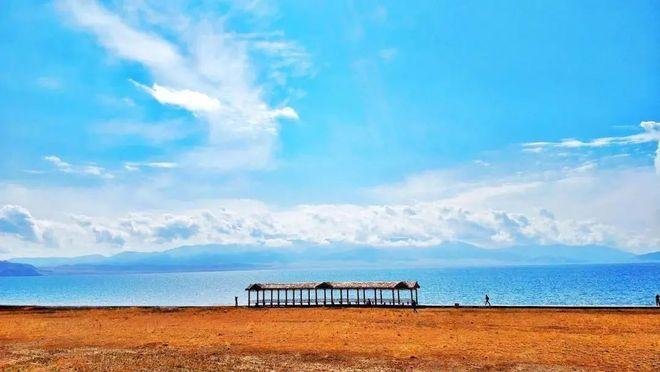
The beavers of Xinjiang are creatures of moving water and soft banks. They follow the Burqin River as it gathers snowmelt from the mountains, the Habahe River to its west, and the great Irtysh that eventually runs all the way to the Arctic Ocean. A fourth system, the Ulungur, feeds the broad shallow lake of the same name where reeds grow thick enough to hide a small car.
The Burqin Beaver Reserve
The core of their world is the Burqin Beaver National Nature Reserve, set aside in 1980 and still the best place to understand the species. It sits roughly 50 km north of Burqin town, a low landscape of poplar, willow, and reed where the river braids into channels. I paid the ¥100 entry at the gate and was handed a printed map with three marked viewing points, each a short walk from a parking pullout.
Beyond the reserve, scattered families occupy quieter stretches of the Habahe and the upper Irtysh. These are not fenced zoos. They are working rivers where herders still graze sheep and where a careful driver can find signs without ever approaching an animal. The connected national parks and nature reserves of the region form a loose safety net that keeps these corridors intact.
The Habahe system is the quiet cousin of the Burqin, a slower river where I saw fewer lodges but larger chew piles stacked at the forest edge. The Ulungur, by contrast, is a country of open water and wind, and the beavers there build broader, lower lodges that survive the winter ice. Each system taught me something different about how the animal bends a landscape to its own needs, and none of them asked for more than a careful eye and a slow engine.
Best Season and Time of Day
Timing is everything with beavers, and the calendar matters as much as the clock. I visited in July and found the long northern twilight perfect, but the locals I met preferred September, when the poplars turn gold and the mosquitoes finally retreat. Spring runoff in May swells the rivers and pushes the animals into deeper cover, while deep January cold locks the water under ice and the beavers simply sleep through it in their lodges.
Within any season, the animals keep a strict rhythm. They are crepuscular, which is a polite way of saying they hate the sun. The first real movement begins about forty minutes before sunset, when a flat tail slap on water can echo across a still channel. A second, quieter window opens just before dawn, though I found the evening show far more reliable during my drive.
Bring warm layers even in summer. At 48 degrees north the temperature drops fast once the light goes, and the best sightings happen when you have already been standing still for an hour. Patience is the only gear that cannot be bought at a roadside shop.
The wind direction also decides your evening. On the open Ulungur shore a north breeze carried my scent away from the bank and the animals fed in the open, while a still night in the Burqin reserve meant I had to retreat behind a screen of reeds. I began checking the forecast each afternoon the way a sailor might, because the same animal that ignores a calm dusk will vanish at the first wrong gust.
A Self-Drive Loop to the Beaver Country
The freedom of a car is what makes this trip possible at all. I built a loose loop that began in Urumqi and ran 630 km north on good highway to Burqin, a drive of roughly nine hours broken by a night in Karamay. From Burqin the road to the reserve is paved and signed, and the final 50 km took me less than an hour with stops.
Day by day on the northern loop
My first night I slept in a Burqin guesthouse for ¥180 and ate grilled river fish at the night market along the riverbank. The next morning I fueled up, since the last reliable petrol station sits at the town edge, and rolled north toward the reserve with a full tank and empty expectations. By midafternoon I had parked at the first viewing pullout and simply waited.
From Burqin you can extend west to Habahe, 58 km on the S227, and from there push to the Irtysh bank where the river runs wide and grey. I added a third day looping back through the Ulungur Lake shore, a 110 km round trip of flat empty road where cranes lifted off the reeds in slow sweeps. The whole circuit cost me about ¥400 in fuel and gave me three different river systems in as many days.
A 4×4 is not required, though I was glad for higher clearance on the occasional washboard track near the smaller tributaries. Drive slow on the approach roads. Beavers hear a passing engine long before you see the water, and a careless approach empties a channel for the rest of the evening.
Reading the Signs: Lodges, Chew Marks, Dams
You will rarely see the animal before you see its work, and learning to read that work is half the pleasure. The first sign is the lodge, a low mound of mud and sticks rising from the water with a single submerged entrance. I counted four lodges on my first evening, each about the size of a garden shed and almost perfectly camouflaged against the far reeds.
Chew marks and the shape of a tooth
Walk the soft bank and you will find the calling card: willow and poplar stems cut at a clean forty-five degree angle, the wood pale and fresh where the teeth passed. Beavers leave a pattern no other animal makes, and a stem chewed that morning smells of green sap. I once knelt to photograph a cut willow and heard the soft crack of another falling just out of sight.
Then there are the dams. Where a creek runs shallow the beavers build a wall of woven branches packed with mud, raising the water a meter or two to deepen their lodge moat. The dams are not always obvious from the road, but a pair of binoculars reveals the gentle step in the water surface. Each structure is a small engineering feat and a quiet argument for why this animal deserves its protected status.
Footprints tell the last part of the story. On wet mud you will see webbed hind prints the size of a child’s palm, dragged into a tail furrow. I learned to scan the shorelines at low light, when the prints still glistened from the last visit and the story of the night was written plainly on the ground.
One sign surprised me most. Beavers build low scent mounds of mud along their territory, and scraping these with their tails leaves a musky mark that signals ownership to rivals. I found two such mounds on a bend of the Habahe and recognized them only because a ranger had described the smell first. These small rituals turned a quiet walk into a lesson in how a shy animal defends a home without ever being seen.
Ethics and Photography Distance
Finding the beavers is easy compared to the discipline of leaving them alone. These animals are shy and easily stressed, and a startled family may abandon a lodge it took a season to build. I kept my distance at every sighting, using a 400mm lens from at least eighty meters and never stepping off the marked path toward the water.
A few rules I keep on every trip
Stay downwind and stay low, because a beaver reads silhouette and scent long before it hears you. Turn off your phone light and your headlamps near the bank, since bright beams scatter the animals for the rest of the night. Never bait, never call, and never wade into the channel to get a cleaner frame, because the cost of that photograph is paid by the animal.
The rangers reminded me that the reserve exists for the beavers first and visitors second. I signed the logbook, followed the marked loops, and left each pullout exactly as I found it. Good behavior here is not just politeness. It is the reason the population has held steady while so many others have vanished from China’s rivers.
Local guesthouses now train their drivers to point visitors at the right pullouts without crowding the water, and I tipped mine an extra ¥50 for knowing exactly where the family fed. Small economics like this keep conservation practical for the people who live alongside the beavers year round, and a respectful traveler quickly becomes a welcome one in these quiet towns.
Pairing the Trip with Other Wildlife
The Altai beavers are the headline, but they share their country with harder quarry. A few hours south, the high Pamir and Tianshan hold the snow leopards of the Pamir and Tianshan, ghosts of the ridgelines that demand far more patience and a much longer drive. I treated the two as bookends of one journey, the river engineer in the north and the mountain hunter in the south.
For travelers who want a broader plan, the region’s wildlife-watching hubs connect neatly by road, and the wetland birdwatching routes around Ulungur and Sayram Lake make a natural extension of the beaver loop. On my last morning I traded the riverside for open steppe and counted nineteen species of waterfowl before breakfast.
If the open basins appeal more than the mountains, the Junggar holds the Przewalski’s wild horses, a different kind of survivor roaming free where the beavers would never go. I drove south for two days to meet them and felt the contrast sharply: one animal shapes the water, the other the grass, and both are reasons this corner of China rewards a traveler willing to steer off the famous routes.
By the time I pointed the car back toward Urumqi I had logged just over 1,500 km and seen exactly two beavers, both at a distance, both unhurried. That scarcity is the point. The Altai gives its best secrets only to those who arrive slowly, listen hard, and leave the river exactly as they found it.