
Walking on Ice: A Driver’s Guide to Xinjiang’s Accessible Glaciers
I had seen glaciers from a distance a dozen times before I finally stood on one. It was the Muztagh Ata area on the Pamir, and what surprised me was not the ice but how ordinary the approach felt: a rough track, a short walk, and suddenly blue seracs under my boots and a cold wind that smelled like a freezer. Xinjiang has more walkable glacier margins than most travelers realize, if you know which ones let you get close without a rope, a permit, or a guide who overcharges you at the gate.
What “walking on a glacier” really means here
None of these are guided ice climbs. What you can do is drive to a trailhead, hike across moraine and snowfield, and stand at the snout or on the lower tongue. That is plenty. The ice itself is unstable and crevassed higher up, so the realistic goal is the margin, not the summit, and anyone promising you a casual stroll to the top is selling something. I learned this the hard way when a local guide waved me back from a section that looked solid but rang hollow underfoot, a sound you do not forget.
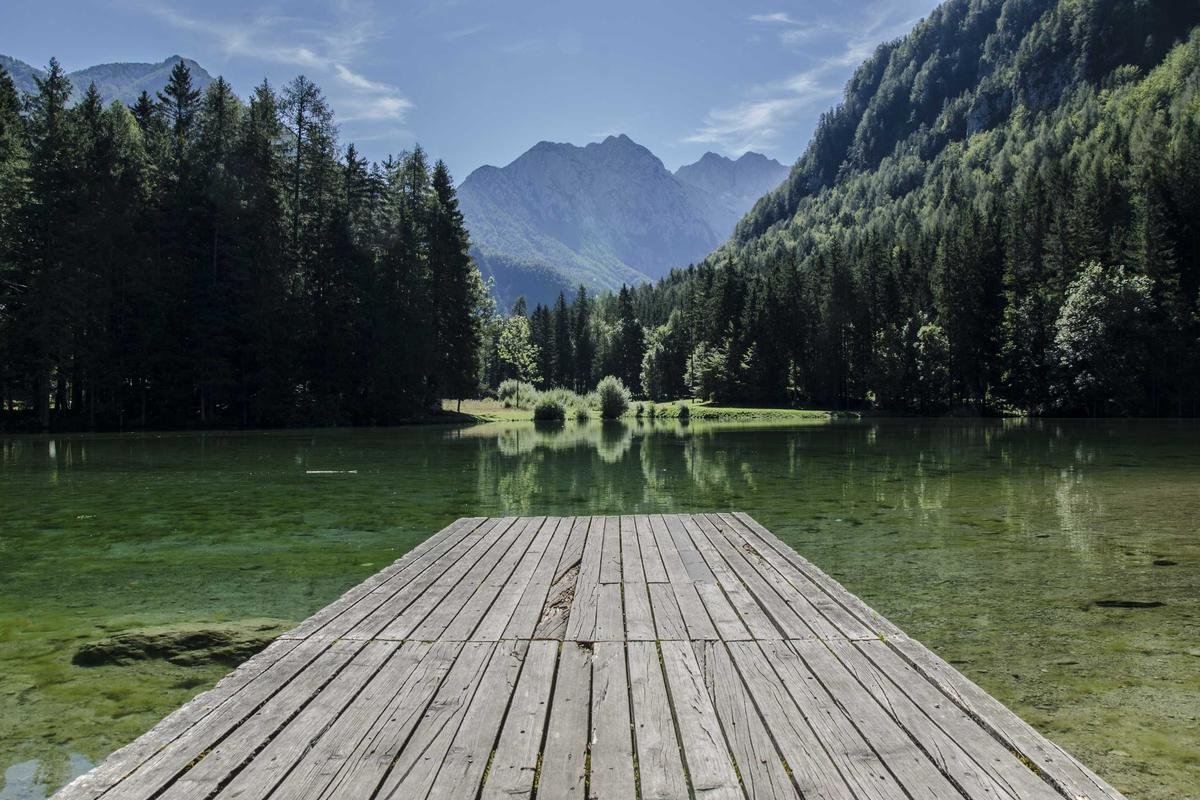
For the classic Pamir experience, Muztagh Ata and the nearby Karakul Lake are the anchors. From the Karakul shore you can see the glacier spilling off the mountain, and a local can point you to the walkable lower section without you needing a permit or a rope. The lake itself, a cold blue mirror at 3,600 m, is worth the detour even if you never touch ice.
Oytag: the easiest glacier morning
Closer to Kashgar, the Oytag glacier makes a good half-day. The road from Upal is paved most of the way, and the walk to the ice is modest, a few hundred metres of moraine that a reasonably fit person handles easily. I went in September; the morning light on the ice was worth the early start, and I had the place nearly to myself by 9 a.m. A few yaks grazed nearby and a family sold warm milk tea from a thermos, which is the kind of detail that makes a cold morning tolerable and turns a photo stop into a memory.
Gear you will actually use
Standard hiking boots with decent tread, not fashion sneakers. The moraine is loose, rounded rock that rolls underfoot and twists ankles if you are looking at the view instead of your feet. Bring trekking poles if you have them, a wind layer even in summer (glacier wind is cold and cuts through a t-shirt), sunglasses (snow glare burns your eyes in an hour), and more water than feels necessary because the dry air dehydrates you fast and there is nowhere to refill at the ice.
Crampons are overkill for the margin walk but useful if you go higher onto firm snow. I carry a light pair and have used them exactly once, on a frozen snowfield above Oytag where the surface had turned to ball bearings without them. A small daypack with food, a headlamp (in case cloud rolls in), and a power bank rounds out the kit, because your phone will be dead from photos before you are back at the car.
Altitude is the real limit
This is high altitude. The Pamir glaciers sit above 3,600 m, and Oytag is not far behind. If you are coming straight from the plains, read the altitude prevention guide first; a careless first day ruins the whole week, and the headache you ignore at noon becomes a miserable night. I spent two nights in Kashgar (1,300 m) before driving up, and even then I moved slowly on the ice and turned back when my breathing got ragged.
Drive-and-hike combinations
Pair Oytag with a Kashgar base and the drive-plus-transit approach if you would rather not take the rough Pamir road yourself, which is a fair call given the condition of some stretches. For the bigger Pamir ice, the southern Xinjiang routes feed you down to the plateau, though that is a multi-day commitment with border-region paperwork and a lot of empty road.
For a broader list of walks, the top 10 Xinjiang hiking trails includes a couple of glacier-adjacent routes worth a look if you want to build a full hiking week around ice and alpine meadows. I pulled two of my best campsites from that list and was not disappointed.
Safety and respect
Glaciers are alive. The margin calves, melts and shifts week to week. Stay off obviously blue, cracked ice; listen for the rifle-crack of moving seracs and keep your distance, because a collapse throws ice the size of a car. Do not litter, and do not carve names, because this is also a locally sacred landscape in places and the respect cuts both ways. A local family I met had lost a goat to a sudden meltwater channel, so they treat the ice with a mix of affection and caution I now copy.
When to go
The walkable margins are far easier in the warm months (June to September) when the approach roads are clear and the snow bridge to the ice is stable. Winter closes most access and adds a layer of danger few casual visitors should attempt. If you want a longer trip built around ice and snow, the winter Xinjiang guide covers the cold-season version, though I would save the glacier margin for summer and leave the deep-ice stuff to people with ropes and insurance. My rule: pick one glacier, give it a full morning, and do not try to bag three in a day. The slow version is the one you remember, and the photos are better when you are not out of breath.
Which glacier for which traveler
Oytag is the beginner pick: short walk, paved access, a village nearby for food. Muztagh Ata and the Pamir margins are for the fitter and the more altitude-acclimated, with longer drives and colder nights. I send first-timers to Oytag and save the Pamir for a second trip when the body knows the altitude. The altitude health guide is the same for both, but the consequences of ignoring it scale with how far you are from help.
Photographing ice without killing your gear
Cold drains batteries; keep one in an inside pocket and swap often. Condensation forms when you bring a cold camera into a warm yurt, so seal it in a bag for twenty minutes before opening. I learned this after fogging a lens permanently on a cheap zoom. The golden-hour guide applies doubly on ice, where the low sun turns the seracs gold for about twenty minutes at each end of the day, and you will miss it if you are still eating breakfast.
Guides, permits and money
The margin walks need no permit, but a local guide at the trailhead costs 100-200 yuan and is worth it for the safer route and the stories. Agree the price before you start; I once ended up paying double because I nodded at the wrong moment. The budget breakdown helps you fold this into the day; it is a small line item next to the fuel to get there, which is the real cost of any Pamir excursion.
Pairing glaciers with nearby sights
Oytag sits on the way to the Pamir, so combine it with Karakul Lake and a night in a Pamir homestay for a logical two-day arc. The transit combo guide covers doing it without your own car if the mountain road daunts you. I did it both ways; the self-drive lets you stop at the unmarked viewpoints the bus blows past, which are often better than the signed ones.
Leave it better than you found it
The margins see more visitors every year, and the ice shows it. Carry out every wrapper, and do not stack rocks or build cairns that confuse the next person’s route. The first-timer mistakes guide lists a dozen small errors; leaving trash on a glacier is the one I notice most, and the easiest to avoid. A clean ice field is its own reward, and the locals who treat it as sacred notice when you treat it that way too.
A gentler option for uncertain weather
If the forecast is rotten, skip the high Pamir and do Oytag, which sits lower and clears faster. I have stood in sun at Oytag while Muztagh stayed buried in cloud, and the photos were better for it. The Oytag guide is the lower-risk pick, and on a short trip it is the one I would not skip. The weather guide helps you call it; a bad-air day in the high Pamir is a wasted drive, and Oytag saves the morning.
What to do if the weather turns
Glacier margins get dangerous in fresh snow or rain, when the moraine slicks and the ice hides crevasses under white. Turn back if the light goes flat and the path vanishes; the ice will wait. The bad-weather guide applies on foot too. I once pushed through a sleet band and slid ten metres on a slope I could not see; a local pulled me up and told me, kindly, that the mountain was not going anywhere, and he was right.
Pair the ice with a hot spring
After a cold morning on the ice, a soak is the perfect close. The hot-springs guide lists options within reach of the Pamir and the northern glaciers alike. I route my glacier days to end near a spring and call it recovery; the contrast between frozen fingers and hot mineral water is the kind of luxury you earn with the climb, and it loosens the muscles the descent tightened.
An hour-by-hour glacier morning
Here is how my best glacier morning actually ran. 6:30 a.m., leave the Kashgar hotel while the city sleeps; 9:00 reach Oytag and pay the small entry; 9:30 start the walk as the light goes gold on the ice; 10:00 stand at the margin, camera down, just listening to the meltwater; 11:00 a local shares milk tea and points to a safer ledge; 12:30 back at the car before the tour buses from Upal arrive. The wildlife photography guide covers the same patience for animals, and the lesson transfers: arrive before the crowd, leave before the heat, and the ice is yours. I have repeated this template on three glaciers and it has not failed once, because the mountain keeps its side of the bargain if you keep yours.
A near-miss that changed how I approach ice
On Muztagh I once followed a “shortcut” a fellow traveler swore by, cutting across a snowfield toward the ice instead of the worn path. Thirty metres in, the surface rang hollow and my boot punched through to the knee; I pulled out, heart hammering, and backed out on hands and knees. The margin was thinner than it looked, and the confidence was mine, not the mountain’s. I now treat any blue, echoing ice as off-limits and stay on the dull, solid margins the locals use. The altitude guide and the altitude prevention guide cover the body; this is about the ice itself, which owes you nothing and asks only that you respect the line between a photo and a rescue. That day cost me nothing but pride, and I count it as the cheapest lesson the Pamir ever gave me, one I would rather have learned standing still than sliding.