
Fishing Xinjiang’s Lakes: A Self-Drive Angler’s Route to Bosten, Ebinur and the North
The carp that fed the camp
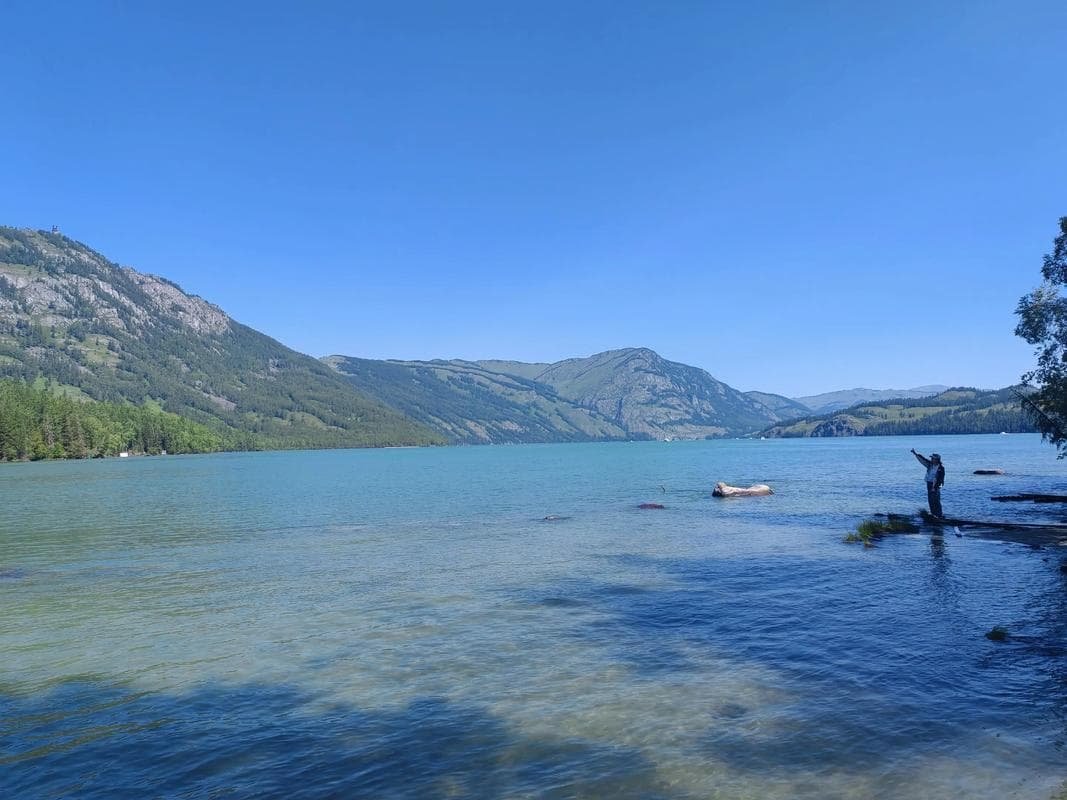
I had fished a dozen countries before I expected much from Xinjiang, and then I stood on the shore of Bosten Lake with a local who handed me a fried carp the size of my forearm and said, “from this water, this morning.” The biggest inland freshwater lake in China, fed by the Kaidu River, holds carp, bream and a local white fish that the lakeside restaurants build a menu around. That single lunch rewrote my plan: I added a rod to the car and chased water for the rest of the trip. Xinjiang, it turns out, is an angler’s sleeper hit.
The waters worth the drive
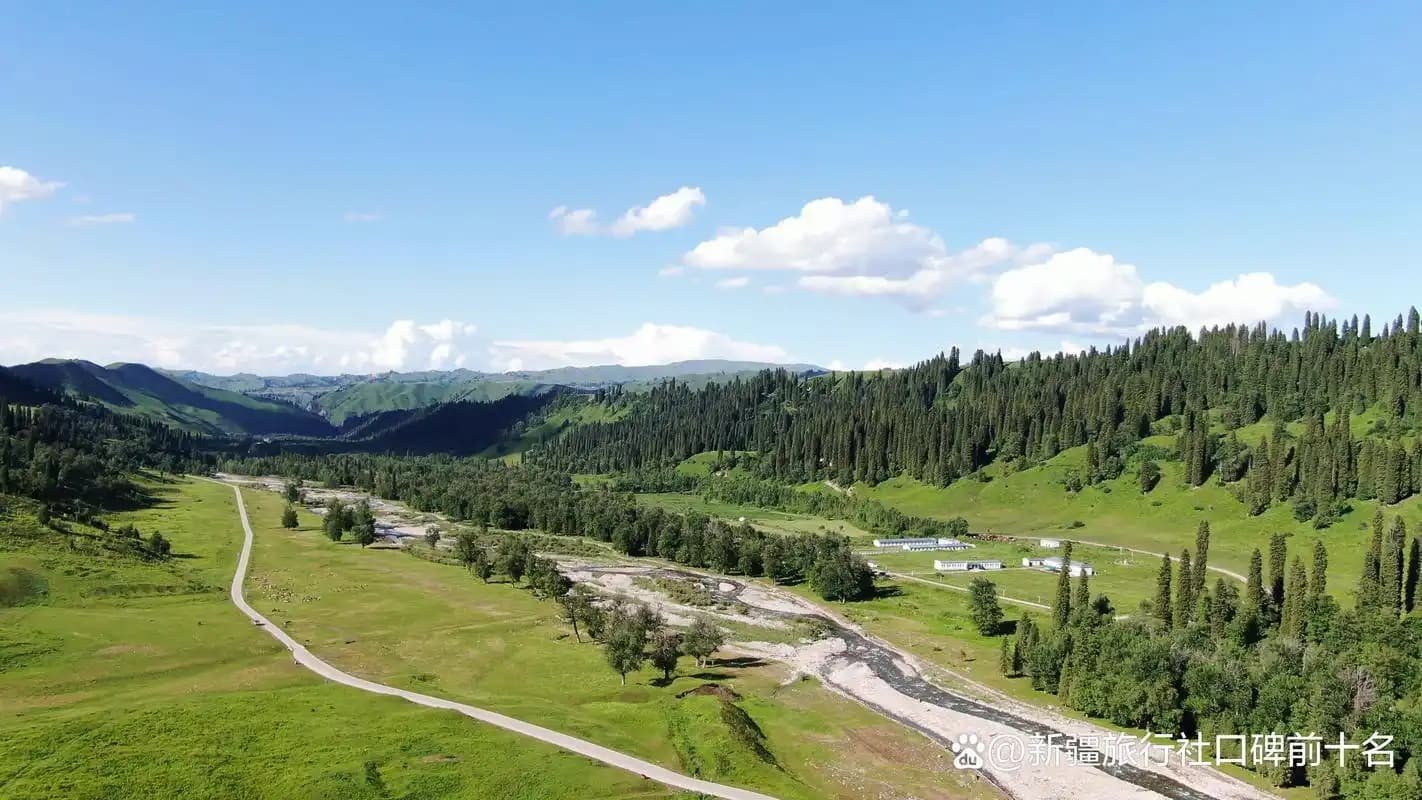
Bosten, near Korla, is the headline, a reed-fringed lake with healthy carp and a long fishing culture; the Bosten guide covers the loop. The Ili valley rivers, the Ili and its tributaries, hold pike and asp for the fly and lure crowd, and the cold mountain streams off the Tian Shan hold grayling if you know the spot. Sayram and Kanas are beautiful but protected, and fishing there is off the table, a rule I respect. The Korla guide is the base for Bosten; the Yining guide is the base for the Ili.
Licenses and the law
China requires a fishing license in most managed waters, and some lakes set open and closed seasons around the spring spawn. For a foreign visitor the practical move is to ask at the lakeside town or a tackle shop, and to fish the designated areas rather than the scenic core. I have never been checked hard at Bosten, but the signage exists and the polite path is to obey it. The first-timer FAQ habit, ask first, applies to water as much as walls. Protected reserves like Sayram are simply no-fishing, full stop, and the wardens mean it.
Gear for wind and distance
Xinjiang wind is the angler’s enemy and the reason a light travel rod fails. I carry a medium-power spinning rod that handles a 10 to 20 g lure and a 2.5 m leader, because the gusts want to lift a light rig into the next county. A small tackle box of spoons, soft plastics and a few boilies covers carp and predator alike. The packing list for a long stay should make room for it; a rod breaks down to a tube and rides the roof easily. The essentials guide is written for cars, but the roof-box logic carries the gear.
Best seasons
Spring through autumn is the window. April and May are the pre-spawn feeding, good but some waters close; June to September is open and warm, the carp cruise the reeds; October is my favorite, cool, empty, and the fish feed before winter. Winter brings ice fishing on the frozen northern lakes, a whole different sport with huts and augers, covered loosely in the snow and ice guide. The weather guide tells you which month is fishable and which is a freezer.
A self-drive fishing loop
My standard Bosten day: leave Korla at 7 a.m., reach the lake’s eastern shore by 8, fish the reeds till noon, eat the catch at a lakeside place that will cook your fish for a few yuan, and drive back at golden hour. The DIY planner strings it together; the budget guide barely notices the cost. For the Ili, I base in Yining and run the river valleys north, a longer loop with guesthouses along the way. Either way the car turns a fishing trip into a road trip, and the rod is the excuse.
Catch, cook, or release
The local white fish and carp are genuinely good, and a lakeside restaurant will fry your catch for a small fee, the best meal of the trip for the price of a lure. In protected or spawning waters I release everything, and I release any fish I will not eat, because the point is the water, not the cooler. The food-culture guide explains why the local fish matters here; the etiquette is to take only what you will eat and to leave the scenic lakes to the camera.
Ethics on the bank
Pack out every line, every wrapper, every broken rig. The reed beds at Bosten are fragile and the wardens are few, so the angler is the steward. I carry a small trash bag and leave the spot cleaner than I found it, the same rule as the grassland boardwalks and the wildlife sites. A fished-out, littered lake is a lost lake, and Xinjiang’s waters are too good to waste on carelessness.
What I wish I had known
Bring a net, the carp are slipperier than they look; carry water, the shore has none; and ask the old men on the bank, they know the hot spot and will tell you for the price of a cigarette. The Urumqi guide is where I bought my tackle; the lakes are where I learned. Xinjiang surprised me with its fishing, and a road trip is the perfect way to find out, rod on the roof, reeds in the wind, a carp on the line.
Ebinur Lake: the briny birding edge
Out near the Kazakhstan border, Ebinur is a shallow salt lake that fills with flamingos and shorebirds in spring, and although its fishing is limited by the salinity, it is worth a self-driver’s detour for the spectacle and the stark shore. I pair it with the Ebinur birding guide and treat the lake as a watch, not a catch, because the briny water holds little to land a rod on. The wind off Ebinur is the hardest I have felt in Xinjiang, so I clip the gear and keep the camera low, and I time the visit for May when the flocks are in. It is a different kind of water trip, the kind where the binoculars do the work and the rod stays in the tube, and the contrast with Bosten’s carp is the whole point of traveling the region’s lakes.
Why Sayram and Kanas stay off-limits
It pains an angler, but the two most beautiful lakes in the north, Sayram and Kanas, are protected scenic reserves where fishing is simply forbidden, and the wardens mean it. I have stood on Sayram’s shore with the rod in the car and not once been tempted to risk it, because the penalty and the harm both outweigh the catch. The rule protects the very clarity that makes the lakes worth the drive, and a released fish in a protected lake is a fine waiting to happen. I point visitors to Bosten and the Ili instead, where the fishing is real and the wardens are reasonable, and I keep the famous blue lakes for the camera and the memory.
Winter ice fishing on the northern lakes
When the cold settles, the fishing does not stop, it moves under the ice. The frozen northern lakes, Bosten among them, draw locals with augers, huts and thermoses for a few months of ice fishing that is as much about the fire as the fish. I have joined a group for an afternoon, drilled a hole, dropped a line through two feet of ice, and caught nothing worth keeping, and it was still one of the better days of the trip. The snow and ice guide covers the season; for anglers the frozen lake is the bonus. Dress for minus twenty, ask before you walk onto unfamiliar ice, and treat the hut invitation as the real catch, because a stranger’s warm tea on a frozen lake is the Xinjiang greeting at its best.
A second loop: the north Xinjiang water chain
Beyond Bosten, a longer northern loop strings the fishable waters together. I base in Urumqi, run north to the Ili valley for the river pike, swing east to Bosten for the carp, and loop back through the Tian Shan streams for grayling, a week of water with a different fish at each stop. The DIY planner strings it; the best-time guide tells you which month is open. I keep the drives short, the tanks full, and the cooler empty unless I will eat the fish, because the loop is the point, not the bag. A road trip turns a fishing hobby into a geography lesson, and Xinjiang’s water chain is a good one to study.
Boat fishing and local guides
On Bosten, the easy upgrade is a boat. Lakeside operators run small skiffs to the reed edges where the carp cruise, and a local at the oars knows the hot spot the shore angler never reaches. I have paid a few hundred yuan for a half morning and come back with two fish and a better story than the bank ever gave me. The Korla guide is where I find the operator; the first-timer FAQ habit, ask first, applies to the boat as to the bank. Agree the price and the catch policy before the engine starts, and tip the oarsman, because the spot he shares is the one he kept quiet from the crowd.
A gear checklist for the angler
For the record, here is what rides the roof: a medium-power spinning rod that breaks into a tube, a small box of spoons and soft plastics, a 2.5 m leader, a landing net, a filet knife for the catch you will eat, and a trash bag for the bank. The packing list makes room; the essentials guide carries the rest of the car kit. I keep the rod in a hard tube against the roof-box lid and the tackle in the door pocket, because a broken tip in the Gobi is a trip without a fish. Pack it once, dial it in, and the next lake is a pull-off, not a project.
Shore etiquette and the size of the catch
A few habits keep the bank friendly. I release the small ones, the carp under a kilo and the grayling barely legal, because the lake is better with them in it, and the locals who fish the same shore daily notice and appreciate the restraint. I keep the bank cleaner than I found it, pack the line and the hooks, and I do not string a catch across the front of a scenic pullout where a family is trying to enjoy the view. The wildlife guide shares the same leave-no-trace rule; the angler is just the version with a rod. A polite fisherman is welcome at every lake in Xinjiang, and the welcome is the real catch, because the carp will be there next season and the invitation might not. A quiet bank and a released fish are the marks of someone who will be welcome back, season after season.
Fishing Xinjiang is not the headline reason to come, but for an angler it is the bonus that turns a good trip into a great one. Respect the seasons, pack the wind gear, and the lakes will feed you.