
Wings of the Grasslands: Butterfly Watching in Xinjiang’s Alpine Meadows
The Cold Mountains Where the Apollo Flies
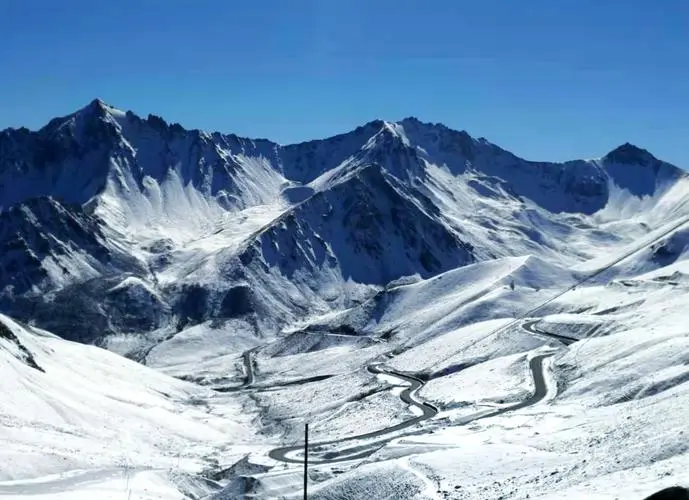
The first apollo I ever saw was not in a book. It was at 3,800 metres on the Pamir, west of Taxkorgan, where the road from Kashgar climbs past the stone houses of the Tajik herders and the wind never quite stops. I had pulled the car off the G314 at a bend where a shallow stream cut across a meadow of cushion plants, and there it was, a pale creature the size of my palm, drifting between the saxifrage like something that had no business being so far up. That was a Parnassius, the snow apollo, and it set the tone for every other butterfly trip I have made in Xinjiang since.
Xinjiang is a strange place to go looking for insects if you only know it from the desert postcards. Most of the province is dry, yes, but its mountains hold some of the richest cold-climate lepidoptera assemblages on the continent. The reason is elevation and isolation. The Pamir, the Tianshan and the Ili valley sit at the meeting point of several biogeographic zones, and each range has its own narrow band of flowering ground where butterflies concentrate for a few short weeks a year.
Taxkorgan and the Pamir Plateaus
I base most of my Pamir butterfly days out of Taxkorgan, the small Tajik county town at about 3,100 metres on the Karakoram Highway. From there the plateau opens to the south and west, and the best flying happens between late May and early July, depending on how late the snow melted. The apollos are the headline act. Parnassius apollo and its relatives crawl out of hibernation as soon as the snow line retreats above 3,500 metres, and they fly low and slow, which makes them forgiving subjects for a camera.
What surprised me most was the density. On a good morning above the Qiaogeli pasture, maybe 40 km west of town, I counted eleven apollos in a single hour without leaving a 200-metre stretch of meadow. They favour south-facing slopes where the ground warms quickly, and they are almost always within a metre of the ground. You do not need to chase them. You sit, the sun comes round, and they come to you.
The Pamir also throws up a few cold-specialist companions. The small piedmont ringlets and the odd blue will share the same slope, and on the higher gravel flats above 4,200 metres I have found the tiny Parnassius species that most field guides treat as a prize. None of them move fast, which is a mercy at that altitude when every step costs you. Bring water and go slow, because the thin air will flatten you faster than any butterfly.
The Ili Meadows and Their Fritillaries
Drop down from the Pamir to the Ili valley in the far northwest and the whole insect world changes. The Ili is wetter, greener, and lower, with meadows that run from about 1,200 metres up to the subalpine belt near 2,400 metres. This is fritillary country. The pearlshells and the dark green fritillaries, Speyeria and Argynnis species, pour out of the grass in June, and the small blues, those tiny electric blue things, flicker over every clover patch.
Kuerdening and the Wet Mountain Valleys
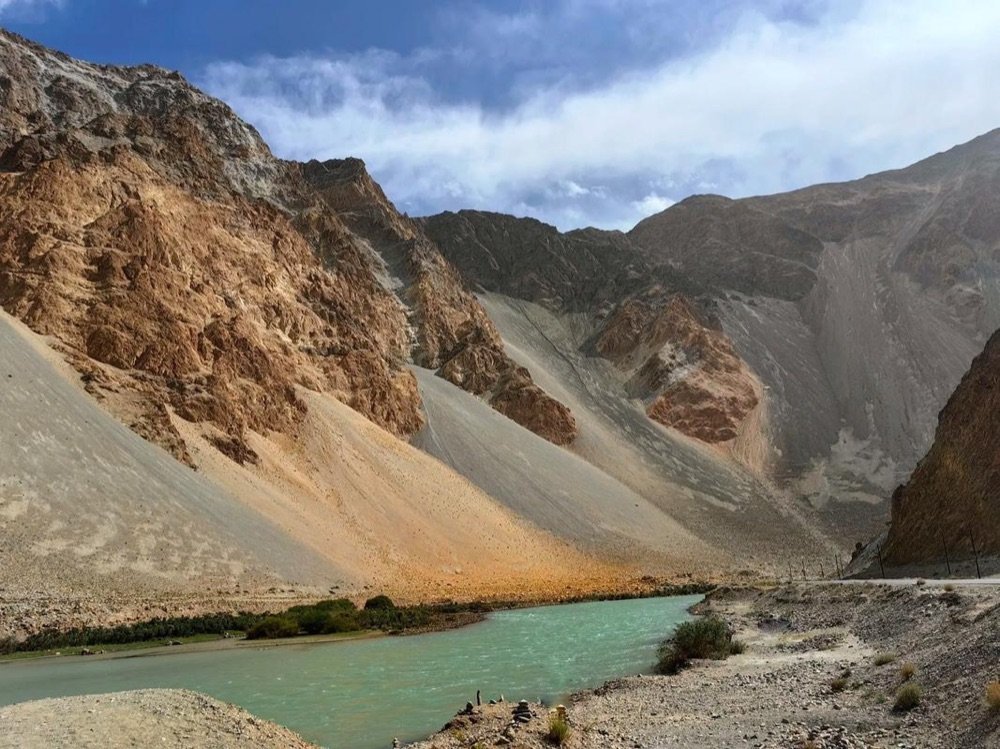
My favourite Ili base is Kuerdening, the forested reserve in the western Tianshan about 150 km east of Yining. The road in climbs steadily from the valley floor at roughly 1,400 metres to the main meadow plateau near 2,000 metres, and the change in butterfly life across those 600 vertical metres is the single best lesson I know in reading a landscape by its insects. Down low you get the woodland ringlets and the occasional swallowtail drifting along the river. Higher up, where the spruce break and the grass takes over, the fritillaries take charge.
If you want a longer read on the forests and the waterfalls that feed those meadows, I wrote up the Kuerdening alpine meadows and hidden waterfalls separately. For butterflies, though, the rule is simple: park at the upper meadow car parks, walk the grassy ridges slowly, and watch the south faces. The fritillaries there are big, slow, and absurdly photogenic against the yellow buttercups.
Sayram Lake’s Blue Rim
Sayram Lake sits at about 2,070 metres, a cold blue basin ringed by flower slopes, roughly 90 km southwest of Yining. Its northern and eastern shores in particular carry a band of meadow that, in late June, turns into a runway for both fritillaries and the small mountain blues. I have spent whole afternoons there just walking the lakeside track, the water on one side and a wall of blooming legume on the other, with blues popping up every few steps.
The lake is also a good place to think about the bigger protection picture. Much of what makes these sites work is that they are, at least on paper, set aside. Our guide to Xinjiang’s national parks and nature reserves lays out which meadows and forests are officially protected, and which are not, and that distinction matters more than most travellers realise when you are deciding where to tread.
Swallowtails of the Tianshan Foothills
The swallowtails are the showboats. In the foothill belt of the Tianshan, from about 900 metres up to 1,800 metres, the Chinese peacock swallowtail and the related machaon group patrol the warmer, scrubbier ground that the fritillaries avoid. I have had the best luck along the northern Tianshan approaches near Urumqi and in the warmer side valleys of the Ili, where July heat pushes them into a second, late flush of activity.
These are fast, confident fliers, nothing like the grounded apollos. A peacock swallowtail will cruise a 30-metre circuit along a stream bank and never settle for more than a second. You learn to pre-focus on the flowers it favours, the thistles and the tall legumes, and wait. The first time I got one framed properly it was near a roadside spring at about 1,300 metres, and the iridescent tail spots looked painted on.
When the Year Opens the Windows
Timing is everything, and Xinjiang gives you a compressed season. The Pamir and the high meadows wake first, with apollos and the first blues appearing from late May as the snow pulls back above 3,000 metres. June is the peak month almost everywhere, the sweet spot when the Ili fritillaries, the Sayram blues, and the lower Tianshan swallowtails all overlap. By July the high country is at its richest, but the low foothills start to dry out and the swallowtails thin as the grass cures.
I keep a rough mental calendar now. Late May to mid June for the Pamir. Mid June to early July for Ili and Sayram. July for the high Tianshan meadows above 2,500 metres, where the season lags by a month behind the valleys. Miss those windows and you are looking at empty grass. The butterflies do not wait, and neither should you.
What to Pack and How to Behave
Gear is simple but non-negotiable. Bring a camera with a zoom lens in the 100 to 400 mm range; the 400 end lets you fill the frame on a nervous swallowtail without standing on its flower. A small pair of close-focusing binoculars helps you scan a slope before you walk it. Wear dull colours, long trousers for the tick country, and sturdy shoes because the best meadows are usually a kilometre or two of rough walking from where you can park.
The net question comes up with every beginner I meet. My rule, and the one I wish more travellers followed, is observe, do not collect. Xinjiang’s mountain meadows are fragile and most of the star species are poorly monitored; a net in a tourist’s hand almost always means a dead insect pinned in a hotel room. Photograph instead. If you want a specimen-level look, get close with the lens and let the thing fly. The wildlife safety and encounters guide covers the wider etiquette for sharing these spaces with the animals that actually live there, and most of it applies to the small winged ones too.
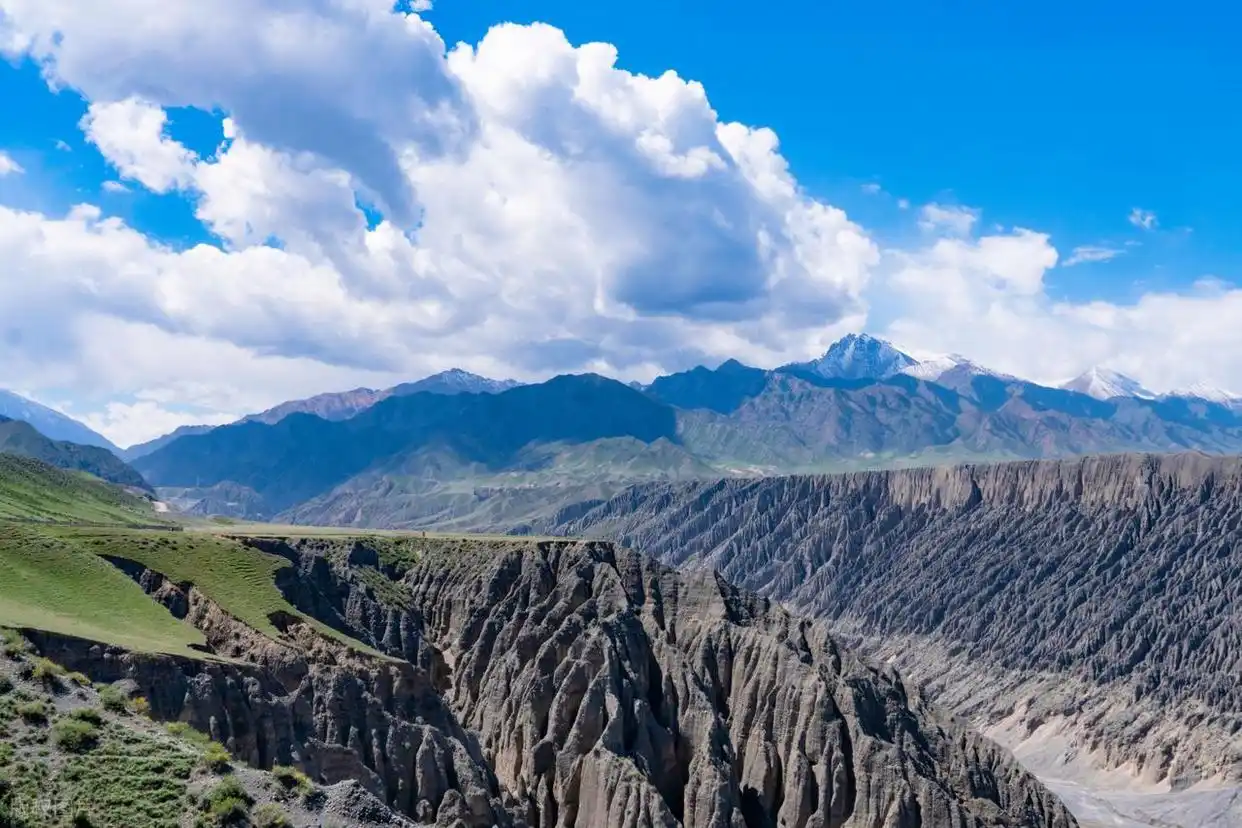
One more thing about behaviour. Stay on the grass, not the flowers. Butterfly meadows survive because the turf stays intact; trampling the blooming mats kills next year’s food plants along with this year’s nectar. Walk the ridges, watch your step, and leave the meadow looking exactly as you found it.
Pairing Butterflies With the Wildflower Blooms
The secret to a good trip is that you are never really chasing butterflies. You are chasing the flowers they need, and if you time the blooms you get the insects for free. The alpine meadows of Xinjiang run on a tight snowmelt clock, and the alpine wildflower bloom guide is the map I use to predict where the nectar will be thickest, week by week, from the Pamir to the Ili.
What I have learned is that the fritillaries and the blues track the peak bloom within a few days. When the buttercups and the valerian open, the butterflies are already there. When the grass goes to seed, they are gone. So I plan each loop around a flower window, and the butterflies are the bonus that makes the long drives worth it. If you are into the wider animal picture, the same meadows that hold the fritillaries also hold the birds, and our birdwatching wetlands and steppe guide will point you at the lakes where you can pair the two hunts in a single morning.
A Self-Drive Loop That Hits Them All
If you have two weeks and a rented 4×4, here is the loop I keep recommending. Fly into Kashgar, drive the G314 south to Taxkorgan for three days of Pamir apollo hunting around 3,500 to 4,000 metres in late May. Then double back north and fly or drive to Yining, base yourself for four days across Kuerdening and Sayram Lake between 1,400 and 2,400 metres in mid June. Finish with a week in the northern Tianshan foothills near Urumqi and the warmer Ili side valleys at 900 to 1,800 metres in early July for the swallowtails.
That route is about 1,800 km of driving spread over the season, and it lines up the three great butterfly zones with their best months almost perfectly. The roads are paved and the distances are long but easy, and every night you are within reach of a town with a hot shower and a noodle stall. I have run it three times now, and the only thing that changes year to year is the snow, which pushes the whole calendar a week earlier or later.
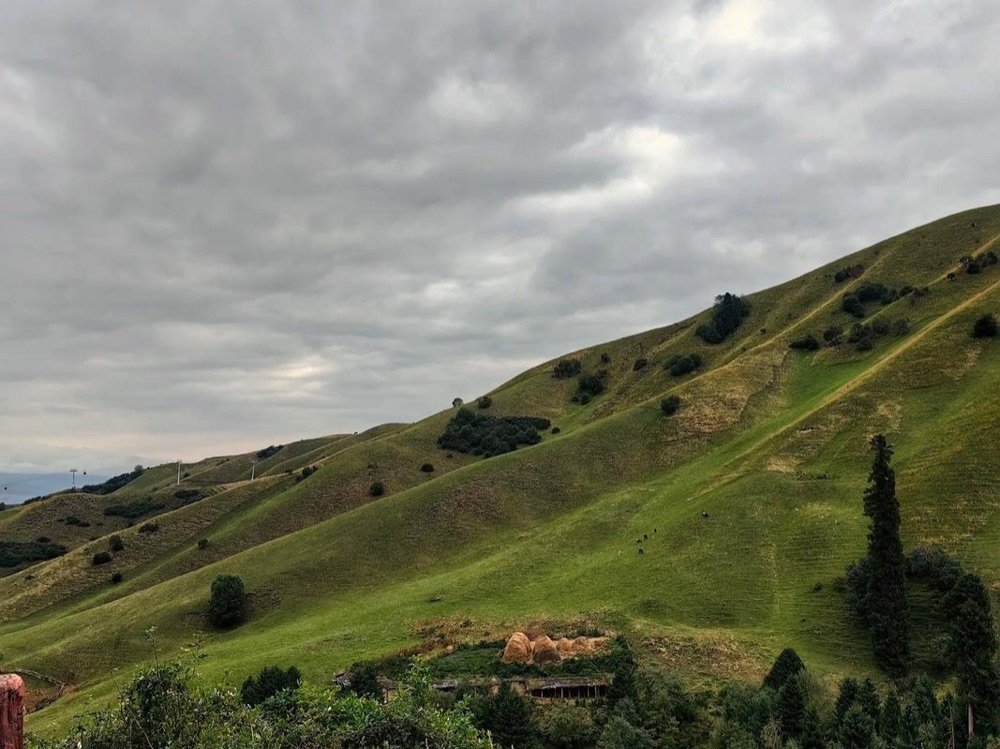
The thing I tell every first-timer is that Xinjiang rewards patience more than mileage. You can drive past the best meadow in the province at 80 km/h and see nothing. Stop, walk fifty metres into the grass, sit in the sun for twenty minutes, and the wings appear. The mountains here are quiet, cold, and absurdly full of life if you slow down enough to notice it.