
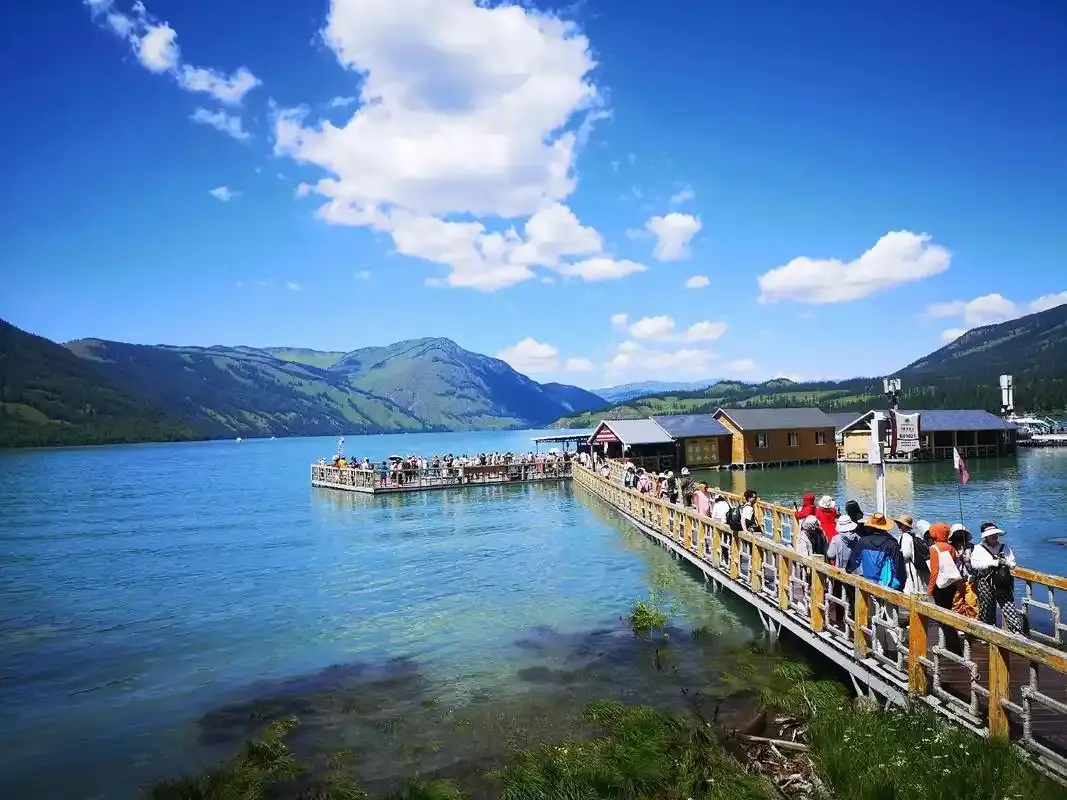
2026 Xinjiang Independent Travel Guide
Why 2026 Is an Ideal Year for Independent Travel in Xinjiang
Xinjiang accounts for approximately one-sixth of China’s total land area. From glacial lakes in the Altai Mountains and the Taklamakan Desert Highway to the Flaming Mountains of Turpan and snow-capped peaks on the Pamir Plateau, its vast landscapes feel like an entirely separate realm.
Over the past few years, Xinjiang’s travel barriers for independent foreign visitors have dropped dramatically by 2026, thanks to streamlined visa policies (visa-free entry or simplified procedures for dozens of countries), upgraded infrastructure, and mature foreign reception systems in major tourist cities. That said, smooth travel hinges on sorting out compliance paperwork and itinerary planning in advance—rather than resolving issues on-site.
This guide skips empty marketing slogans. It breaks down every critical step in logical order: entry documentation, scenic zones open to foreign visitors & areas requiring special permits, practical accommodation and transportation tips, three classic independent travel routes, and common travel pitfalls. All information is compiled from current official policies and firsthand experience of international travelers. We still recommend a final policy check before departure, as enforcement details for border control zones are subject to minor adjustments.
 Xinjiang independent travel Guide” class=”wp-image-358″ srcset=”https://www.xinjiangsolotravel.com/wp-content/uploads/2026/06/u25677138453390189590fm253app138fJPEG.webp 930w, https://www.xinjiangsolotravel.com/wp-content/uploads/2026/06/u25677138453390189590fm253app138fJPEG-300×258.webp 300w, https://www.xinjiangsolotravel.com/wp-content/uploads/2026/06/u25677138453390189590fm253app138fJPEG-768×661.webp 768w” sizes=”auto, (max-width: 930px) 100vw, 930px” />
I. Entry Documents: Eligibility to Enter China and Xinjiang
For our complete Xinjiang solo travel Guide, see our dedicated Xinjiang Solo Travel Guide with practical details on safety, costs, and planning.
1. Basic Passport & Visa Requirements
- Passport: Valid for a minimum of 6 months from your departure date, with at least 2 blank visa pages.
- Chinese Visa: Citizens of most nations must apply for a Category L Tourist Visa in advance. Prepare these supporting documents for your application: a detailed travel itinerary (listing cities and route order), round-trip flight reservations, and hotel booking confirmations. Consulates may not audit every document line-by-line, but full paperwork accelerates your interview and approval process.
2. Visa-Free & Transit Visa Policies (Valid for 2026)
As of 2026, China offers 30-day visa-free entry to citizens of over 50 countries, including France, Germany, the UK, Japan, Australia, South Korea, Malaysia, Singapore, etc. For the complete list, refer to the latest official announcements from China’s Ministry of Foreign Affairs and National Immigration Administration.
Additionally, citizens of 55 countries qualify for a 240-hour (10-day) transit visa exemption via designated ports of entry. Important note: A transit visa exemption is not a pass for unrestricted independent travel across Xinjiang. It comes with strict rules requiring onward travel to a third country, so it is not recommended for multi-day overland self-guided trips spanning northern and southern Xinjiang.
Practical Advice: If your nationality falls under the visa-free scheme, this is the simplest entry method. If not, submit your L Visa application 3–6 weeks ahead of travel; add extra buffer time for peak tourism seasons (May–October).
3. First Step After Landing
After arrival, you will complete standard procedures including health declaration, border inspection questioning, and luggage screening. We advise making two physical copies of your passport’s bio page and visa page, plus storing high-resolution digital scans on your phone. Separate your original documents and copies: leave one copy in your hotel safe and keep another in your carry-on bag.
II. Destinations Open to Foreign Visitors & Areas Requiring Extra Permits (The Most Critical Section for Xinjiang Independent Travel)
1. Core Zones Open Without Extra Border Permits ✅
You may freely self-tour the locations below with only a valid passport + tourist visa / visa-free entry status—no separate border pass or alien travel permit required.
- Urumqi: City sightseeing, Xinjiang Regional Museum, International Grand Bazaar, one-day tours to Heavenly Lake of Tianshan
- Turpan: Grape Valley, Karez Wells, Flaming Mountains, Jiaohe Ruins
- Central Kashgar: Old Town, surrounding Id Kah Mosque, night market Note: Central Kashgar is accessible freely, but travel to Tashkurgan / the Pamirs requires additional permits.
- Major scenic spots in the Ili River Valley: Standard viewing areas of Sayram Lake, downtown Yining, and select grassland sites (subject to daily on-site enforcement rules)
- Regular Altay tourist zones: Kanas Lake viewing areas, public zones of Hemu Village Note: Baihaba Village falls under border control zones; see the section below for details.
These locations form the core framework for most 10–14 day Xinjiang independent travel itineraries.
2. Border Control Zones: Additional Permits Mandatory or Restricted for Foreign Visitors ⚠️
Numerous border management zones span Xinjiang. A border control pass will be checked at inspection stations before entry, while certain sensitive areas remain closed to foreign tourists or require case-by-case official approval.
| Location | Access Status for Foreign Visitors | Detailed Notes |
|---|---|---|
| Tashkurgan Tajik Autonomous County (Including Pamir Tourist Zone, Karakul Lake, Golden Grasslands) | Border Control Pass / Alien Travel Permit Required | Apply at Exit-Entry bureaus in Kashgar or Urumqi; submit applications 1–7 days early, with longer lead times during peak travel seasons |
| Partial areas of Baihaba Village | Border permit usually required; full foreign access restricted at certain times / sites | Adhere to daily on-site management rules; do not assume free entry for photography |
| Full Bayanbulak / Hejing County Area | Highly restricted; strict pre-approval from regional foreign affairs & public security authorities, limited accommodation options | Many independent travelers encounter access barriers; alternate Ili–Kuqa routes are recommended |
| Border-adjacent stretches of Duku Highway | Subject to inspection station rules; Bayanbulak segment frequently off-limits to foreigners | Open segments (Dushanzi → Narat section) remain accessible for travel |
| Khunjerab Pass / National Border Gate | Generally closed to regular tourists | Observe from a distance; do not attempt to enter restricted premises |
| Khorgos Port | Outer commercial zones open for visits; deeper entry subject to official regulations | Follow daily posted rules at the port site |
Core Rule of Thumb: If you are unsure whether a destination requires a permit, assume it does. Carrying all necessary documents eliminates backtracking dozens of kilometers due to incomplete paperwork.
3. Permit Application Process (For Foreigners, Hong Kong, Macao & Taiwan Residents)
Per current regulations, overseas Chinese, Hong Kong, Macao, Taiwan citizens, and foreign nationals must apply for a Border Control Pass or Alien Travel Permit in person at county-level or higher Public Security Exit-Entry bureaus. Full online self-application is unavailable; travel agencies may assist with appointment booking, document sorting, and accompanying you through the formalities.
Standard required documents:
- Original passport + pages showing your visa / entry stamp
- Detailed itinerary listing all border zones you plan to visit, travel dates, and accommodation addresses
- 1–2 white-background ID photos (prepare these in advance)
- If assisted by a travel agency: an official confirmation letter of your trip itinerary can speed up verification at the service window
For the Pamir / Tashkurgan route (the most popular border trip for international tourists), the most hassle-free workflow is to complete permit applications at the Kashgar Exit-Entry bureau on your first day in the city, then depart the following morning. Never rely on obtaining permits at roadside inspection stations.
III. Accommodation: Not All Lodging Accepts Foreign Guests — But Arrangements Are Straightforward
1. Foreign Guest Reception Qualification
Xinjiang enforces strict rules for temporary accommodation registration of foreign visitors. Upon check-in, hotels must submit your information to the local police system.
- Prioritize large chain hotels, international brands, and high-star properties (easily found in Urumqi, Kashgar, Yining, Turpan). All hold official foreign reception qualifications, have familiarized staff with registration procedures, and often employ English-speaking front desk staff.
- Avoid small homestays and family-run inns unless confirmed in advance. Most lack foreign guest reception permits and may turn you away at check-in, wasting your time and money.
- Booking Platform Filter Tip: Check listing descriptions for phrases such as “accepts foreign guests.” Send a pre-booking message to confirm: “Do you accept check-ins with foreign passports?” before finalizing payment.
2. Check-In Registration Process
You only need to present your original passport at each hotel front desk. Staff will scan your documents, upload your information to the police system, and print a registration form for your signature. The full process takes just 5–10 minutes. Always keep your passport with you—inspections occur at hotels, train stations, and some scenic spot entrances across Xinjiang.
IV. Transportation & Security Checks: Efficient Ways to Travel Across Xinjiang
1. Flights & Trains as Primary Transport; Self-Driving for Advanced Travelers
The most efficient independent travel formula for Xinjiang: long-haul flights for cross-region transit + local chartered cars/shared rides for regional sightseeing + overnight soft-sleeper trains to save hotel costs.
- Inter-city long-distance routes: Regular flights connect Urumqi ↔ Kashgar, Urumqi ↔ Yining, Urumqi ↔ Altay (Kanas direction). Overnight soft-sleeper trains are a cost-effective alternative.
- Regional short trips: Charter a legally operated SUV or MPV with a local driver for travel from Kashgar to Tashkurgan, Yining to Sayram Lake/grasslands, or Burqin to Kanas. Self-rental driving is technically permitted (requires a Chinese driver’s license with certified translation), but self-drivers face repeated stops at inspection stations across border-heavy routes, which often leads to travel fatigue and delays for inexperienced visitors.
Security Screening Notes: Airports and train stations enforce stricter checks than most cities in inland China. Arrive at airports a minimum of 2 hours before departure. Restricted items to avoid packing: unregistered drones, bladed tools, flammable goods, printed religious promotional materials, and other regulated articles.
2. Mobile Connectivity, Internet & Offline Maps
- Purchase a local China Mobile or China Unicom SIM card at airport service counters; affordable data plans and stable coverage are guaranteed.
- Pre-download offline Xinjiang map packs on Amap or Baidu Maps, as mountainous border areas frequently lose cellular signal.
- Carry a small amount of Chinese RMB cash (¥50 / ¥100 denominations). Small vendors at scenic sites, rest stops, parking lots, and local herder stalls rarely accept foreign bank cards.
V. Three Verified Independent Travel Itineraries (Sorted by Difficulty Level)
All routes below prioritize fully open tourist zones with minimal border permit requirements, balancing iconic landscapes and reducing risks of delays at inspection stations.
★★☆ Beginner Route (8–10 Days): Urumqi – Turpan – Kashgar Cultural City Circuit
Trip Flow: Arrive in Urumqi → 1-day tour to Heavenly Lake → High-speed rail / overnight train to Turpan (2 full days: Flaming Mountains, Karez Wells, Jiaohe Ruins, Grape Valley) → Flight to Kashgar (3–4 days: in-depth Old Town exploration, Sunday Bazaar, Id Kah Mosque surroundings, half-day desert fringe tour) → Departure
Advantages: Minimal border control restrictions, abundant qualified accommodation, and well-developed transport hubs. Perfect for first-time independent travelers to Xinjiang.
★★★ Classic Northern Xinjiang Loop (12–14 Days): Lakes, Grasslands & Taiga Forests
Trip Flow: Urumqi → Flight / overnight train to Yining → Sayram Lake → Rest day in Yining → Narat / Tangbula Grasslands (open viewing segments only) → Return to Yining → Flight back to Urumqi or transfer to Altay → Burqin → Kanas Lake & public zones of Hemu Village → Return to Urumqi
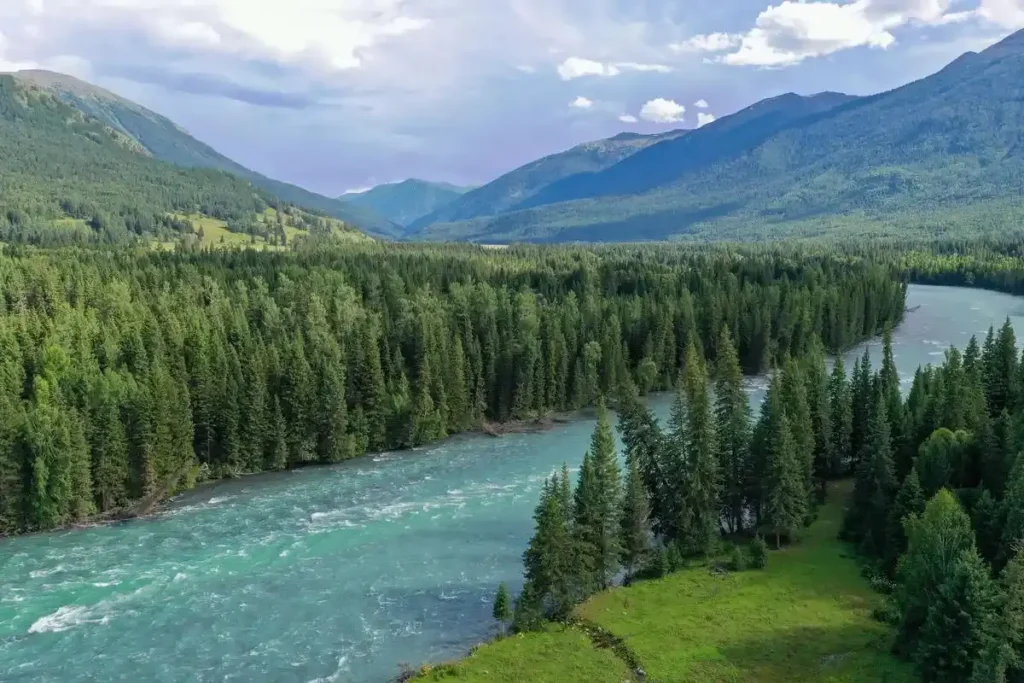
Advantages: This itinerary showcases Xinjiang’s most photogenic scenery—turquoise glacial lakes, green alpine valleys, and golden autumn taiga forests. Note that entry to restricted border sections of Baihaba Village requires an extra permit, but Kanas Lake and the main Hemu Village sightseeing zones remain accessible without one, delivering a full scenic experience.
★★★★ Advanced Cross-North & South Xinjiang Route (14–18 Days): Pamir Plateau Extension (Border Pass Required)
Trip Flow: Build upon the classic northern Xinjiang loop, then travel south from Kashgar to Karakul Lake, the Pamir Tourist Zone, and Tashkurgan County.
Prerequisite: Secure a Border Control Pass in advance in Kashgar; fully comply with all inspection station rules, avoid photographing military facilities, and stay within designated travel boundaries.
Reward: This section features Xinjiang’s most breathtaking landscapes—3,000-meter alpine ridges, lakes at the foot of glaciers, and stone-built Tajik herder villages. However, this segment requires thorough paperwork preparation; incomplete permits will block entry entirely.

VI. Local Etiquette & Safety Guidelines to Earn Warm Reception
- Photography Etiquette: Always nod and ask permission before photographing local residents (Uyghur, Tajik, Kazakh elders, women, and children). Photographing military vehicles, inspection station facilities, and sentry posts is strictly prohibited—stow your phone and pass these areas quickly.
- Dress Code: Xinjiang does not enforce conservative dress rules seen in Middle Eastern regions. However, cover shoulders and knees when visiting mosques or during prayer hours in the Old Town; carry a lightweight shawl for convenient coverage.
- Food & Religious Customs: Respect local Ramadan observance if traveling during the holy month. Consuming pork products in public markets is not illegal but considered impolite—adapt your dining choices to match local surroundings.
- Real-World Safety Context: Major tourist cities in Xinjiang maintain visible public security via regular patrols and checkpoints, with extremely low risks of street crime for visitors. The most likely travel disruptions stem from incomplete documents cutting your trip short, mountain road closures due to extreme weather, or burnout from underestimating the logistics of independent travel.
VII. Pre-Departure Checklist (Print & Tick Off Each Item)
[ ] Passport valid for ≥6 months, with ≥2 blank visa pages
[ ] Confirm visa eligibility / visa-free entry status; carry printed copies of your entry stamp page
[ ] Physical + digital copies of itinerary, round-trip flight bookings, and hotel reservations for your first three nights
[ ] Two physical passport copies + digital files saved to cloud storage and your phone
[ ] List all border zones you plan to visit; reserve 1–7 days for permit processing in Kashgar or Urumqi (do not leave this task until your final travel days)
[ ] Book only hotels with confirmed foreign guest reception credentials
[ ] Sun protection gear: SPF50+ sunscreen, wide-brim hat, UV sunglasses, lip balm (Xinjiang’s high UV radiation is intense year-round)
[ ] Layered clothing: Even in July, mountain passes can drop temperatures by 10–15°C with wind; pack a lightweight down jacket or fleece at minimum
Closing Remarks
For independent travelers, the core question for Xinjiang travel in 2026 is not if you can visit, but whether you can translate official regulations into a seamless travel plan. Few destinations worldwide pack such diverse scenery into a single trip: glacial lakes, ancient Silk Road cities, living nomadic cultures, and thousands of years of overlapping Buddhist and Islamic heritage.
Secure all required paperwork, book verified foreign-friendly accommodation, and treat border zones as reserved scenic areas requiring advance planning rather than barriers to overcome. You will discover Xinjiang is far more accessible than anticipated—while holding wild, unspoiled beauty unlike anywhere else on Earth.