
How to Get to Urumqi: Flights, Trains & Transportation Guide 2026
Updated: July 2026 · Written by a traveler who has navigated every gateway into Xinjiang and wants you to do it smarter.
Urumqi is where nearly every Xinjiang journey begins. Whether you fly in from Beijing, roll in on the cross-continent railway, or drive in from Gansu, this city of 4 million people is the logistical heart of China’s far northwest. But “getting to Urumqi” is not quite as simple as booking a random flight and showing up. Distances are vast, seasons matter, and a few pragmatic choices can save you an entire day of travel stress.
This guide breaks down every way to reach Urumqi in 2026 — with the practical detail that actually affects your trip, not just airline names and station addresses.
Why Urumqi Matters as Your Xinjiang Gateway
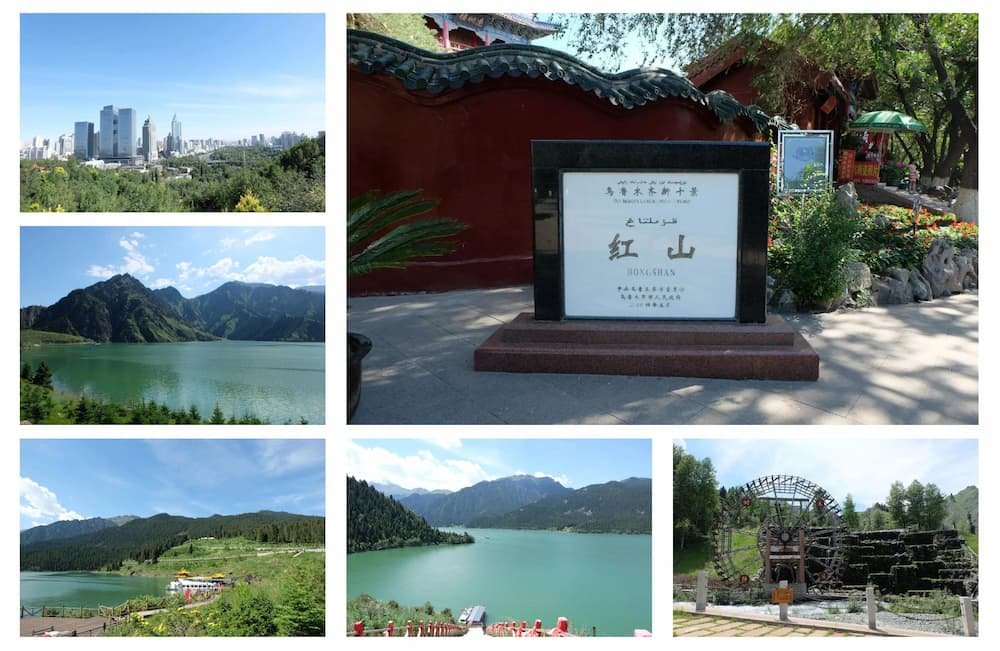
Urumqi (乌鲁木齐) sits in the northern foot of the Tianshan Mountains, roughly 2,500 km west of Beijing and 1,400 km east of Kashgar. It is the largest city in Xinjiang and the primary entry point for most independent travelers. If you are planning a Xinjiang travel itinerary, the odds are high that you will pass through Urumqi at least once.
The city is also the best place to handle logistics: picking up a rental car, shopping for hiking gear, visiting the Xinjiang Regional Museum, and acclimating to the timezone (UTC+6 local rhythm, though official time is Beijing time — a 2-hour offset that affects everything).
Option 1: Flying to Urumqi (Fastest & Most Common)
Urumqi Diwopu International Airport (URC) is the primary air gateway to Xinjiang. Despite the “international” label, most traffic is domestic. Direct flights connect Urumqi with major Chinese cities including Beijing, Shanghai, Guangzhou, Chengdu, Xi’an, Zhengzhou, and Chongqing. During peak season (June–September), frequency increases and prices rise accordingly.
Key Flight Routes into Urumqi (2026)
| From | Flight Time | Frequency | Typical Price (Economy) |
|---|---|---|---|
| Beijing (PEK/PKX) | ~4.5 hrs | Daily, multiple | ¥1,200–2,800 |
| Shanghai (PVG/SHA) | ~5.5 hrs | Daily | ¥1,500–3,200 |
| Chengdu (CTU/TFU) | ~3.5 hrs | Daily, multiple | ¥900–2,200 |
| Xi’an (XIY) | ~3 hrs | Daily | ¥800–1,800 |
| Guangzhou (CAN) | ~5 hrs | Daily | ¥1,400–3,000 |
International note: There are limited international Flights to Urumqi (notably from some Central Asian cities and Istanbul via select carriers), but most foreign travelers enter China via Beijing/Shanghai/Chengdu and connect onward. If you are coming from Central Asia overland, see the overland section below.
Airport to City Center
Diwopu Airport is about 16 km northwest of downtown Urumqi. Options:
- Airport shuttle bus: ¥15–25, runs to various city points. Cheap but slow if you hit rush hour.
- Taxi / Didi: ¥40–70 to city center, 30–50 minutes depending on traffic. Didi (Chinese Uber) works in Urumqi but requires the Chinese app and a Chinese phone number/SIM.
- Metro (Line 1): Urumqi has a metro system. Airport connectivity is limited — check the latest map before relying on it.
Option 2: Taking the Train to Urumqi (Scenic & Budget-Friendly)
For many travelers, the train is part of the adventure. Urumqi is connected to the national railway network via the Lanzhou–Xinjiang High-Speed Railway, which was fully upgraded in recent years. The journey is long but spectacular — you watch the landscape transition from Loess Plateau to desert to oasis.
High-Speed Rail (G-Trains & D-Trains)
The high-speed line now connects Urumqi with Lanzhou (Gansu) in about 8–10 hours, with through-services to Xi’an (12–14 hrs) and Beijing (overnight sleeper high-speed options available).
| Route | Duration | Sleeper Option? | Price (Hard Sleeper) |
|---|---|---|---|
| Lanzhou → Urumqi | 8–10 hrs | Yes (overnight) | ¥400–600 |
| Xi’an → Urumqi | 12–14 hrs | Yes | ¥600–900 |
| Beijing → Urumqi | ~24 hrs (sleeper) | Yes (2 nights) | ¥800–1,200 |
Booking: Use the official 12306.cn website/app (Chinese interface) or Ctrip/Trip.com (English interface, small service fee). Foreign passport holders can book online and collect tickets at the station with passport + order number. During July–August and National Day (October 1–7), book 10–15 days ahead.
Regular (Slow) Trains
These still exist and are cherished by budget travelers. The famous “Urumqi Express” types are being phased out in favor of faster services, but a few overnight regular trains remain. They are slower, cheaper, and offer more opportunities to interact with fellow passengers — though language can be a barrier.
Option 3: Long-Distance Bus (For the Rugged & Budget-Conscious)
Urumqi has a major long-distance bus terminal (South Bus Station / Nán Zhàn) with services to regional cities including Turpan (2–3 hrs), Kuqa (8–10 hrs), Kashgar (14–16 hrs), and Yining (6–8 hrs). Buses are air-conditioned, reasonably comfortable, and very affordable (¥80–300 depending on distance).
However — for foreign independent travelers — buses are less ideal than trains or flights for three reasons: language barriers at ticket counters, inflexible schedules if you need to make connections, and the simple fact that you will arrive tired and without a local SIM card or Didi set up.
That said, the Urumqi → Turpan bus is a solid, short hop if you want to see the desert landscape and don’t mind the slower pace. Turpan makes an excellent first stop after landing in Urumqi.
Option 4: Driving to Urumqi (The Long Haul)
 Heavenly Lake near Urumqi transportation gateway” style=”width:100%;max-width:700px;display:block;margin:20px auto;border-radius:8px;”>
If you are already in China on a longer road trip, driving to Urumqi is a legitimate option. The main approaches are:
- From Lanzhou / Gansu Corridor (G30 Lianyungang–Khorgos Expressway): This is the classic approach. G30 is a modern, well-paved expressway that slices across Gansu and into Xinjiang. The drive from Lanzhou to Urumqi is roughly 1,900 km and takes 20–24 hours of actual driving time — plan for 2–3 days with overnights in Wuwei, Zhangye, or Jiuquan.
- From Qinghai (via Dachaidan): A more scenic, higher-altitude route through the Qaidam Basin. Fewer services, more dramatic scenery, and a real sense of isolation. Only recommended with a reliable 4×4 and spare fuel cans.
Foreign-plated rental cars: this is a gray area. Most Chinese rental agencies forbid taking their cars across provincial borders. If you need a car in Xinjiang, the standard (and legal) approach is to fly into Urumqi and rent a car locally. Several major agencies (Hertz partners, Avis partners, and large Chinese chains like Shenzhou) have desks at Diwopu Airport and in the city.
For a full breakdown of road-trip logistics, see our Xinjiang self-drive travel guide.
Option 5: Overland from Central Asia (The Adventurous Route)
In theory, you can reach Urumqi overland from Kyrgyzstan (via the Torugart or Irkeshtam passes) or from Kazakhstan (via Khorgos / Horgos). In practice, this requires:
- A Chinese visa (obtained in advance at an embassy/consulate abroad)
- A border-zone permit (边防证) if you are driving or entering sensitive areas
- A LOT of patience with border formalities
The Khorgos (Horgos) land port is the most developed of these crossings and handles both private vehicles and pedestrian crossing (via bus). However, independent overland entry as a casual tourist is rare and usually arranged through a tour operator who handles the paperwork.
If this is your plan, start researching 3–4 months before travel. The rules change, and what worked for a blogger in 2019 may not work today.
When to Arrive: Timing Your Urumqi Gateway
Urumqi has a continental arid climate with real seasonal personality:
| Season | Urumqi Weather | Transportation Impact |
|---|---|---|
| April–May | 10–22°C, windy, some dust | Flights reliable; roads clear; best time to visit Xinjiang starting |
| June–August | 25–38°C, dry heat, peak crowds | Book flights/trains 2–3 weeks ahead; prices surge |
| September–October | 5–22°C, crisp, golden foliage | Ideal travel window; less crowded; stunning approach views |
| November–March | -15–5°C, snow, very cold | Winter flight schedules reduced; some mountain roads closed |
First 24 Hours in Urumqi: A Practical Sequence
You have arrived. Now what? Here is a realistic pacing for your first day:
- Morning arrival: Clear airport/train station, get cash from an ATM (have some RMB on hand for taxis and small vendors), buy a local SIM if needed (China Mobile/Telecom/Unicom kiosks at airport).
- Late morning: Check into your hotel. The city center (Renmin Road / Hongshan area) is the most convenient base.
- Afternoon: Visit the Xinjiang Regional Museum (free, passport required, closed Mondays). It frames everything you will see in the region.
- Evening: Walk the Hongshan Park ridge for a panoramic view of the city backdropped by the Tianshan snow peaks, then dinner at a local Uyghur restaurant.
If you have a second day before heading out to the region, consider a day trip to Heavenly Lake (Tianchi) — it is the most accessible alpine scenery near the capital and a good way to test your altitude response before going deeper into Xinjiang.
 Sayram Lake Xinjiang alpine scenery accessible from Urumqi gateway” style=”width:100%;max-width:700px;display:block;margin:20px auto;border-radius:8px;”>
Getting From Urumqi to the Rest of Xinjiang
Urumqi is not the final destination — it is the starting line. From here, the main onward routes are:
- Urumqi → Heavenly Lake (Tianchi): 110 km, 2 hrs, easy day trip
- Urumqi → Turpan: 200 km, 2.5 hrs via expressway
- Urumqi → Yining (Ili Valley): 680 km, 8–9 hrs via G30 then S220
- Urumqi → Kuqa (Southern Tianshan): 750 km, 9–10 hrs via G30 + G217
- Urumqi → Burqin (gateway to Kanas): 680 km, 9–10 hrs via G216
For travelers planning to self-drive in Xinjiang, picking up the car in Urumqi gives you access to all these axes. Just be aware that distances are real: “680 km” is a full day of driving, not a quick hop.
Practical Warnings (The Stuff That Actually Matters)
- Timezone reality: All of China officially uses Beijing Time (UTC+8), but Urumqi’s solar time is ~UTC+6. Locals often run on a “Xinjiang time” that is 2 hours later — shops may not open until 10:00 or 11:00 Beijing time. Factor this in when booking early flights.
- Altitude: Urumqi itself is at ~800 m — no altitude issue. But if you head straight to Heavenly Lake (1,980 m) or further afield, ascend gradually and stay hydrated.
- Cash: WeChat Pay and Alipay dominate, but foreign cards are hit-or-miss. Bring some RMB cash as backup, especially for taxis and small vendors.
- PSB Permit (边防证): If your itinerary includes border areas (Karakul Lake, Baihaba, Tashkurgan, Kanas), arrange this permit in Urumqi at the Public Security Bureau before you travel further afield. Your hotel can often assist.
The Bottom Line
Getting to Urumqi is straightforward in 2026 — flights are frequent, the high-speed rail is comfortable, and the airport infrastructure is modern. The real challenge (and joy) begins after you arrive: deciding whether to head north to the Kanas lakes, south to the Taklamakan Desert, or west to the Yili Valley’s grasslands. Each direction rewards you differently, and Urumqi is the calm, logistical hub that makes all of them accessible.
Have a specific question about reaching Urumqi or planning your Xinjiang gateway logistics? The comments are open — share your itinerary and I will help you optimize it.