
Xinjiang Spices, Seasonings & Pantry Staples: What Makes the Food Taste So Good
Last updated: July 2026. This guide reflects the author’s first-hand experience shopping in Urumqi’s bazaars and cooking with Uyghur families in the Ili Valley.
If you’ve ever wondered why Xinjiang cuisine hits so differently from any other Chinese regional food, the answer is in the pantry. The spice cabinet of a typical Uyghur or Kazakh kitchen in Xinjiang doesn’t look like a Han Chinese one — and it doesn’t look like an Indian or Iranian one either. It’s a distinct Silk Road blend: Central Asian cumin meets Chinese chili, with nods to Persian saffron and Siberian wild herbs thrown in. This guide walks through what’s actually in that cabinet, where to buy it, and how to pack it home.
1. Cumin (孜然, Ziran): The Soul of Xinjiang Savory Food
If there’s one scent that defines Xinjiang, it’s toasted cumin. Not the ground-powder stuff you buy in a Western supermarket — Xinjiang cumin is usually sold as whole seeds that home cooks toast in a dry wok and then crush with a mortar and pestle. The aroma is piney, citrusy, and slightly bitter in a way that makes lamb fat sing.
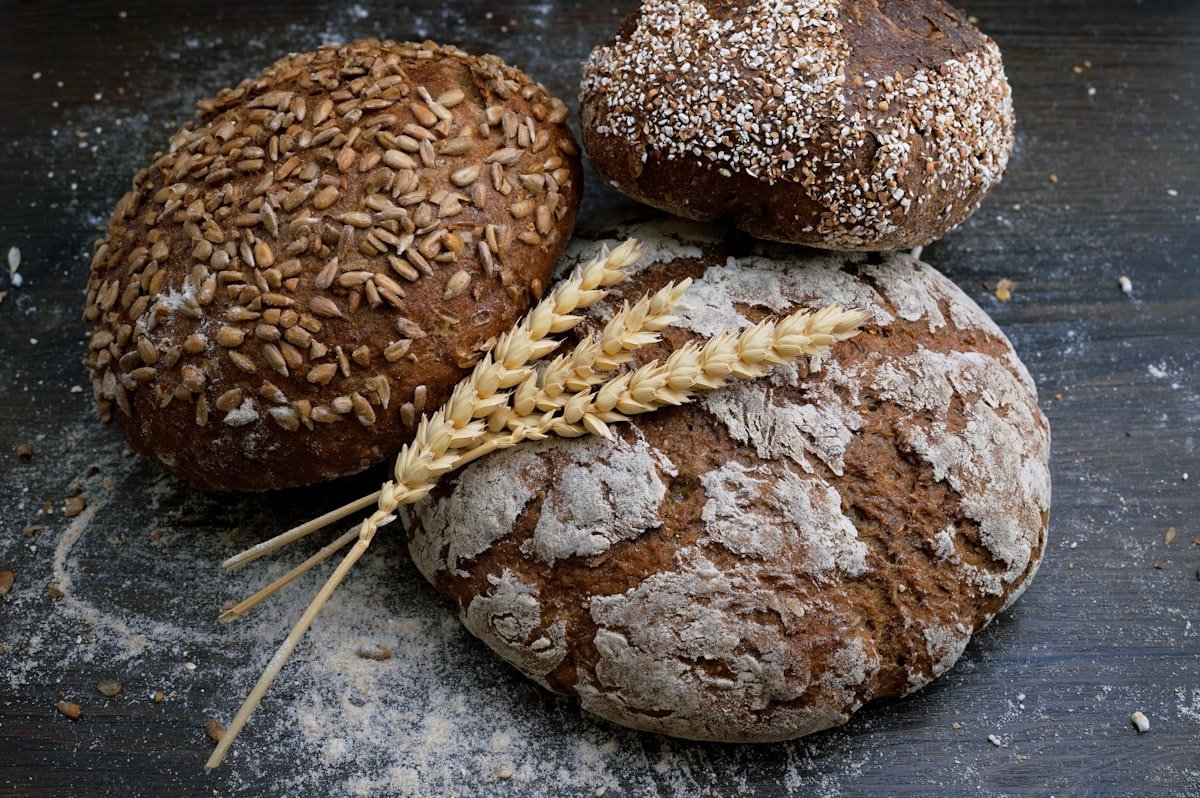
You’ll encouter cumin everywhere: dumped over lamb kebabs on a street stall, mixed into naan dough before it goes into the tandoor, and folded into the oil base of a polo pilaf. The best cumin in China comes from the Tianshan foothills around Kuqa — if you see “Kuqa cumin” (库存孜然) on a package in a bazaar, buy it.
EEAT tip for travelers: Whole seeds keep their flavor for ~12 months. Ground cumin turns bland in 3. If you’re buying to take home, always buy whole and crush as needed.
2. Chili Flakes (辣椒面, Lajiao Mian): The Color and The Kick
Xinjiang doesn’t do “ghost pepper” heat. The chili used here is about fragrance and red color as much as burn. Two types dominate:
- Yidu red chili (二荆条-type flakes) — moderately hot, deep red, used as a finishing sprinkle on noodles and soups.
- Xinjiang local dried red chili (新疆线椒) — thinner, fruter, often ground with the seeds for a sharper kick. Commonly sold in braids (chili ristas) hanging from shopfronts in Kashgar’s old town.
Chili oil (辣椒油) in Xinjiang is typically made by pouring hot mutton fat or vegetable oil over a bowl of chili flakes, Sichuan pepper, and sometimes a pinch of cumin. It’s served tableside with every bowl of laghman noodles and with chao fen (fried rice noodles).
3. Sichuan Pepper (花椒, Huajiao): The Numbing Surprise
Despite the name, Sichuan pepper isn’t exclusive to Sichuan. Xinjiang’s ethnic Chinese population (Han) brought it north, and it’s now a standard item in many home pantries — especially in the north (Urumqi, Karamay, Altay). It’s used sparingly in Uyghur cooking but appears in “Sichuan-style” Xinjiang dishes like dry-fried green beans with minced lamb.
The Xinjiang variety is usually the red-skinned type (not the green, flower-fragrant type from Hanyuan). If you’re browsing a spice stall in Urumqi’s port market, look for plump, oily kernels that release a citrusy scent when you crush one between your fingers.
4. Suan La Jiang (酸辣酱): The Uyghur Hot-and-Sour Sauce
This is the closest thing Xinjiang has to a “table sauce.” Every Uyghur restaurant has a small bowl of it on the table, and many families keep a jar in the fridge. The base is garlic, chili flakes, vinegar (usually black rice vinegar or white grape vinegar), and salt, sometimes with a splash of pomegranate juice in the Ili Valley version.
It’s scooped onto polo, mixed into noodle soups, and used as a dip for naan. In Yining’s Kazanchi district, you’ll find variations that include crushed walnuts and fresh herbs — a nod to Persianate influences along the Silk Road.
5. Heritage Herbs: Coriander, Dill, Mint (and the “Wild” Ones)
Fresh herbs are not a garnish in Xinjiang — they’re a vegetable. Three are essential:
- Coriander (香菜, Xiangcai): Used by the handful, not the pinch. Every noodle soup and kebab plate gets a generous scattering of raw coriander leaves.
- Dill (莳萝, Shiluo): This is the surprise. Dill is widely used in Uyghur cooking — in stuffed dumplings (manta), in cold potato salads, and in yogurt dips. It’s a Central Asian / Persian influence that sets Xinjiang apart from eastern China.
- Mint (薄荷, Bohe): Used in tea (see our tea culture guide) and in summer salads with onions and tomatoes.
Beyond these cultivated herbs, foragers in the Tianshan valleys collect wild equivalents: wild coriander (from higher elevations), wild mint (near streams), and a wild onion called “gaga” (嘎嘎) by local Kazakhs — tiny, potent bulbs that are dried and crushed into winter stews.
6. Oils: Mutton Fat (羊油, Yangyou) and Sunflower Oil
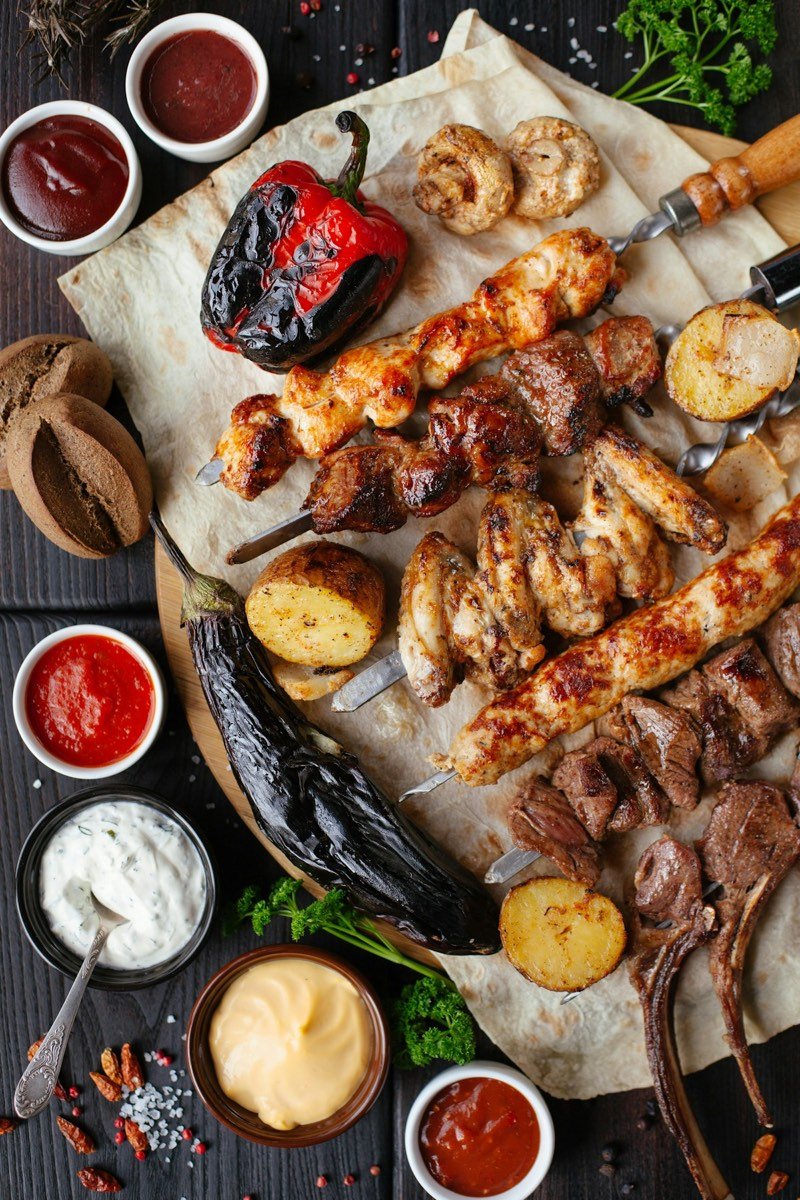
The cooking fat is half the flavor. In traditional Uyghur households, mutton fat is rendered down and kept in a jar at room temperature. A spoonful goes into the wok before the onions hit the heat — that’s what gives polo its characteristic golden sheen and rich mouthfeel.
In everyday urban cooking (and in most restaurants serving Han customers), refined sunflower oil or soybean oil has largely replaced mutton fat for health reasons. But for the “real deal,” you want the places that still cook with yangyou. Ask: “Yangyou pa?” (羊油怕? — Do you use mutton fat?) — if the answer is yes, order the polo.
Note for travelers: Mutton-fat polo is rich. If you have a sensitive stomach, ease in with a small portion.
7. Saffron (藏红花, Zanghonghua): The Luxury Spice of the Pamirs
Tashkurgan County — the Tajik prefecture on the Pamir Plateau — produces a small amount of high-altitude saffron. It’s not widely available (most “Xinjiang saffron” in domestic Chinese markets is actually imported from Iran and relabeled), but if you visit the Sunday market in Tashkurgan town, you may find the real thing sold by Tajik women in small glass vials.
It’s used sparingly in festive polo (wedding polo, not everyday polo) and in a few high-end Uyghur pastries. A single gram is enough to perfume an entire pot of rice.
8. Black Vinegar and Grape Vinegar
Xinjiang makes its own vinegars, distinct from eastern Chinese rice vinegars:
- Black rice vinegar (老黑醋): Produced around Turpan and aged in clay jars. Darker and slightly sweeter than Shanxi mature vinegar.
- White grape vinegar (葡萄醋): A Turpan specialty. Made from Thompson Seedless grapes, it’s clear, sharp, and used in cold salads and in the hot-and-sour sauce (suan la jiang) mentioned above.
You can visit small-batch vinegar workshops on the outskirts of Turpan city — ask your guesthouse host to point you toward one. The smell is intense (in a good way), and you can buy directly from the producer for a fraction of the bazaar price.
9. Salt and the “Secret” mineral salts
This sounds boring until you realize: Xinjiang has multiple indgenous rock salts. The salt from the Taklamakan’s margins (around Lop Nur) is slightly mineraly and pink-tinged. Uyghur families in rural areas often prefer this to refined table salt. In Kashgar’s markets, you may see it sold as “Lop salt” (罗布盐) in rough crystals.
There’s also a “spiced salt” (椒盐, jiaoyan) mixture — salt blended with toasted Sichuan pepper and sometimes cumin — that’s used as a finishing seasoning for roasted lamb ribs and for seasoning boiled potatoes eaten as a street snack.
10. Where to Buy: The Best Spice Shopping in Xinjiang
If you want to bring the taste of Xinjiang home, these are the places to shop:
Urumqi: The Port (二道桥) Bazaar and HONGSHAN Market
The spice section of Urumqi’s port market (near the Erdaoqiao area) is the most accessible for foreign visitors. Stalls are organized by spice type — cumin in one row, chili in the next, dried herbs in the next. Prices are marked, and many vendors speak basic English or have a translator app ready.
What to buy here: Kuqa cumin (whole), chili braids, dried mint, black vinegar, sunflower oil (small bottles for travel).
Kashgar: Sunday Livestock Market + Old Town Spice Lanes
For a more atmospheric experience, browse the spice stalls embedded in Kashgar’s old town alleyways. The Sunday market (on the outskirts) also has a spice section where you can buy in larger quantities — this is where local restaurant owners shop.
What to buy here: Chili ristas (dried chili braids — great as a gift), spice blends for polo (pre-mixed packets), dried wild mint, pomegranate juice concentrate.
Yining (Ili Valley): The “Persian” Spice Corner
Yining’s spice market reflects its closer cultural ties to Central Asia. You’ll find dill seed, walnut paste, and saffron imitations (ask carefully about origin) that you won’t see in Urumqi. The Kazanchi district also has a few family-run shops selling Uyghur-style spice blends in recycled jam jars — no labels, just a handwritten Uyghur script tag.
11. Packing Spices Home: Customs and Practicalities
Before you load your suitcase with cumin, check your home country’s biosecurity rules:
- Dried spices (powders, whole seeds): Generally allowed into the EU, US, UK, Australia, and Canada — but they must be commercialy packaged (not loose in a plastic bag). Keep the receipt.
- Fresh herbs: Not allowed across most borders. Don’t try.
- Chili braids / dried whole chilies: Usually allowed if clearly identified. Australia and New Zealand are strict — declare everything.
- Homemade spice blends in unlabeled jars: Likely to be confiscated. If you buy from a family shop, ask for a simple ingredient label or transfer to a commercial spice jar before flying.
Pro tip: Zip-lock your spices inside a second bag. Cumin is pungent and persistent — your clothes will smell like a kebab stall for a week if there’s a leak.
12. Try Before You Buy: The “Tasting” Strategy
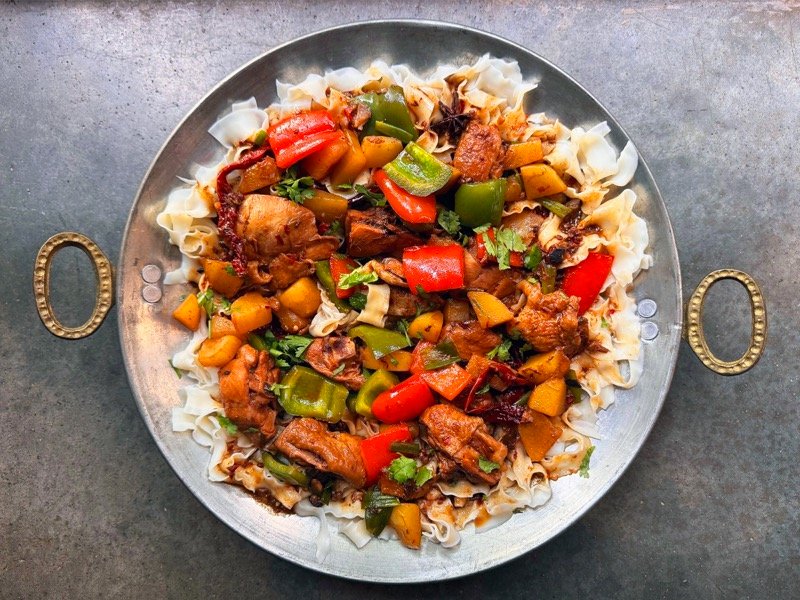 Big Plate Chicken (Dapanji) Xinjiang style, chicken stew with potatoes and chili peppers in a large serving dish”>
The smartest approach is to eat widely during your trip, note which flavors you keep craving, and then track those down in the market. Here’s a flavor-to-spice mapping to guide your shopping list:
| Dish | Key Spices | Buy This |
|---|---|---|
| Lamb kebabs (chuan’r) | Cumin, chili flakes, salt | Whole cumin seeds, chili flakes |
| Polo pilaf | Cumin, carrot, onion (base), saffron (luxury) | Cumin, cheap saffron threads |
| Dapanji (Big Plate Chicken) | Chili flakes, Sichuan pepper, star anise, bay leaf | Chili flakes, Sichuan pepper |
| Laghman noodles | Chili oil, cumin, coriander | Chili flakes, dried coriander |
| Naan bread | Nigela seeds, cumin, salt | Nigela seeds (黑籽), cumin |
| Yogurt dip (katyk) | Dill, mint, salt | Dried dill, dried mint |
Conclusion: The Pantry as a Souvenir
Xinjiang’s spices won’t fit in a framed photo, but they’ll let you recreate the taste of the Silk Road in your own kitchen months after you’ve flown home. And that’s the most durable souvenir there is. Start with cumin, chili flakes, and dried dill — the “holy trinity” of the Uyghur pantry. Everything else is a bonus.
Want to taste these spices in context before you buy? Our first-timer’s Xinjiang guide includes a food-focused 3-day itinerary for Urumqi and Kashgar that hits the best spice-scented streets.